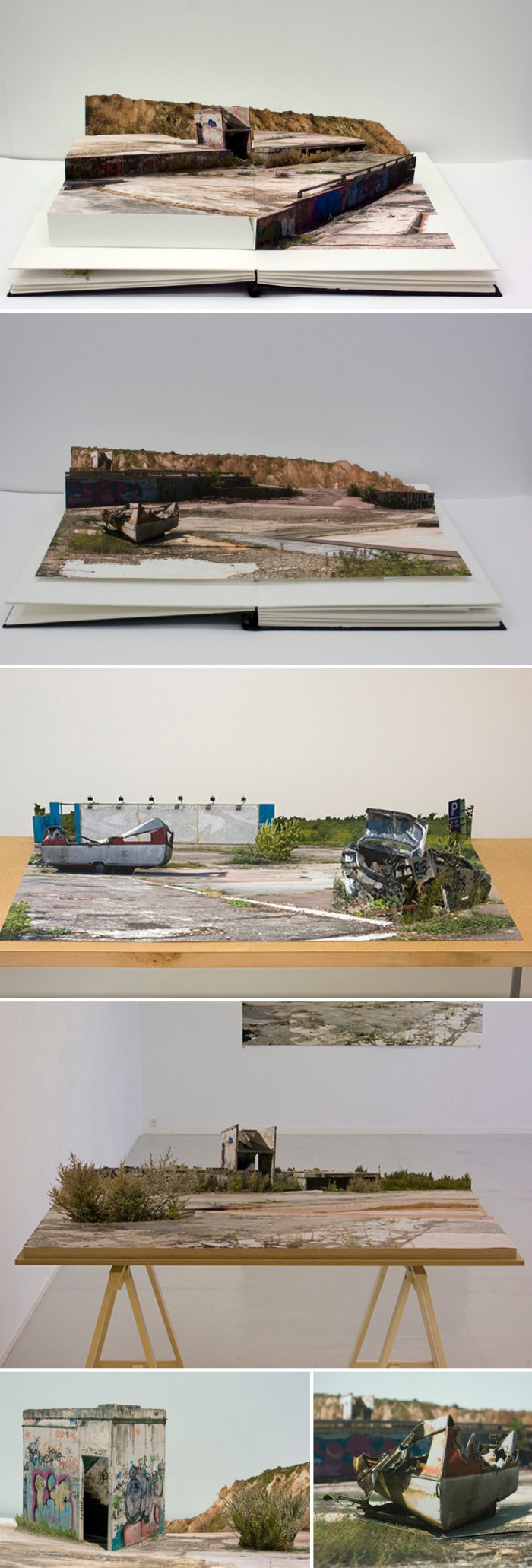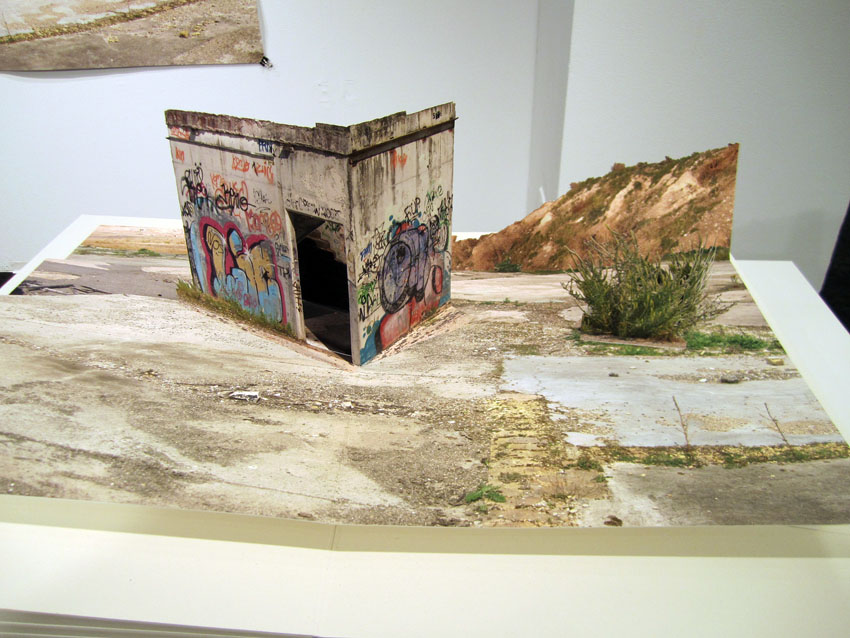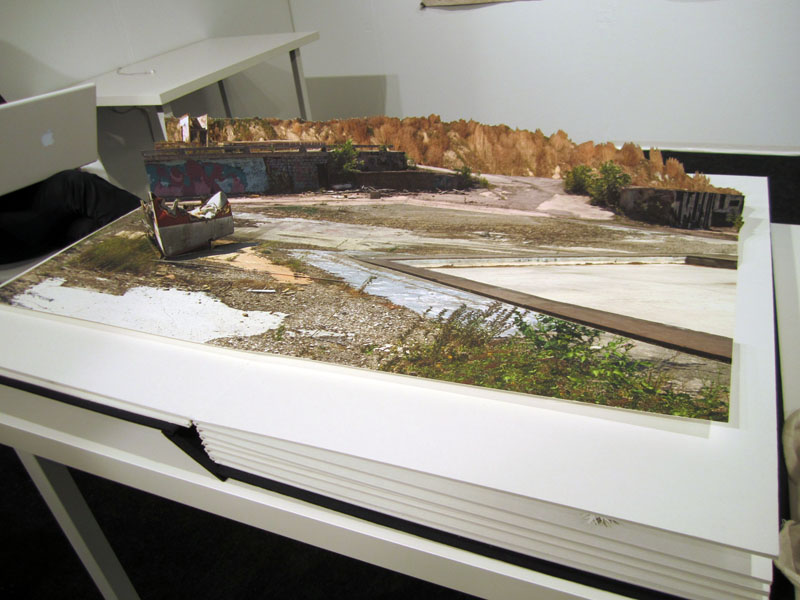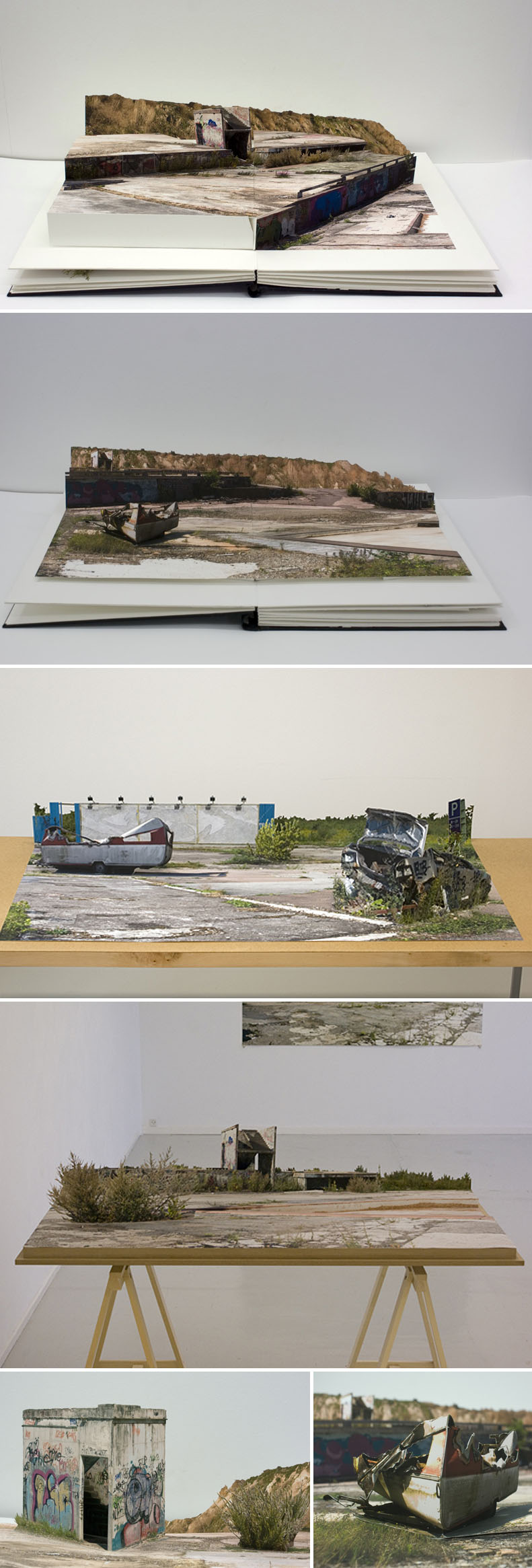
Andreas Johansson: Collage Pop-Up Books

Pop-Up Books, Photo collage, desolate landscapes, skateboard industrial landscapes, VoltaNYPop-Up Books, Photo collage, desolate landscapes, skateboard industrial landscapes, VoltaNYPop-Up Books, Photo collage, desolate landscapes, skateboard industrial landscapes, VoltaNYClick to enlarge

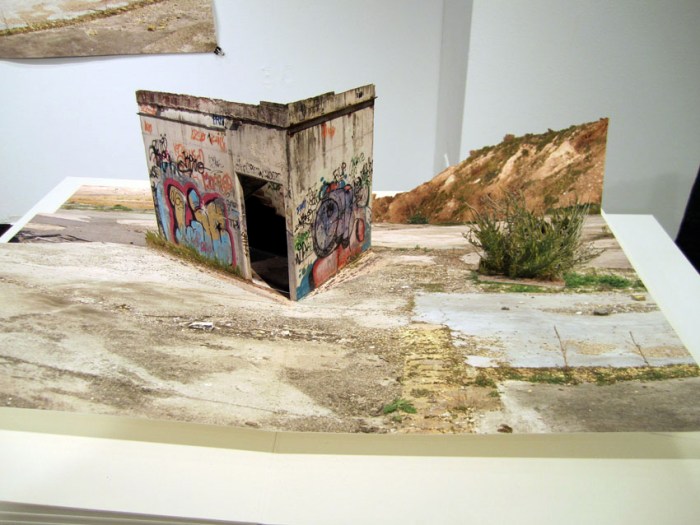
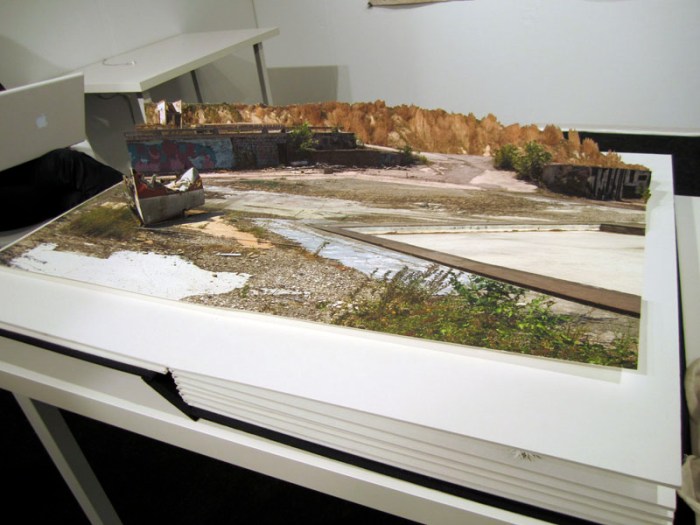
I came upon these impressive photo collage pop-up books at the Volta art show here in NYC last Friday. Swedish artist Andreas Johansson has been drawn to industrial and desolate areas ever since his youth as a skateboarder in Vaxjo. Working in collage, cutting apart photographs and then building up new environments of the abandoned industrial kind has been something Johansson has done for a while. In his solo exhibit titled From Where the Sun Now Stands, he has taken these ‘sets’ and created a series of oversized pop-up books with 6 pages each, showing different perspectives of the same vacant lot. Turning these large pages and seeing these pages come to life was an interesting departure from the pop-up books (that I loved) of my youth. You can see the pages being flipped at the bottom of this page here.

Photos courtesy Galleri Flach, VoltaNY, and collabcubed

Marie Bovo: Cour Intérieure

Spanish photographer, Marie Bovo, Marseille courtyard photos, hanging laundry, collabcubedSpanish photographer, Marie Bovo, Marseille courtyard photos, hanging laundry, collabcubedSpanish photographer, Marie Bovo, Marseille courtyard photos, hanging laundry, collabcubedClick to enlarge

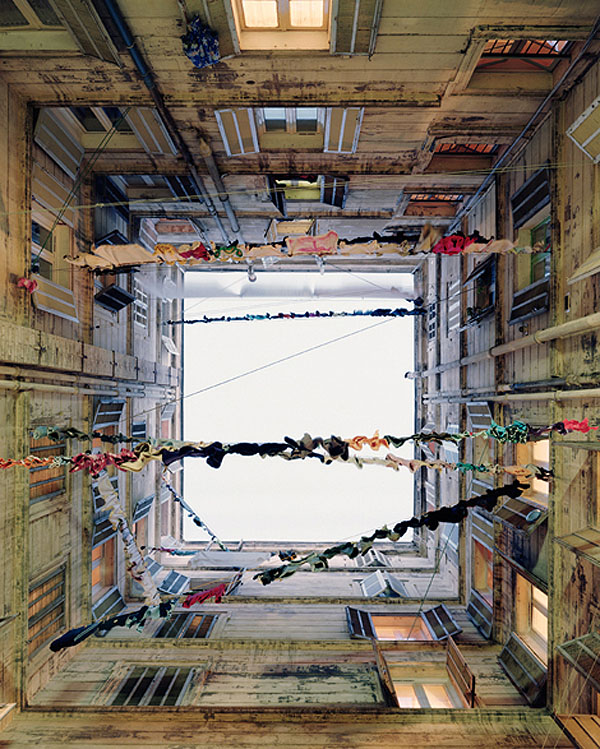
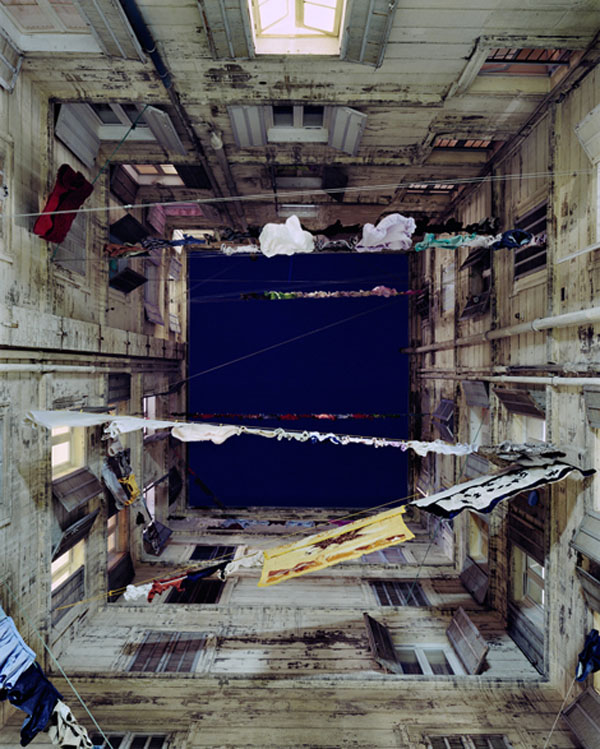
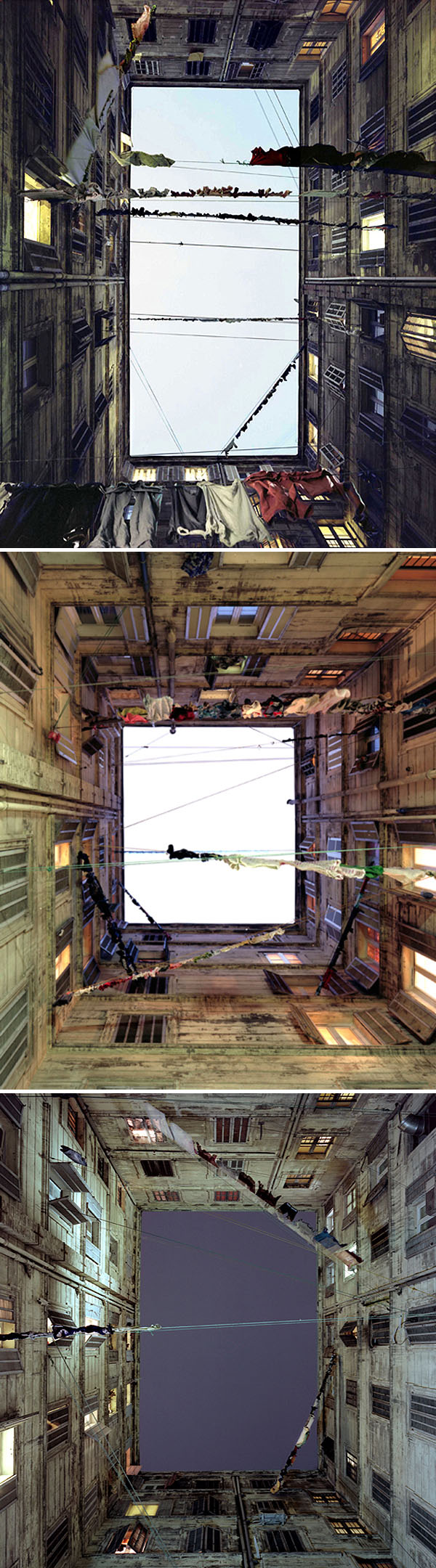
Originally from Alicante, Spain, photographer Marie Bovo now lives and works in Marseille. I really like her ‘Cour Intérieure’ (interior courtyard) series of photographs. Despite its consistent theme, each one has its own personality and color scheme, with clotheslines varying in direction, capturing that particular aspect of many Mediterranean towns and cities. Such a cool perspective, too; a bottom-of-the-well sensation.

via kamel mennour

The Radical Camera: NY’s Photo League

New York's Photo League, photos of New York City 1936-1951, street photography, the Great Depression,Joe SchwartzNew York's Photo League, photos of New York City 1936-1951, street photography, Erika StoneNew York's Photo League, photos of New York City 1936-1951, street photography, great depression, WWII, Harlem, Lower East SideClick to enlarge

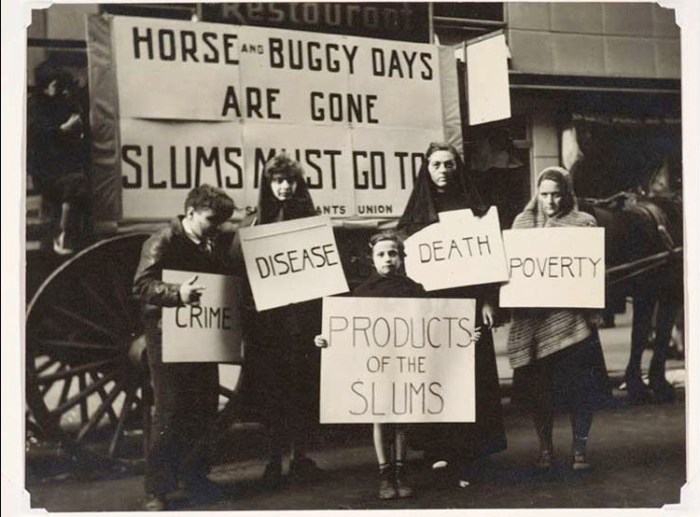
What a great surprise to walk into the Jewish Museum a week ago, not knowing what I was about to see, and experience one of the best photography shows I’ve seen in a long time. The Radical Camera: New York’s Photo League, 1936-1951 is a must-see for any lover of New York City, or of street photography in general. Some of the photos were familiar, but most were new to me. From the moment you enter the gallery, the parallels with the present are evident in the opening short film showing protesters in Union Square demanding unemployment assistance. It’s the 99% almost 80 years earlier. Of course, the contrasts are striking as well: these protesters look hungry, poor, all dressed in suits and skirts, and no one is smiling. There are no bed-ins or fun t-shirts as in the 1960s and today; clearly it was a different time, but it’s hard not to compare.

Apart from the protests and the poverty, the streets themselves also, in some cases, look exactly the same and in others are hard to recognize. It’s truly fascinating to look at every detail of each photo. Add to that, that the Photo League – a group of amateur and professional photographers who were politically progressive, believed in photography as an instrument for social change, and were later blacklisted during the McCarthy Era – leased 2,600 sq. feet of space in our very own building’s basement in the late 1940s as their gathering space, makes it all the more close to home.

One of the projects by the Photo League, and led by photographer Aaron Siskind, was the Harlem Document, an in-depth photographic overview of the black community. It made me smile to read that they collected ‘dozens’ of photos over several months of shooting; definitely not the digital age of today.

All photos are from The Jewish Museum’s website and The Financial Times. From top to bottom and left to right:
Joe Schwartz, Slums Must Go! May Day Parade, New York, c. 1936. ©Joe Schwartz
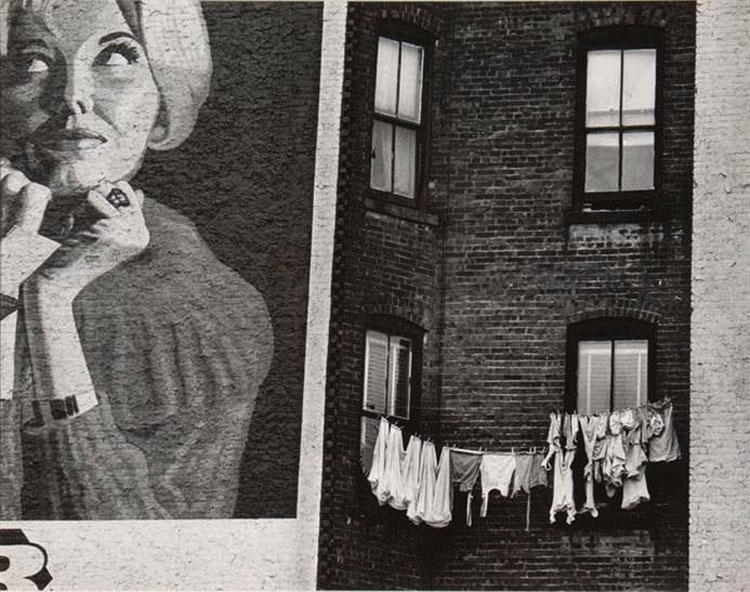
Erika Stone, Lower Eastside Facade, 1947. ©Erika Stone
Ruth Orkin, Times Square, from Astor Hotel, 1950. ©Estate of Ruth Orkin
Aaron Siskind, The Wishing Tree, 1937. ©Aaron Siskind Foundation / Courtesy Bruce Silverstein Gallery, New York
Ida Wyman, Spaghetti 25 Cents, New York, 1945. ©Ida Wyman
Ruth Orkin, Boy Jumping into Hudson River, 1948. ©Estate of Ruth Orkin
Morris Huberland, Union Square, New York, c. 1942. ©Estate of Morris Huberland / Licensed by VAGA, New York, NY
Arthur Leipzig, Ideal Laundry, 1946. ©Arthur Leipzig
Weegee (Arthur Fellig) Max is Rushing in the Bagels to a Restaurant on Secont Avenue for the Morning Trade, c.1940 ©Weegee

On a different note, don’t you think the bagels-on-a-string delivery method has great potential for a comeback in a contemporary health code compliant version?

If you’re in NYC, I highly recommend this exhibit which will be at the Jewish Museum through March 25th, 2012.
Arjen Born: Photographs from the Future

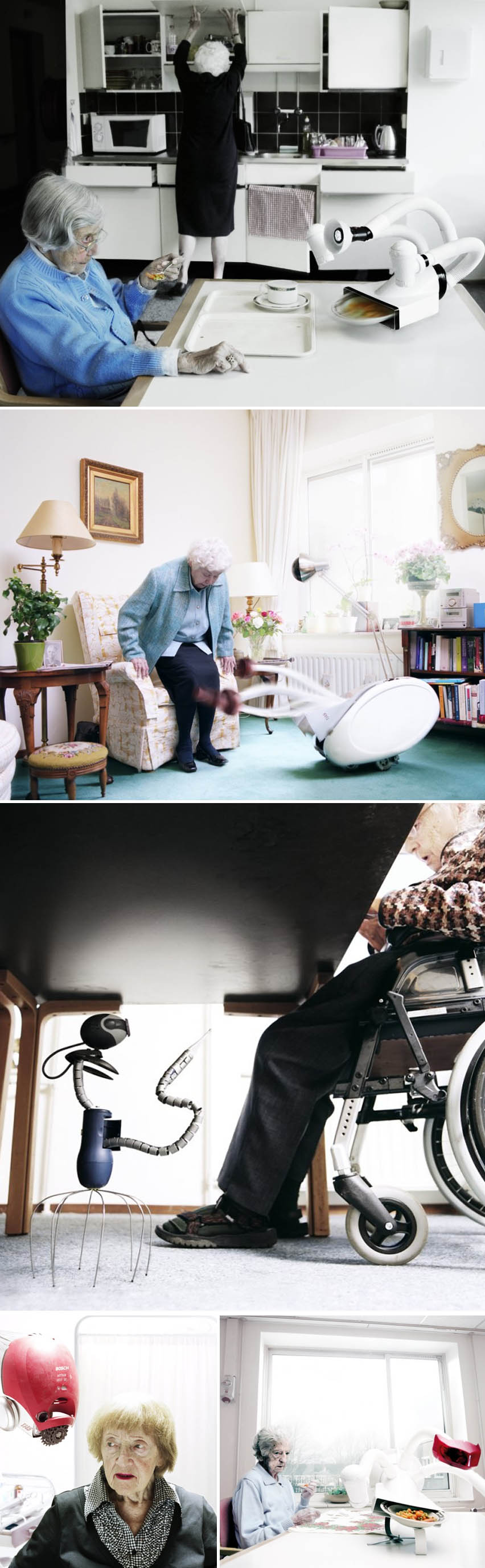
Photographs, Industrial design, contraptions, sculpture, robots, elderly, collabcubedPhotographs, Industrial design, contraptions, sculpture, robots, elderly, collabcubedPhotographs, Industrial design, contraptions, sculpture, robots, elderly, collabcubedPhotographs, Industrial design, contraptions, sculpture, robots, elderly, collabcubedClick to enlarge

Recently, I’ve mentioned to my future-industrial-designer-daughter Daniela that I believe there will be a great demand for smartly designed, affordable gear for the elderly in the not-so-distant future, with everyone living longer and the price of healthcare increasing while insurance coverage declines. Clearly, Dutch photographer Arjen Born feels the same way.

These photographs are at once comical and moving. They envision health aides of the future as robots or contraptions that assist. I’m assuming that Born creates these humorous ‘prototypes’ himself judging from the name header on his website.

via gup magazine

Roadsworth: Dead Hearts

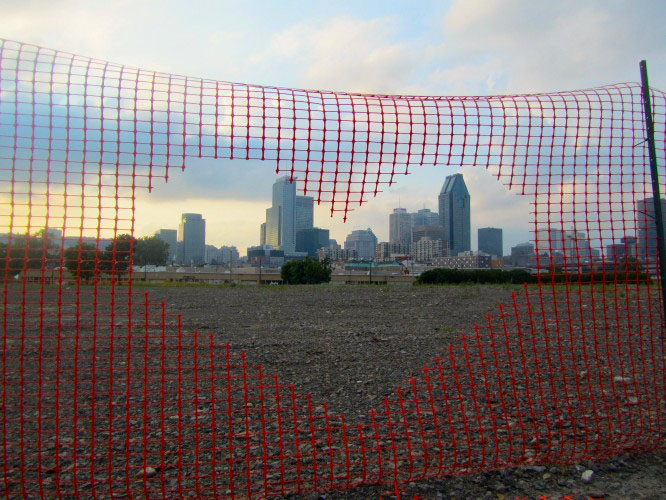
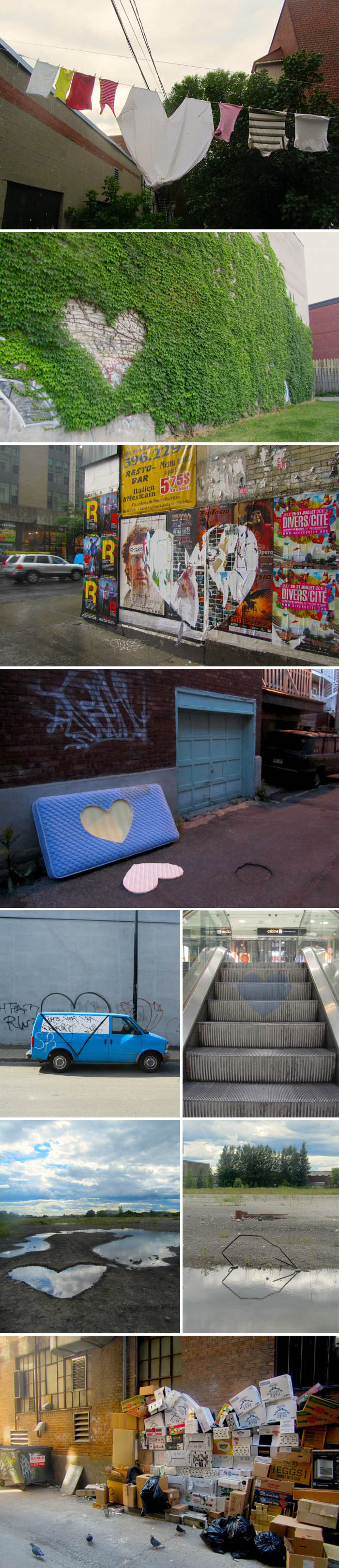
Street art, hearts, dead hearts, valentine's day, graffiti, photography, Roadsworth, MontrealStreet art, hearts, dead hearts, valentine's day, graffiti, photography, Roadsworth, MontrealStreet art, hearts, dead hearts, valentine's day, graffiti, photography, Roadsworth, MontrealClick to enlarge
Street artist Roadsworth started painting the streets of Montreal about ten years ago in protest of car culture and to promote bicycle use. This series of works is titled Dead Hearts…maybe not the most romantic title for a Valentine’s Day post, but that’s what we’re doing, so, let’s just go with it.

You can see more of Roadworth’s hearts as well as much more of his clever work on his website.

Escalator Photos

photography, escalators, cool images, stairs, escalator photos, flickrphotography, escalators, cool images, stairs, escalator photos, flickrphotography, escalators, cool images, stairs, escalator photos, flickrRecently, I’ve come across several interesting photos of escalators and after doing a search found a whole group on flickr. It was hard to select just a few photos (who knew there could be so many great shots of escalators?), but I went for a variety of angles and styles.

All names are linked to their source. From top to bottom and left to right:
Oliver Huizinga
Julie Daniels
The Relevant Authorities
Quaisi
John Fullard
Jill Fehrenbacher for Inhabitat
Siraphornbooks
Alexandre Moreau
b_juhasz

Eka Sharashidze: Wall People

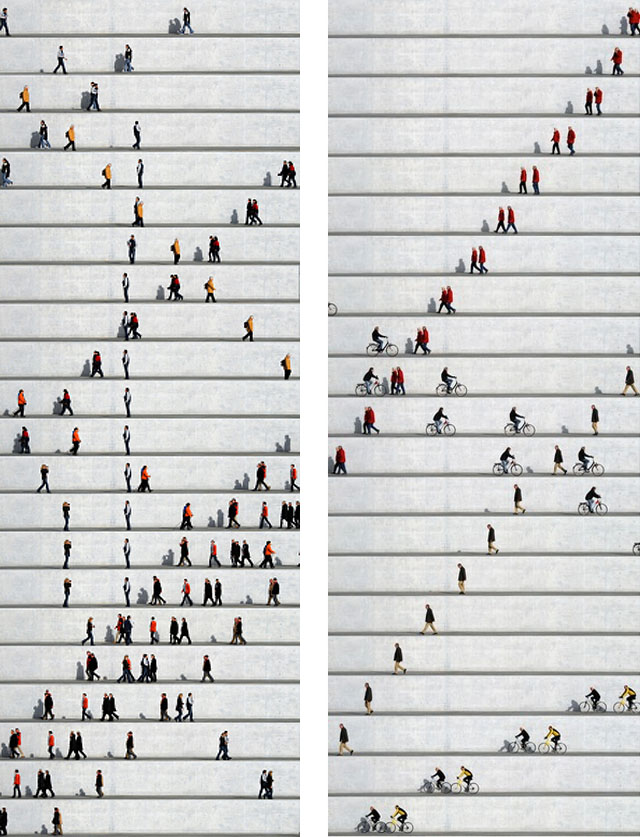
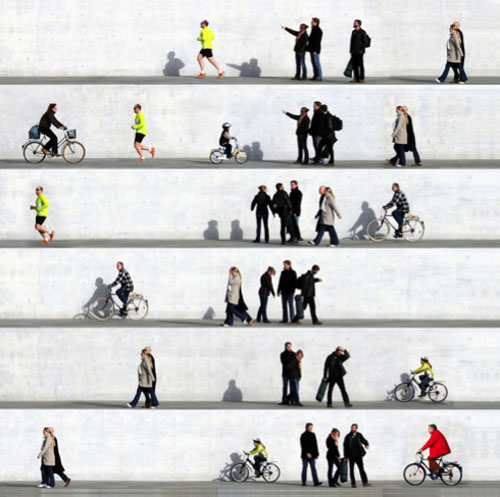
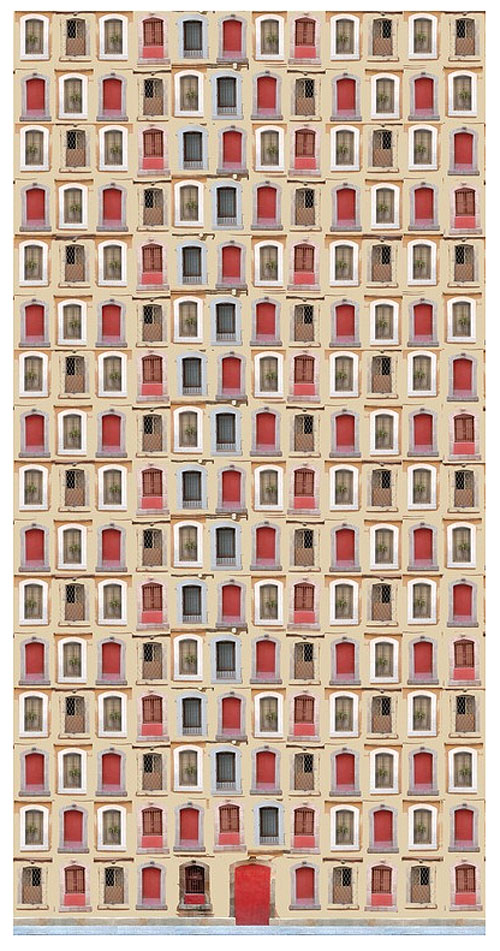
Photo collages, panels, alu dibond, Wall People by Eka SharashidzePhoto collages, panels, alu dibond, Wall People by Eka SharashidzePhoto collages, panels, alu dibond, Wall People by Eka SharashidzePhoto collages, panels, alu dibond, Wall People by Eka SharashidzeArchitectural photo collage by Eka SharashidzeOriginally from Georgia, but now living and working in Berlin, Eka Sharashidze creates photo collages. Her series Wall People caught my eye. In these images, the panels almost look like paintings, (though that may not be the case in person) but, if I understand correctly (my Georgian and German are a bit rusty, as in I don’t speak either at all), Eka sets up her camera facing a big white wall and shoots the passersby collecting photographs of people going about their everyday business, from walking to biking, to standing and pointing. She then proceeds to take these images, often repeating many of them, (which makes for an interesting effect), other times placing the images sequentially illustrating the progression of time, and, finally, printing them onto aluminum panels. Sharashidze has some nice architectural photo collages as well.

via artreview

Peter Emerick: Koan Grids

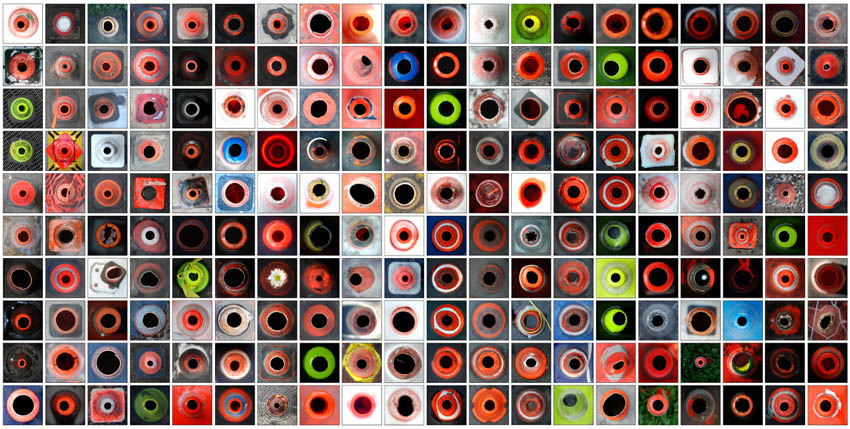
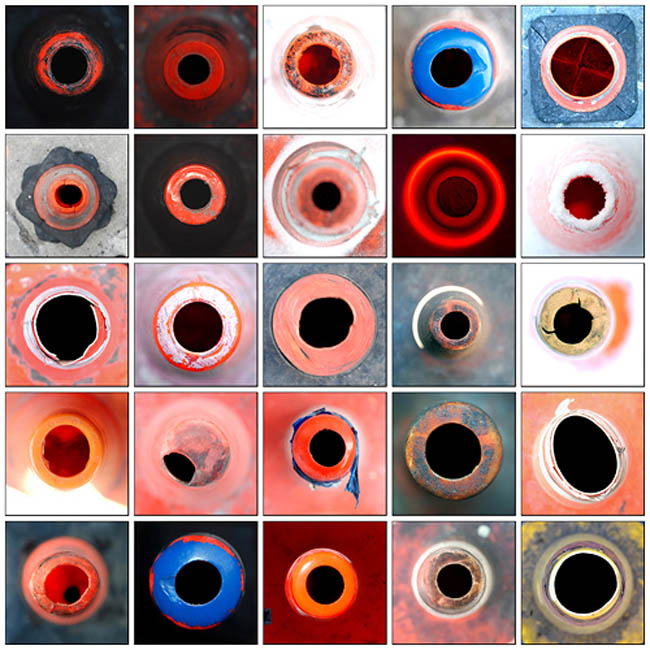
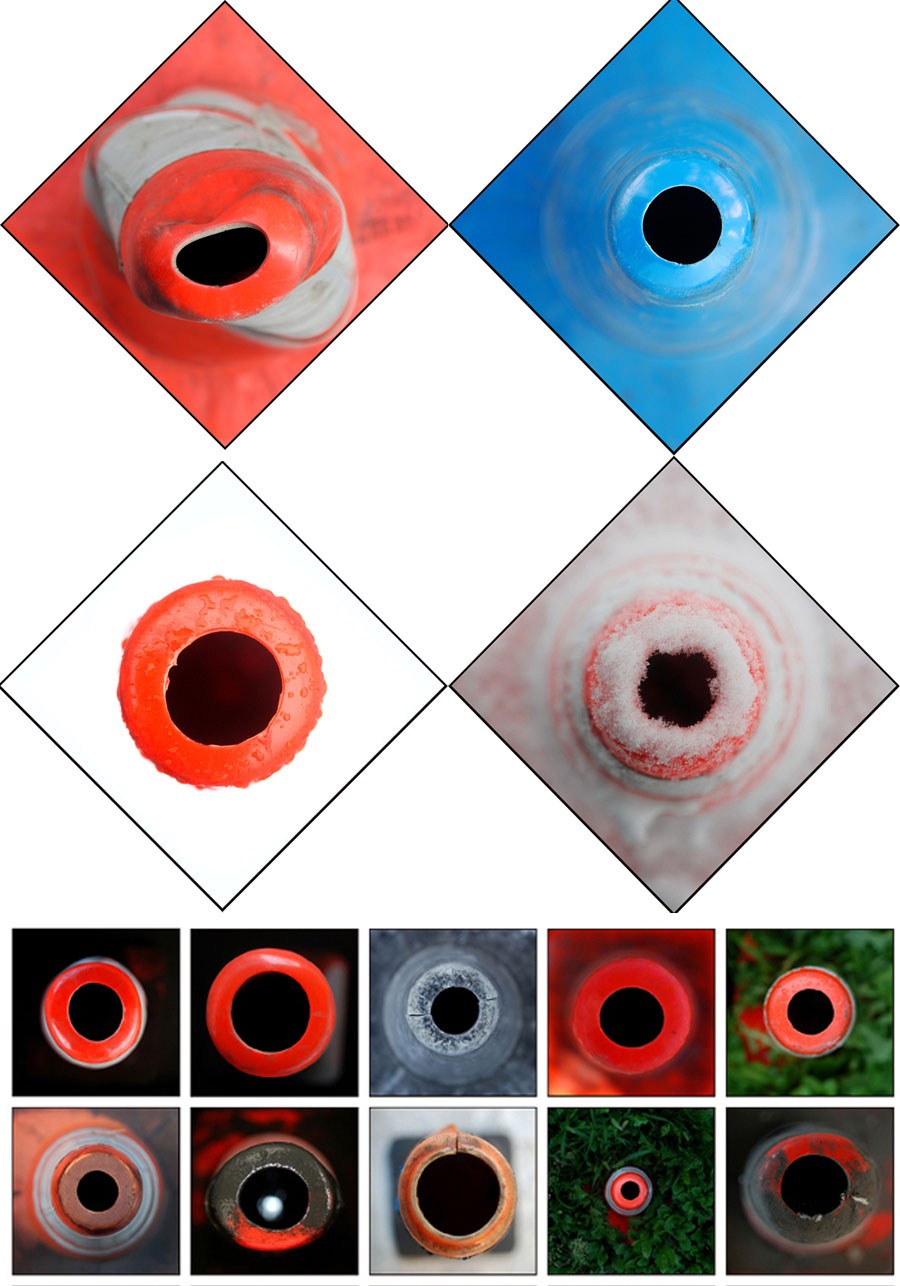
Koan Grids, Peter Emerick, Photographs of traffic cones, traffic cone art, collabcubedKoan Grids, Peter Emerick, Photographs of traffic cones, traffic cone art, collabcubedKoan Grids, Peter Emerick, Photographs of traffic cones, traffic cone art, collabcubedKoan Grids, Peter Emerick, Photographs of traffic cones, traffic cone art, collabcubedClick to enlarge

New Jersey based artist Peter Emerick has been photographing traffic cones for several years. His Koans series encompass grids and single photos of all kinds of traffic cones photographed from a birds eye view. They are surprisingly varied and that particular angle offers up interesting abstractions of the ubiquitous object.

Emerick, together with artist Erik Sanner—who is also fascinated by traffic cones and includes them in his artwork, as well as apparently having given East Village Traffic Cone Viewing Tours a couple of years back—are putting together The Traffic Cone Occasional and are looking for artists who create art with traffic cones. If you are one such artist, you can contact them via one of their websites, here or here.

For more traffic cone art, see our previous post here.

Roof Top Lights

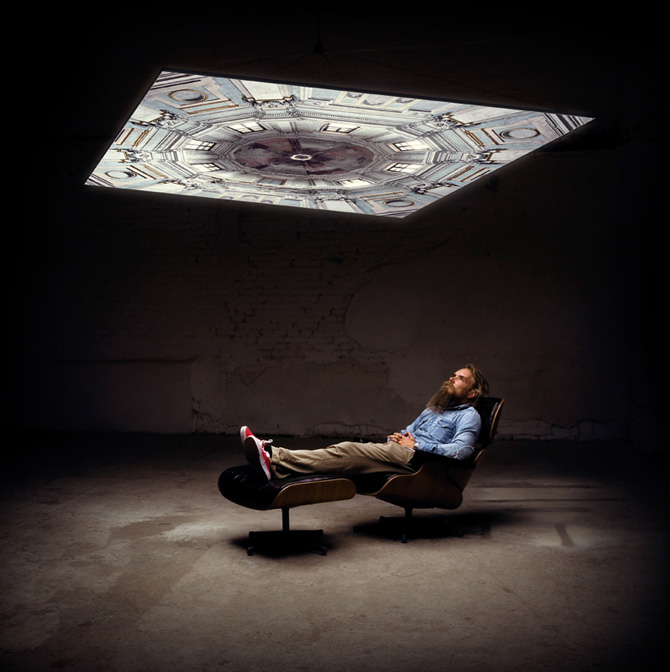
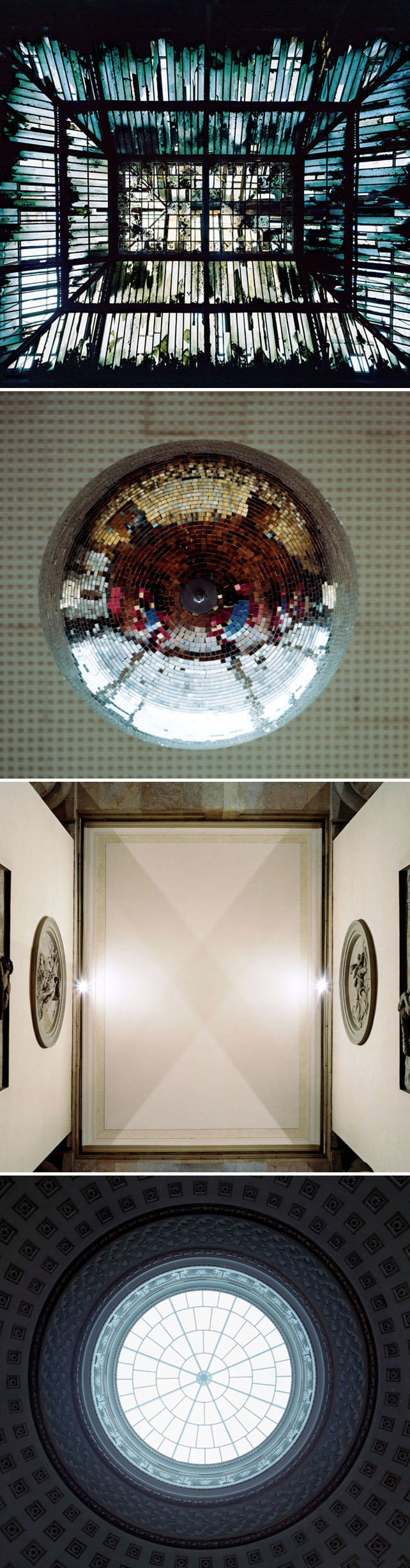
ceiling light, projected photo, illuminated photo of church dome, skylight, disco ballceiling light, projected photo, illuminated photo of church dome, skylight, disco ballceiling light, projected photo, illuminated photo of church dome, skylight, disco ballThis is such a clever idea, especially ideal for the many dark New York City apartments out there. Roof Top Lights, by Lightboys, are large-format illuminated photographs mounted on an ultra-thin housing that contains LEDs. Suddenly, you not only have an overhead light, but a skylight or church dome or treetops, even a disco ball, right over your head, as well! To quote their website “These are images which not only open up rooms, but also hearts and minds…”

Lightboys also make Lightwalls and Polaboys (backlit large-scale photos with the look of a Polaroid).

Very cool, if a bit pricey.

via bb

Will Nolan: Everything is Melting

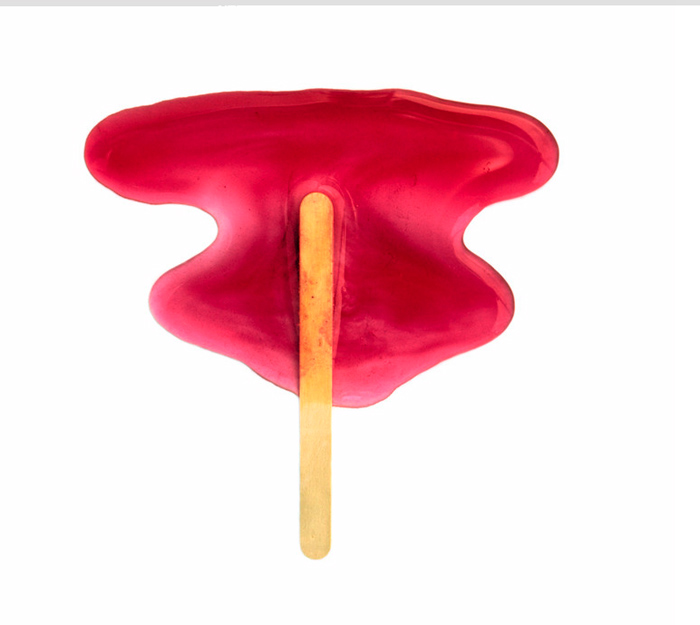
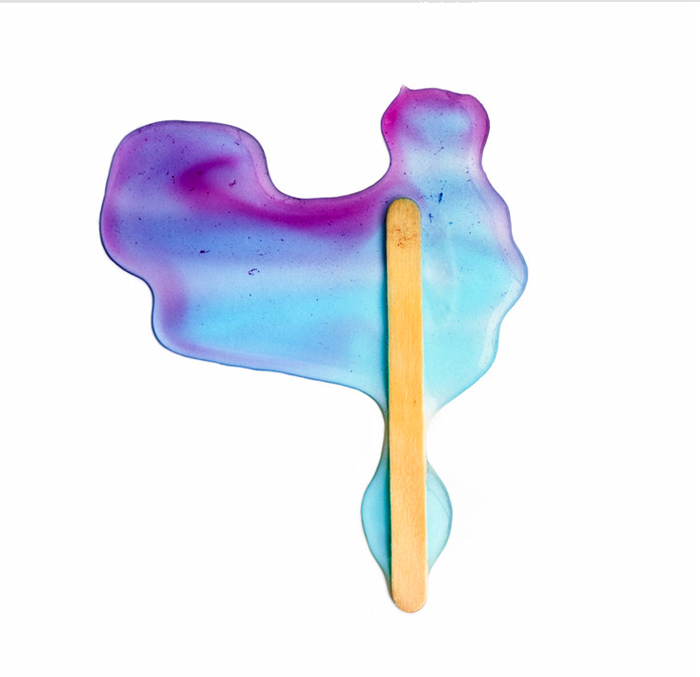
Contemporary photography, popsicles, melting, australian contemporary artContemporary photography, popsicles, melting, australian contemporary artContemporary photography, popsicles, melting, australian contemporary artI find this series of photos, titled Everything is Melting, by Australian artist Will Nolan quite lovely. Nolan likes to explore the impermanent nature of found objects, in this case: melting ice blocks or popsicles.

From the exhibit catalogue:
“Everything is Melting, and its depiction of melting iceblocks, evokes the nostalgic memory of childhood but remains as a quiet reminder of the inescapable future of decay and death. The work explores the essence of transformation, harking back to the various incarnations of the evertold allegory of death and rebirth…

via saatchionline