
 Click to enlarge.
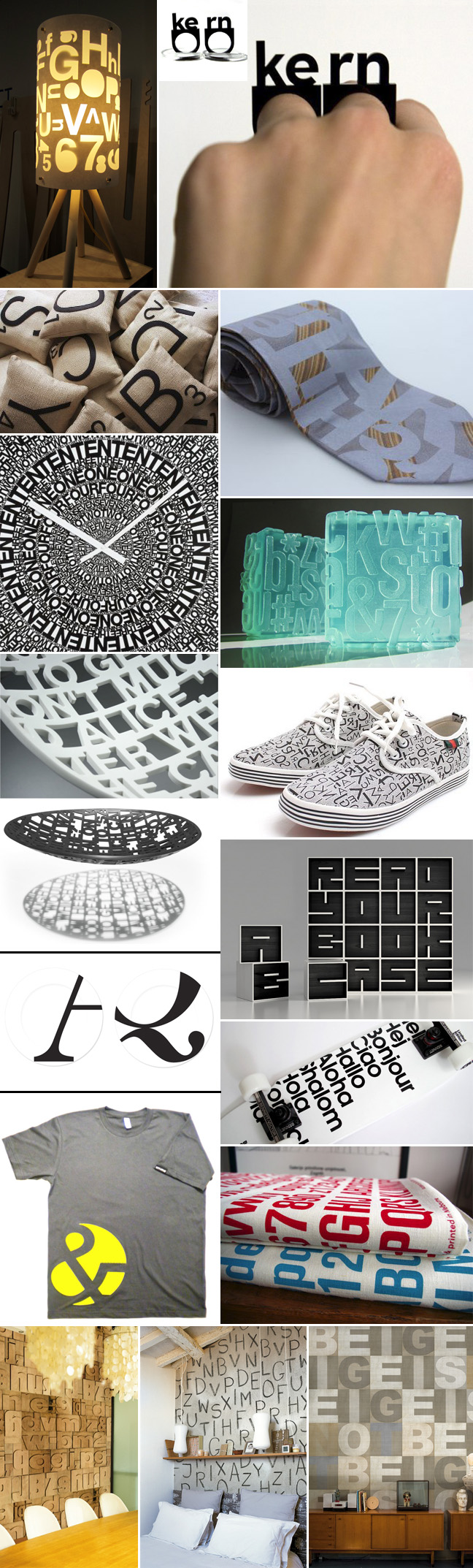
After the first roundup of objects that utilize typography, I’ve come across several more items, so here is a second roundup of typographied objects:
 Click to enlarge.
After the first roundup of objects that utilize typography, I’ve come across several more items, so here is a second roundup of typographied objects:
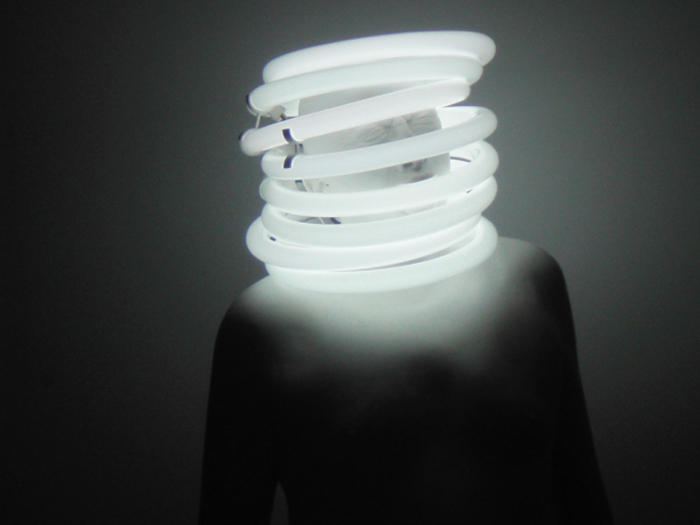
 Bernardi Roig’s white sculptures—casts of real people—are typically blinded or encumbered by light. Obsessed with death, immortality, and human desire, Roig’s solitary men are a bit disturbing and sad, but intriguing at the same time.
 Click to enlarge
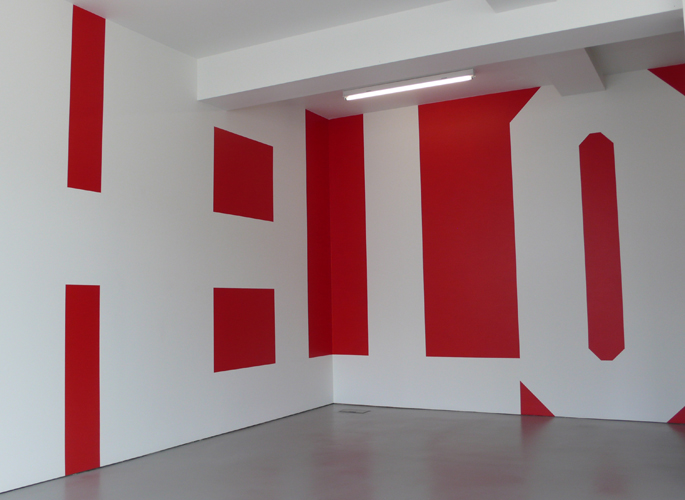
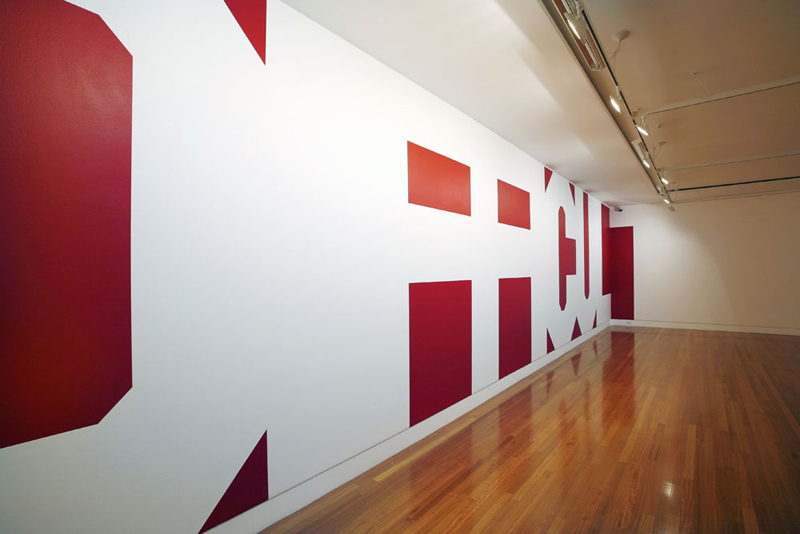
Australian artist Rose Nolan has been painting words onto walls, pennants, banners, and cardboard for 20 years. Her work is playful and oscillates between confident and self-deprecating, as well as bold and humble. Some seem to refer to herself and her reflections on what is art and what it is to be an artist.
Being a fan of type and especially large, bold type on a wall, this work is right up my alley. The red, Constructivist style only adds to its appeal, though I have to admit that the pennants and their humorous statements are also pretty great.

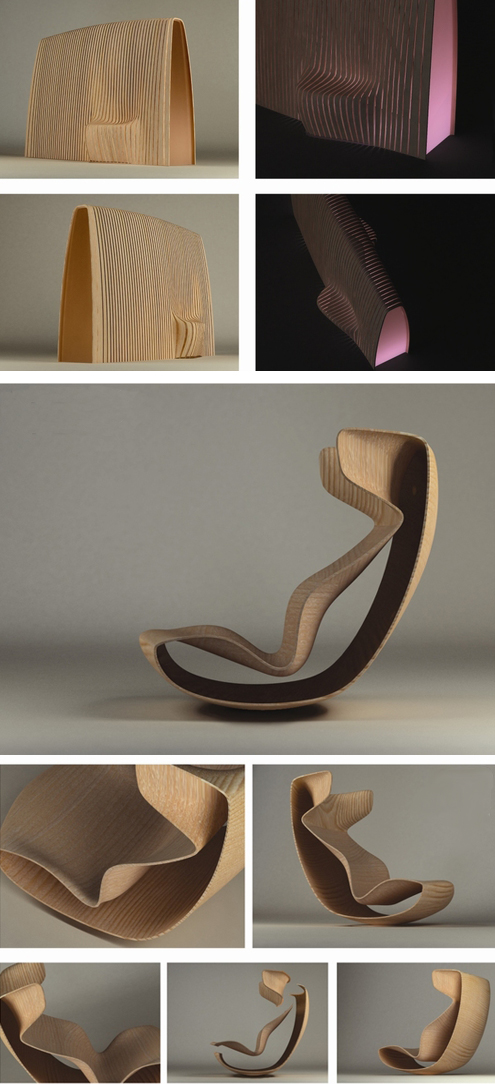 Diego Gutierrez Hermosillo is an industrial designer with several nice pieces in his portfolio. Two of these are the Zebra room divider and the Uno lounge chair. Both designed to be sculpted in wood.
 Click images to enlarge
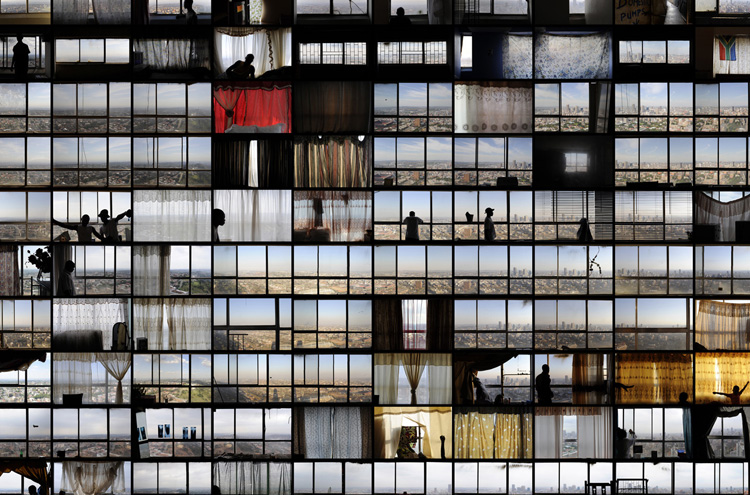
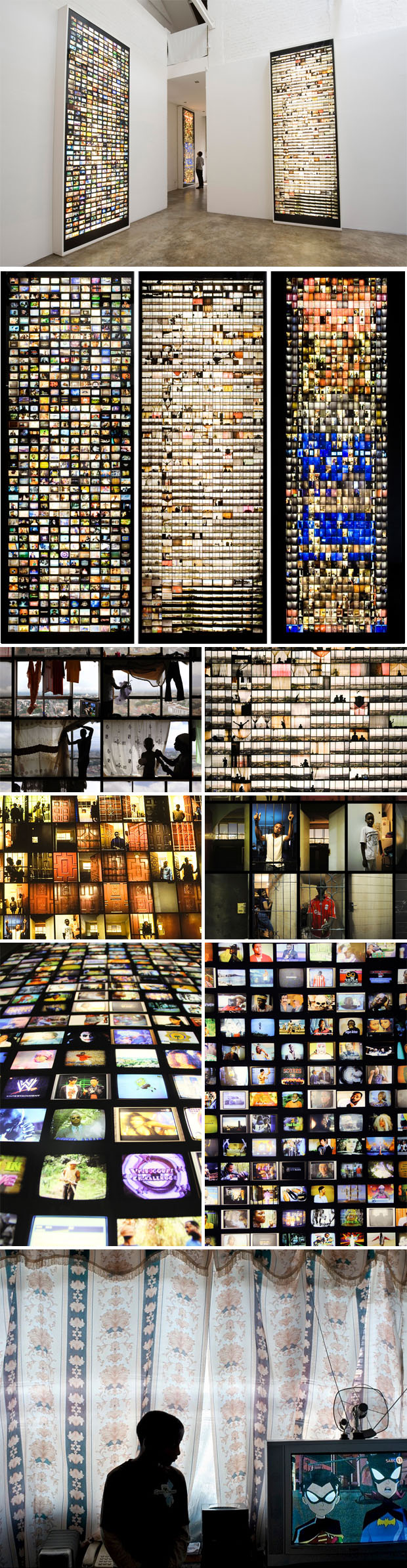
As Wikipedia will tell you, Ponte City is a 54-story cylindrical building, the tallest residential skyscraper in Africa, set in the Hillbrow neighborhood of Johannesburg, South Africa and built in 1975. At the time it was an extremely desirable address due to its views. Starting in the late 80s and into the 90s gang activity in and around the building caused the crime rate to soar in the tower as well as the rest of the neighborhood. Ponte City became symbolic of the crime and urban decay taking over the area.
Enter Mikhael Subotzky and Patrick Waterhouse (finally). Together they collaborated (from 2008-2010) on a series of photographic tableaux in the form of contact sheets on lightboxes, depicting the life at Ponte City titled: Ponte City. The three panels are broken down by theme: doors, windows and TVs. Though I like all three, and the individual photos are all very striking, I find the Windows series particularly interesting and beautiful. Maybe in part because it looks most like a traditional building façade in its light box—which isn’t necessarily important, since the abstraction is interesting—or maybe it’s the openness and the light that I’m drawn to, but also, individually the photos are “windows” into the tenants’ lives, where we can see a bit of the apartment along with personal decor and artifacts.
via Goodman Gallery

 Zebra adds his stripes around Spain. Also behind the previously posted about Tiritas Malditas.
See more on his blog.

 Italian artist Carlo Bernardini has been working with optic fiber since 1996. He creates light sculptures or, more precisely, spatial drawings using optical fibers and in a sense sculpts the darkness, reconfiguring the space with his light architecture.
He currently has an exhibit at MACRO in Rome called The Corner’s Revenge appearing in the elevator shafts of the building, on different floors, in his trademark style of spatial light drawing.
Bernardini’s work has also appeared at the Milan Trienniale, the Naples Quadriennale, as well as at the Palazzo Bertalazone in Torino, and Domaquarèe, Berlin, just to name a few in the past couple of years.
You can see more of Carlo Bernardini’s work at his site, as well as here, and in these two flickr photostreams: here and here.

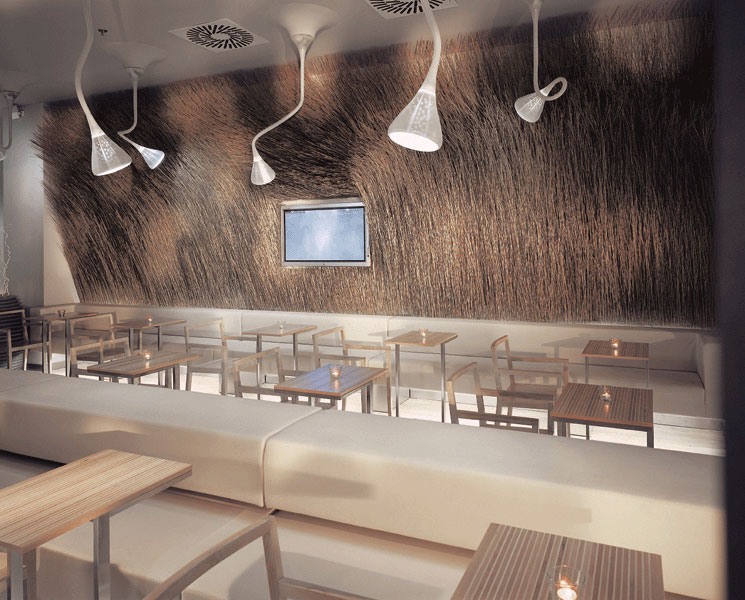
 Click to enlarge
Led by architect-designer Barbora Skorpilova since 2001, Mimolimit is an architecture and interior design firm based in Prague. I really enjoyed viewing all the projects on their site. From cafés and restaurants to residential and office buildings, all their projects have a funky quality to them, combining different materials to create interesting textures and contrasts. Many of the projects have a mod look to them, but the color palettes range from bright colors to muted ones and all equally successfully. Above are but a few of Mimolimit’s cafés and commercial spaces. If you like what you see, be sure to check out their site for more.
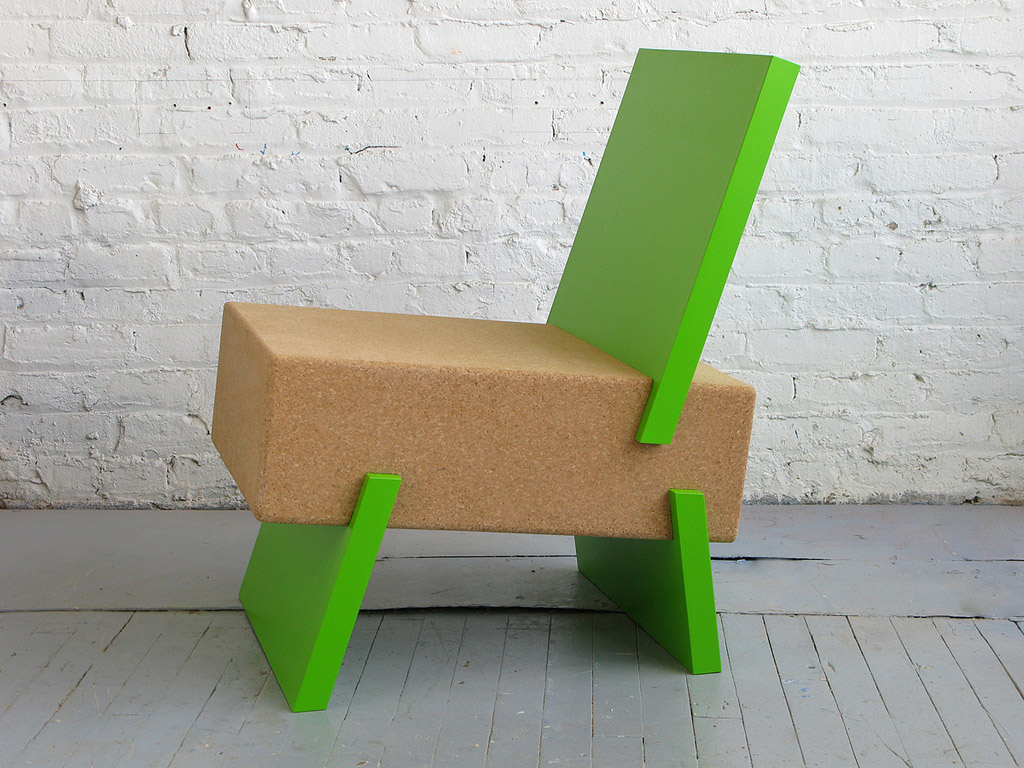
 We’ve been noticing DMFD’s (Daniel Michalik Furniture Design) fun cork furniture and tableware designs since NY Design Week a few months back, but we were reminded again when we popped by the Makers Market last weekend (love that logo and really wanted one of the worker’s t-shirts, but, alas, they were not for sale) at Socrates Sculpture Park. DMFD’s pieces really stood out with their bold colors and fun shapes. And though we didn’t lie down on the cork chaise longue, it did look quite striking on the park’s lawn.
You can see more DMFD work on the website.

 CollabCubed