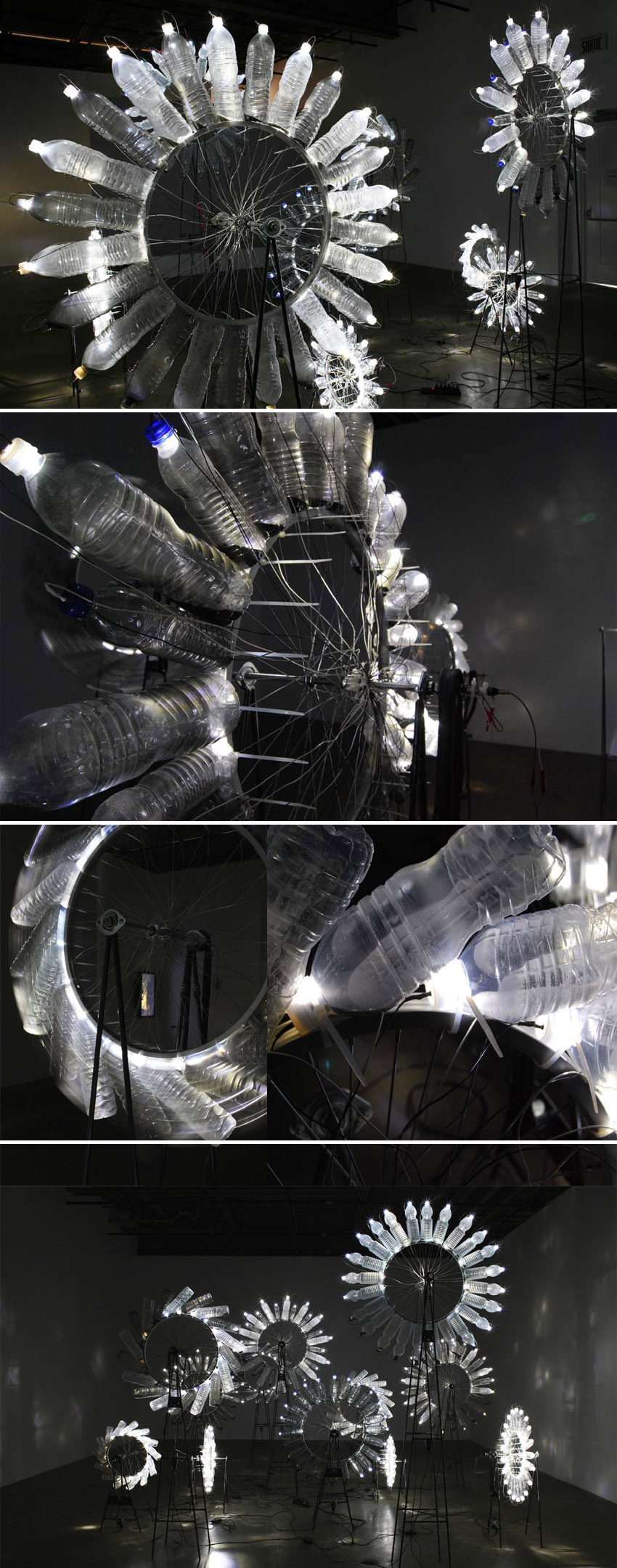
Diane Landry: Knight of Infinite Resignation

water bottle art, light, motion, installation, cool, Landry, Knight of Infinite Resignationwater bottle art, light, motion, installation, cool, Landry, Diane Landry lives and works in Quebec. Many of her works call attention to the threat on the earth’s clean water supply. In her sound and automation installation Knight of the Infinite Resignation, the 237 bottles used are filled with sand making the bottles dried-up and sterile, at the same time acting as hour glasses. There are allusions to the 12 hours in a day and 12 months in the year, as well as windmills and stars.

From the artist’s site:
The short-sightedness of human management of natural resources is made pitifully obvious by the work’s evocation of cosmic time, in comparison with which the human lifespan and even the existence of the species seem simply irrelevant. And there is something terrifying about this assemblage, which is so cold and serene, so unperturbed by the viewer’s presence.

via asiapacific

Naoko Serino: Soft Sculpture

Jute, textile, soft sculpture, Japan society, naoko serino Jute, textile, soft sculpture, Japan society, naoko serinoJute, textile, soft sculpture, Japan society, naoko serinoClick to enlarge

Right now through mid-December there’s an intriguing exhibit at the Japan Society, here in New York, called Fiber Futures: Japan’s Textile Pioneers. I’ve yet to see the show, but the images look very interesting; not your average textile design.

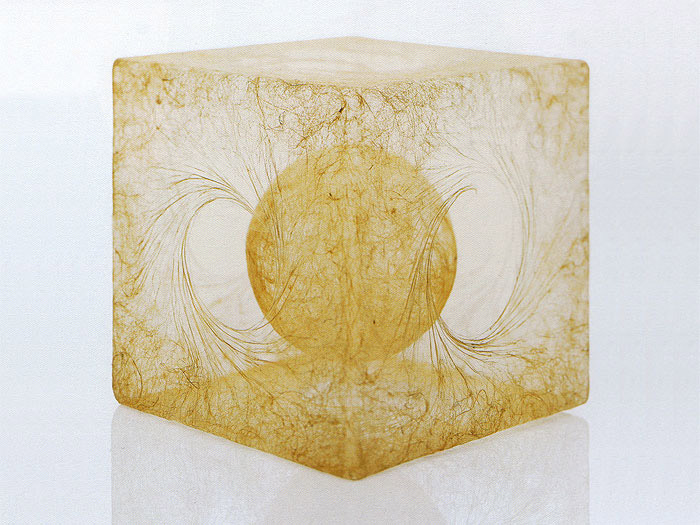
One of the artists featured in the show is Naoko Serino whose soft sculptures are quite impressive. She describes her work as fiber art: three-dimensional expression using jute that contains light and air. Some of her works are small individual pieces, while others are large-scale installations. It all looks delicate yet has an imposing presence.

You can see Serino’s installation Generating–8 (third and fourth images down from top) at the Japan Society through December 18, 2011, along with the work of several other Japanese textile pioneers.

via the Japan Society, via my mom

Peter Kogler: Spatial Illusion

light projection art, installation, dirimart, graphic patternslight projection art, installation, dirimart, graphic patternslight projection mapping, cool installation art, graphic patternsClick to enlarge
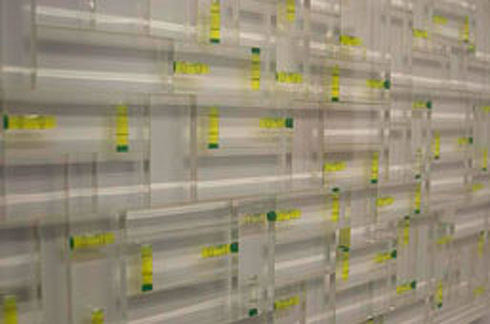
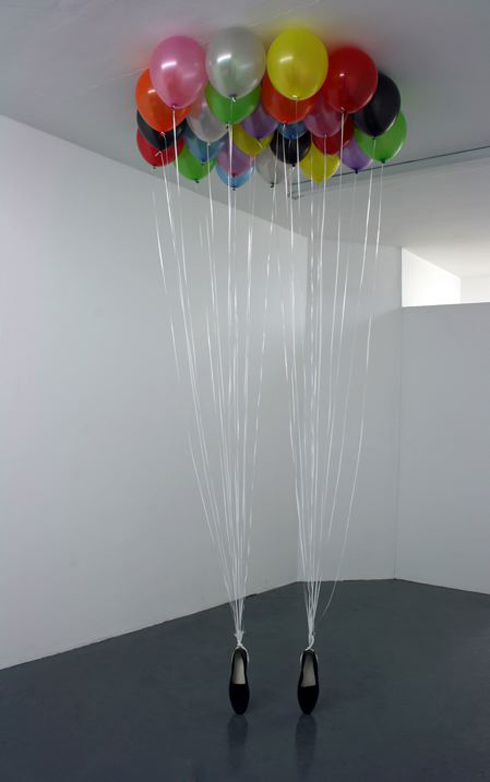
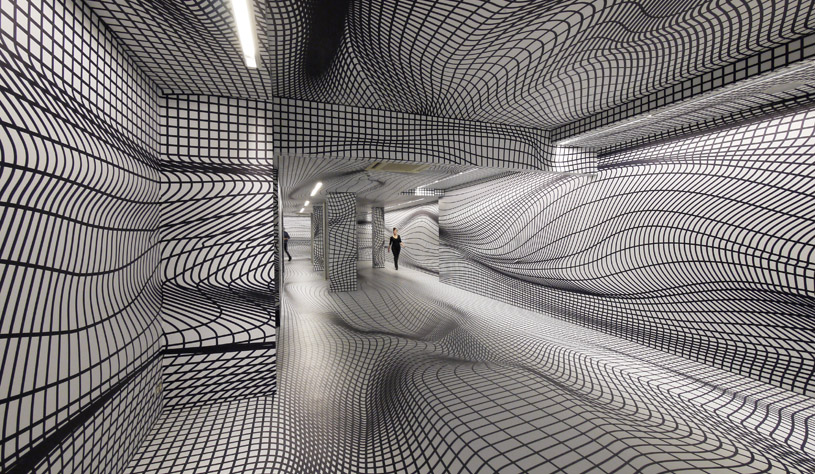
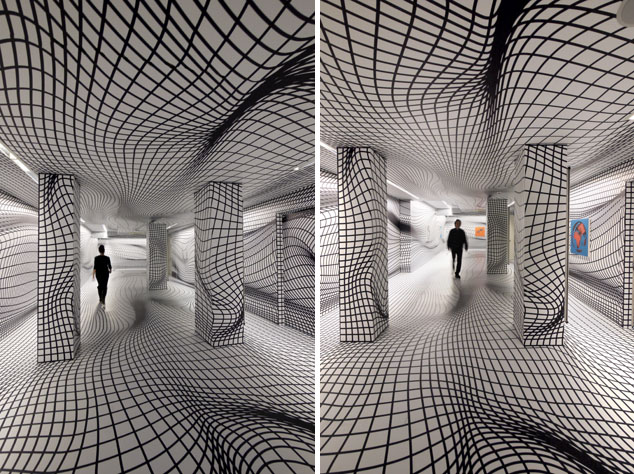
Clearly, one doesn’t necessarily need Upside Down Goggles or a Psycho Tank à la Carsten Höller to experience a trippy effect through art. Austrian artist Peter Kogler has been playing with spatial illusion since the 1980s.

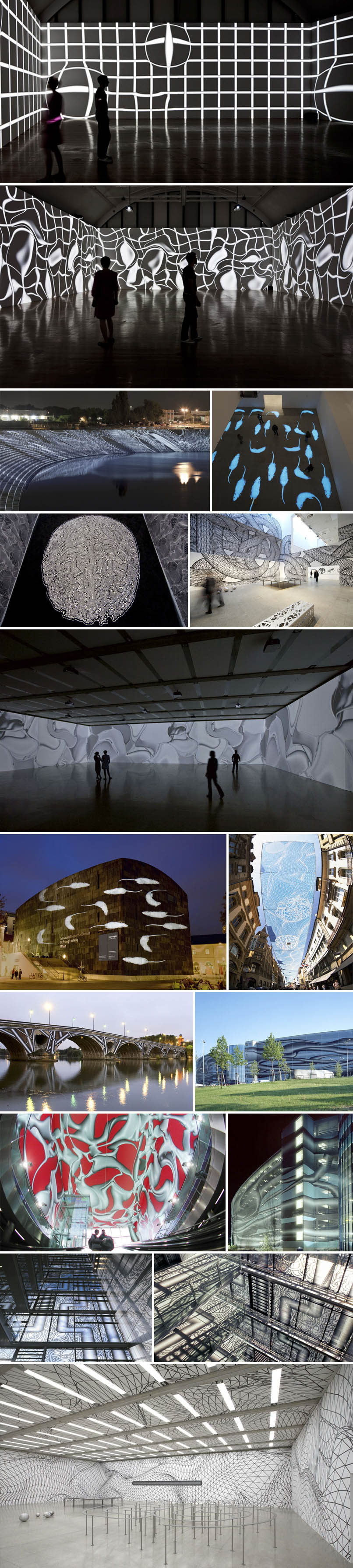
Interested in film architecture and influenced by movies from the 1920s such as The Cabinet of Dr. Caligari and Metropolis where the architecture plays a central role generating emotion from the viewer, Kogler began working with the “illusionism of space”. Initially working with small models made from cardboard, his work evolved into projections of large-scale graphic images onto walls, trying to absorb or change the actual architecture.

Personally, the rats are a tad too freaky, but the rest of it really appeals to me.

Below is a short video of one of Peter Kogler’s video installations in action.

via Dirimart

Yuya Ushida: Sofa_XXXX and Stool

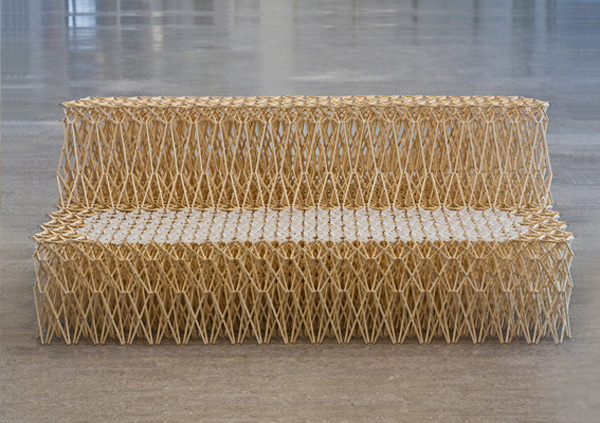
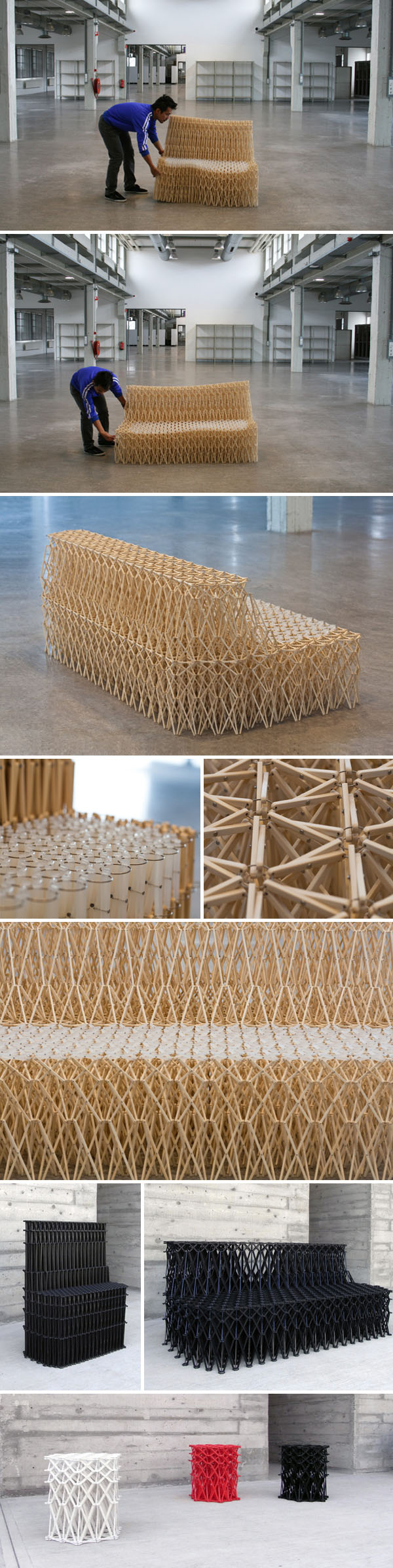
chopsticks, creative furniture, cool sofa, repurposed, chair designchopsticks, creative furniture, cool sofa, repurposed, chair designAs a design student in the Netherlands, Yuya Ushida created the original Sofa_XXXX out of 8,000 recycled bamboo sticks (think chopsticks) for his graduation project in 2010. The expandable and contractible chair/sofa has since been produced using components that are injection-moulded from recycled plastic bottles and available in black or white. This version, available through Royal Ahrend is called XXXX_Sofa. Ushida has also come out with a stool version that only uses 600 parts and comes in a kit, not surprisingly named XXXX_Stool.

I don’t know, but even putting a mere 600 parts together seems like a bit of a challenge…

via the chair blog

The Tidy Street Project

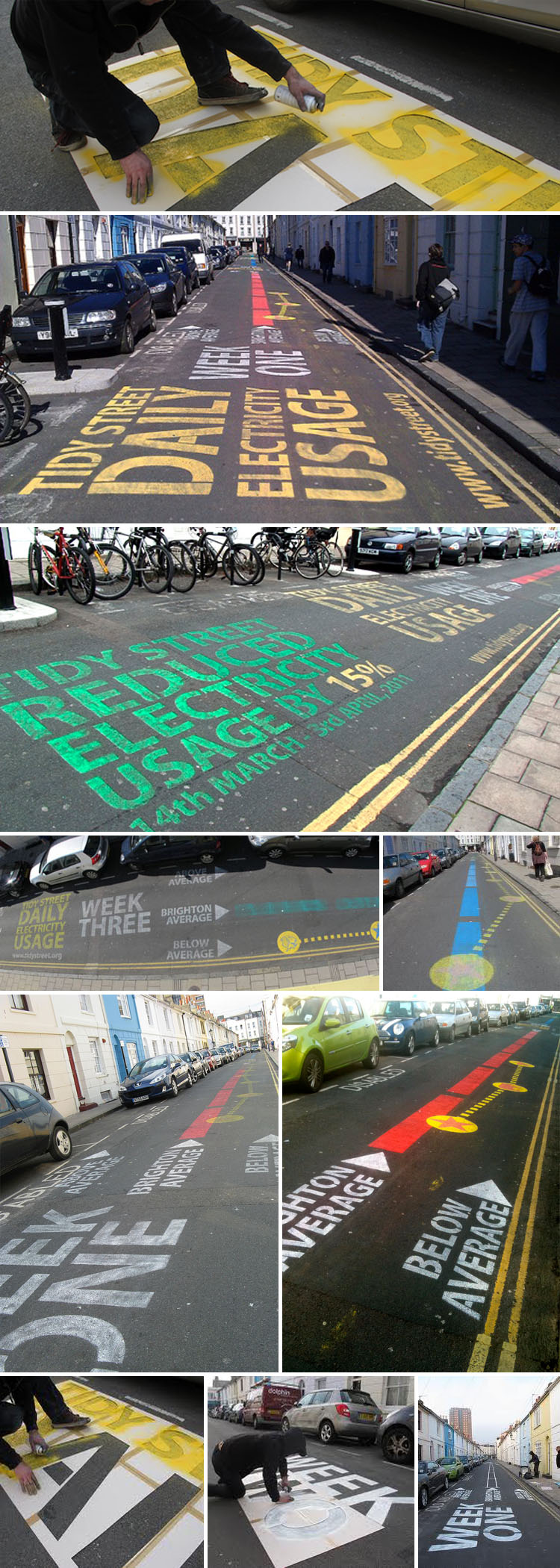
Energy consumption, info graphic, street art, Urbanized the filmEnergy consumption, info graphic, street art, Urbanized the filmClick to enlarge

I went to see the new documentary Urbanized—the third film in Gary Hustwit’s trilogy starting with Helvetica and followed by Objectified—which looks at city planning issues and stresses the importance of intelligent urban design for the immediate future when 75% of the population is estimated to inhabit cities by 2050. It’s a great film and I highly recommend it. There’s a lot more that could be said about the film, but instead I wanted to share a project that was featured and relates more to art, design, and typography: The Tidy Street Project.

During March and April 2011, participating households on Tidy Street, in Brighton, UK, recorded their electricity consumption. Each day the participants’ electricity usage over the previous 24 hours was marked; and each week participants could choose to add another comparison line that showed how their electricity consumption compared to another region in the UK or even a different country. The residents, in collaboration with the local graffiti artist Snub, produced an engaging street infographic that stimulated the street and passersby to reflect on their electricity use. In Urbanized, several of the participants are interviewed as well as the project creator, Jon Bird from Open University. It was interesting to see the enthusiasm in the project and how the tenants were made aware of which appliances used the most electricity as well as a general awareness on how to lower their consumption, resulting in a 15% usage reduction.

Definitely a fun way to get people involved and interested.

The Tidy Street Project is part of CHANGE, an EPSRC funded research collaboration between The Open University, Goldsmiths, Sussex University and Nottingham University.

Photos courtesy of The Tidy Street Project, Sare, thelastretort’s flickr, Kevan’s flickr, and boxman’s flickr.

Patrick Guns: Sculpture

Sculpture, large, Belgian art, My Own Private HeroSculpture, large, Belgian art, My Own Private Hero, The Fading of Colours, SurpriseClick to enlarge

Patrick Guns is an artist who lives and works in Brussels. In addition to working as a sculptor, he works in photography, illustration and painting.

There’s a heaviness to these sculptures, both physical and emotional. Their toy-like cuteness is betrayed by their size and actions.

From top to bottom:
My Own Private Hero (4 top images); The Fading of Colours; Têtes de Nègre; Surprise! (less milk, more cocoa); Himmelblau.

You can see more of Patrick Guns work here and here.

Liliana Porter: Objects & Installations

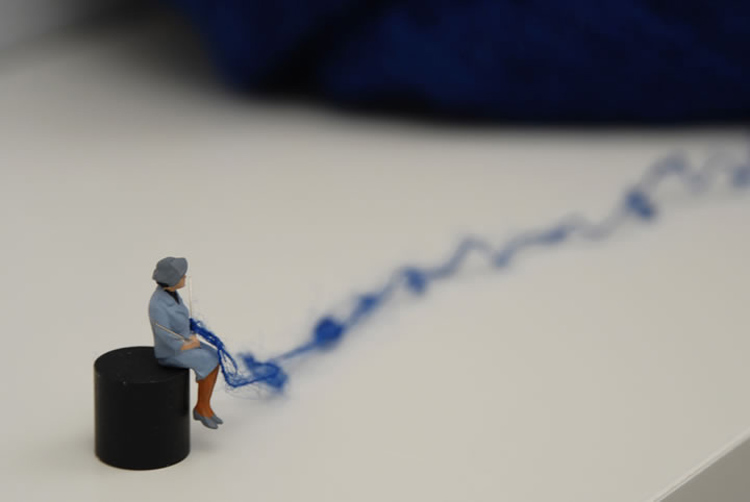
miniatures, contemporary art, objects, installation, knitting, collabcubedminiatures, contemporary art, objects, installation, knitting, collabcubedminiatures, contemporary art, objects, humor, installation, collabcubedClick to enlarge

My parents have had a Liliana Porter print/collage on one of their living room walls for close to 30 years. It may, at times, have been on a different wall or maybe even in a different room, but it’s been in their apartment for a long time. I’ve always been more intrigued by the background of how that print ended up in their possession than the print itself, not because I dislike the print, I don’t, but because I’ve always found it curious how Argentineans who immigrated to New York in the 60s all seem to know each other, even if indirectly. They are all friends of friends, or cousins of friends, or went to the same university, or frequented the same café. I don’t remember the exact connection here, but I believe it involved a friend of a friend inviting them to a small art show.

Recently, I came across the image of the miniature man hammering a seemingly huge nail and it made me smile. Upon checking who the artist was, I was pleasantly surprised to recognize Liliana Porter’s name. Visiting her site revealed this collection of objects & installations. I love them. They’re charming and humorous, and maybe it’s just me, but I find them a little touching. Though these are new to me, clearly it’s not the case for many others. Porter’s work is included in numerous museum collections including the TATE, MoMA and Met.

To see many more of these miniature installations, as well as the rest of Liliana Porter’s work including prints, collages, photographs, video and public art, be sure to visit her website.

via la maquina en el museo

J. Mayer H.: Rapport

Berlin, J. Mayer H. Installation, Berlinishe Galerie, collabcubedBerlin, J. Mayer H. Installation, Berlinishe Galerie, collabcubedClick to enlarge

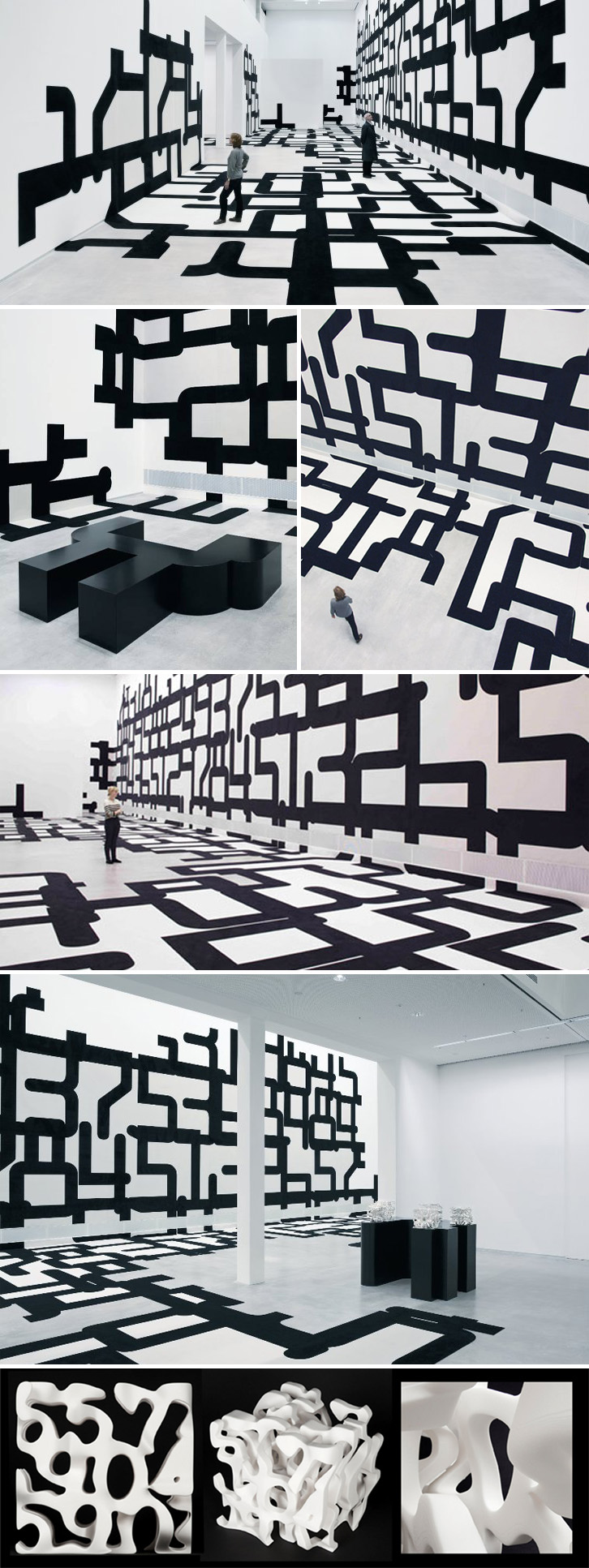
The German architectural firm J. MAYER H., founded by Juergen Mayer H., has designed an installation for the Berlinische Galerie titled Rapport: Experiments with Spatial Structure. Data security patterns have been printed in an unimaginably large point size on carpeting which adorns both the floor and walls of the museum’s 10-meter high entrance hall. The large, somewhat abstract shapes created by the oversized numbers, results in a flickering impression and transforms the rigid white cube into a playful scenario negating its strict geometry.

The word “Rapport” has multiple interpretations and is meant to be ambiguous.

From the architects:
As a specialist German-language term from textile manufacturing, it refers to the serial pattern of the installation. On the other hand, in the military field the term “Rapport” means a “dispatch”, while in psychology it describes a human relationship in which those involved convey something to the others. In this sense it also refers to the starting material of the installation: data security patterns, which are used, for example, on the inside of envelopes. In this case, they stand for confidential communication between two parties.

The installation will be up through April 9, 2012 at the Berlinische Galerie, in Berlin, of course.

via city vision

Alfabeto Graffiti: Graffiti Alphabet

graffiti alphabet, type, street art, art book, collabcubedgraffiti alphabet, type, street art, art book, collabcubedalfabeto graffiti, street art, typography, alphabetClick to enlarge

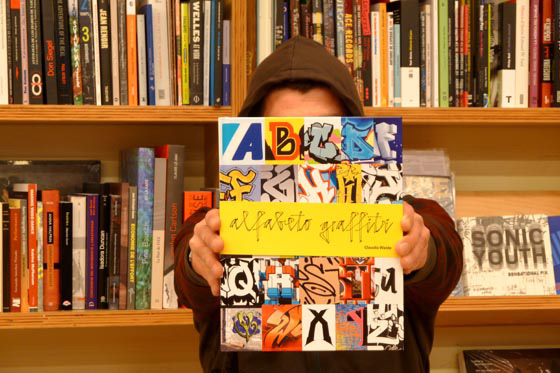
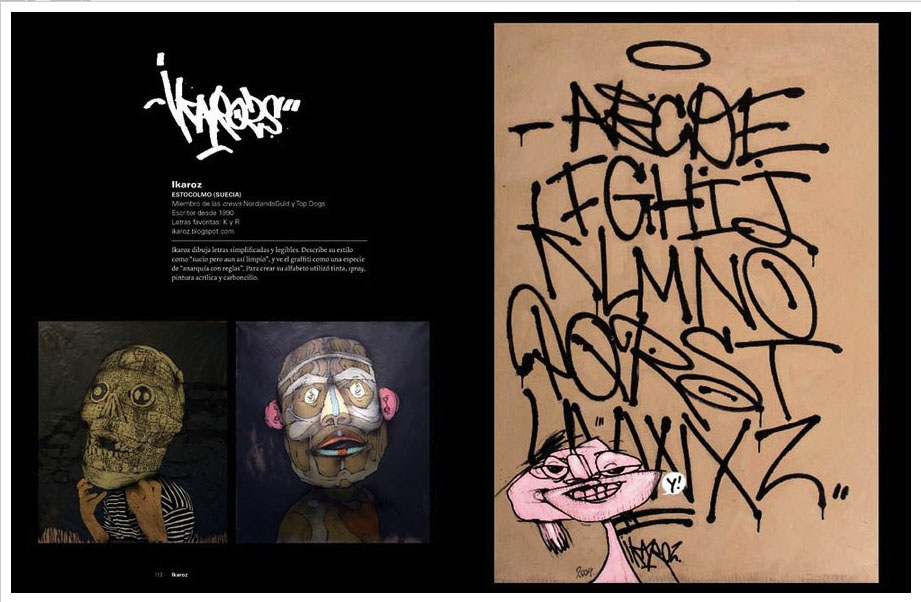
Attention type lovers and street art aficionados: this may be just the book for you. Claudia Walde, author of Alfabeto Graffiti, spent over two years collecting alphabets by 154 street artists from 30 countries. The brief given to each artist was to “design all 26 letters of the Latin alphabet within the limits of a single page of the book.” The result: Alfabeto Graffiti.

Though I haven’t seen the actual book, the spreads on the publisher’s page look like the perfect combination of street art photos and fun (complementing) typography.

via Editoral Gustavo Gil and available here. 319 pages with text in Spanish.

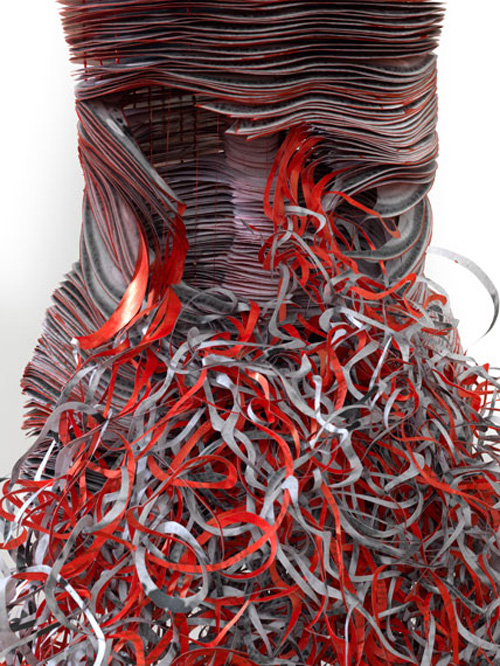
Marilene Oliver: Medical Imaging Sculpture

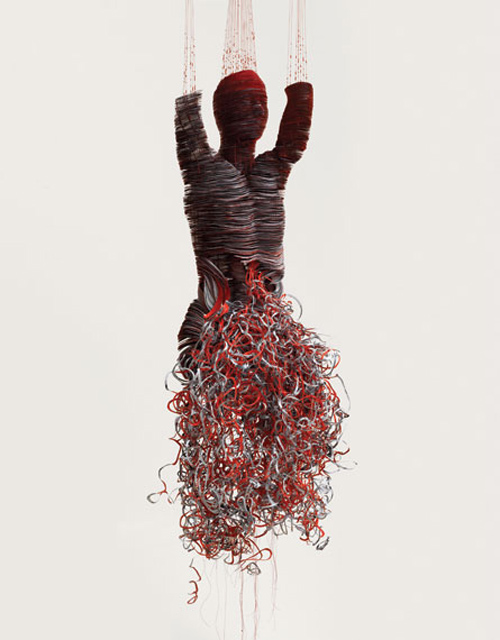
medical imaging sculpture, talking wounds, political sculpturemedical imaging sculpture, talking wounds, political sculpturemedical imaging sculpture, talking wounds, political sculptureBrazilian artist Marilene Oliver uses medical imaging (MRI and CT scans) to create sculpture. Concerned with the human condition in a digitized world – medical imaging fragments the body, genetics become code, interactions have been reduced to email and texts: digital media breaks the body down into bytes — Oliver uses her art as a way to reclaim the body.

In her work, Oliver experiments with the power of a wound, scar, and dissection to bring forth political issues. She works with materials that range from laser-cut acrylic, to foam rubber, to shredded cardstock.

Photos courtesy of the artist and Beaux Arts Gallery.

via the future can wait

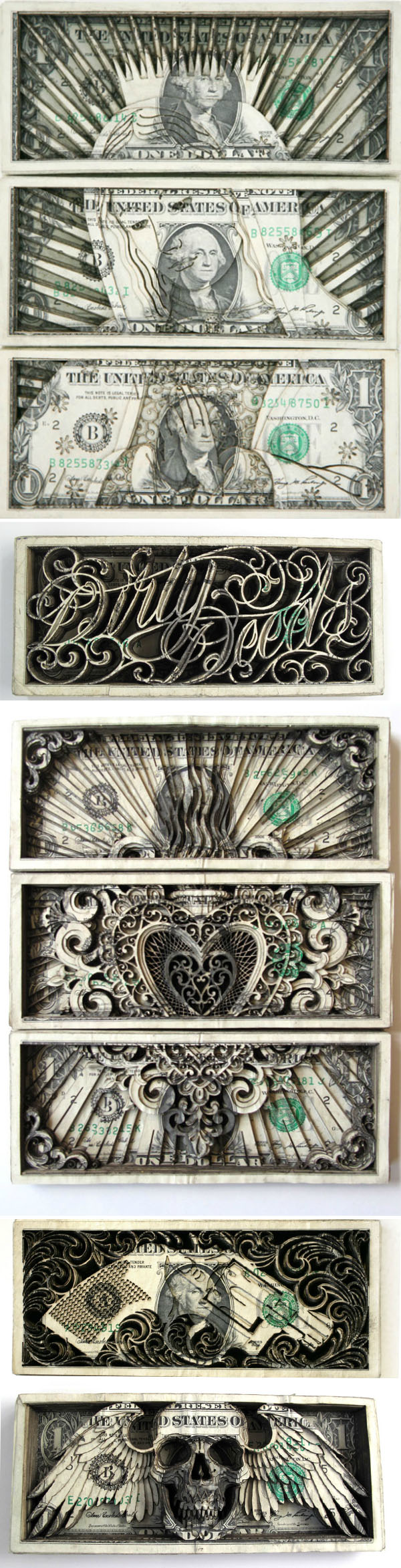
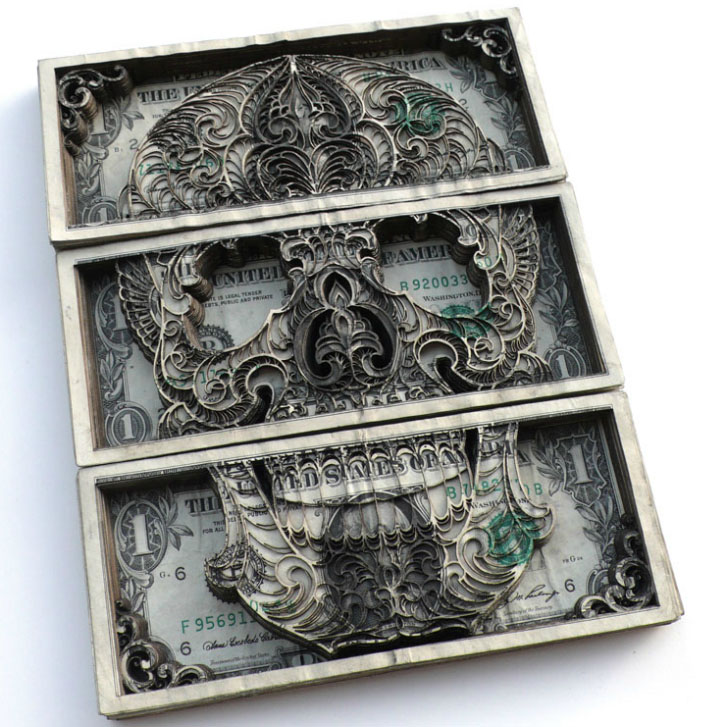
Scott Campbell: Cut Currency

Currency art, tattoo art, skulls, dollarsCurrency art, tattoo art, skulls, dollarsCurrency art, tattoo art, skulls, dollarsClick to enlarge

Originally from New Orleans, but now living and working in New York, Scott Campbell studies and chronicles working-class iconography commonly found in tattoo culture. His work highlights the irony within much of that imagery.

In Campbell’s cut currency works, he sources uncut sheets of dollars directly from the U.S. Mint and creates intricate sculpture-like pieces with a sunken relief effect by laser cutting the stacks of bills.

You can see more of Scott Campbell’s work on his site as well as schedule an appointment for a tattoo.

Thanks Rachael!

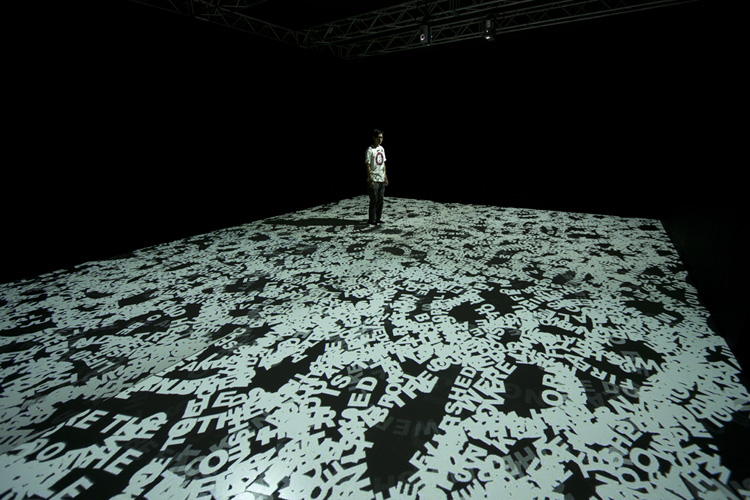
Tsang Kin-Wah: The Seven Seals

Dynamic projected type installations, Mori Art MuseumDynamic projected type installations, Mori Art MuseumClick to enlarge

Oh yes, this is right up my alley. Hong Kong based artist Tsang Kin-Wah incorporates text and type to create dynamic installations. From painted floral-like wall patterns that upon closer inspection are made up of letters and Chinese characters, to his ongoing video installation series titled The Seven Seals, Kin-Wah envelops the viewer in type. The texts formed by that type pose questions on existence drawing from biblical, political and philosophical writings, in many cases meant to provoke a range of feelings from the spectator reminding us of issues like war, terrorism, revolution, death, murder, suicide, self-denial, etc.

Presently the latest installation in The Seven Seals, The Fifth Seal – HE Shall Deliver You Up To Be Afflicted And Killed As HE Was, is being shown at the Mori Art Museum in Tokyo through January 15, 2012.

via Mori Art Museum

Flow by Carlo Viscione

installation, Heathrow Terminal 5, contemporary art, Boarding Passinstallation, Heathrow Terminal 5, contemporary art, Boarding Pass

Click on images to enlarge

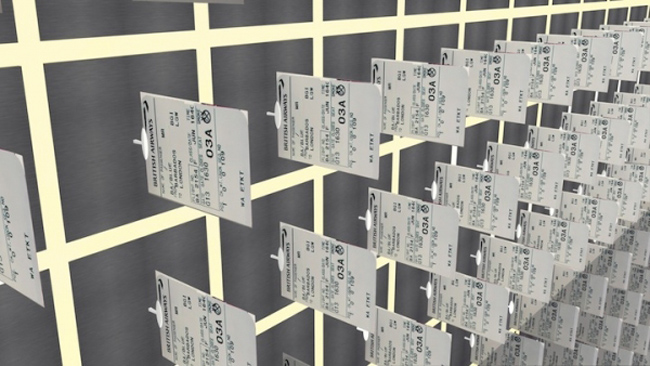
London based spatial designer Carlo Viscione proposed a design, in collaboration with Amy Harris, for an interactive installation, titled Flow, to be placed in Terminal 5 at Heathrow airport. Made up of 4,000 ‘pixels’ measuring 10 sq cm each with a discarded boarding pass ticket stub protruding from the center of each square, the responsive wall reacts to the movement of passers-by. Triggered by ultra-sonic sensors hidden in the ceiling, the installation creates flowing motion by moving the ticket stubs in a synchronized movement across the wall.

From the artist:
The idle state represents a coral reef movement; flow swinging softly left and right. When people are passing by, it reacts to speed, group size and proximity and tracks the people along the 20m length of the installation. The computer assessing the information triggers different algorithms that create different responses to the people passing – from a simple wave to repeating patterns.

We hoped that this little intervention creates a little smile on people’s faces and creates an experience that positively links back to visiting London.

Watch the video above for the full effect. And visit Carlo Viscione’s website to see more of his work.

Ernesto Neto: Faena Arts Center

art installation, Ernesto Neto, Buenos Aires, contemporary artart installation, Ernesto Neto, Faena Arts Center, contemporary artClick to enlarge

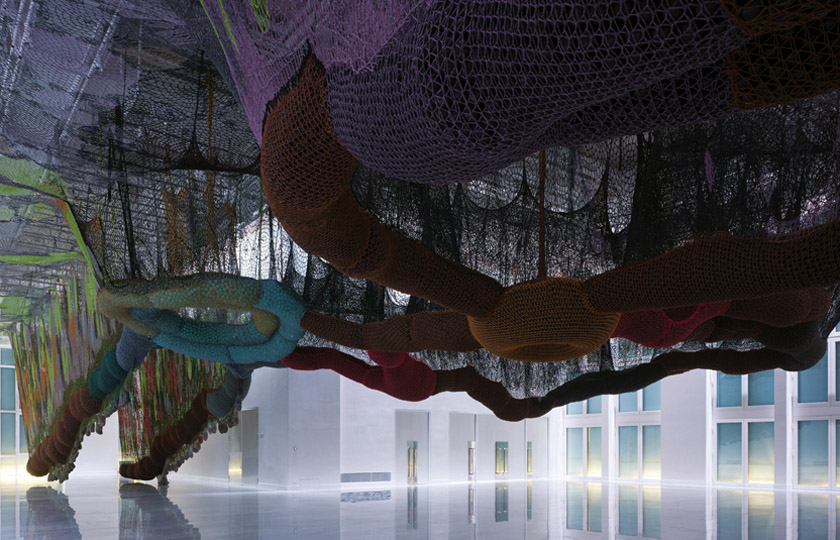
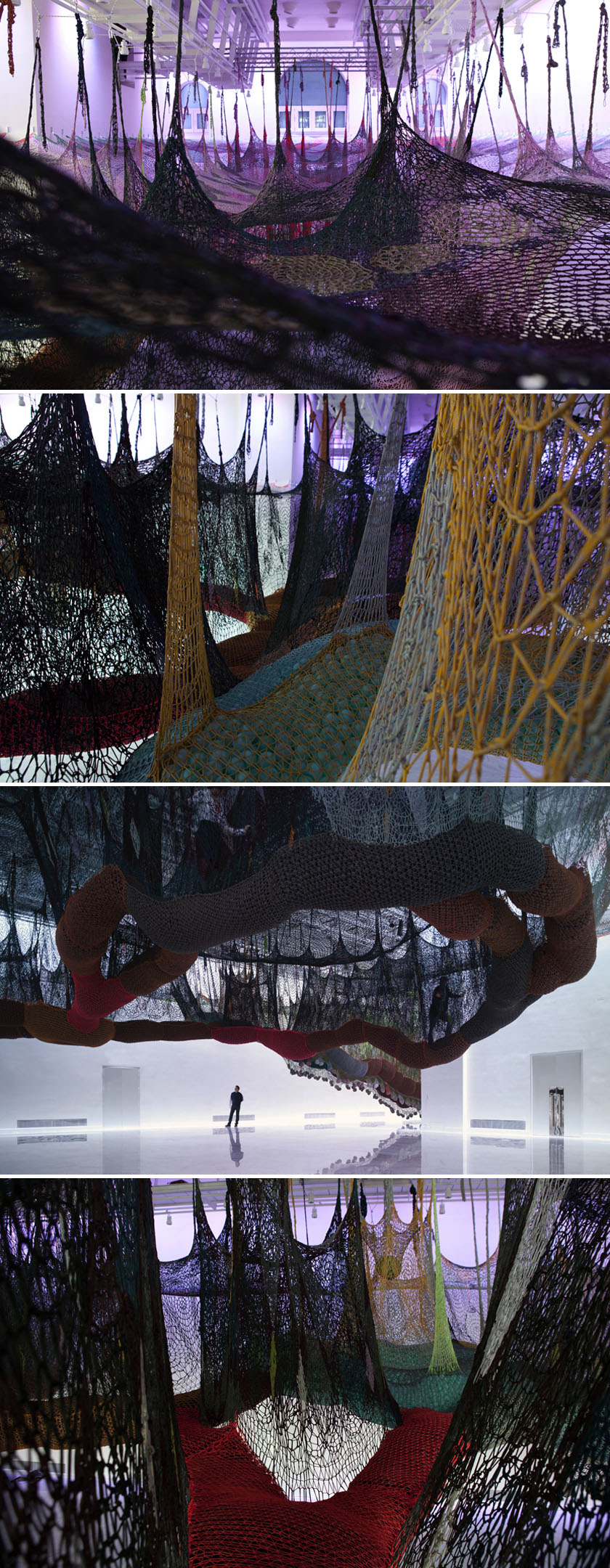
Brazilian artist Ernesto Neto creates installations placing the spectator at the center of the action, making the interaction a key part of his art. His abstract constructs often take up the whole exhibition space creating spatial labyrinths from yarn, rope, fabric and polythene foam as well as spices, such as saffron and cloves, tucked into pouches that hang down at various points. The spectator typically is invited to touch, smell and enter the space.

Neto’s current exhibit at the Faena Arts Center in Buenos Aires fits the profile perfectly. The hundred-year-old Faena Arts Center was one of the country’s first big mills producing close to a thousand tons of wheat a day. Having retained the structure’s original ceiling height, as well as its generously proportioned windows and arches, it certainly provides a spectacular setting for Neto’s latest impressive and imposing sculptural installation.

Ernesto Neto’s exhibit will be up through November 2011.

More Espluga + Associates: Clonography

architectural images, photographs, photoshopped, cloned images, designarchitectural images, photographs, photoshopped, cloned images, designarchitectural images, photographs, photoshopped, cloned images, designClick to enlarge

Also from Espluga + Associates, the Barcelona based graphic design and communications firm (see previous post), an experimental side project that started by chance while doing research for a client: Clonography.

From their site:
Clonography is, at least for us, something beautiful, aesthetically and complex looking but simple at the same time. This duality between complexity and simplicity, between reality and fiction, is what makes it appealing. Clonography is somewhere between photography,  graphic design, architecture and the  cognitive perception theories. Clonography make us react in front of a strange object  despite being familiar at the same time. It contains known shapes and objects disposed in a different way. The virtual image that we are looking at is made of real parts. And is this moment of doubt what attract us.

Many more images have been developed since that first accidental one, resulting in a compilation of images using photographs from Amsterdam, Barcelona, Benidorm, Buenos Aires, Helsinki, Honningsvag, London, Moscow and Tallinn.

A new website is in the works and coming soon.

All images courtesy of Espluga + Associates.

Paul Caporn: Level Compositions

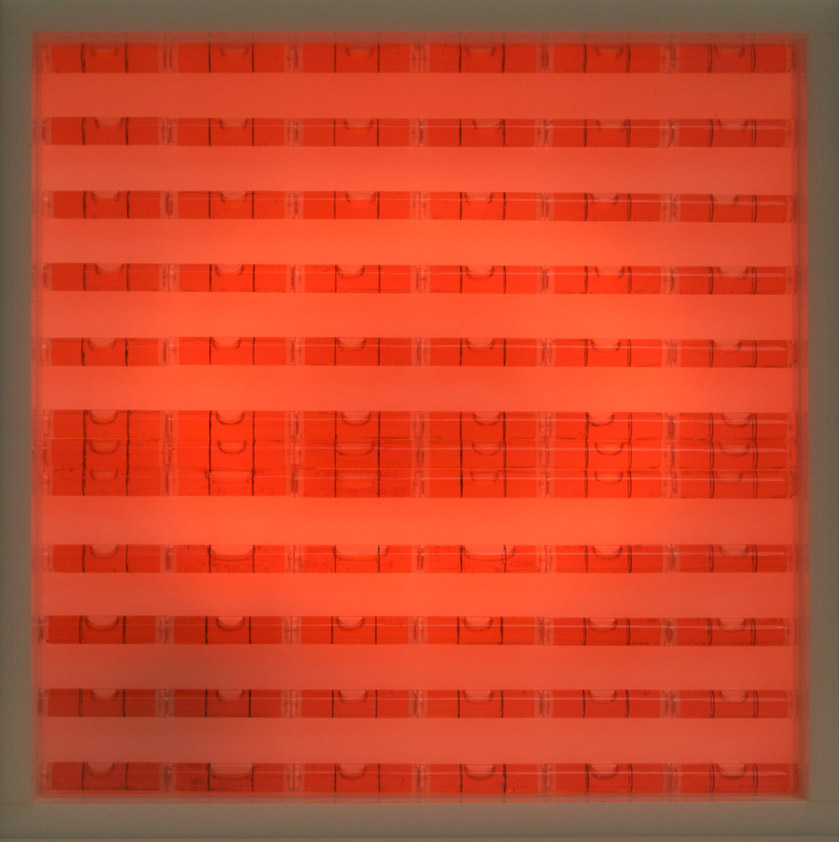
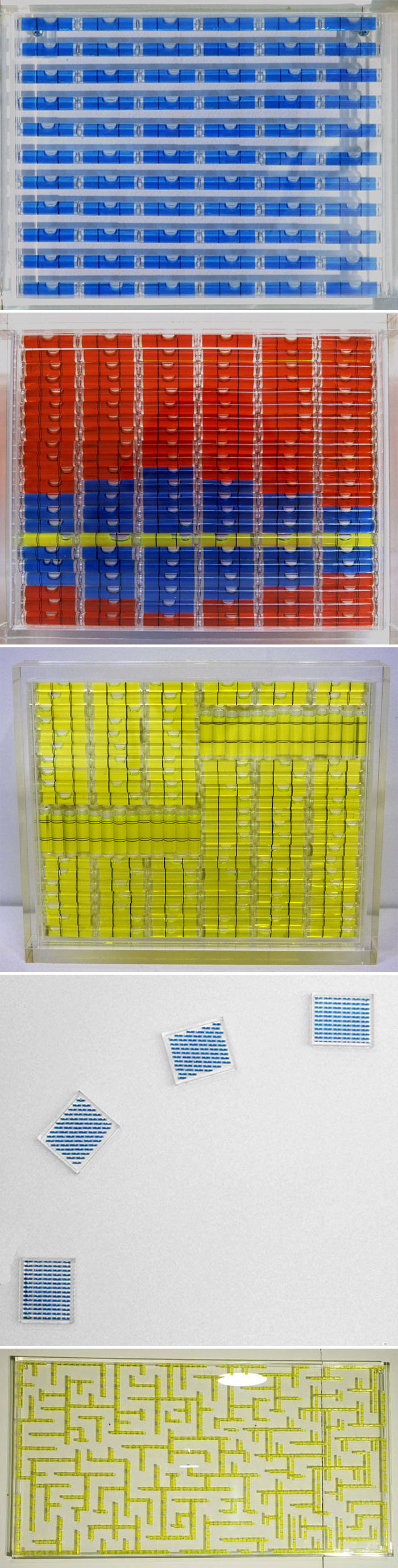
Levels, contemporary art, abstract, australian artist, neon, level compositionslevels, contemporary art, Perth, Turner galleries, Australian art, color, lightLevels, contemporary art, abstract, australian artist, neon, level compositionsPaul Caporn is a Perth, Australia based artist who creates sculptural and installation works, some of which incorporate light. The objects used are familiar but he pushes them in new directions. In his Level Composition Series, Caporn takes an ordinary construction measuring tool – the level – along with light and color, sometimes neon, and makes these contemporary tableaux. I’ve always found levels with their moving, and ideally centered, bubbles to be beautiful objects in themselves, so these pieces really appeal to me.

You can see more of Paul Caporn’s work here.

Images courtesy of Turner Galleries and the artist.

Appau Jnr Boakye-Yiadom

conceptual art, humor, video, installation, photography, contemporary artconceptual art, humor, video, installation, photography, contemporary artClick to enlarge

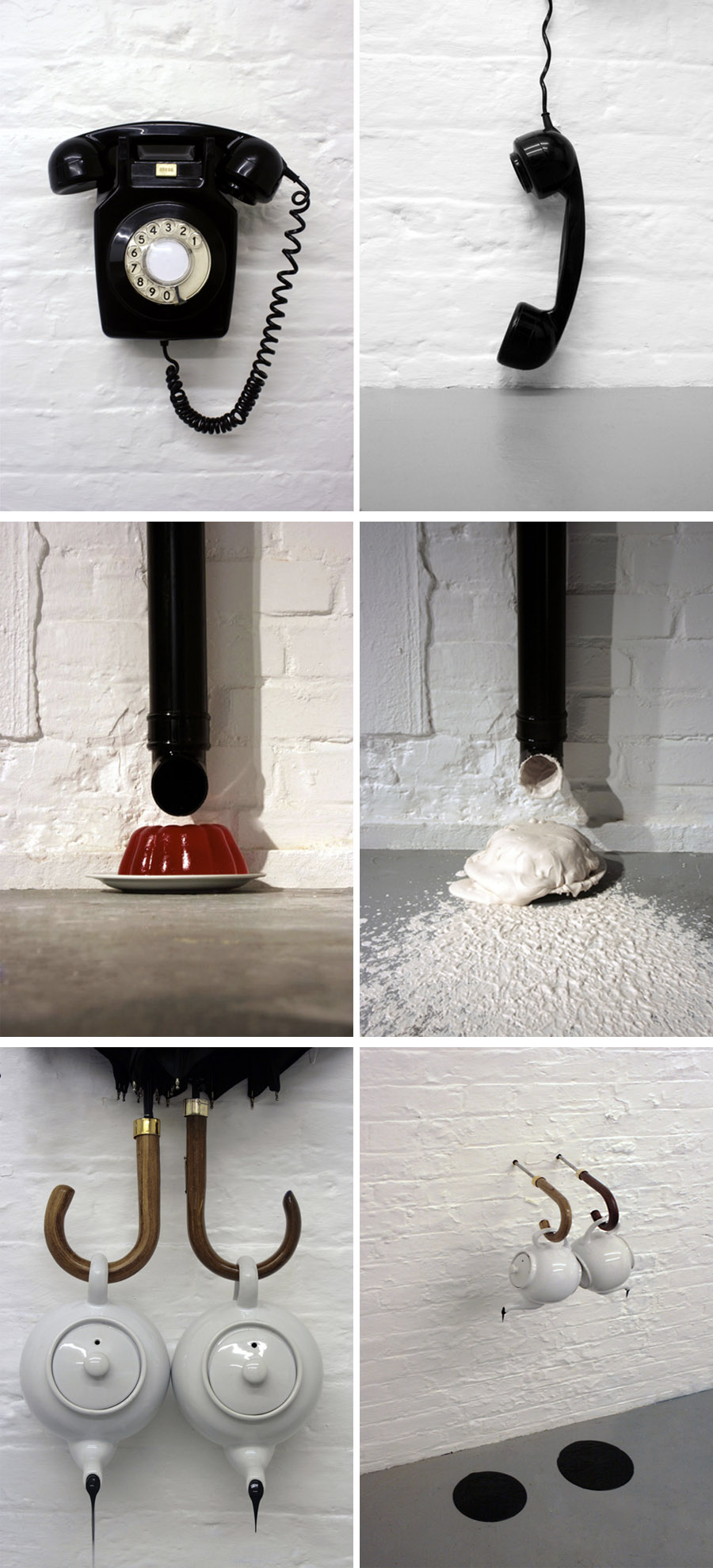
These photos and videos by London born and based artist Appau Jnr Boakye-Yiadom made me chuckle. Using everyday objects as characters, Boakye-Yiadom creates performance environments in his studio. Essentially creating humorous/absurd experiments, Boakye-Yiadom then documents the (very brief) acts through film, photography and installation. It’s worth watching a few of the short videos below to get the full effect.

via the future can wait