Marjan Teeuwen: Crammed Spaces

Dutch art, contemporary, inkjet prints, claustrophobic, clutterDutch art, contemporary, inkjet prints, claustrophobic, clutterDutch art, contemporary, inkjet prints, claustrophobic, clutterClick to enlarge

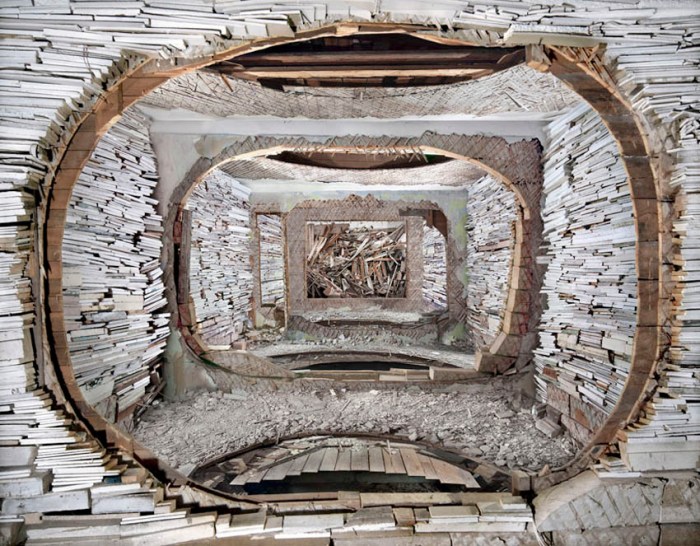
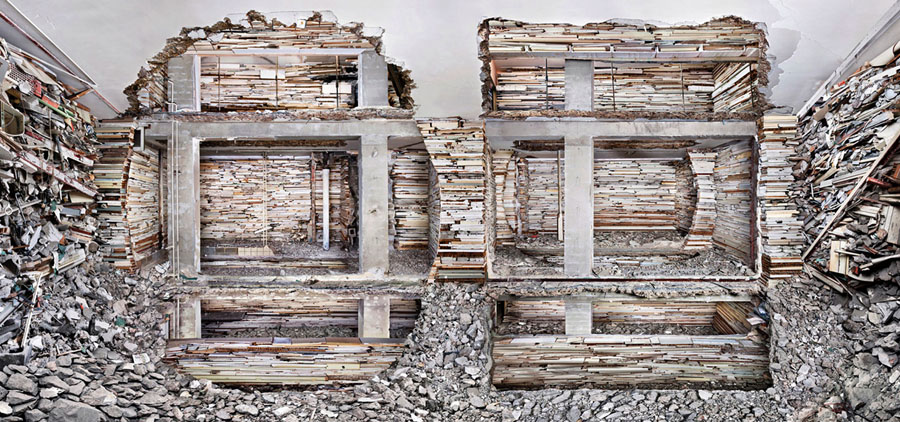
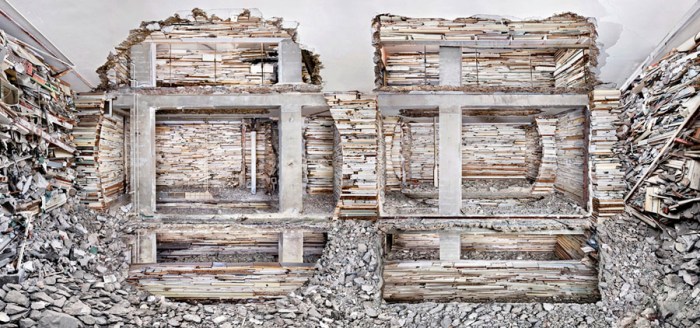
An anxious feeling infiltrates my chest a bit when looking at Dutch artist Marjan Teeuwen’s photographs, and yet I find it hard not to be pulled in. These crammed spaces that evoke a sense of claustrophobia and obsession are so jam-packed with objects that in some cases ceilings, floors and walls are hardly recognizable. Some of the photos have the objects set up by function, others by texture and color, but all have them packed in creating an oppressive and confined feeling. The photo series have titles like Archives and Destroyed House, that is if the free translator I used translated correctly.

Kind of crazy, but kind of cool, also.

You can see more of Teeuwen’s work here and here.

via cokkie snoei

The Joe & Rika Mansueto Library

Joe and Rika Mansueto, University of Chicago Library, Helmut JahnHelmut Jahn, University of Chicago Library, robot, collabcubedHelmut Jahn, University of Chicago Library, robot, collabcubedMansueto Library Diagram LayoutClick to enlarge

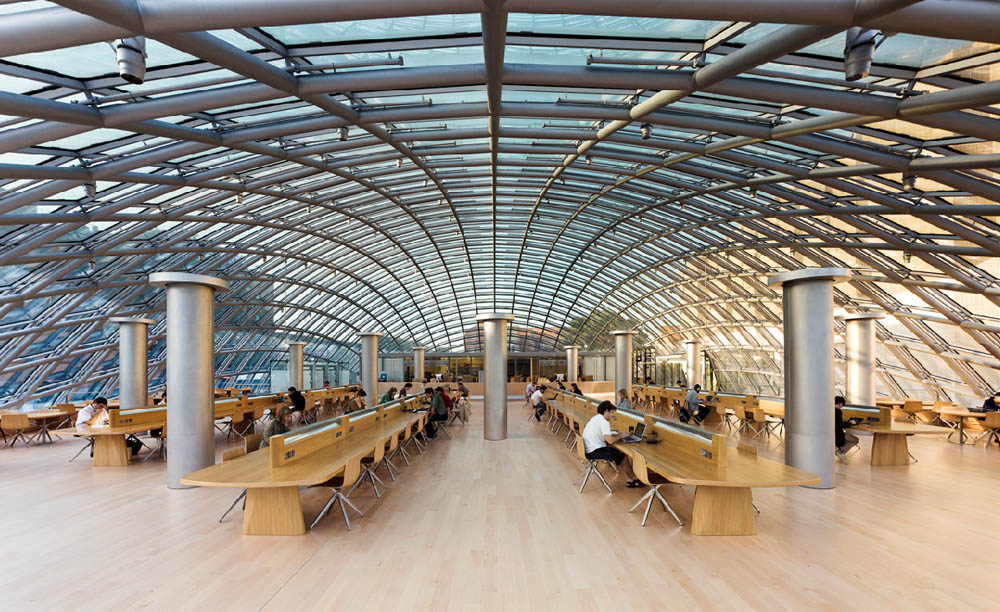
Just when you think books are on their way out, the University of Chicago builds a new library that can hold 3.5 million volumes and deliver your requested book within minutes. The Joe and Rika Mansueto Library, named after the couple who donated $25 million to the university, was designed by architect Helmut Jahn and completed last May. Both the top and bottom of the library are quite spectacular. The domed, 700-glass-panel reading room measuring around 8,000 square feet, pops up from the lawn, while underground, extending 50 feet deep, is a hi-tech automated storage and retrieval system that uses five mechanized robotic cranes, in conjunction with bar codes on the books, to retrieve any title quickly from the 24,000 metal bins used to store the books in optimal preservation conditions.

It’s all very impressive and the structural volumes, from the 120 foot x 240 foot clear span dome on top to the nearly 1,000,000 cubic feet of subterranean storage space, are challenges that were successfully tackled and executed by Halvorson and Partners Structural Engineers.

Photos courtesy Murphy/Jahn Architects and the University of Chicago.

Thanks to tipster Elaine!

Christian Partos: E.L.O.

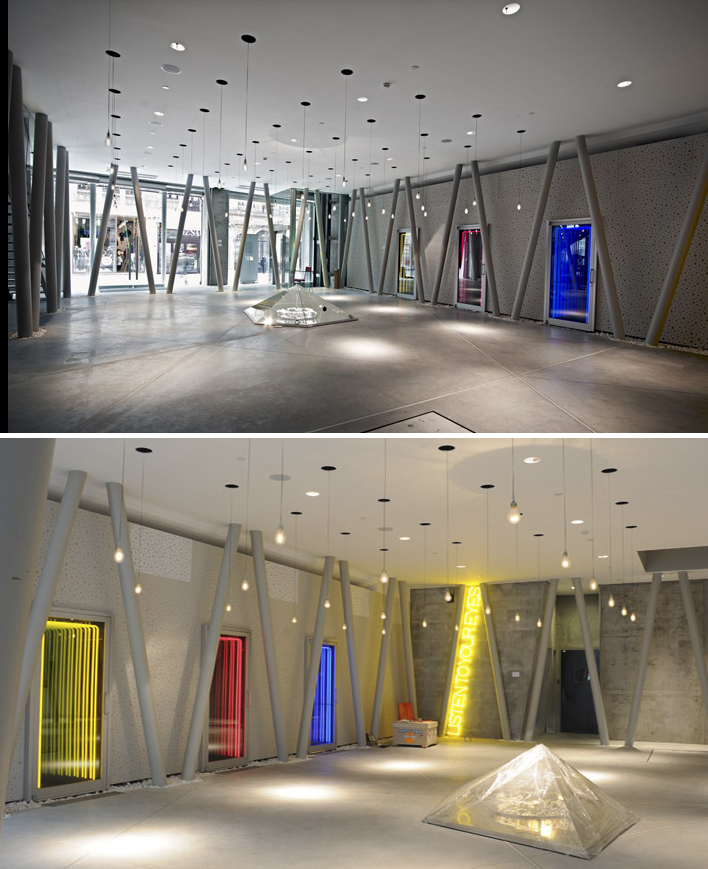
Light art, Light Installation, Istanbul, Borusan Muzik, art installationart installation, lumen, light art, Istanbul, BorusanThis past summer when we visited Istanbul, we popped into a gallery on a stroll down Istiklal Street, mostly because we recognized Ivan Navarro’s piece from the window. The show was Matter-Light 2 at the Borusan Muzik Evi. But this introduction is just to set the stage for the delightful surprise that ensued. While looking around the spare gallery at the various interesting light sculptures in the exhibit, suddenly, almost comically, and completely unexpectedly, a light bulb dipped down quickly and swiftly from the ceiling. And then another; and another. The artist behind this amusing curiosity is Swedish artist Christian Partos. The piece, titled E.L.O. (I am assuming a clever reference to, and/or appropriation of the name, the Electric Light Orchestra) consists of a roomful of light bulbs essentially dancing in the gallery. This is a permanent installation at the Borusan Music House (that’s the translation).

Seeing the stills really doesn’t do it justice, so here are two videos.

You can see more of Christian Partos’ work here, including his installation for a subway station in Malmö, Sweden.

Nooka Concept Watch

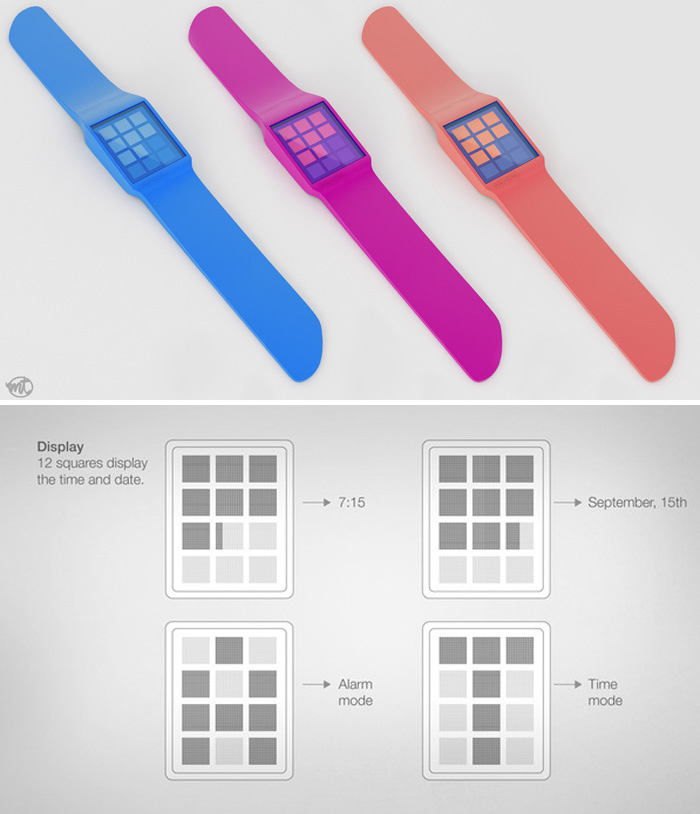
watch design, nooka, magnetic, pixels, mario troisewatch design, nooka, magnetic, pixels, mario troisecool watch design, nooka, magnetic, pixels, mario troiseIt’s been a while since we’ve posted about a watch but, being the watch lovers that we are, it was great to have  one pop up in our inbox. This concept design for a Nooka watch by Brazilian designer Mario Troise seems like it would fit in perfectly with the collection. The minimalist design includes a magnetic band and 12 boxes on the face made up of pixels offering up yet another way to read time.

CHIP House: Energy Efficient Prefab

solar power, sustainable housing, energy efficient, Sci-Arc, CaltechSustainability, Sci-Arc, Caltech, Solar Decathlon, prefab houseClick to enlarge

With its insulation on the outside, CHIP (Compacted Hyper-Insulated Prototype) seems to have been a big draw at this year’s Solar Decathlon in Washington DC. Designed by a team of over one hundred Sci-Arc and Caltech students, CHIP is a prefab, net-zero solar-powered house designed to challenge every architectural and engineering preconception regarding the net-zero-energy home. The house includes a full kitchen and bath, as well as an elevated platform as the sleeping area which also provides a nice view of the rest of the house, from above, and a view out the large window. Because the insulation is on the outside—which is apparently an inexpensive and effective way to blanket the house and keep it warm—the interior has its framing exposed and allows for many built-ins and furniture storage.

The puffy, energy-efficient house will be on display at the Sci-Arc Library in Washington DC through December 16, 2011, if you’d like to see it in person. For the rest of us, there’s the video below:

Photos: CHIP, Plataforma Arquitectura, CHIP2011 flickr

via Plataforma Arquitectura

Naoko Serino: Soft Sculpture

Jute, textile, soft sculpture, Japan society, naoko serino Jute, textile, soft sculpture, Japan society, naoko serinoJute, textile, soft sculpture, Japan society, naoko serinoClick to enlarge

Right now through mid-December there’s an intriguing exhibit at the Japan Society, here in New York, called Fiber Futures: Japan’s Textile Pioneers. I’ve yet to see the show, but the images look very interesting; not your average textile design.

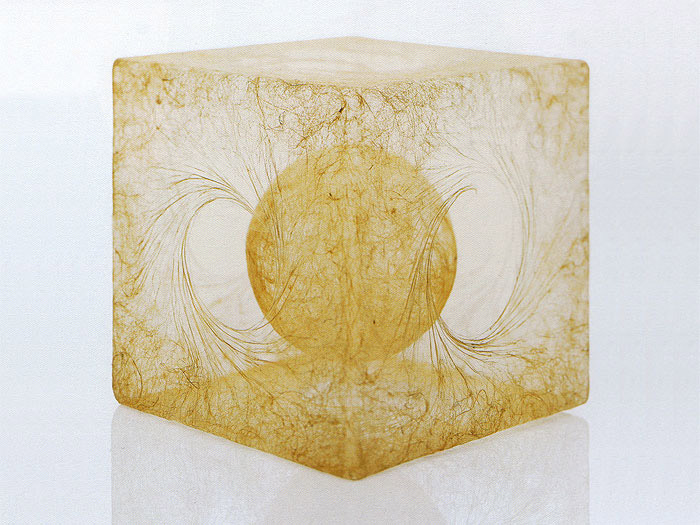
One of the artists featured in the show is Naoko Serino whose soft sculptures are quite impressive. She describes her work as fiber art: three-dimensional expression using jute that contains light and air. Some of her works are small individual pieces, while others are large-scale installations. It all looks delicate yet has an imposing presence.

You can see Serino’s installation Generating–8 (third and fourth images down from top) at the Japan Society through December 18, 2011, along with the work of several other Japanese textile pioneers.

via the Japan Society, via my mom

Peter Kogler: Spatial Illusion

light projection art, installation, dirimart, graphic patternslight projection art, installation, dirimart, graphic patternslight projection mapping, cool installation art, graphic patternsClick to enlarge

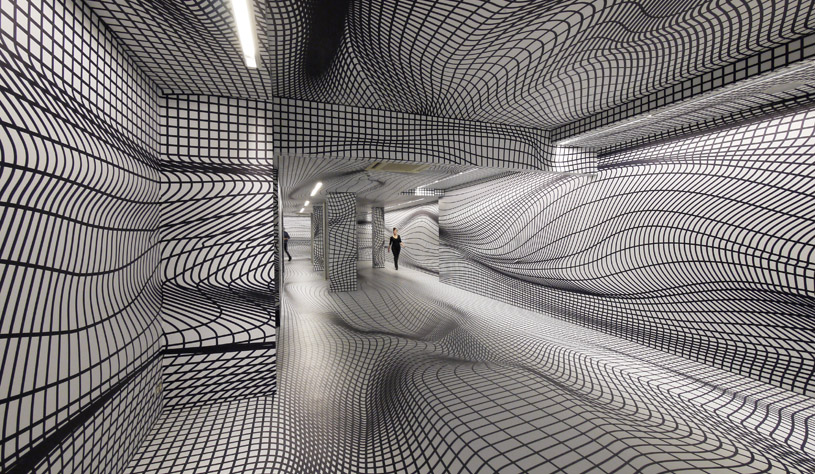
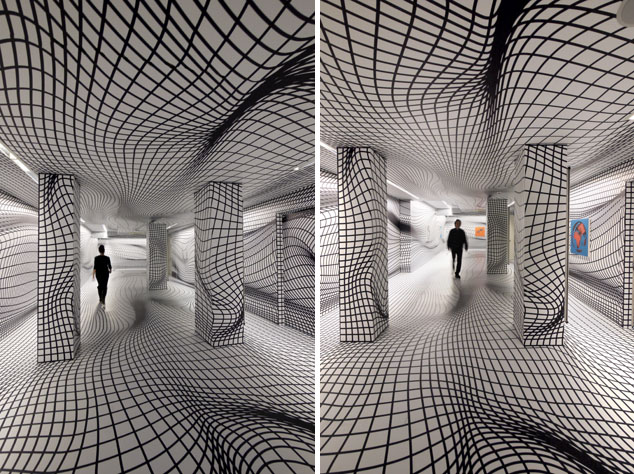
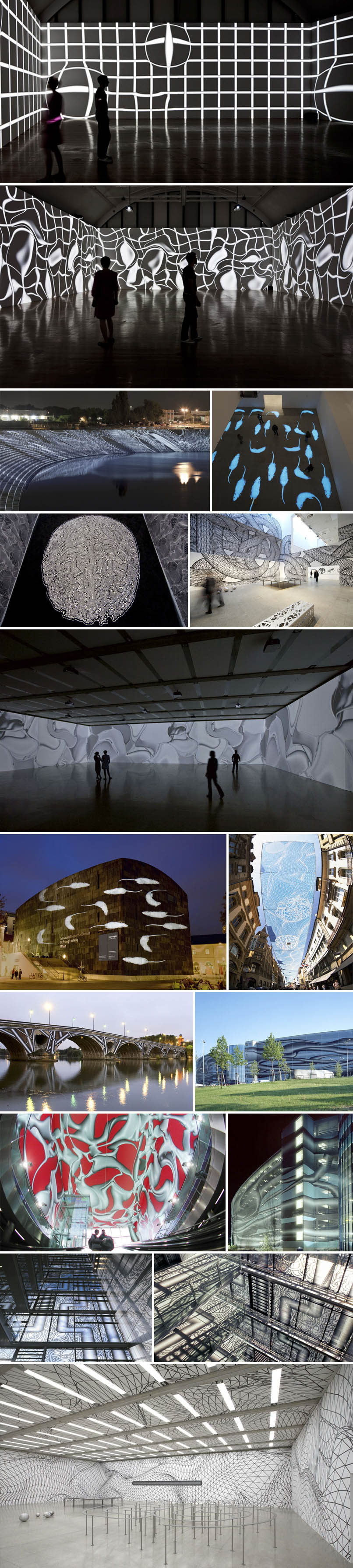
Clearly, one doesn’t necessarily need Upside Down Goggles or a Psycho Tank à la Carsten Höller to experience a trippy effect through art. Austrian artist Peter Kogler has been playing with spatial illusion since the 1980s.

Interested in film architecture and influenced by movies from the 1920s such as The Cabinet of Dr. Caligari and Metropolis where the architecture plays a central role generating emotion from the viewer, Kogler began working with the “illusionism of space”. Initially working with small models made from cardboard, his work evolved into projections of large-scale graphic images onto walls, trying to absorb or change the actual architecture.

Personally, the rats are a tad too freaky, but the rest of it really appeals to me.

Below is a short video of one of Peter Kogler’s video installations in action.

via Dirimart

Yuya Ushida: Sofa_XXXX and Stool

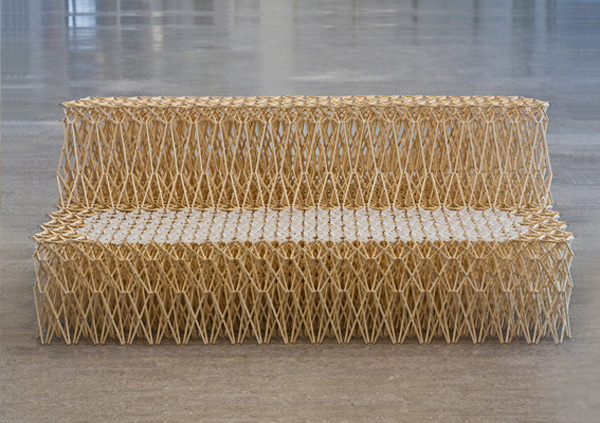
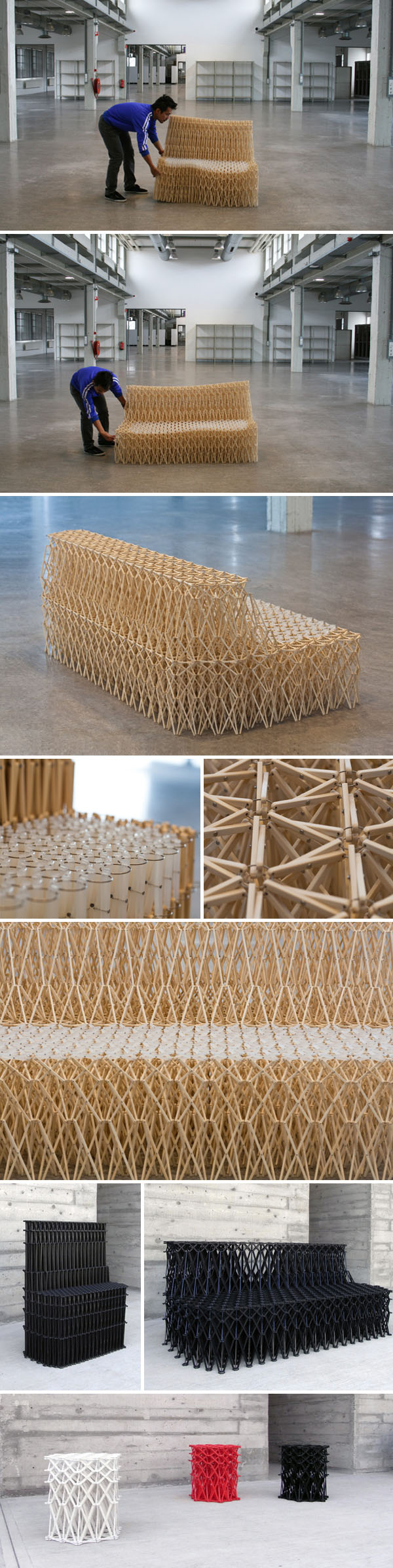
chopsticks, creative furniture, cool sofa, repurposed, chair designchopsticks, creative furniture, cool sofa, repurposed, chair designAs a design student in the Netherlands, Yuya Ushida created the original Sofa_XXXX out of 8,000 recycled bamboo sticks (think chopsticks) for his graduation project in 2010. The expandable and contractible chair/sofa has since been produced using components that are injection-moulded from recycled plastic bottles and available in black or white. This version, available through Royal Ahrend is called XXXX_Sofa. Ushida has also come out with a stool version that only uses 600 parts and comes in a kit, not surprisingly named XXXX_Stool.

I don’t know, but even putting a mere 600 parts together seems like a bit of a challenge…

via the chair blog

Flow by Carlo Viscione

installation, Heathrow Terminal 5, contemporary art, Boarding Passinstallation, Heathrow Terminal 5, contemporary art, Boarding Pass

Click on images to enlarge

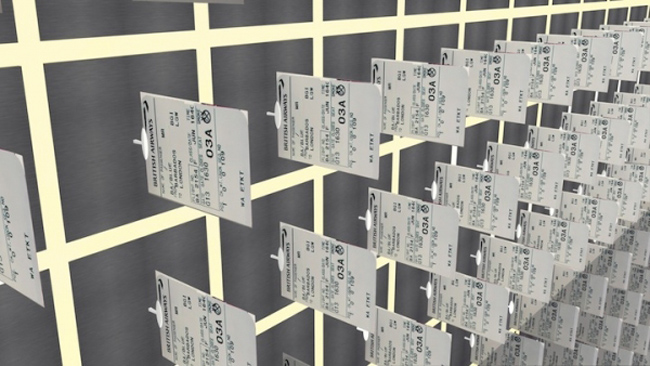
London based spatial designer Carlo Viscione proposed a design, in collaboration with Amy Harris, for an interactive installation, titled Flow, to be placed in Terminal 5 at Heathrow airport. Made up of 4,000 ‘pixels’ measuring 10 sq cm each with a discarded boarding pass ticket stub protruding from the center of each square, the responsive wall reacts to the movement of passers-by. Triggered by ultra-sonic sensors hidden in the ceiling, the installation creates flowing motion by moving the ticket stubs in a synchronized movement across the wall.

From the artist:
The idle state represents a coral reef movement; flow swinging softly left and right. When people are passing by, it reacts to speed, group size and proximity and tracks the people along the 20m length of the installation. The computer assessing the information triggers different algorithms that create different responses to the people passing – from a simple wave to repeating patterns.

We hoped that this little intervention creates a little smile on people’s faces and creates an experience that positively links back to visiting London.

Watch the video above for the full effect. And visit Carlo Viscione’s website to see more of his work.

Ernesto Neto: Faena Arts Center

art installation, Ernesto Neto, Buenos Aires, contemporary artart installation, Ernesto Neto, Faena Arts Center, contemporary artClick to enlarge

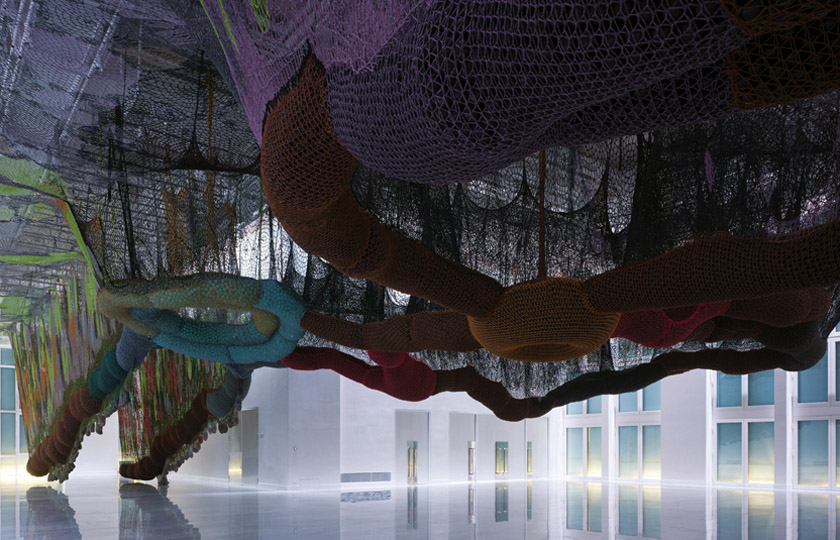
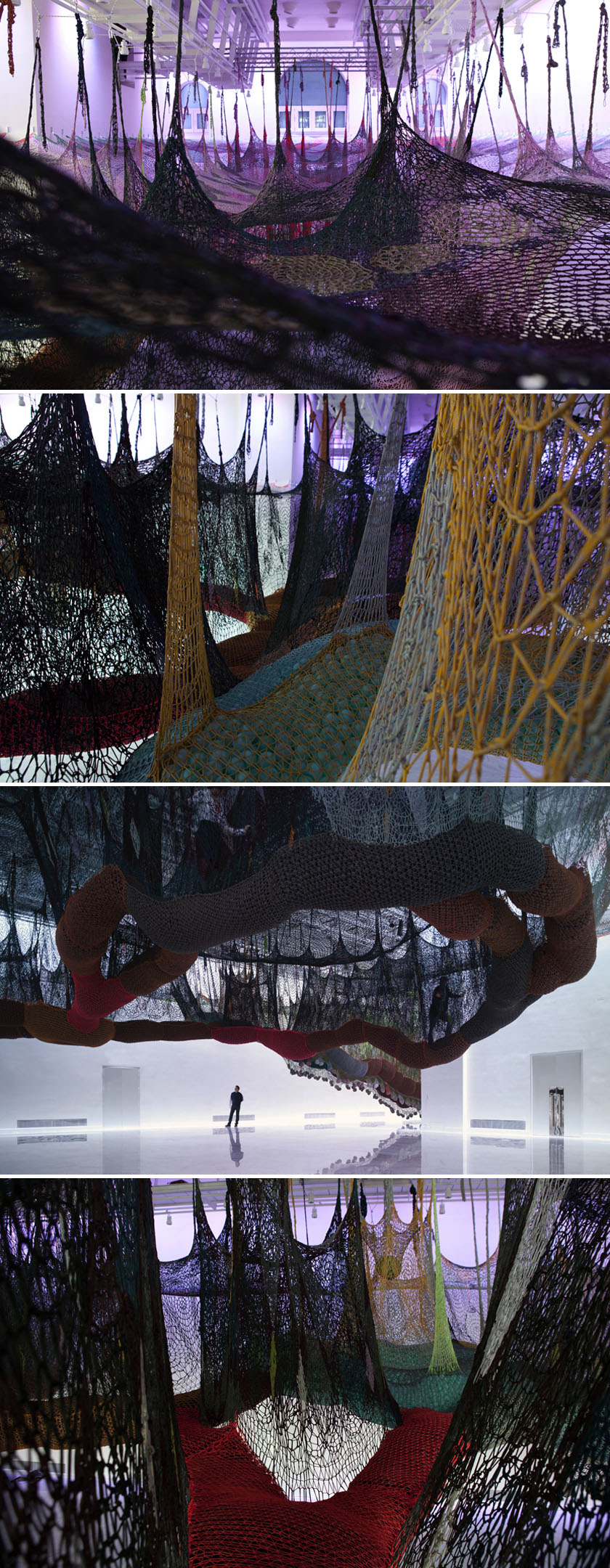
Brazilian artist Ernesto Neto creates installations placing the spectator at the center of the action, making the interaction a key part of his art. His abstract constructs often take up the whole exhibition space creating spatial labyrinths from yarn, rope, fabric and polythene foam as well as spices, such as saffron and cloves, tucked into pouches that hang down at various points. The spectator typically is invited to touch, smell and enter the space.

Neto’s current exhibit at the Faena Arts Center in Buenos Aires fits the profile perfectly. The hundred-year-old Faena Arts Center was one of the country’s first big mills producing close to a thousand tons of wheat a day. Having retained the structure’s original ceiling height, as well as its generously proportioned windows and arches, it certainly provides a spectacular setting for Neto’s latest impressive and imposing sculptural installation.

Ernesto Neto’s exhibit will be up through November 2011.

More Espluga + Associates: Clonography

architectural images, photographs, photoshopped, cloned images, designarchitectural images, photographs, photoshopped, cloned images, designarchitectural images, photographs, photoshopped, cloned images, designClick to enlarge

Also from Espluga + Associates, the Barcelona based graphic design and communications firm (see previous post), an experimental side project that started by chance while doing research for a client: Clonography.

From their site:
Clonography is, at least for us, something beautiful, aesthetically and complex looking but simple at the same time. This duality between complexity and simplicity, between reality and fiction, is what makes it appealing. Clonography is somewhere between photography,  graphic design, architecture and the  cognitive perception theories. Clonography make us react in front of a strange object  despite being familiar at the same time. It contains known shapes and objects disposed in a different way. The virtual image that we are looking at is made of real parts. And is this moment of doubt what attract us.

Many more images have been developed since that first accidental one, resulting in a compilation of images using photographs from Amsterdam, Barcelona, Benidorm, Buenos Aires, Helsinki, Honningsvag, London, Moscow and Tallinn.

A new website is in the works and coming soon.

All images courtesy of Espluga + Associates.

Youth Factory: Selgas Cano Architects

Mérida, Youth Center, skateboarding, rock climbing, Spain, contemporary architectureMérida, Youth Center, skateboarding, rock climbing, Spain, contemporary architectureMérida, Youth Center, skateboarding, rock climbing, Spain, contemporary architectureMérida, Youth Center, skateboarding, rock climbing, Spain, contemporary architectureClick to enlarge

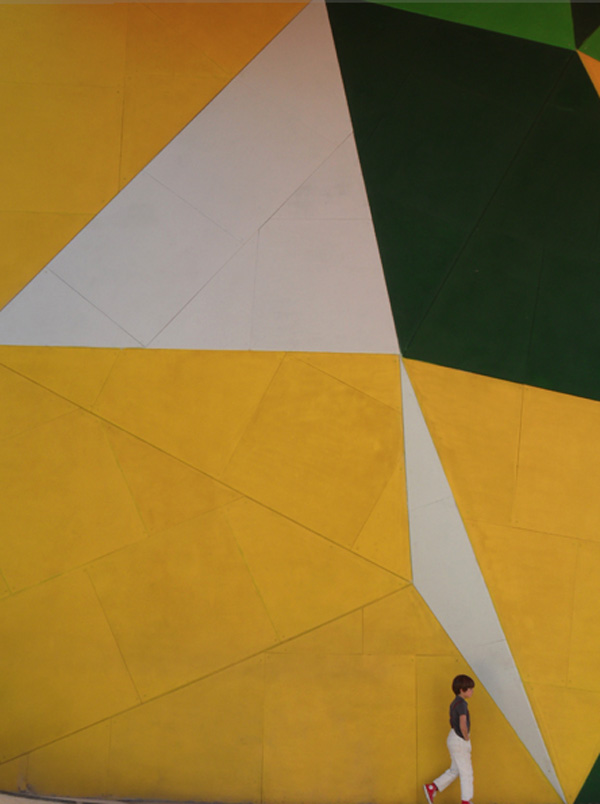
SelgasCano Architects’ design for the new Youth Factory (Factoría Joven) in Mérida, Spain is all about welcoming and protecting. The colorful youth center is very open with its, possibly, most notable feature being a huge orange, organically shaped canopy that protects from rain and the strong hot rays of the sun, typical of Mérida. The architects refer to this prominent aspect as a plastic ‘cloud’.

With a curvaceous skate park that can be used for skateboarding, rollerblading, or cycling, a large climbing wall, an open amphitheater encouraging shows, as well as music and dancing, what teenager would stay away? The open and inviting structure, meant to welcome all, is supported by the oval pods that house the activity rooms as well as the offices.

I’d say the whole edifice screams fun.

via the archhive and architectural review

Jonathan Brilliant: “Have Sticks Will Travel”

cool art installations, coffee stir sticks, coffee sleeves, coffee covers, amorphic, collabcubedcool art installations, coffee stir sticks, coffee sleeves, coffee covers, amorphic, collabcubedClick to enlarge

I have, coincidentally, come across several artists working with coffee-related objects in the past two weeks. First Christian Ducharme’s cool lamps, then Matthew Parker’s coffee filter window installation, and now Jonathan Brilliant’s incredible coffee stir sticks installations. Totally living up to his name, Brilliant creates enormous, and amorphous,  site-specific installations using thousands of coffee stir sticks woven in place and held together only by tension! This series of installations is collectively known as Have Sticks Will Travel. Brilliant likes to activate the gallery space as part of the work, usually creating the work onsite hoping to dissolve the boundary between the space where the art is created and displayed.

In addition to using the coffee stir sticks, Jonathan Brilliant utilizes the coffee cup sleeves to create the tube formations, as well as the coffee cup covers for yet other, wall-mounted, works.

Living and working in Columbia, South Carolina Brilliant started working with these materials in 2006 with his Goldsworthy of the Coffee Shop Project, taking his cue from the British artist Andy Goldsworthy who gathers materials from his natural environment and uses them in his site-specific installations. Brilliant’s natural environment? The coffee shop, of course, with the take-out coffee cup and all its accessories!

For the Have Sticks Will Travel World Tour, Jonathan created multiple installations, entirely in situ, during the course of 8 to 10 days at each location. You can watch the video below for a sample installation.

You can see more of Brilliant’s amazing work on his website.
Mark Wagner: Currency Collages

art, collage, currency, dollar bill, art and economy, paper art, moneyart, collage, currency, dollar bill, art and economy, paper art, moneyart, collage, currency, dollar bill, art and economy, paper art, moneyClick to enlarge for detail
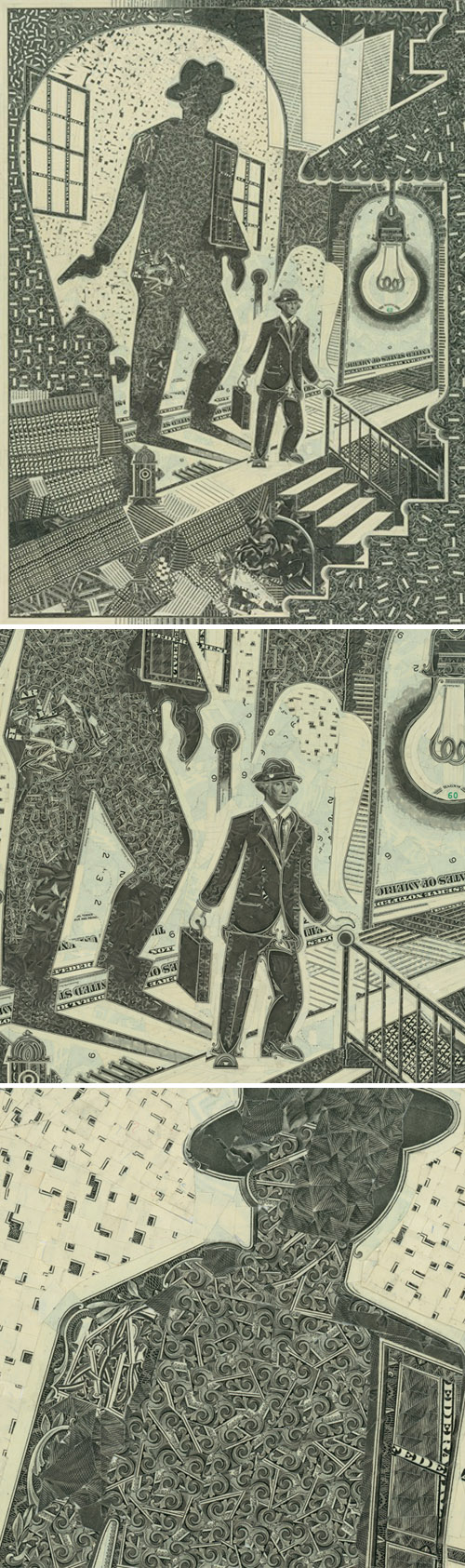
My friend Eric introduced me to Mark Wagner’s currency collages a few years ago in Chelsea. It seems to me that today’s economic climate is a perfect time to share them. These collages, made exclusively with the U.S. Dollar, speak to the cultural, social and political roles that money plays in our society.

Mark Wagner, originally from the Midwest, is a Brooklyn based artist who writes and makes books in addition to his collages. His statement on his currency collages is as follows:

The one dollar bill is the most ubiquitous piece of paper in America. Collage asks the question: what might be done to make it something else? It is a ripe material: intaglio printed on sturdy linen stock, covered in decorative filigree, and steeped in symbolism and concept. Blade and glue transform it-reproducing the effects of tapestries, paints, engravings, mosaics, and computers-striving for something bizarre, beautiful, or unbelievable… the foreign in the familiar.

The detail on these collages is amazing. The second and third collages above also show zoomed-in sections to appreciate even the tiniest image.

All images courtesy of Mark Wagner and Pavel Zoubok Gallery.

Ariane Roesch: Electroluminescent

cool installations, Electroluminescent art, Kenmore, Path of least resistancecool installations, Electroluminescent art, Kenmore, collabcubedClick to enlarge
Originally from Germany, artist Ariane Roesch currently lives and works in Houston, Texas. Interested in how we situate ourselves in today’s mechanized society, Roesch uses color, light, and textiles to create a sensory experience that often questions both physical and psychological structures; how people communicate and behave as much as the structures that are a part of their everyday. Sustainability is turned inward, addressing the viewer, rather than examining the external.

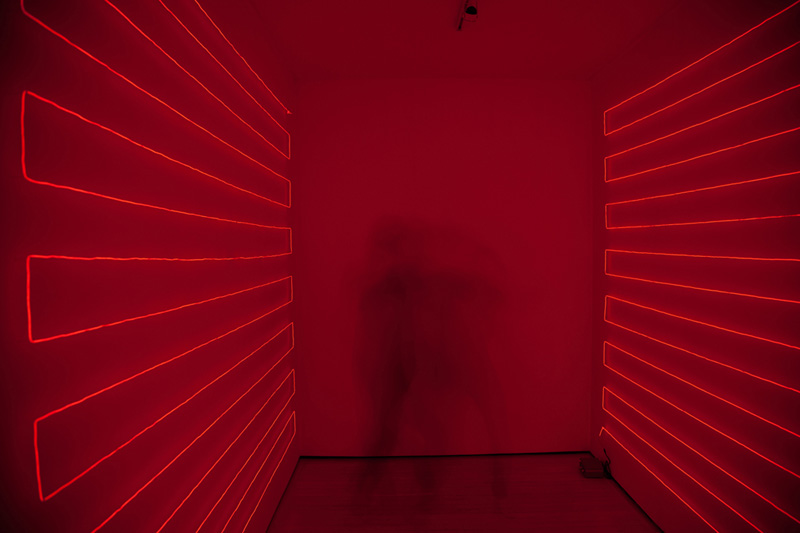
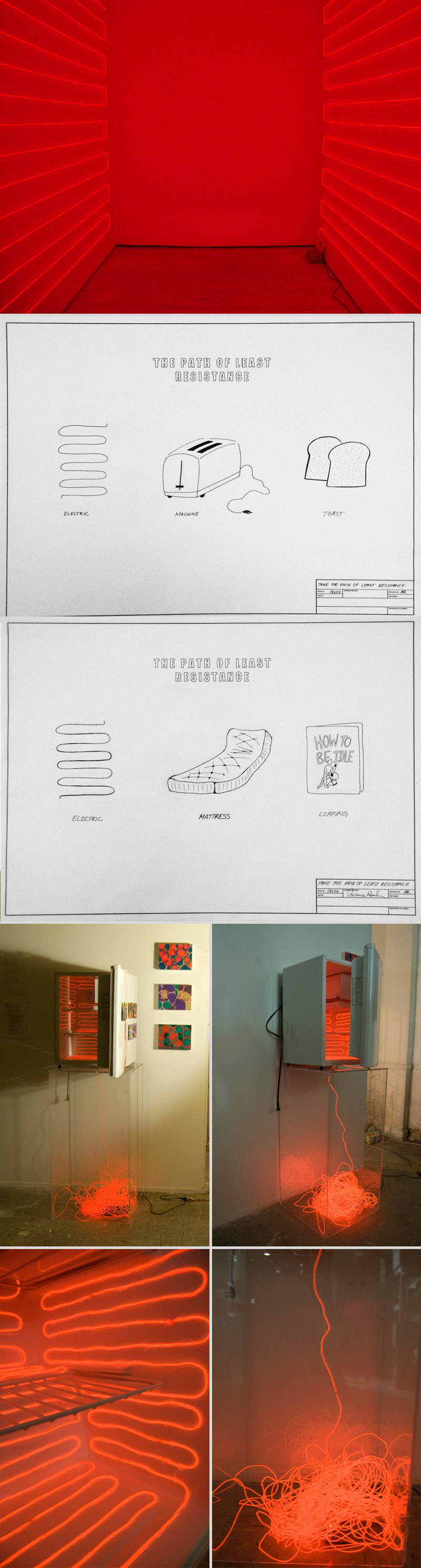
Top four photos: Take the Path of Least Resistance, installation. An investigation that takes shape as series of drawings and a light installation. The heating coil shape is transformed into a diving board for visual analysis of what it means to take the path of least resistance and its social implications.
Bottom four photos: More Heat, installation. Part of The Kenmore, a project at Box 13 ArtSpace in Houston.

If you’re in Houston, Texas next week, be sure to visit Ariane Roesch’s site-specific installation Going Undercover at the TX Contemporary Fair. If you’re anywhere else, you might want to visit her site and see the rest of her work.

London 2012 Shooting Venue: Woolwich

Magma Architecture, 2012 Olympics, Royal Artillery Barracks, collabcubedMagma Architecture, 2012 Olympics, Royal Artillery Barracks, collabcubed

Magma Architecture, 2012 Olympics, Royal Artillery Barracks, collabcubed

Architect’s rendering

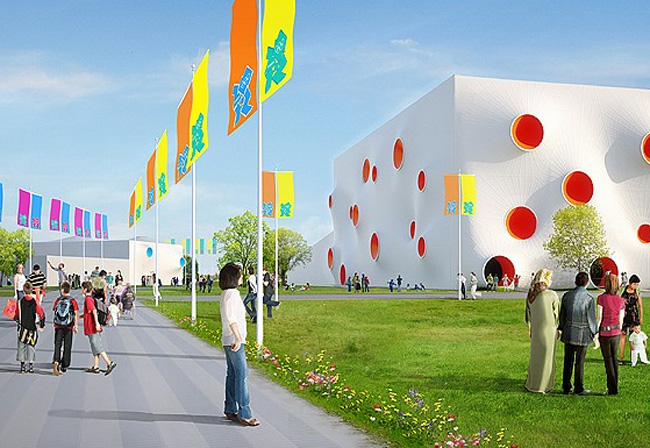
I’m not one to understand the appeal of shooting, as a sport or otherwise, but the design of the new London 2012 Shooting Venue at the Woolwich Royal Artillery Barracks definitely piqued my interest. Designed by German studio Magma Architecture, the three enclosures are clad in a fun and colorful 18,000 sq m phthalate-free pvc membrane. The bright colored openings contrast nicely against the white in addition to providing tension, ventilation and light.

The exteriors are just about completed, with the installation of seating and back-of-house facilities to come shortly. The venue will be dismantled immediately after the Games.

All images courtesy of the ODA.

via World Architecture

Jaume Secondary School: Ramón Esteve

Colorful architecture, Spain, Ramon Esteve, School DesignColorful architecture, Spain, Ramon Esteve, School DesignColorful architecture, Spain, Ramon Esteve, School DesignColorful architecture, Spain, Ramon Esteve, School DesignClick to enlarge

When I started middle school, one of the things I was most excited about were the rows of colorful lockers that alternated between yellow, red and orange. I mean, the concept of just having a locker was pretty exciting too, but the bright colors that lined the walls were part of the appeal.

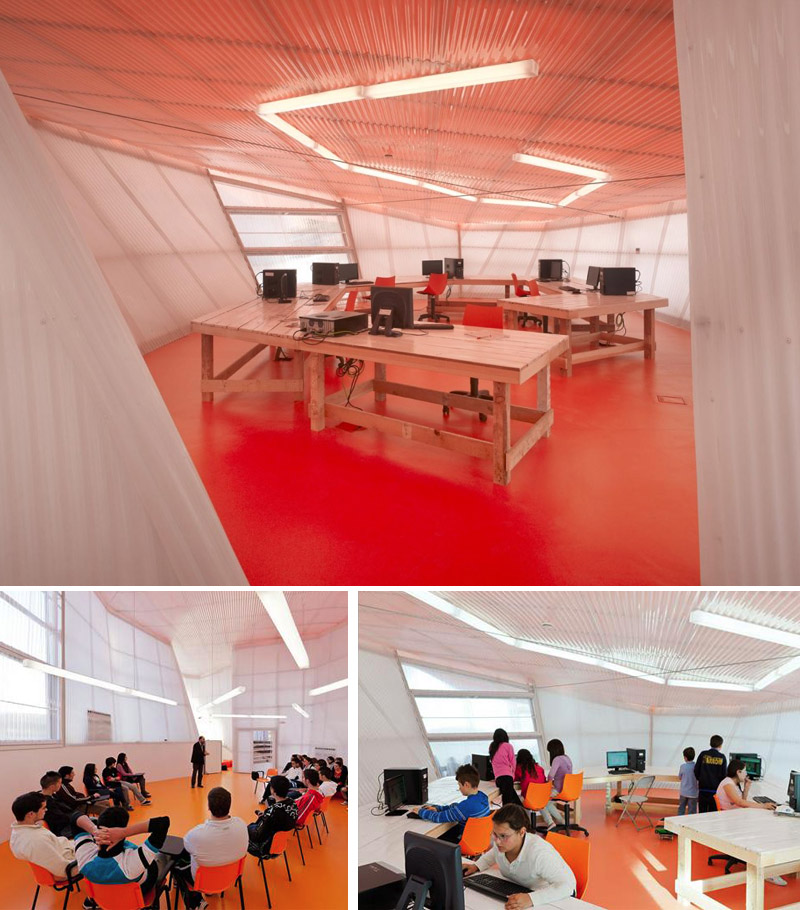
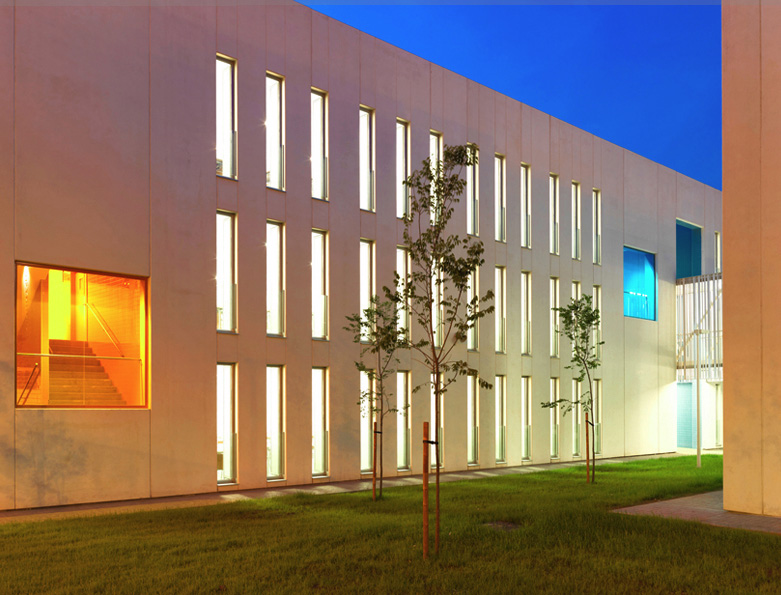
The Jaume Secondary School in Ontinyent, Valencia, Spain takes the color concept way beyond. Designed ever-so-smartly by Ramón Esteve Architects (Estudio de Arquitectura), what could have been a rather straightforward high school is lively and welcoming by contrasting the white, prefabricated concrete panels of the exterior with colored glass and tiles, as well as paint. That combined with the use of light, both natural and artificial, enhance the building scheme and bring relief, brightness and dynamism to the interiors and exteriors.

All four buildings that complete the complex, creating outdoor spaces including the sports ground, garden and parking, enclosing them with the architecture and working harmoniously. The solid volumes are ventilated and lighted through the cut-out openings with different color tiles in each.

Definitely a school I would have enjoyed attending, based on the look anyway.

Photos by Xavi Mollá, courtesy of Ramón Esteve and The Archhive.

via the archhive

Molly Hunker & Gregory Corso: Sports

Molly Hunker, Gregory Corso, Sports Practice, art installation, collabcubedMolly Hunker, Gregory Corso, Sports Practice, art installation, collabcubedMolly Hunker, Gregory Corso, Sports Practice, art installation, collabcubedMolly Hunker, Gregory Corso, Sports Practice, art installation, collabcubedClick to enlarge

Designers Molly Hunker and Gregory Corso – whose talents range from interior and installation design to products and graphics – started their own design collaborative in 2010 called SPORTS. They believe in design and its ability to easily and immediately change a person’s spatial and visual experience of a place.
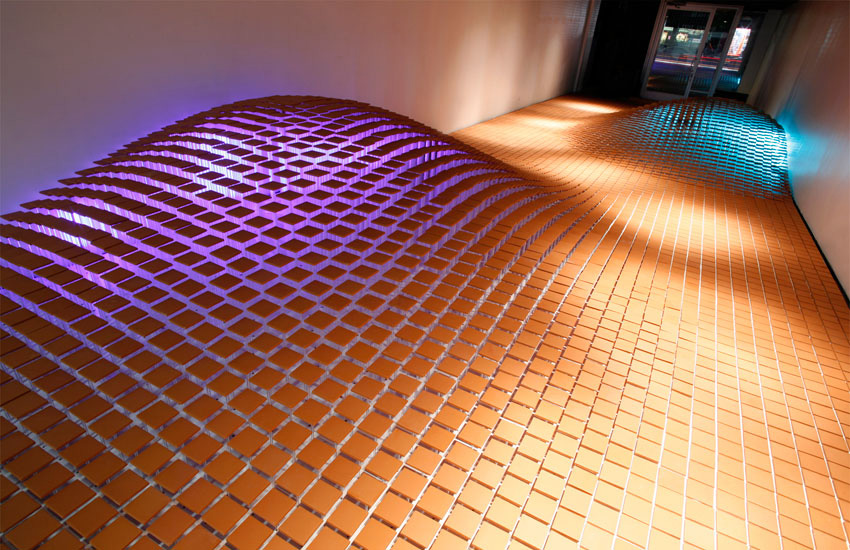
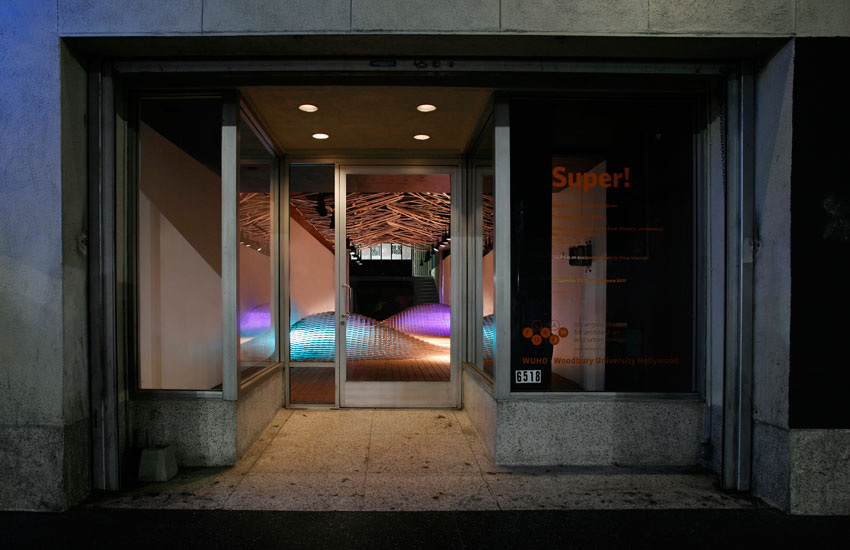
Within the past year they have put that belief into action with two very cool installations in L.A. California: Stay Down Champion, Stay Down and Life Will Kill You. Stay Down Champion, Stay Down (photos at top) was installed at the Woodbury University Hollywood Gallery. Focusing on the ground plane, the piece was comprised of terracotta tiles creating a flowing and colorful interior landscape with bulging areas elevated by transparent acrylic supports highlighted by vibrantly colored lighting.

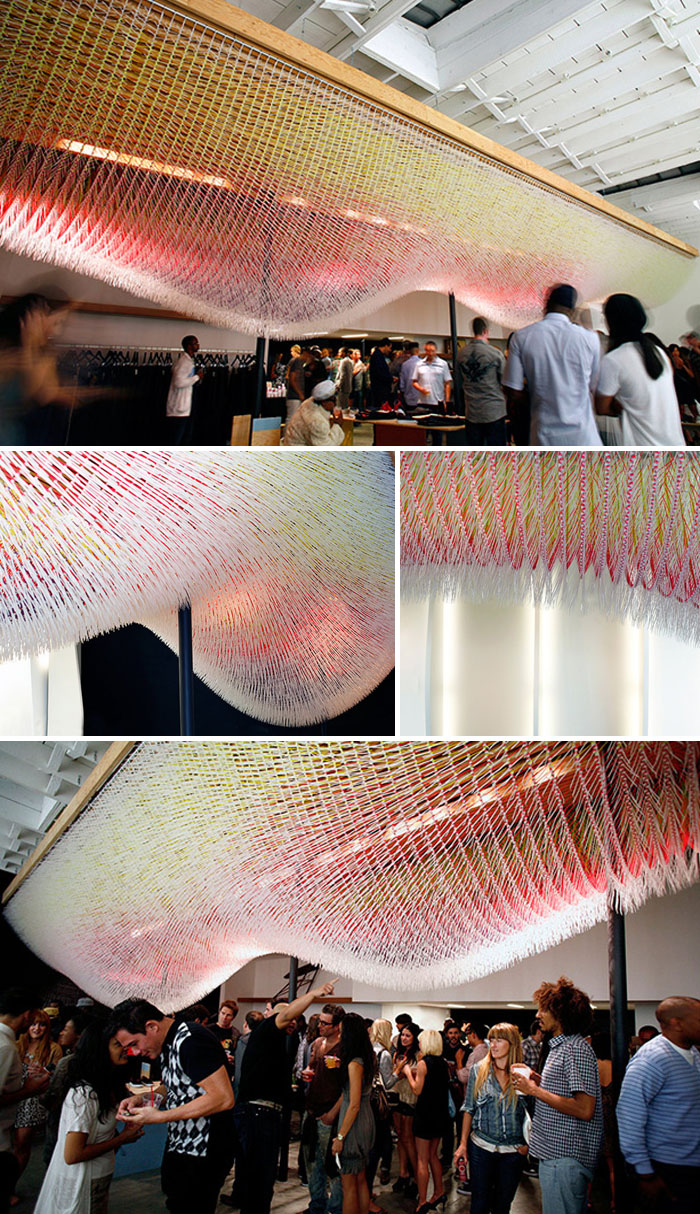
The earlier installation (bottom images) Life Will Kill You was installed temporarily at the Revolve Clothing showroom in West Hollywood. The cloud-like piece was created using over 100,000 zip ties with the exterior surface composed of longer white zip ties, and the interior levels of shorter colored ones, resulting in a richly textured effect.

Photos by Justin Harris