Tec: Buenos Aires Street Art

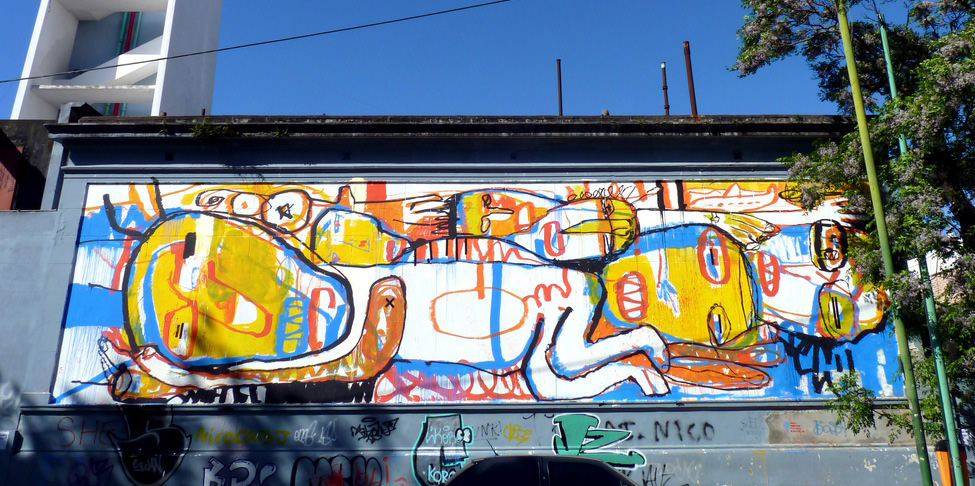
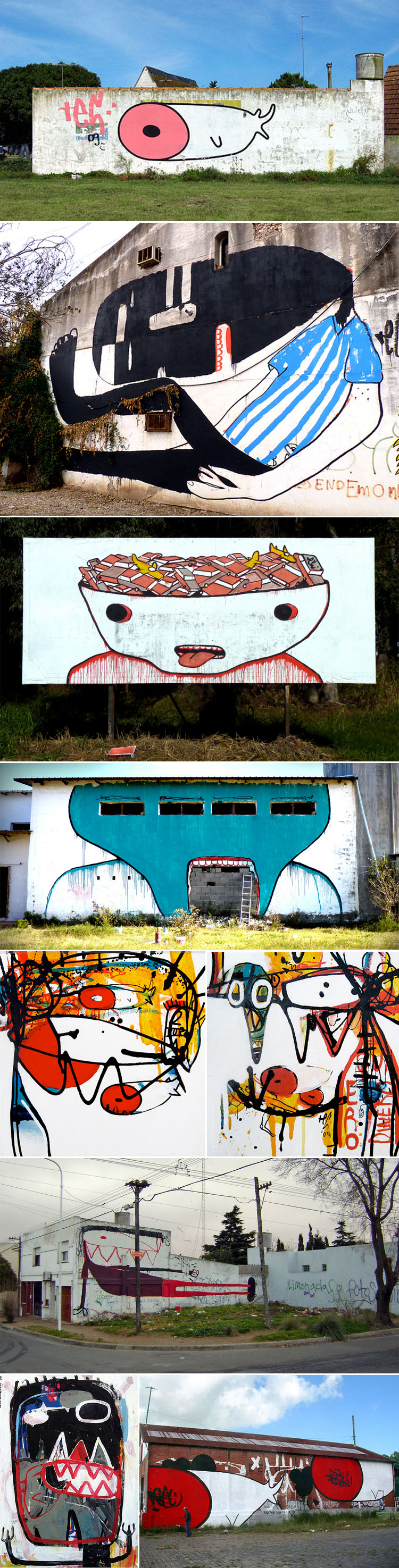
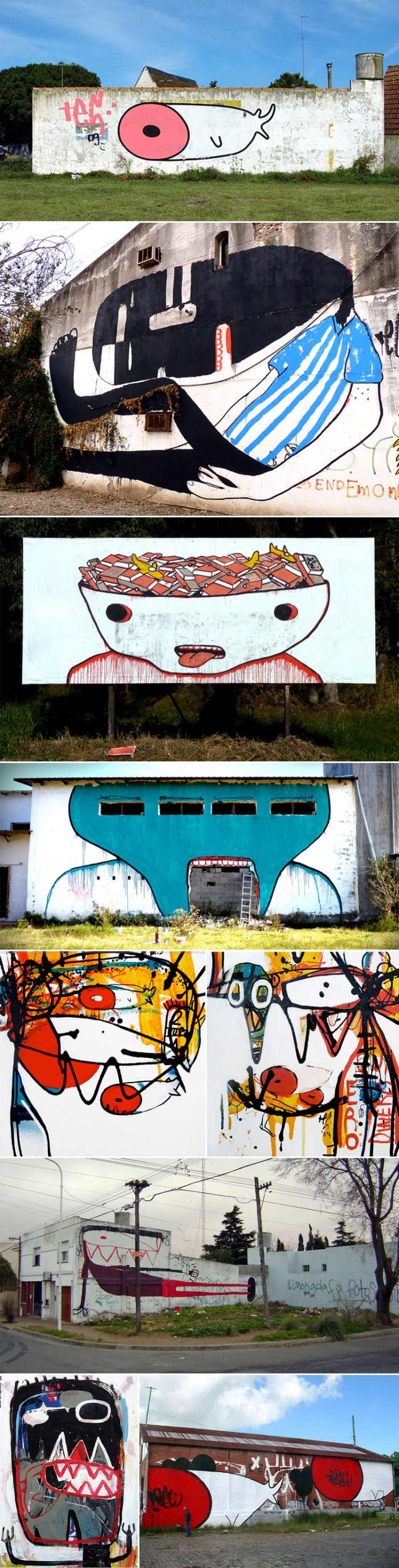
Fase, graffiti, Argentinean Street ArtFase, graffiti, Argentinean Street ArtClick to enlarge

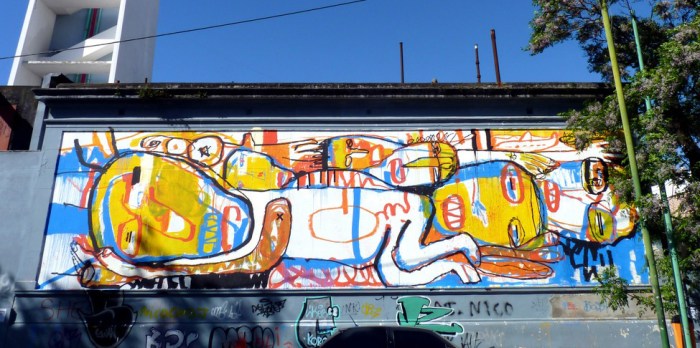
Tec started painting the streets of Buenos Aires in the 1990s. Known for his image of a fish cut in half as his tag, Tec was interested more in drawing iconic images that were bright in color instead of letter-based graffiti. He is a founding member of the art/design/music collective FASE and, along with DOMA art collective, were the force behind the graphic design influenced form of street art of bright colors and positive nature that largely defined street art in Buenos Aires in the years following the economic crash of 2001.

Tec continues to paint on urban walls.

You can see more of his work at his site and on his flickr photostream.

via graffitimundo
Lang/Baumann: Inflatables

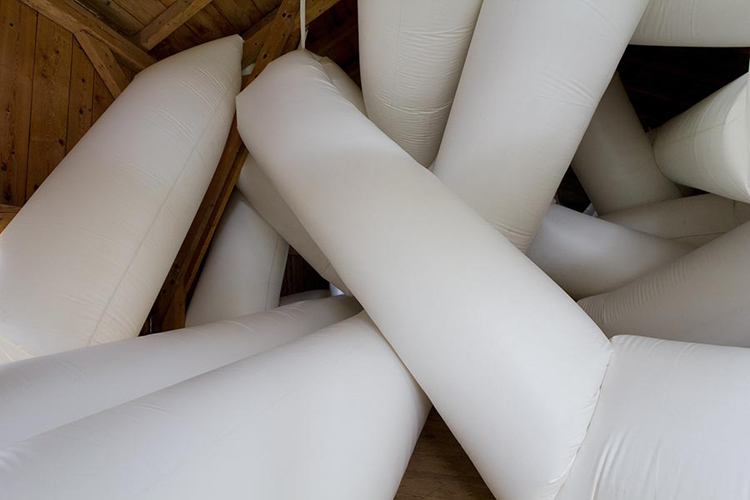
art installation, inflatable sculptures, structures, modern artart installation, inflatable sculptures, structures, modern artClick to enlarge

Sabina Lang (originally from Berne, Germany) and Daniel Baumann (originally from San Francisco) have been living and collaborating in Burgdorf, Switzerland since 1990.

Known for many different, usually, large-scale works that include Op-art wall and floor murals and mid-air hanging staircases, here we are focusing on a few of their latest inflatable sculptures/installations from the past couple of years.

From top to bottom:
Comfort #4 (Motiers); Comfor t#4 Paris, part of Nuit Blanche; Comfort #8, Warsaw; Comfort #3, Barcelona.

You can see much more of their work on their website.

Marc Moser: Sea Pink

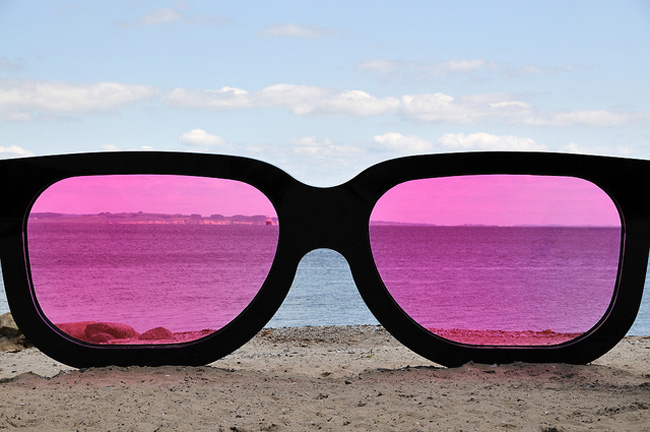
Pop art, sculpture, contemporary, sculpture by the seaPop art, sculpture, contemporary, sculpture by the seaWhen I stumbled across this sculpture by Swiss artist Marc Moser for this summer’s Sculpture on the Sea exhibit in Aarhus, Denmark, it made me smile. Clever from its concept through to its punny name: Sea Pink. It’s pop art at its best; huge, oversized sunglasses at the beach with pink tinted lenses that allow the viewer to see, well, “sea pink.”

Here’s a short video to see it from all angles:


UPDATE: Here is a link to Marc Moser’s website.

Photos by Darren Staples, Anders Hede and Kroptimal

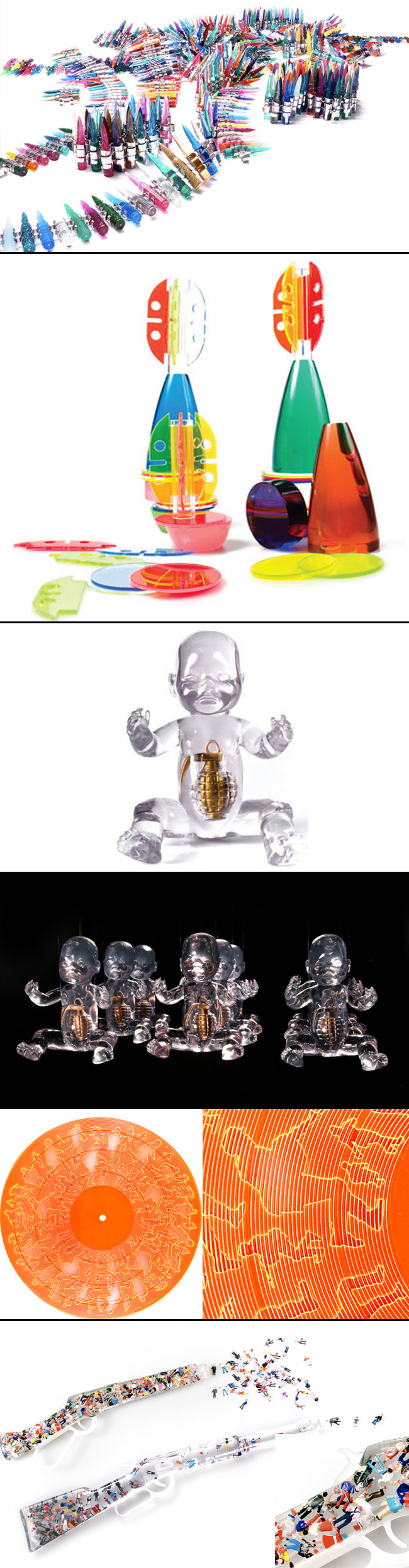
Ronit Judelman: Games People Play

Pop art, Anti-war, South African artist, contemporary artSouth African Art, Anti-war art, contemporary art, political art, sculptureClick to enlarge.

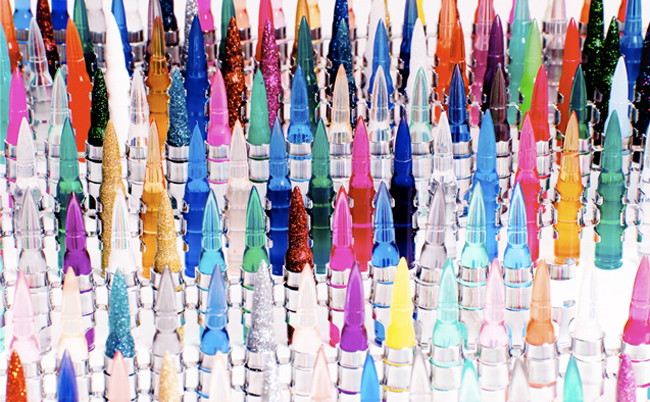
Of Polish Jewish origin, born in Paris, and currently residing in Johannesburg, South Africa, Ronit Judelman (a clinical psychologist and second-generation Holocaust survivor in addition to being an artist) focuses on the paradoxical nature of society and specifically as it pertains to the horrors of war. In her series Weapons of Mass Destruction: Games People Play, Judelman juxtaposes toys with weapons “to highlight the paradox of using war to achieve peace [she] combined children’s toys, which stand for safety, innocence and fun, with adult weapons, which symbolize aggression, deviance and cruelty.” As a result, the works are a bit unsettling and quite powerful.

From top to bottom:
Crayons; Bim Bum Bombs (cast from a mold of a WWII British four-inch mortar bomb); Baby Doll; Ring a Ring a Rosey; Guns

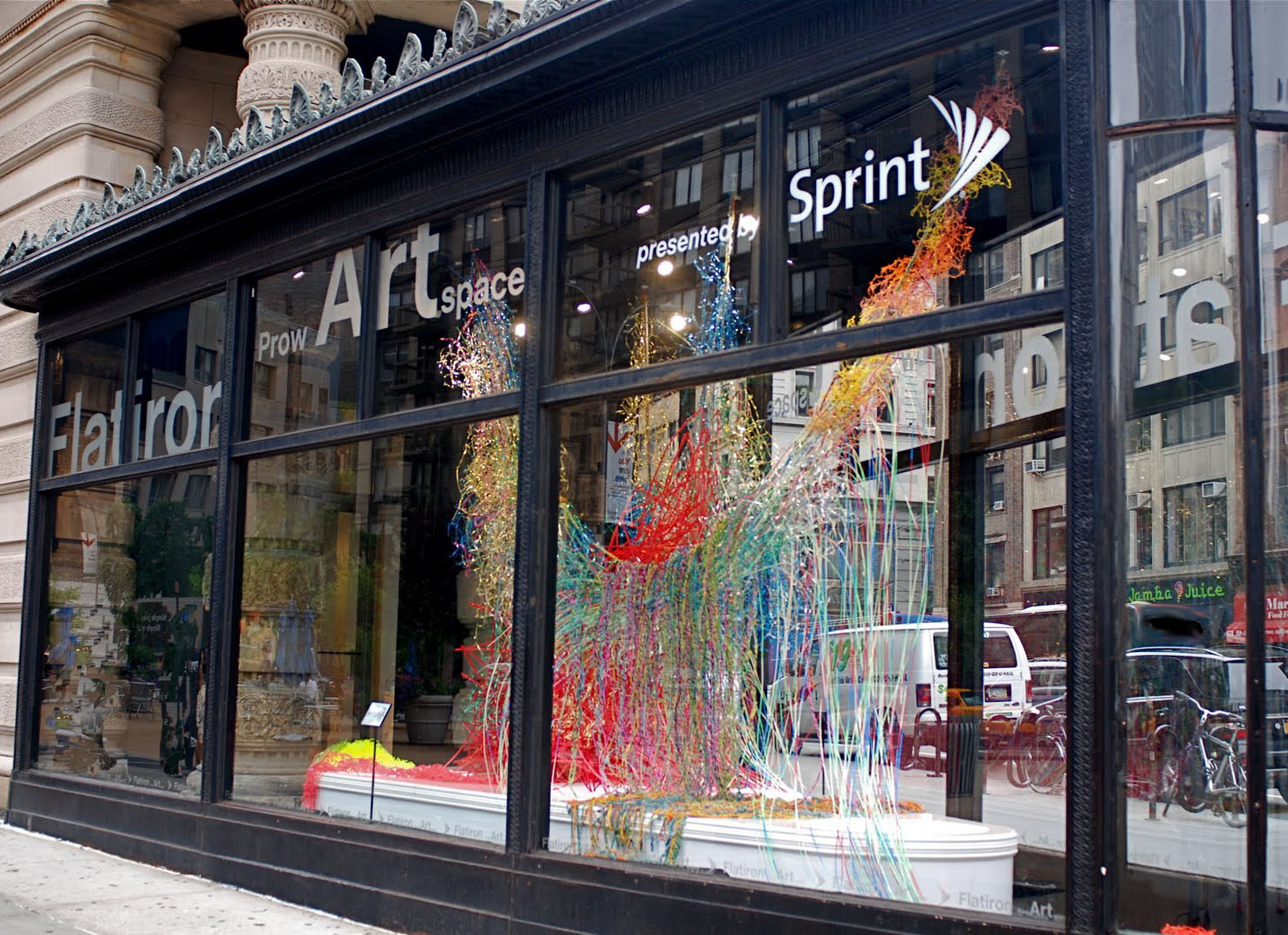
Miles Neidinger: Everything We See is Never Enough

art installation, nyc, found objects, contemporary artart installation, nyc, found objects, contemporary artClick on images to enlarge.

I was walking past the Flatiron building last weekend and came upon this art installation by Miles Neidinger in the Sprint store window at the base of the building. Everything We See is Never Enough is the name of the piece made of twist ties, vinyl tape, yarn, cellophane and tinsel. This is the first of Sprint’s “Art in the Prow” series of installations.

Miles Neidinger, an artist from Missouri, uses — as he states — “the crummiest materials” in his work:

From Neidinger’s website:
The crummiest materials are employed in this work, yet it insists on formal purity; the process of creation is strictly governed as a means of randomizing the final product. I ask the viewer to uplift twist-ties to the realm of architecture and elevate them to the realm of beauty.
Reversals are staged between banality and beauty, synthetic and organic. These concepts are balanced in such a way that the viewer can oscillate between a preconceived utility of an object and, its new found physical state. With this new physicality I enable the viewer to make new concept formations and, associations regarding familiar objects.

I think the newspaper installations are my favorites.

Michael Jantzen: Architecture as Art

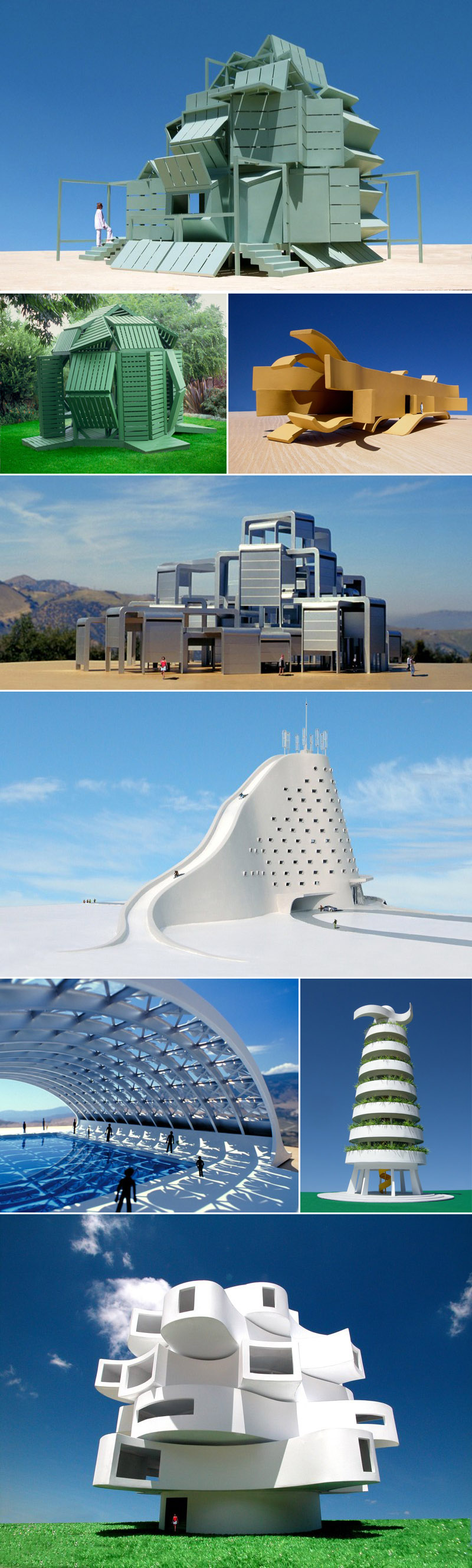
architecture, sustainable designs, mobile structures, conceptsarchitecture, sustainable designs, mobile structures, conceptsClick to enlarge.

Michael Jantzen, an artist and designer based in California, uses architecture as an art form. By combining art, architecture, technology and sustainability, he proposes new ways of living and considers himself an inventor and problem-solver.

Jantzen has a particular interest in exploring public gathering centers using sun and wind as energy sources and in turn sharing that energy with the community where the center is built.

From top to bottom, and left to right:
M-house (recently sold to an art collector in Korea); M-2; First M-velope; Contemplation Pavilion; Garage Door Pavilion; North Slope Ski Hotel; Wind Shade Roof; Eco-Tower; Wind-shaped Pavilion.

You can see many more of Michael Jantzen’s designs here.

via designmilk

Patricia Piccinini: Vespa Art

Contemporary art, vespas, creatures, sculptureContemporary art, vespas, creatures, sculptureWhen we were in Istanbul a couple of weeks ago, we happened upon the Arter gallery showing an exhibit of Patricia Piccininis work. Patricia Piccinini – in addition to having a great name (I think it’s the extra “ni” that makes it especially delightful) – is an Australian artist who works in several styles and mediums. One of these is a Vespa-inspired series of sculptures.

These wide-eyed and appealing deer-like creatures are molded by an automotive modeler using ABS plastic, automotive paint, stainless steel, leather, and rubber tires, of course. They represent Piccinini’s thoughts on machines behaving as animals; taking on a personality. We as humans are sometimes scared by their autonomy and our lack of control over them.

From top to bottom and left to right:
Thicker than Water; The Stags (x2); Thicker than Water; The Lovers; The Nest (x3).

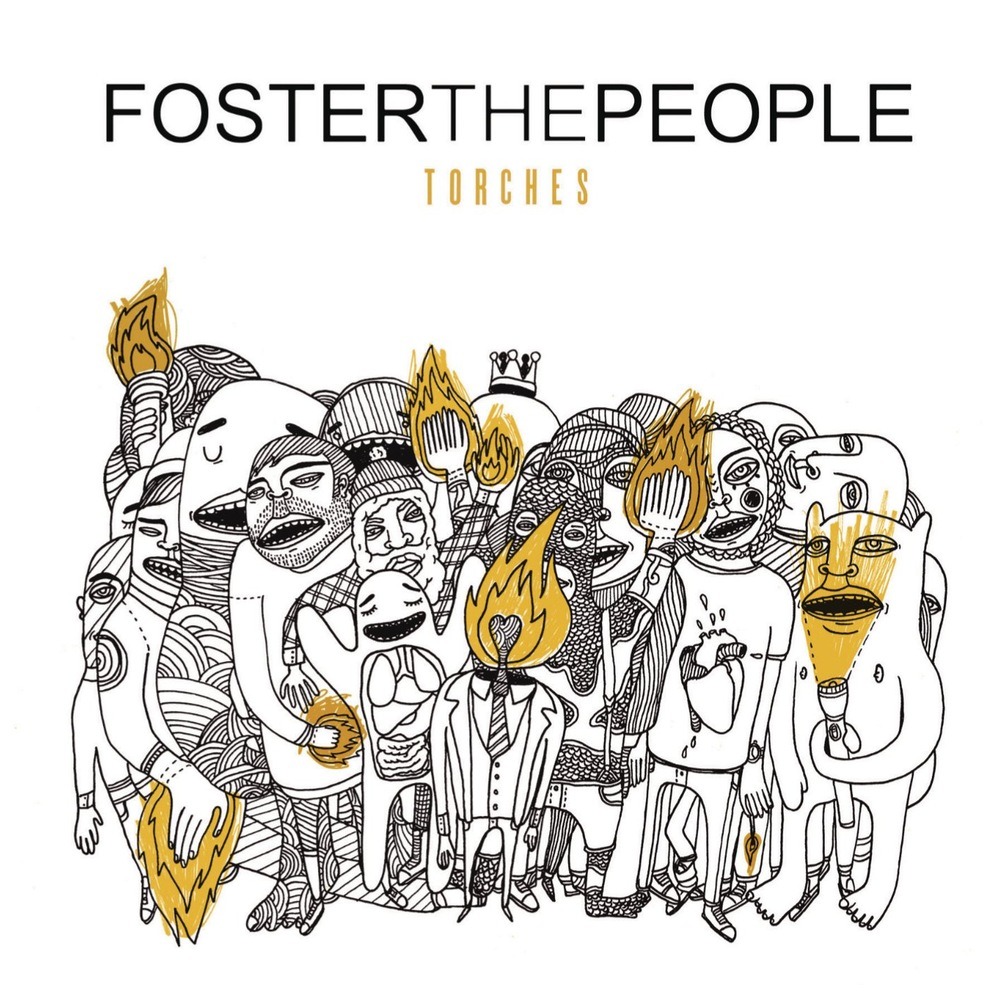
Foster the People: Pumped Up Kicks

Music, Pop, Pumped Up Kicks, summer 2011

I’m figuring that this has been around for a bit, being that I just heard it nominated on NPR for best song of the summer, but it’s new to me. Foster the People is an LA band and, at least in this song (Pumped Up Kicks), they sound, to me, like a blend of MGMT and Peter, Bjorn & John down to the whistling segment. Very catchy. Very boppy. But if you listen to the lyrics, it’s not quite as lighthearted as it sounds.

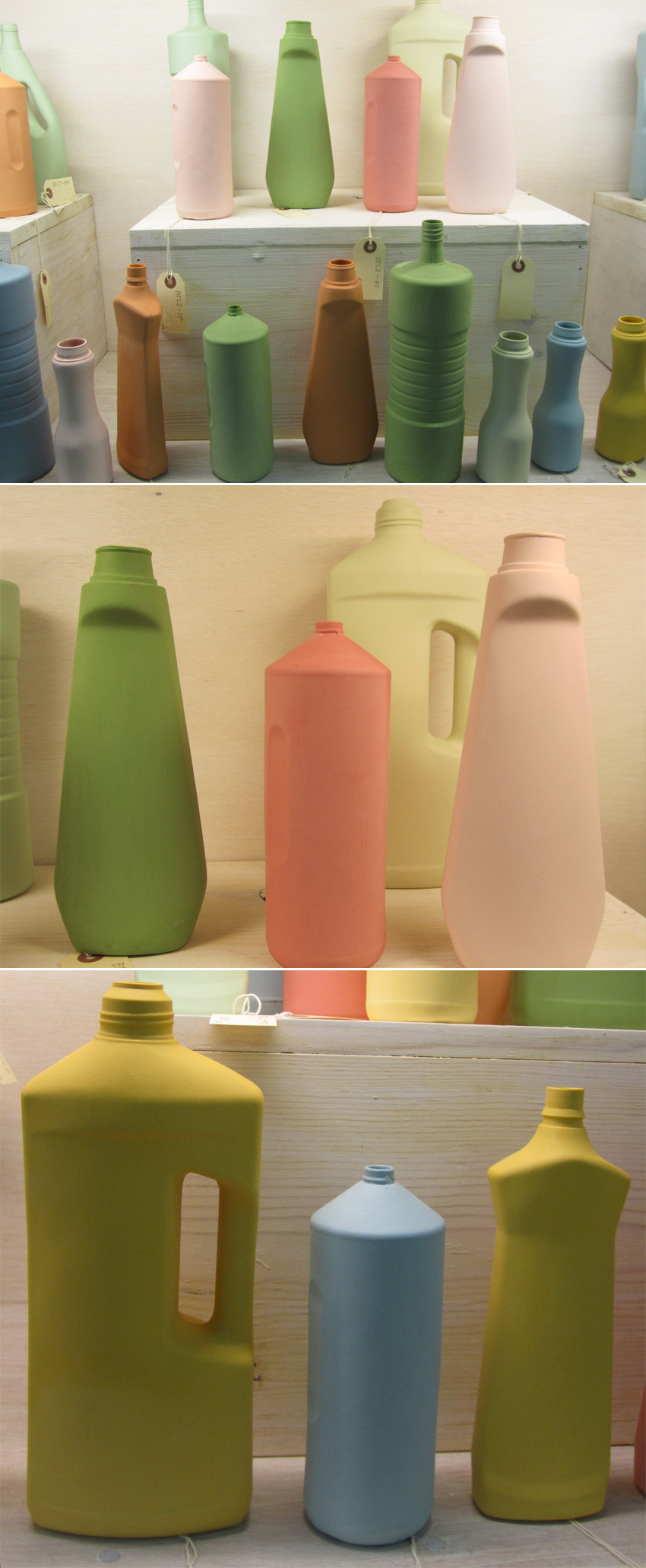
Porcelain Cleaning Bottle Vases

Porcelain Cleaning Bottle vases, Middle Kingdom, designPorcelain Cleaning Bottle vases, Middle Kingdom, designEver wish that your Joy dishwashing detergent bottle, or your Lysol disinfectant bottle could be used as a vase? No, me neither. But I have to admit that when I saw Middle Kingdom Porcelain’s new line of colorful porcelain cleaning product bottles at the NYIGF this weekend, I loved them. They have a matte finish that I like but may give some, more sensitive people, chills to the touch. They’re fun and funny and instantly made me think of Claudio Bravo’s still lifes.

They’re not on Middle Kingdom’s website just yet, but I’m sure they’ll have info on them soon.

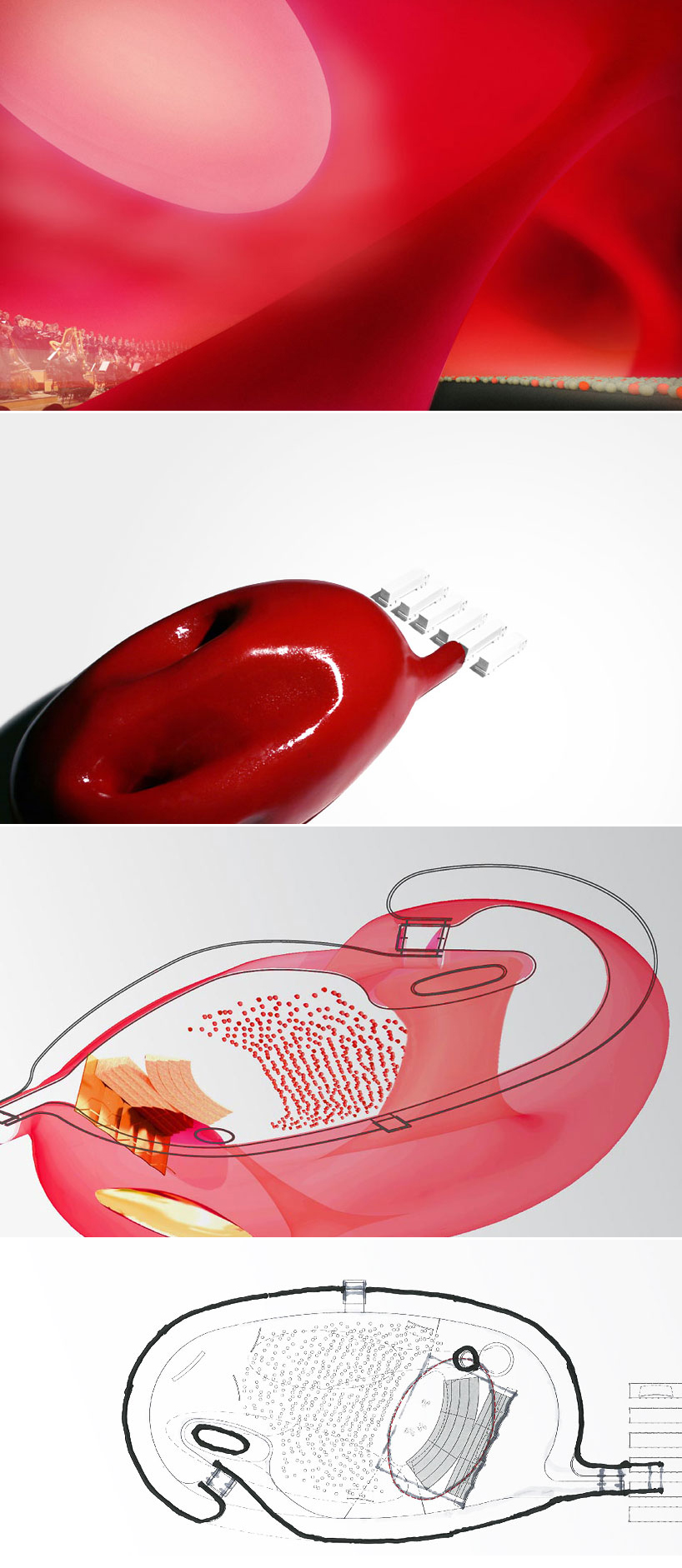
Ark Nova: Kapoor & Isozaki

art, sculpture, cool architecture, kapoor, isozaki, japan concert hallart, sculpture, cool architecture, kapoor, isozaki, japan concert hallClick to enlarge

This looks quite spectacular! World renowned artist and architect Anish Kapoor and Arata Isozaki, respectively, have teamed up to create Ark Nova, a mobile concert hall. An initiative of the Lucerne Festival and Kajimoto Music, the idea behind the unit is to bring hope through music to those who are living with the after effects of the earthquake and tsunami in Japan this year.

The concert hall can be easily transported, making it possible to visit many locations within the devastated area. The structure, designed by Kapoor, will be inflatable and made of elastic material. The concert hall will bring many kinds of music and dance performances associated with the Lucerne Festival and will be supported by sponsors making it free for all.

via designboom

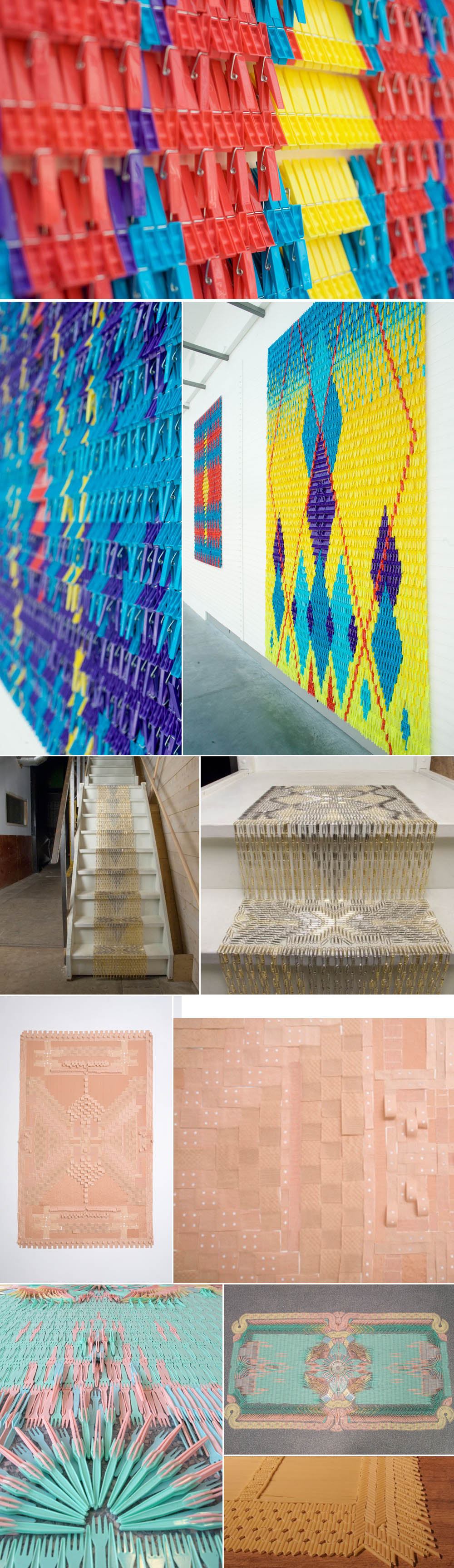
We Make Carpets

art installations, exhibits, Dutch designers and artistsart installations, contemporary art, clothespins, designClick to enlarge

The Dutch design trio that form the collective We Make Carpets are Marcia Nolte, Stijn van der Vleuten and Bob Waardenburg. Together, they have made a series of contemporary interpretations of the centuries-old medium. Their most recent carpets are presently hanging at the Graphic Design Museum in Breda, the Netherlands, made up of over 30,000 clothespins (see top four photos.) Previously, We Make Carpets have used everyday objects such as paperclips, pasta, bandaids, plastic forks, toy soldiers, and bricks, just to name a few, to make carpets of mostly large-scale dimensions.

If you’re in the Netherlands, the exhibit in Breda will be up through August 28th. If, like me, you’re nowhere near there, there’s always their site.

Regine Schumann: Art that Glows

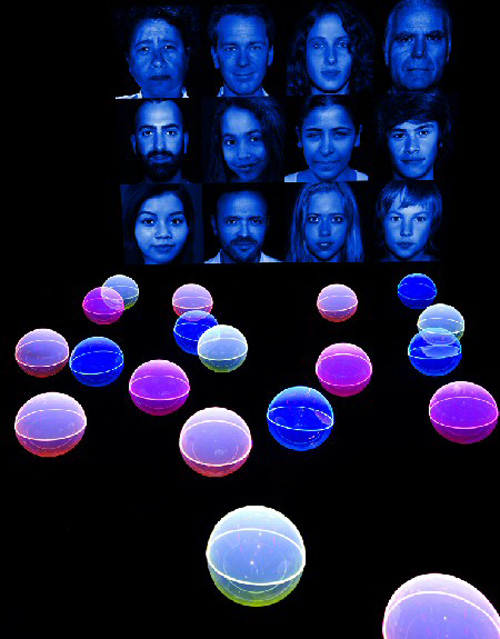
Light, Lumen installations, contemporary artLight, Lumen installations, contemporary artLight, Lumen installations, contemporary artGerman artist Regine Schumann lives and works in Cologne. Her most recently exhibited installation was Dreamteam last month at Art Santa Fe 2011. In this collaboration with Alberto Frei, Schumann combined fluorescent acrylic spheres with a grid of compelling black & white photographic portraits in a black box environment (top four photos.)

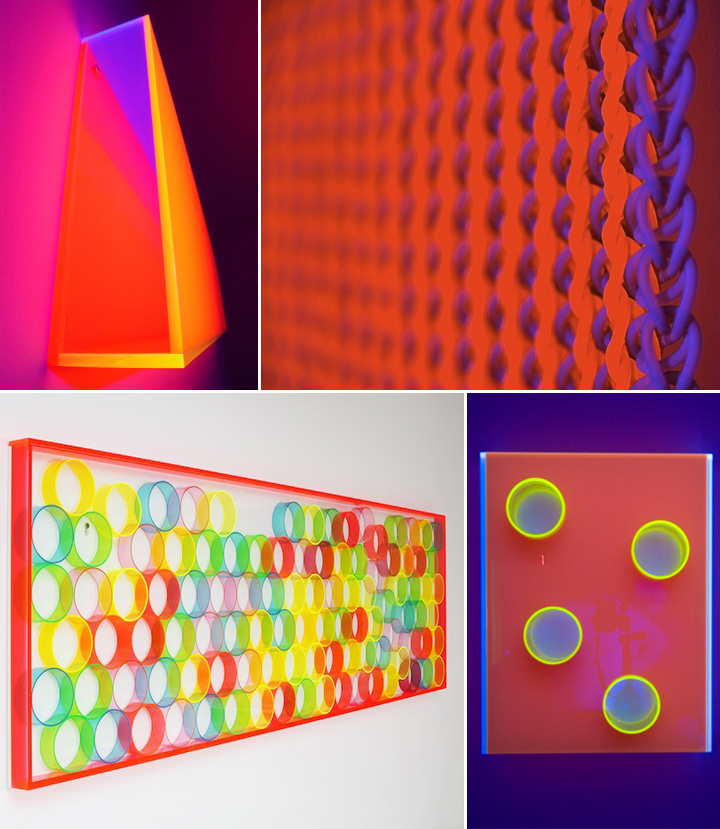
In all of her installations and works, Regine Schumann plays with color, transparency and light. Most of her work — from translucent acrylic or glass pieces to flexible plastic woven works — is typically displayed under black light creating an aura or glow around each piece and onto the nearby surfaces. In some cases where fluorescent works are involved, they emit enough of a radiant quality that allows them to be displayed in normal daylight.

You can see more of Schumann’s work here.

Clive Murphy: Inflatable Sculptures Plus

inflatable art installation, contemporary art, collabcubedinflatable art installation, contemporary art, collabcubedinflatable art installation, contemporary art, collabcubedClick images to enlarge

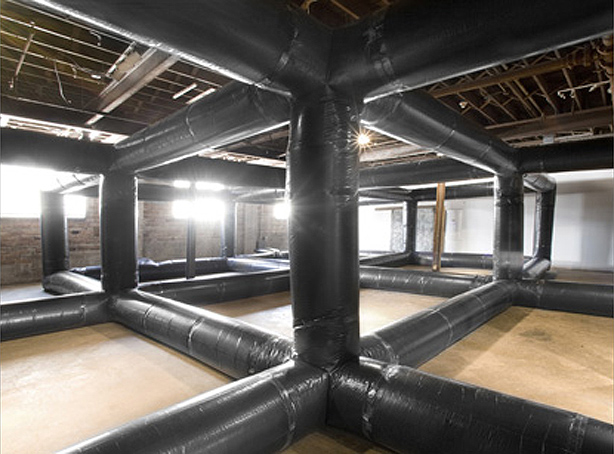
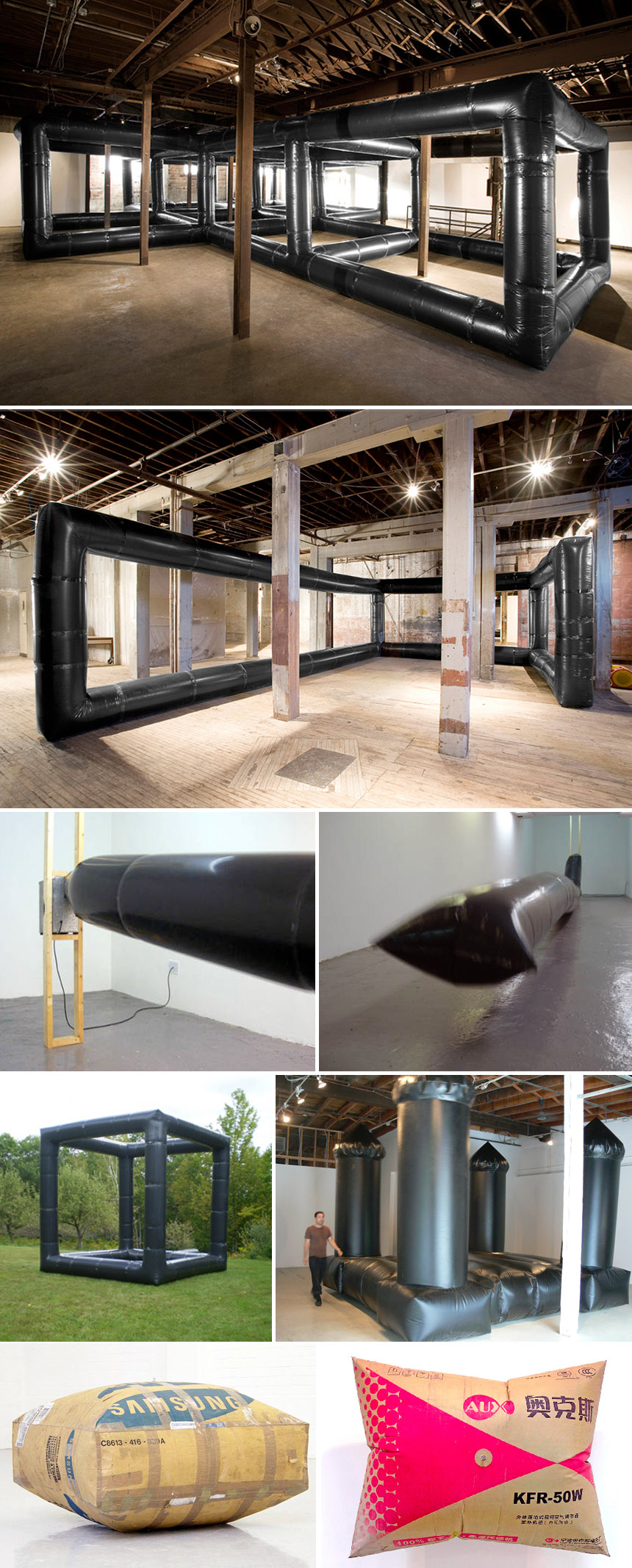
Irish artist Clive Murphy creates installations and sculptures that deal with – in his words — site and surface. From his site specific inflatable installations – made from duct-taped black garbage bags filled with air by electric fans – to his DIWIF (Demonic Intervention With Ikea Furniture) series and smaller sculptures, Murphy tends to work in a lo-fi manner embracing low-brow culture.

I am especially a fan of his DIWIF (Demonic Intervention With Ikea Furniture) sculpture. The monstrous-like work would make anyone smile who has attempted to put together the infamous flat-packed furniture. The sculpture comes complete with Murphy’s humorous diagrammed instructions on how to assemble.

From Murphy:
‘In my work I’m constantly interested in examining the peripheral, insignificant and sometimes seemingly ridiculous as a means of illustrating a sense of interconnectivity and also rebutting certain hierarchical value systems, so in this context building an architecturally orientated inflatable from plastic seems appropriate.’
From top to bottom: Almost Nothing, site specific inflatable structure at the Soap Factory, Minneapolis; MONO, site specific kinetic inflatable single tube sculpture, Pallas Contemporary Projects, Dublin; Inflatable Trash Bag Cube, MagnanMetz Gallery; Pneutopia, Inflatable Bouncy Castle, MagnanMetz Gallery; Inflatable Box Series x2; DIWIF (Demonic Intervention With Ikea Furniture) complete with instructions by the artist, MagnanMetz; Neon Toaster; Untitled (Ice Sculpture). Photos courtesy of Pallas Projects, the Soap Factory, and MagnanMetz Gallery.

Cinnamon Lee: Rings

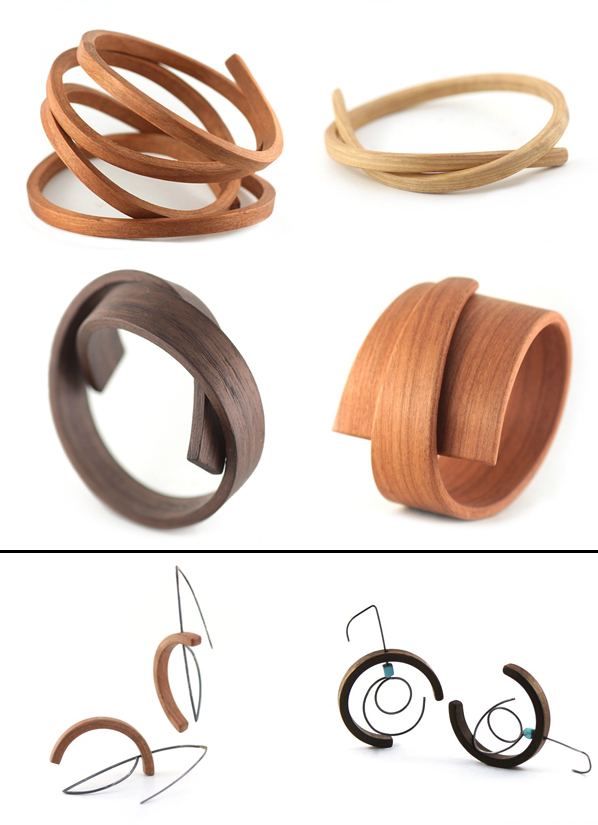
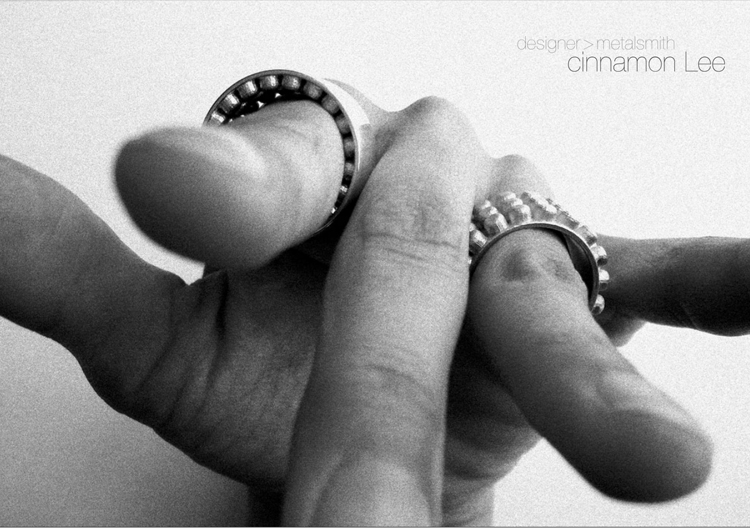
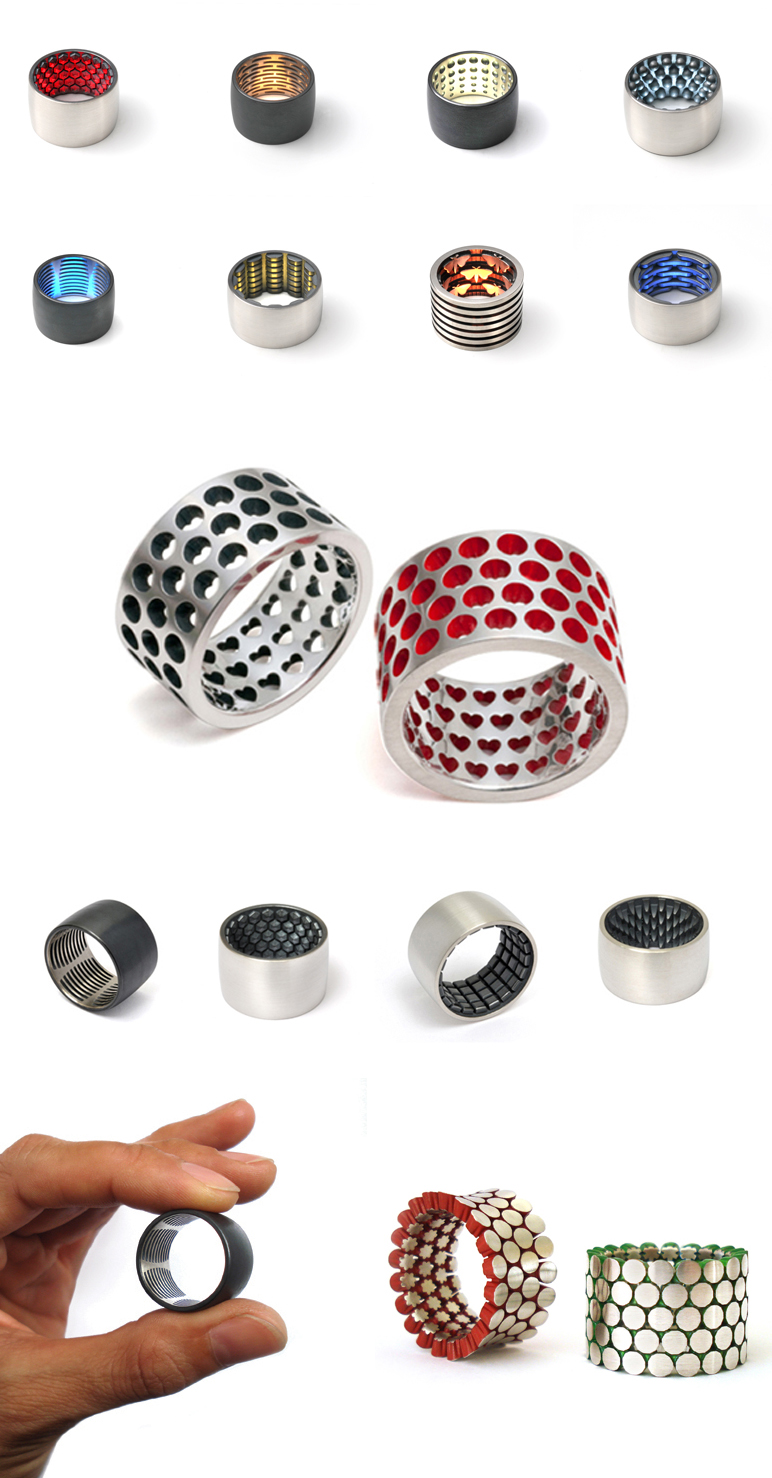
Jewelry, rings, design, silver, contemporary designJewelry, rings, design, silver, contemporary designLately, there’s been a lot of ring purchasing and wearing by the youngest member of our collabcubed. The bigger the better. The more the merrier the fingers. So, it’s not surprising that I would have focused more than usual when I came across Cinnamon Lee’s website.

An Australian artist who makes contemporary jewelry and lighting, Cinnamon Lee combines 3D computer modeling techniques with more traditional gold and silversmithing techniques to create subtle interactions between machine and handmade, as well as functional and emotional, and exterior vs. interior.

Michael Taylor: Luminescence Photos

light painting photographs, lumen, artlight painting photographs, lumen, art, contemporary photographyClick to enlarge

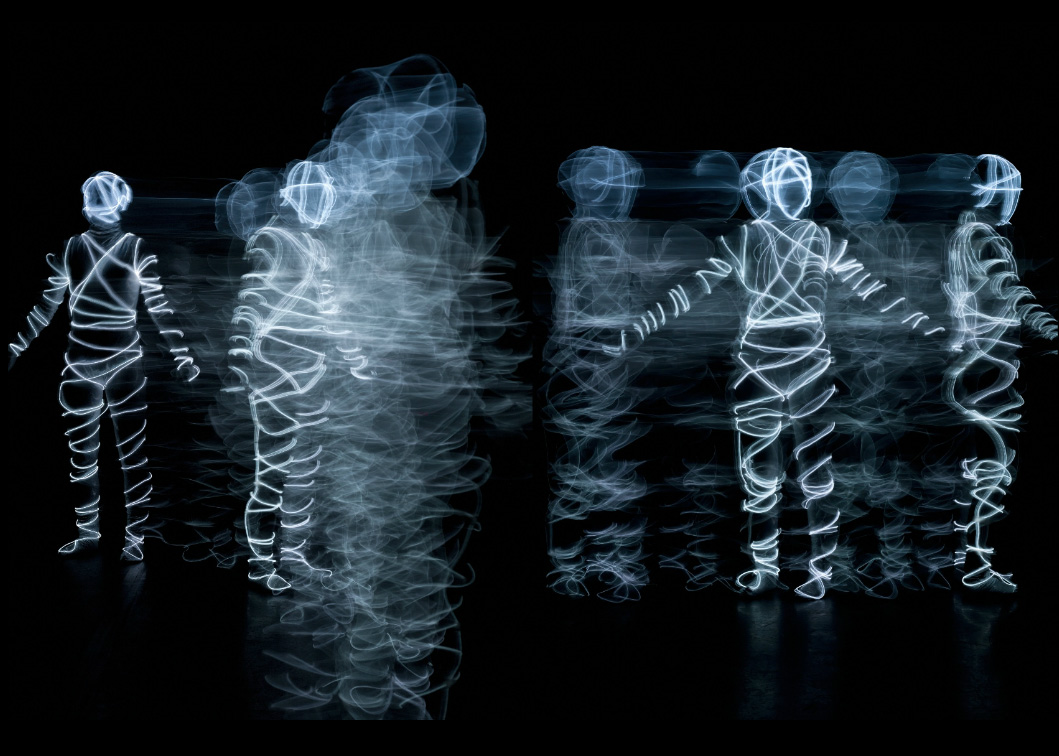
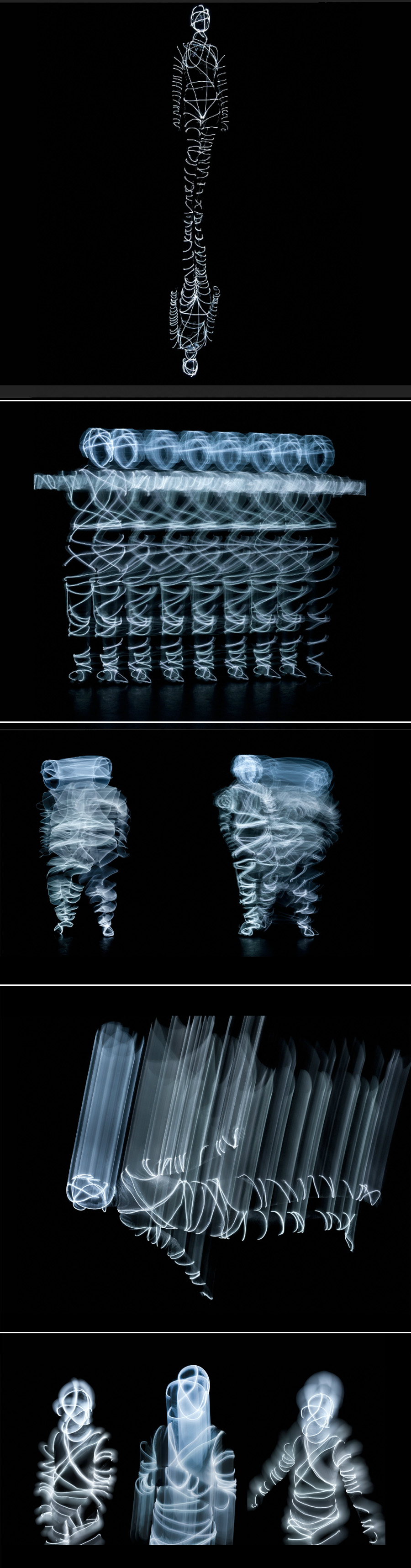
Photographer Michael Taylor from Northern Ireland aims to “let light reveal itself.”

Using electroluminescent wire, Taylor explores luminescence. A current is passed through a copper wire causing the surrounding phosphor coating to emit light. The EL wire is wrapped around or within the costumes worn by the model and the movements are then recorded introducing a kinetic element. The result: some very cool photos.

via Saatchi Online