
Repurposing Abandoned Paris Metro Stations

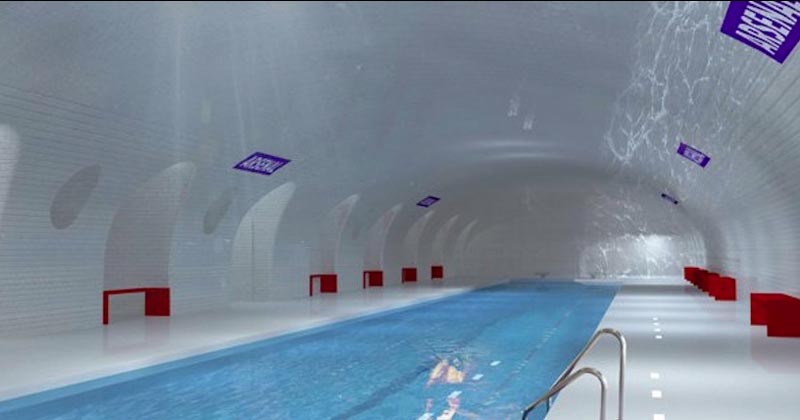
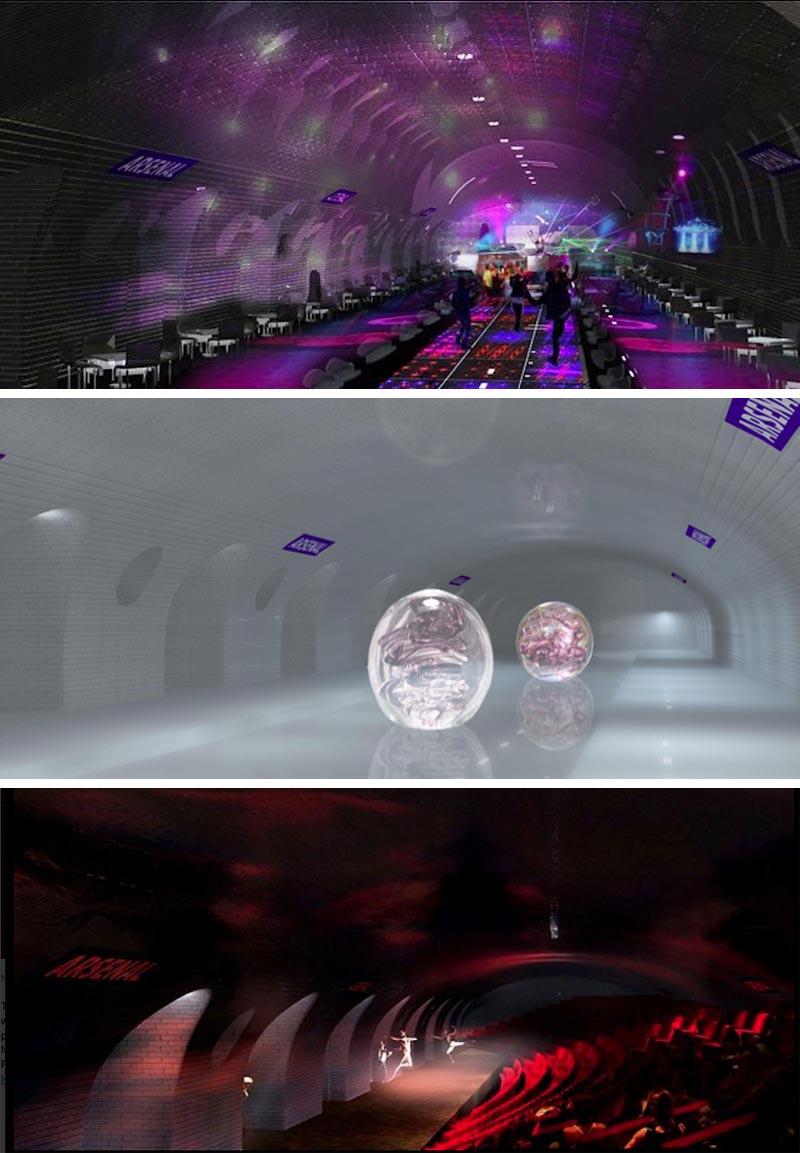
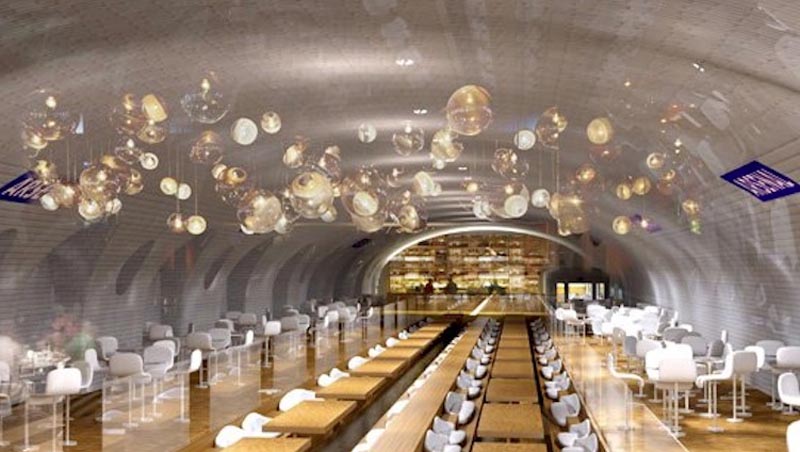
Reimagined/repurposing abandoned paris metro subway stations, cool architecture concepts for underground stations, OXO Architects + Laisne Architecte UrbanisteReimagined/repurposing abandoned paris metro subway stations, cool architecture concepts for underground stations, OXO Architects + Laisne Architecte UrbanisteReimagined/repurposing abandoned paris metro subway stations, cool architecture concepts for underground stations, OXO Architects + Laisne Architecte UrbanisteThis is such a fun idea. Paris mayoral candidate Nathalie Kosciusko-Morizet is proposing, as part of her platform, to repurpose some of the 14 to 16 abandoned Metro stations in the city of light , converting them into cultural or recreational gathering spaces. The project aims to bring back life to these phantom stations by giving them a new function. She commissioned architectural firms OXO Architects + Laisné Architecte Urbaniste to come up with a series of concepts, rendering the Arsenal subway stop as a restaurant, swimming pool, nightclub and theater. How cool would that be? If it weren’t for all the frolicking rats rejoicing on the NYC subway tracks, I would vote for any of these concepts in this very town. Or maybe one of these could be worked into the Lowline?

via archpaper

Sugar Metropolis: Harlem

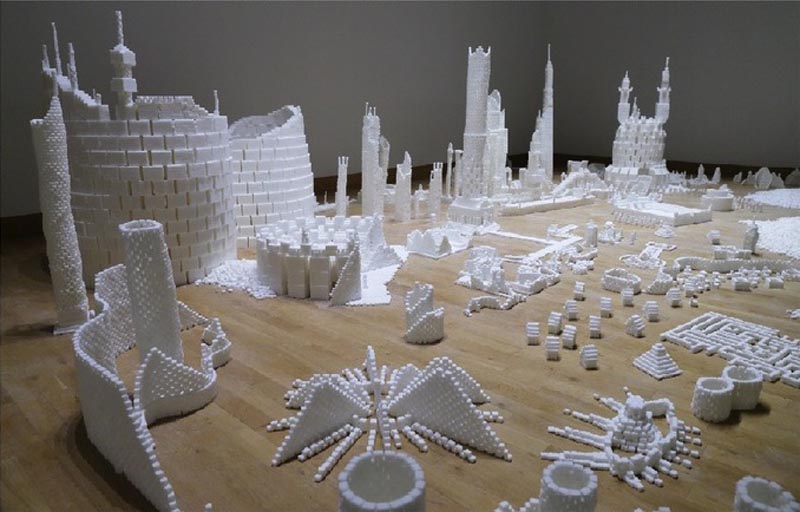
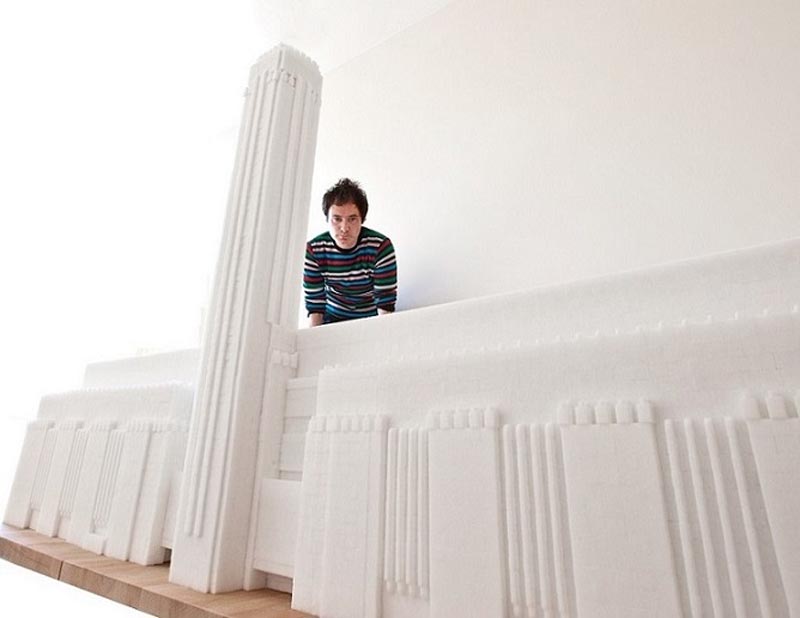
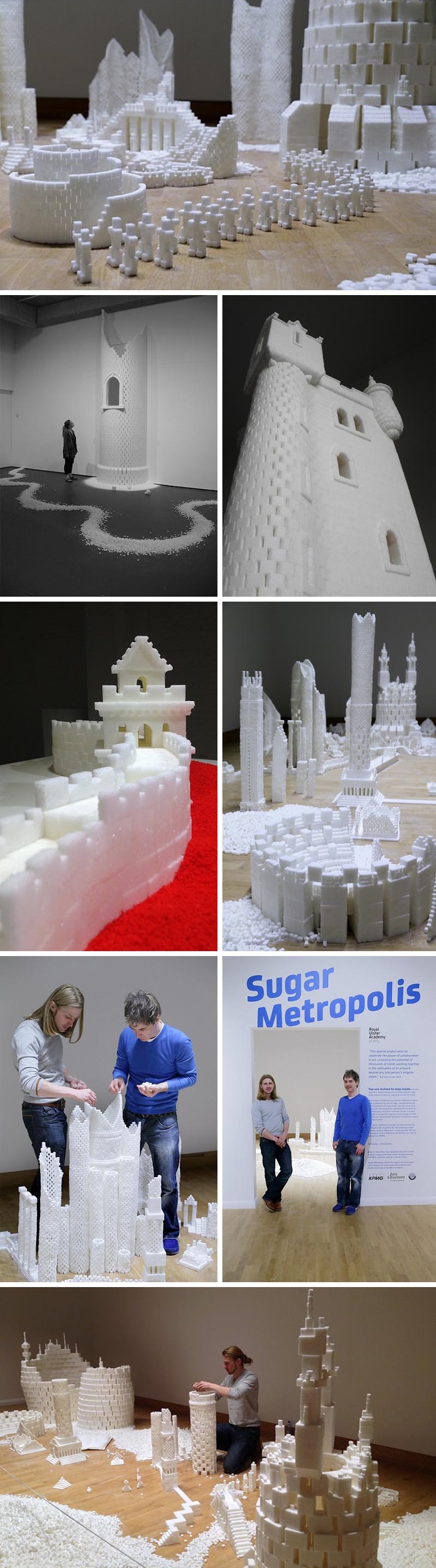
Sugar Metropolis project for kids in Harlem, Summer 2014, Brendan Jamison and Mark Revels, community art, sugar cube artSugar Metropolis project for kids in Harlem, Summer 2014, Brendan Jamison and Mark Revels, community art, sugar cube artSugar Metropolis project for kids in Harlem, Summer 2014, Brendan Jamison and Mark Revels, community art, sugar cube artWhat would you do with 500,000 sugar cubes? Well, if you’re Irish artist Brendan Jamison and his sculptor collaborators Mark Revels, Mary McCaffrey, Lydia Holmes, and David Turner, you build a metropolis, naturally. A Sugar Metropolis. Brendan Jamison and his crew did just that this past October through January at the Ulster Museum in Belfast, Northern Ireland, inviting visitors to participate in the ongoing construction of sugar buildings with the assistance of the experts. Now, with the help of No Longer Empty (previously here and here) they’re bringing their project to Harlem this summer; the Sugar Hill district, no less! The event aims to celebrate the power of collaboration in art, engaging local residents of all ages in the community to help build their own Sugar Metropolis, with the goal to ignite the imagination of everyone in the neighborhood. Brendan Jamison has created a Kickstarter page to help fund the project, so see if you might want to consider contributing to their generous creative efforts.

Here’s Ulster installation in progress:

Shelley Jackson: Snow Story

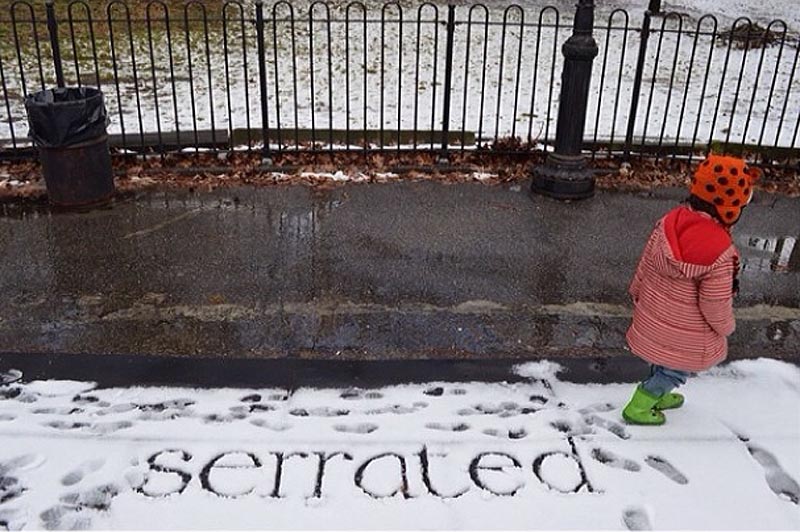
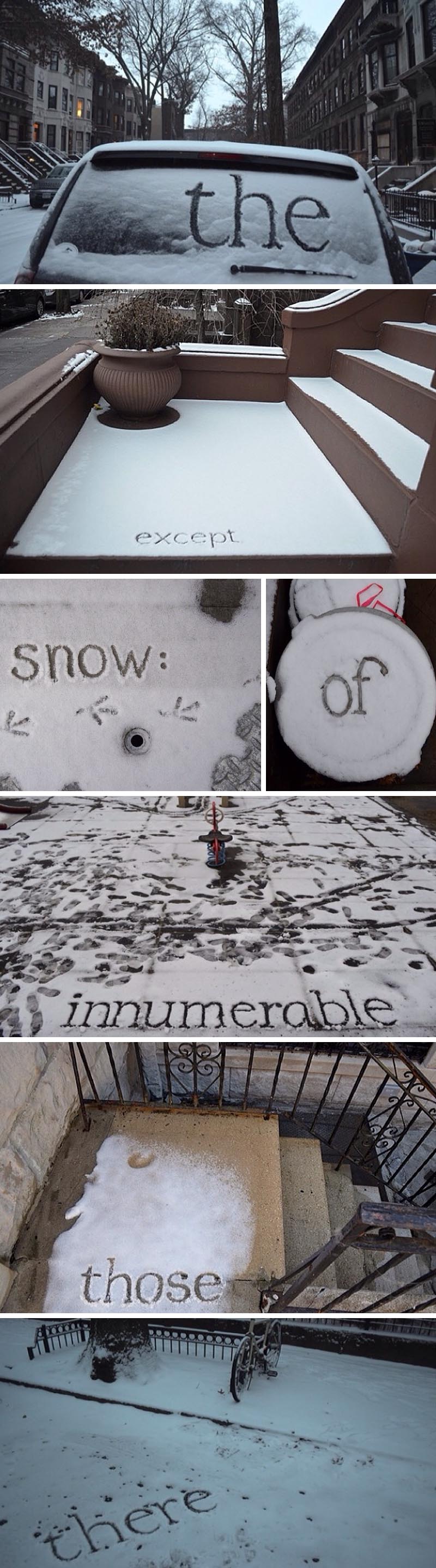
Shelley Jackson writes words in the snow to create a story on instagram, typography in snow, nycShelley Jackson writes words in the snow to create a story on instagram, typography in snow, nycShelley Jackson writes words in the snow to create a story on instagram, typography in snow, nycIt’s been, and continues to be, a long and relentlessly snowy winter here in NYC this year, but Brooklyn-based author/illustrator Shelley Jackson is making the best of it. With admirable handwriting, Jackson has set out to writing a story in the snow—one word at a time—photographing each one and posting them to her instagram. Reading from oldest photo to newest, you can follow the ongoing story, waiting with bated breath for the next words to appear. Photos, it seems, are posted in relatively large batches roughly once a week, so maybe you can get a sentence or two in at a time. Story aside, the photos themselves are lovely, with great composition and a splash of color here and there. This is not the first time Shelley Jackson has taken to story-telling a word at a time; SKIN, a story published in tattoos on the skin of 2,095(!) volunteers is a previous project.

You can follow SNOW (in reverse order) over here, “weather permitting”, but from the looks of things outside, that shouldn’t be an issue…this could end up being a multi-volume story.

via gothamist via the awl

Fred Cray: Unique Photographs

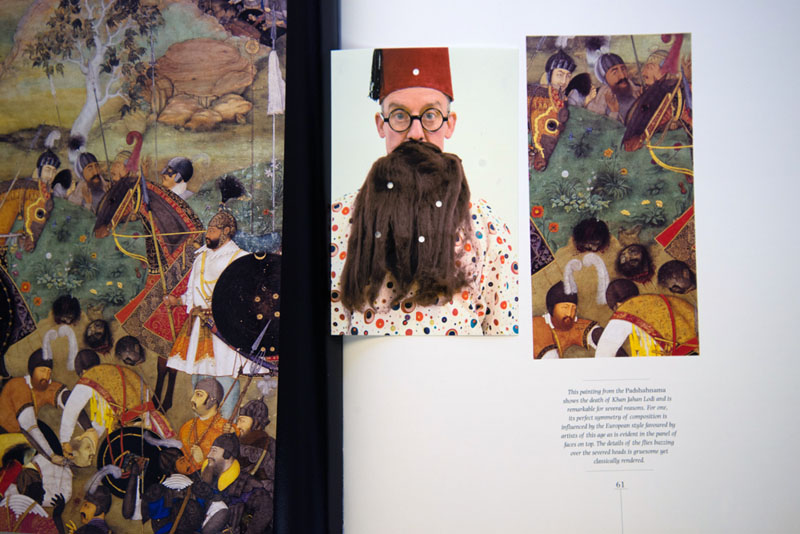
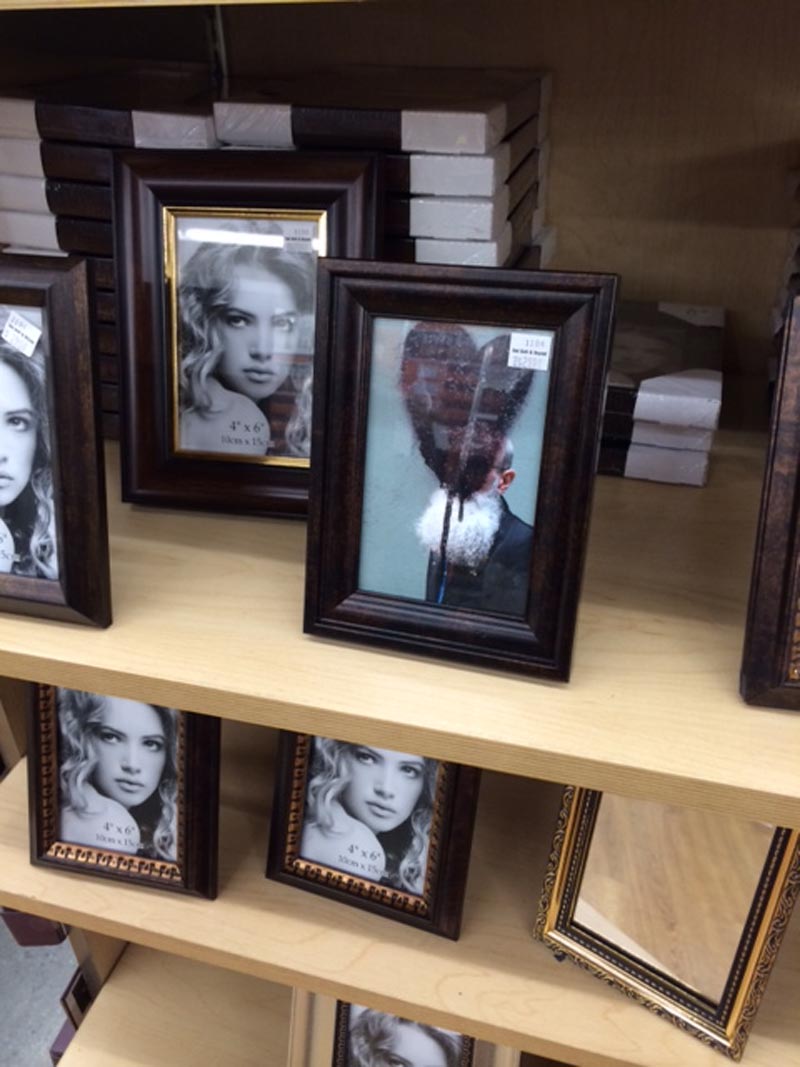
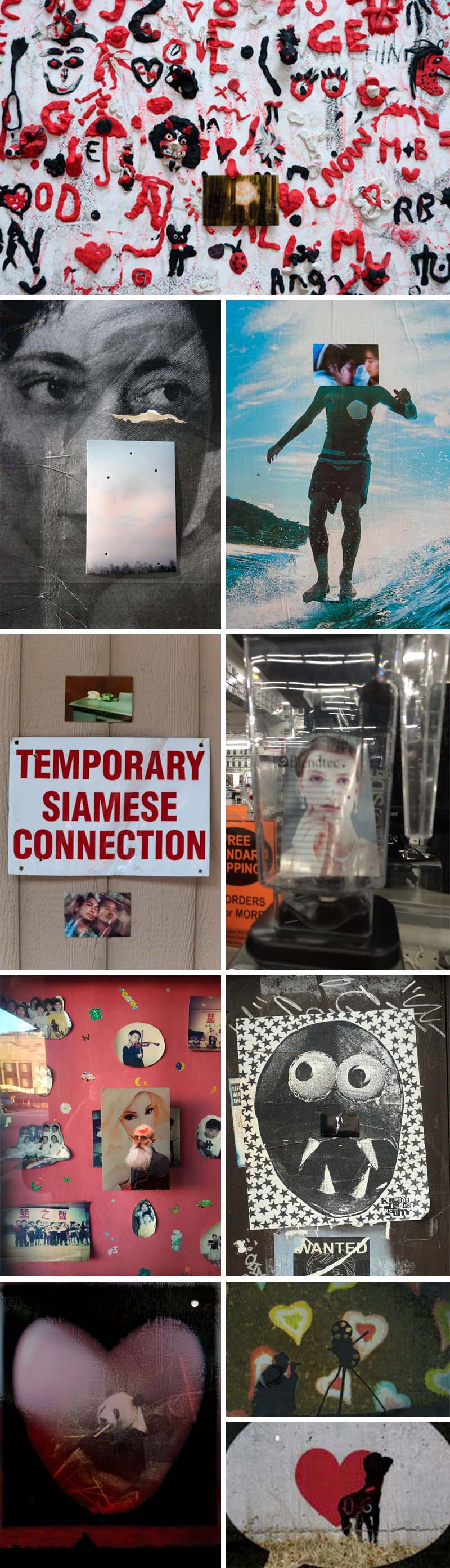
Fred Cray, Unique Photographs, photos by the artist hidden all around the world to surprise. Janet Borden Gallery, Changing of the GuardFred Cray, Unique Photographs, photos by the artist hidden all around the world to surprise. Janet Borden Gallery, Changing of the GuardFred Cray, Unique Photographs, photos by the artist hidden all around the world to surprise. Janet Borden Gallery, Changing of the GuardPhotographer Fred Cray’s (previously here and here) latest exhibit at Janet Borden Gallery centers around his ongoing work titled Unique Photographs. It’s a fun idea that engages the public, distributing his unique artworks in the most unexpected places. But, really, who better to describe it than the photographer himself?

“This project is referred to as Unique Photographs which is also the title of the first overview book about the project. The second book, Changing the Guard, is a counter point to the first book and uses the same image double printed to make hundreds of unique print variations. The photographs have been hidden literally around the world with the intent of surprising people in pleasant ways, perhaps being kept as gifts. This should be an on-going project taking on new permutations for a number of years. The photographs have been stamped and numbered with holes being punched in the photographs recently to reinforce the notion of the photographs being unique objects.”

You have until February 21st to see the show at Janet Borden. Additionally, you can purchase both books here and here. And keep your eyes peeled for Fred’s unique photographs around your neighborhood. You never know where the next one might pop up…

Times Square Valentine Heart Sculpture

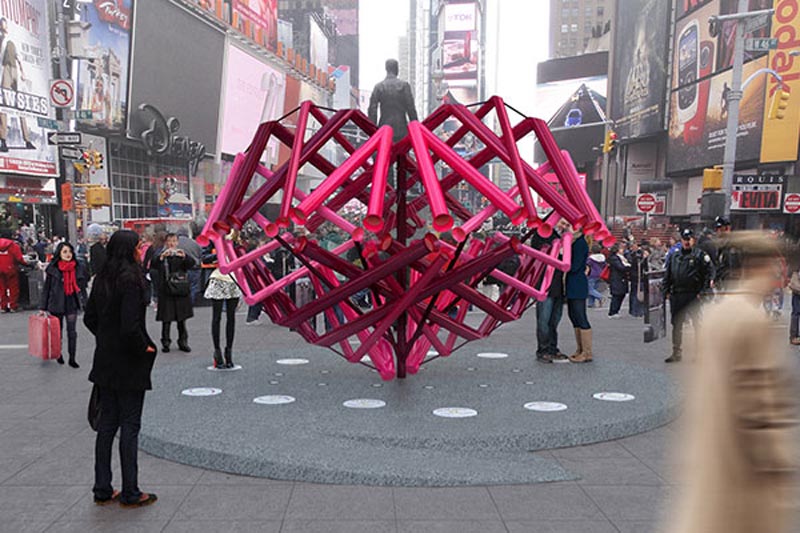
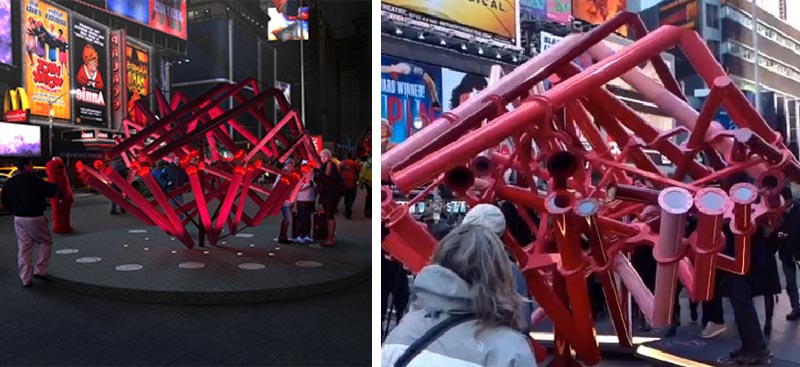
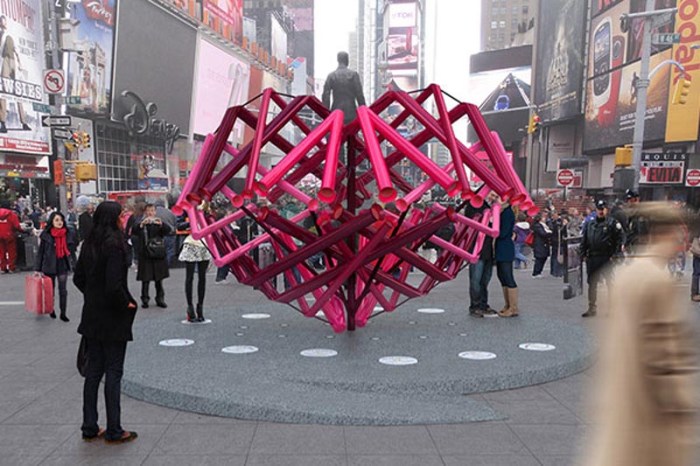
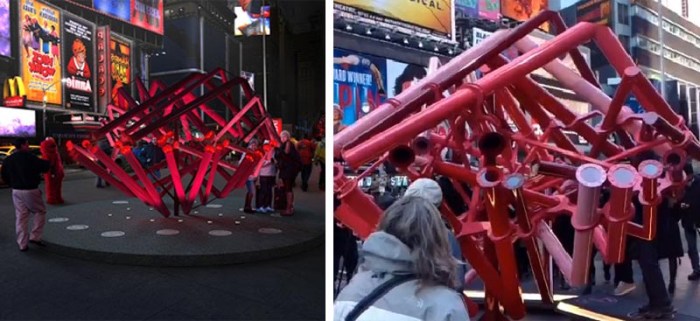
Times Square Valentine Heart Sculpture Competition 2014, Match-Maker, Young Projects, Interactive sculpture shaped as heart, NYCTimes Square Valentine Heart Sculpture Competition 2014, Match-Maker, Young Projects, Interactive sculpture shaped as heart, NYCTimes Square Valentine Heart Sculpture Competition 2014, Finalists, Young Projects,  Haiko Cornelissen Architecten; Pernilla Ohrstedt Studio; Schaum/Shieh Architects; SOFTlab; and The Living.Interactive sculpture shaped as heart, NYCIt’s that time of year again, when all things turn red and heart-shaped in honor of St Valentine. Times Square is no exception. Now in its sixth year since the revitalization of Father Duffy Square, Times Square Arts held their annual Times Square Valentine Heart Design Competition for a heart- and love-themed interactive sculpture to be placed across the square from the TKTS booth steps. This year’s winning design is Young ProjectsMatch-Maker that will cosmically connect people, guided by their zodiac signs. Peering through bright red, interwoven periscopes – which, from certain angles, appears as an iconic heart, while from others a more abstract tangled object – visitors are offered glimpses of their four most suited astrological mates.

But while Match-Maker is a clever design, the competition was no slouch either. The five finalists were strong candidates and merit mentioning as well. Haiko Cornelissen Architecten submitted Tweet Heart NY, an illuminated heart that would pulsate with every tweet @ it. The more tweets, the faster the pulse. Schaum/Shieh Architects offered My Fuzzy Valentine, a striped graphic reflective structure that would create moiré patterns when rotated that pulse like a beating heart, as well as making for great selfie opportunities and creating digital Valentine-grams. Next, The Living proposed Vapor Valentine: a dynamic cloud that captures and displays the ever-changing life and light of Times Square. People could interact with the heart through touching and blowing the cloud, through placing their hands on the glass box to affect the vapor inside, and through a custom text-messaging hotline. Heart, proposed by Pernilla Ohrstedt Studio, would have been made from an illuminated circle that could be pulled and folded to form a heart. When released it would flutter until regaining its balance. Lastly, SoftLAB’s entry was inspired by the sweetness and forms of rock candy and candy hearts, hence its name Sweet ❤. Its kaleidoscopic reflective surface would capture the lights of Times Square in addition to revealing hidden messages as visitors moved their mobile cameras around the sculpture.

You can visit the winning Match-Maker sculpture through March 11, 2014, and you can read more about all the entries over here.

via Van Alen Institute
Haffenden House: Para-Project

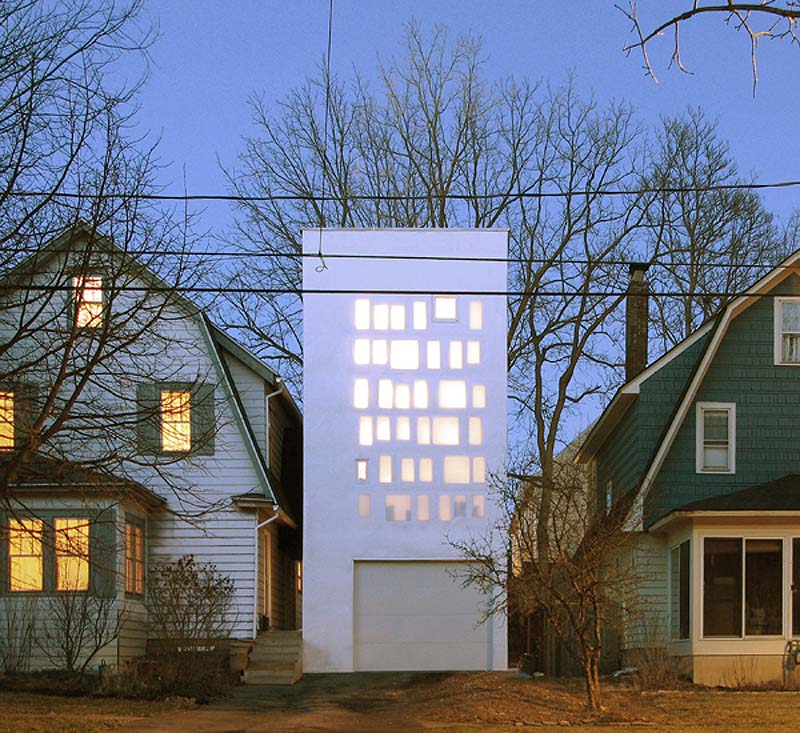
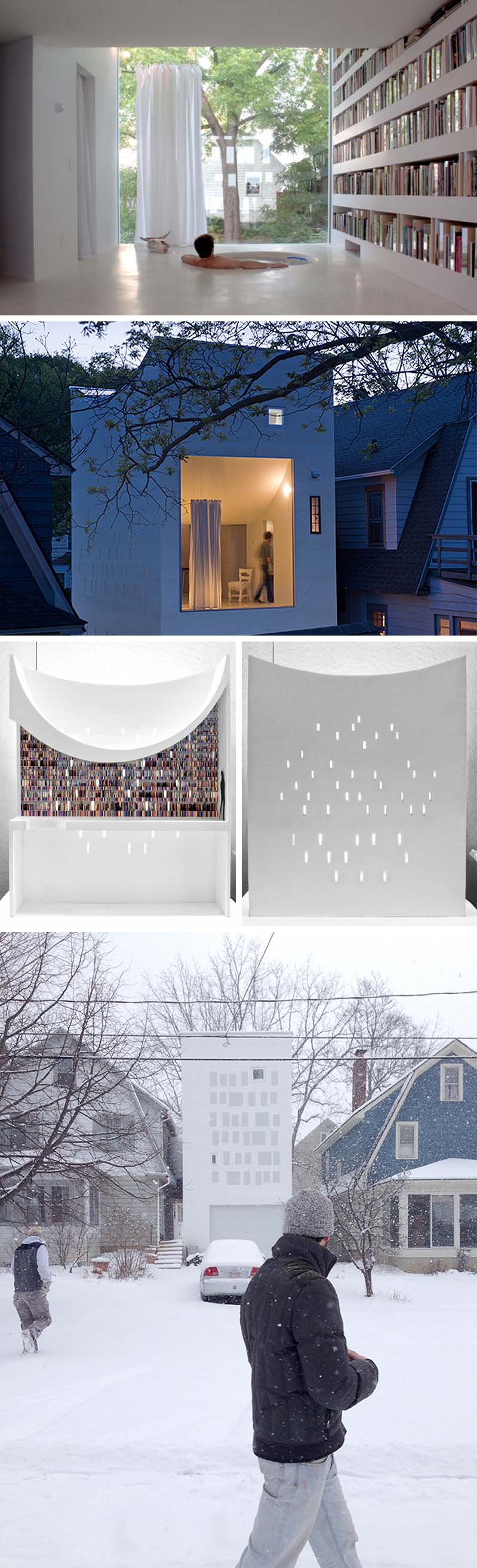
Haffenden House, Syracuse, Para-Project. Contemporary architecture. House in SyracuseHaffenden House, Syracuse, Para-Project. Contemporary architecture. House in SyracuseHaffenden House, Syracuse, Para-Project. Contemporary architecture. House in SyracuseDesigned by Brooklyn-based firm Para-Project, the Haffenden House in Syracuse, NY, departs from the traditional “house”, breaking the repetitive suburban landscape. The house, designed for two poets, includes a library and writing space on the second floor, a curved reading room above that, and a garage at its base. The 1,125 sq. foot building is wrapped in a white fabric made with silicone-impregnated fiberglass. The fabric adheres to the façade with the exception of the glass windows. The space between the glass and fabric create a fuzzy quality, allowing light in, yet providing a certain amount of privacy from the street. The back windows are not screened, offering an open view to the backyard.

All images courtesy of Para-Project.

via archrecord

Home Street Home: Le Projet FMR

Home Street Home, Le Projet FMR's street art exhibit in a Montpellier Villa pre-destruction, in FranceHome Street Home, Le Projet FMR's street art exhibit in a Montpellier Villa pre-destruction, in France. BMX, Levalet, Depose, Kashink, Leo & Pipo, Mme Moustache, Yuri Hopnn Home Street Home, Le Projet FMR's street art exhibit in a Montpellier Villa pre-destruction, in France. BMX, Levalet, Depose, Kashink, Leo & Pipo, Mme Moustache, Yuri Hopnn Last month, continuing in the tradition of converting pre-demolition or abandoned sites into an opportunity for a temporary street art show – Tour Paris 13, Rae’s Word of Mouth Bodega, and Surplus Candy being prime examples – Le Projet FMR organized the exhibition Home Street Home in a villa doomed to destruction in Montpellier, France. Coralie & Tom, former lawyers who started the project, had a week to set the place up with the help of local and international street artists. Some of these include: Mr. BMX’s bikes; Levalet and the incorporated cables; Baubô in the bathroom; Mme. Moustache; Yuri Hopnn; Stoul in the kitchen; Depose’s graffiti walls; and Souredj’s sculptural street art, to name just the ones in the photos above. Home Street Home was up and open to the public from January 17th through the 19th. You can see many more photos on Le Projet FMR’s website and facebook page, and you can get a virtual tour with some artist interviews in French in the video below:

via lustik

Coffin as Solarium: Younes Baba-Ali

Coffin as sunbed, ending your life under the sun, Younes Baba-Ali, contemporary sculpture, Moroccan art, Belgian art, suntan bed as coffinCoffin as sunbed, ending your life under the sun, Younes Baba-Ali, contemporary sculpture, Moroccan art, Belgian art, suntan bed as coffinCoffin as sunbed, ending your life under the sun, Younes Baba-Ali, contemporary sculpture, Moroccan art, Belgian art, suntan bed as coffinWinter is a time of migration to warmer climate, not only by birds, but, in the past generation or two, among many of the professionally retired in western societies. And right about now, in the midst of our fourth or fifth snowstorm here in NYC — I’ve lost count — the thought is completely understandable and immensely appealing. Moroccan-born visual and sound artist Younes Baba-Ali, who splits his time between Brussels and Casablanca, has an interesting take on the phenomenon of “migratory flux”. His installation/sculpture titled Ending Your Life Under the Sun converts a coffin into a tanning bed, or is it the other way around? Who hasn’t associated those sun beds with coffins at some point? If you can get past the slightly morbid aspect, there’s definitely wiggle room for a chuckle.
via Sabrina Amrani Gallery

Veranda Café: Tihany Studio

Veranda Cafe, Tihany Design, Adam Tihany, Kuwait City, Harvey Nichols, The Avenues Mall, contemporary architecture, restaurant designVeranda Cafe, Tihany Design, Adam Tihany, Kuwait City, Harvey Nichols, The Avenues Mall, contemporary architecture, restaurant designVeranda Cafe, Tihany Design, Adam Tihany, Kuwait City, Harvey Nichols, The Avenues Mall, contemporary architecture, restaurant designOne would imagine that the new Veranda Café in Kuwait City might have upped their usual insurance policy. The striking mirrored design by Adam D. Tihany of the NYC-based Tihany Studio makes for a fun house hall-of-mirrors quality that looks like it could confuse even the sharpest person as they ascend or descend the staircase. Made using pieces of steel shaped into fractal geometric forms and then covered with a mirror finish, the entrance to the restaurant continues up the walls and onto the ceiling all the way to the reception area. Probably makes for some fun photos, seeing oneself in multiple panels at the same time. Once inside the restaurant, the design continues in a slightly warmer style that also envelopes the space, but this time in undulating pieces of wood. Quite dramatic all the way around.

via interni

Museum Bird Cages: Marlon de Azambuja

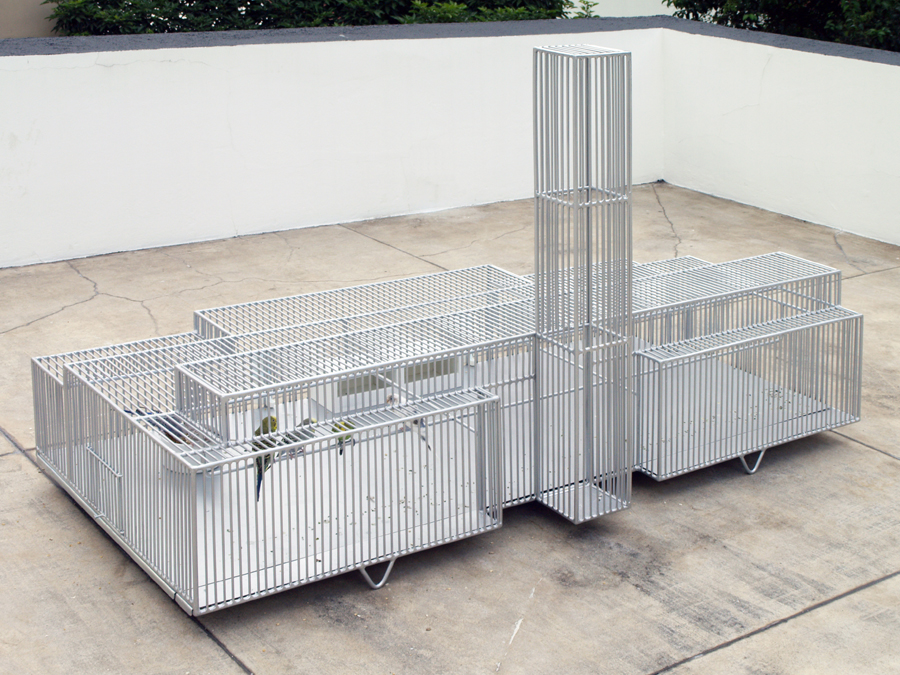
bird cages in shape of museums, guggenheim, tate, MASP, new museum, by marlon de azambuja. Contemporary sculpture, artbird cages in shape of museums, guggenheim, tate, MASP, new museum, by marlon de azambuja. Contemporary sculpture, artbird cages in shape of museums, guggenheim, tate, MASP, new museum, by marlon de azambuja. Contemporary sculpture, artMaybe it’s time birds get in on museum culture. Or at least that might be one of artist Marlon de Azambuja’s (previously here and here) goals in creating these sculptural bird cages in the shape of famous international museums. See if you can identify all four. I’ll link to photos of the actual museums: top (c’mon, that’s a freebie!); second one down; second from bottom; and bottom.

If you like these you might also enjoy these gingerbread museums.

Jon Burgerman: Head Shots

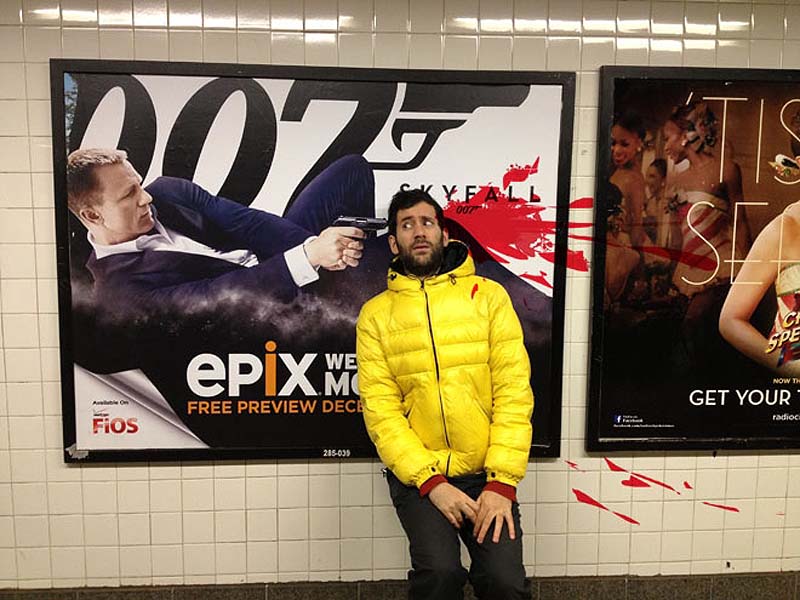
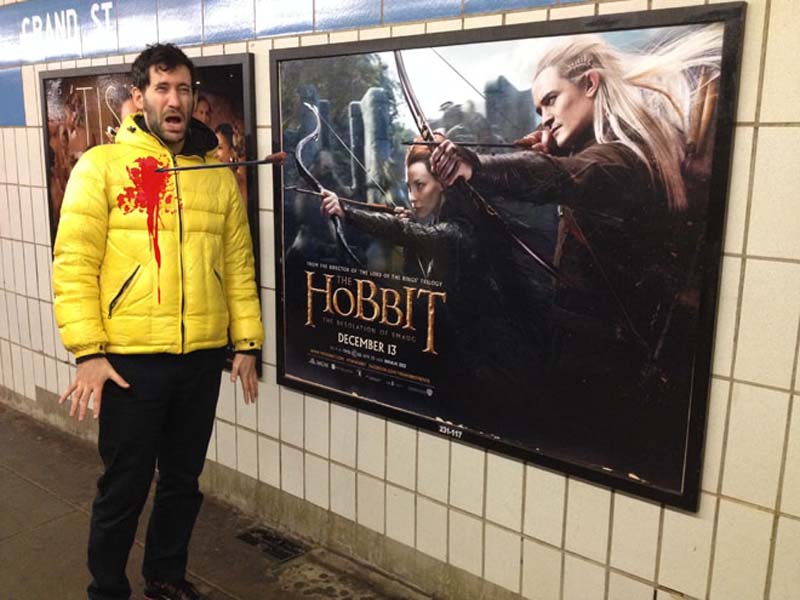
Head shots by Jon Burgerman, a series of photographs staged in front of violent movie ads and spewing bloodHead shots by Jon Burgerman, a series of photographs staged in front of violent movie ads and spewing bloodHeadshots by Jon Burgerman, a series of photographs staged in front of violent movie ads and spewing bloodThe always-wacky usually-less-bloody Jon Burgerman (previously here) has a an ongoing series of interventions staged in front of film and television ad panels, photographing himself perfectly situated as the target of the pointed gun, arrow, or other weapon of choice in each poster. These Head Shots, as the series is called, are then digitally manipulated, adding splattered blood in a Tarantinoesque fashion. Definitely a departure from the cute characters he usually draws, but still, somehow, very Burgerman.

You might like his Korean Subway series, too.

Michael Johansson: Model Kit Sculptures

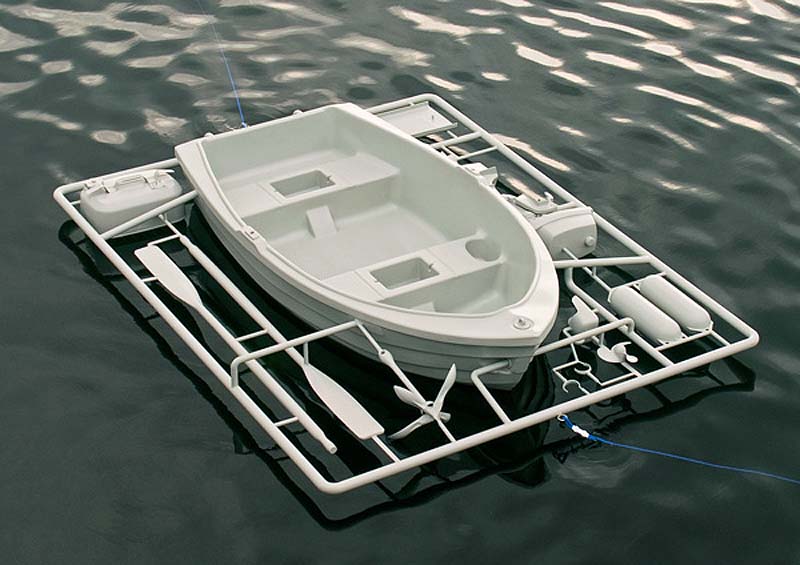
Michael Johansson, everyday objects and toy-model-like sculptures, contemporary, humorous, sculpture, dinghyMichael Johansson, everyday objects and toy-model-like sculptures, contemporary, humorous, sculpture, dinghyMichael Johansson, everyday objects and toy-model-like sculptures, contemporary, humorous, sculpture, engine bought separatelySwedish artist Michael Johansson takes everyday objects apart and rejoins the pieces in a welded metal frame, coating them with a unifying layer of plastic, ultimately simulating the look of a snap-apart model kit, something Johansson is very familiar with having spent much of his childhood making toy models. There’s obvious humor in these, but the titles such as Toys’r’Us – Dingy Scale 1:1 and Engine Bought Separately leave it completely unambiguous.

And then there’s this aspect of his work…

via thetreemag

Onion Skin: Olivier Ratsi

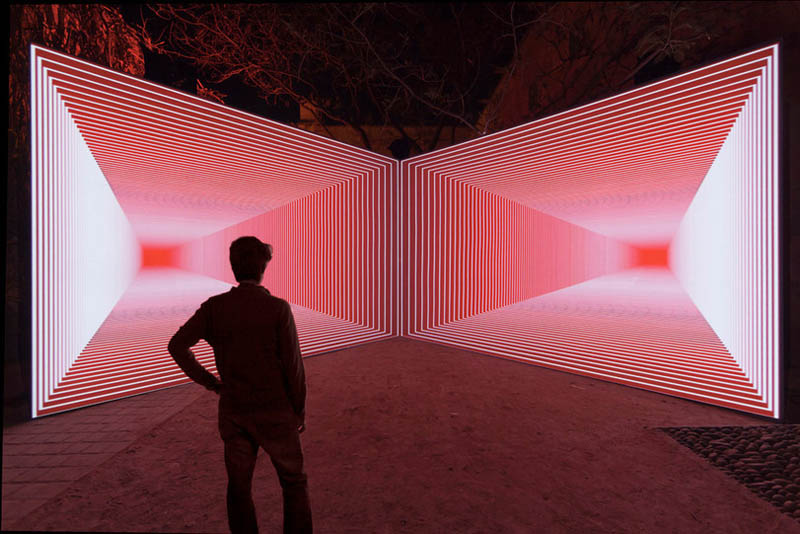
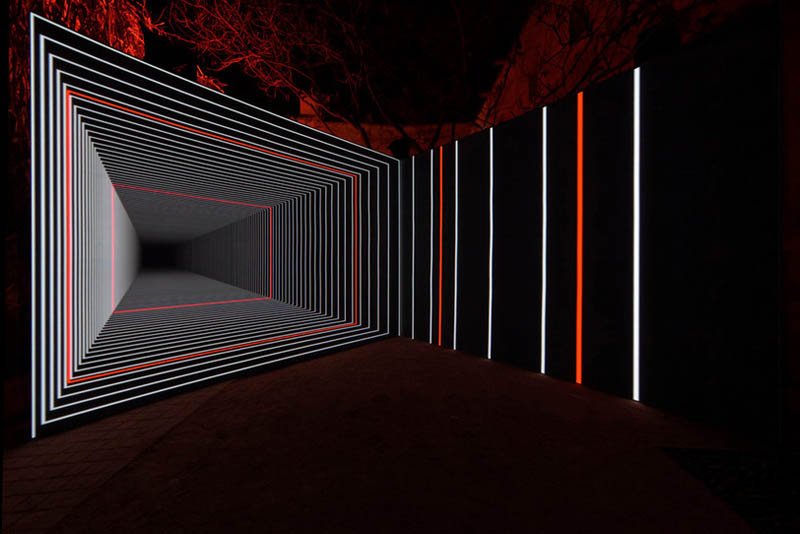
Olivier Ratsi's Onion Skin, audio-visual immersive installation, time and space through perspective gameOlivier Ratsi's Onion Skin, audio-visual immersive installation, time and space through perspective gameOlivier Ratsi's Onion Skin, audio-visual immersive installation, time and space through perspective gameOlivier Ratsi is a French visual artist whose work is mainly based upon representations of space’s perception and the experience of reality. His audiovisual immersive installation, Onion Skin, offers the viewer a changing perspective of space and time. Consisting of two walls set up perpendicular to each other and serving as canvases on which a series of animated geometric shapes are projected—along with sound—a new dimension is slowly revealed. Using repetition and scale, the anamorphic visuals play tricks on the viewer, having what initially seemed flat, suddenly delineate a new space, consequently altering their perception of depth all the while having a hypnotic effect. The illusion appears as the “onion skins” seem to peel away and leave their physical surface behind. Here’s a video:

via rooms magazine

Sally Hewett: Embroidered Body Parts

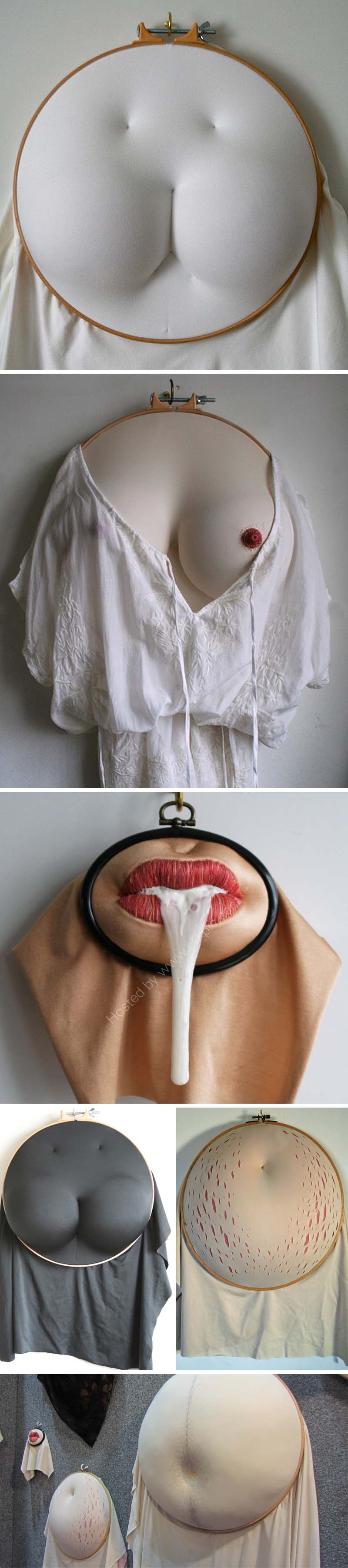
Sally Hewett, Embroidered stomachs, breasts, butts, lips, in quilting hoops, contemporary art, sculptureSally Hewett, Embroidered stomachs, breasts, butts, lips, in quilting hoops, contemporary art, sculptureSally Hewett, Embroidered stomachs, breasts, butts, lips, in quilting hoops, contemporary art, sculptureThese sculptural embroidered works by British artist Sally Hewett are intriguing, if a tad disturbing. But that’s just her point. Hewett is interested in the social and political history of the craft of embroidery and stitching, but she is also interested in the ideas of beauty. She writes on her website: “My embroidery and stitching practice centres on bodies, beauty and ugliness and the conventions that determine which is seen as which…I am interested in how we see things, how we interpret what we see and how the connotations of needlework and embroidery as a medium affect how the content is seen – is it seen as ugly, beautiful or funny?” You decide.

These pieces are made using quilting hoops that vary in diameter from just a couple of inches up to almost 20″. Inserted in the hoops to create the large bellies, bottoms, breasts, lips and more, is everything from stretched velvet, lycra, or cotton, to foam padding, hair and, of course, stitching…lots of stitching.

Photos courtesy of the artist; bottom photo by Jane Burns.

via saatchi

NONEON: Fabian Thiele

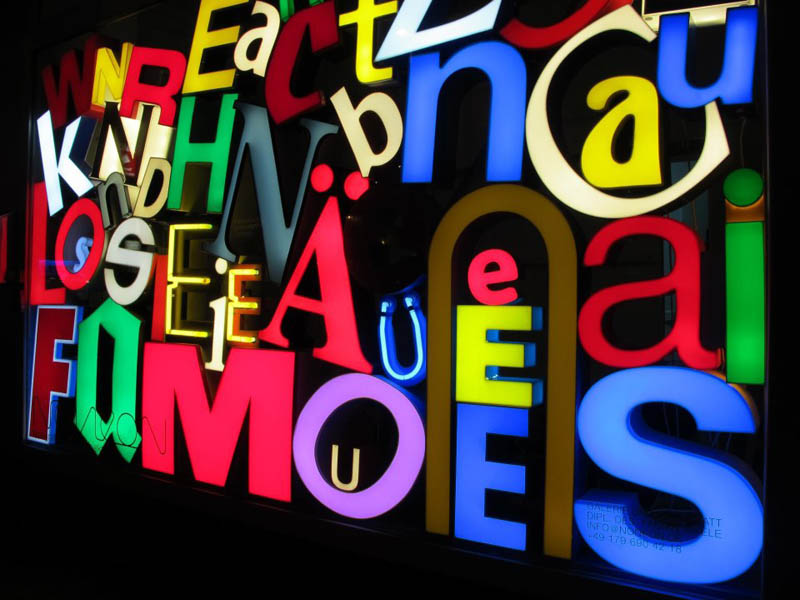
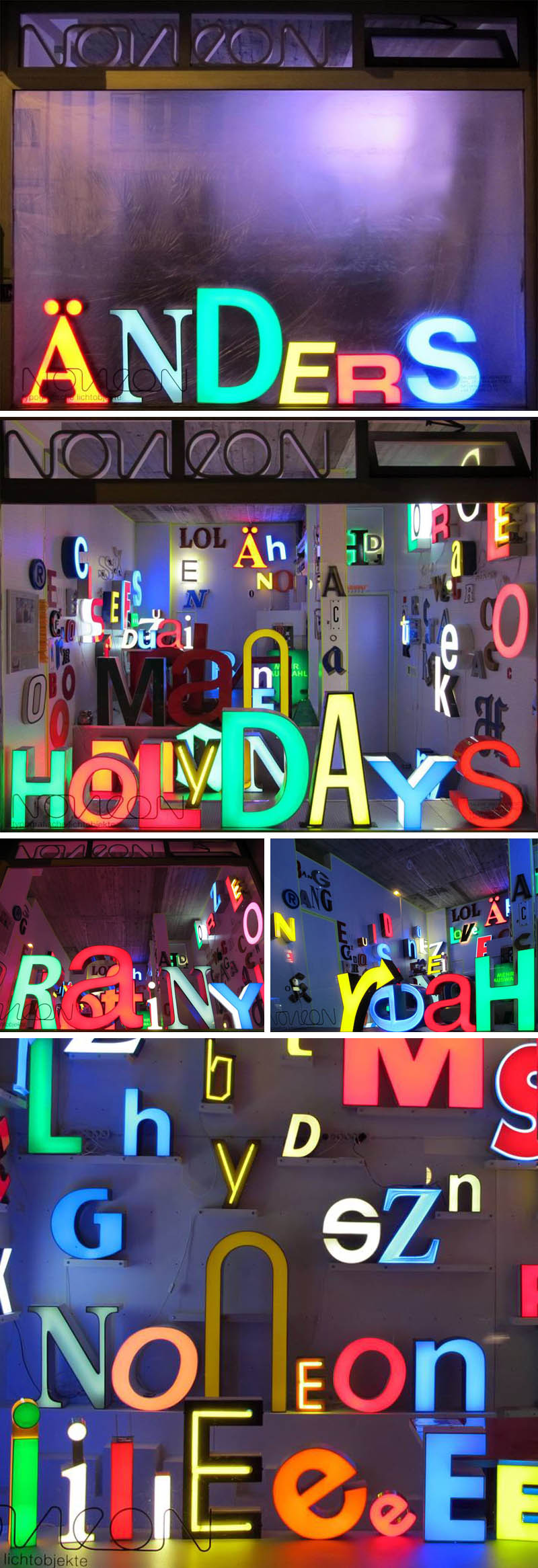
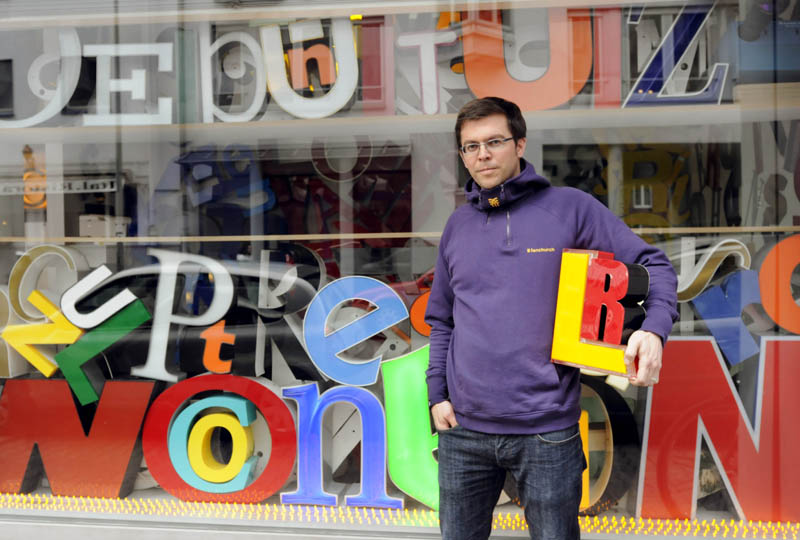
Noneon, recycled sign letters converted into lights by Fabian Thiele. FrankfurtNoneon, recycled sign letters converted into lights by Fabian Thiele. FrankfurtNoneon, recycled sign letters converted into lights by Fabian Thiele. FrankfurtI certainly know where I’ll be headed if I find myself in Frankfurt. NONEON is a small shop/gallery run by designer Fabian Thiele who has been collecting letters from old signs and fixing them up, making them into lights, all, apparently, affordable to boot. Just seeing these piles of illuminated type makes me happy. The shop is only open on Fridays and Saturdays so, if this appeals to you next time in Frankfurt, make sure to plan accordingly. Recycling at its best.

via luminapolis

Icepop Generator: MELT

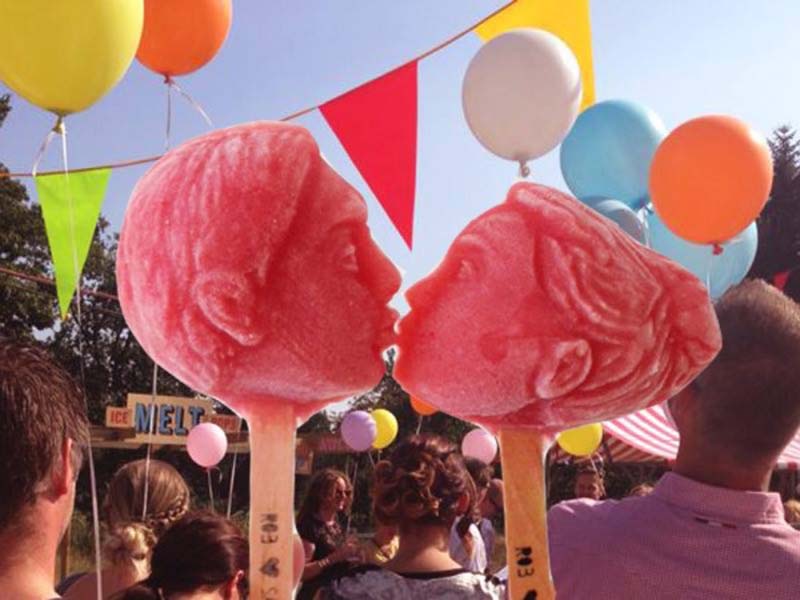
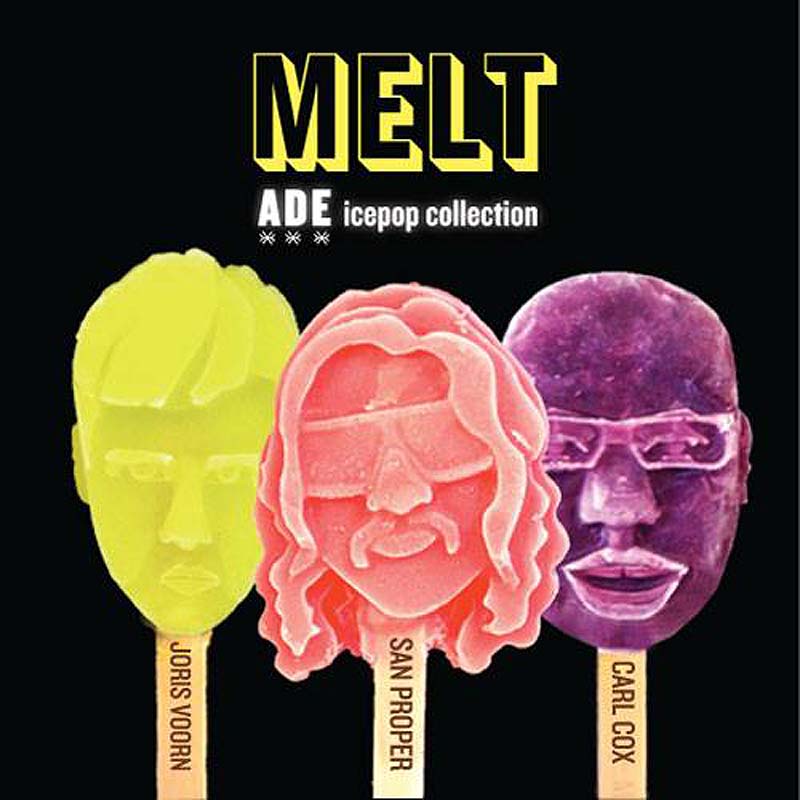
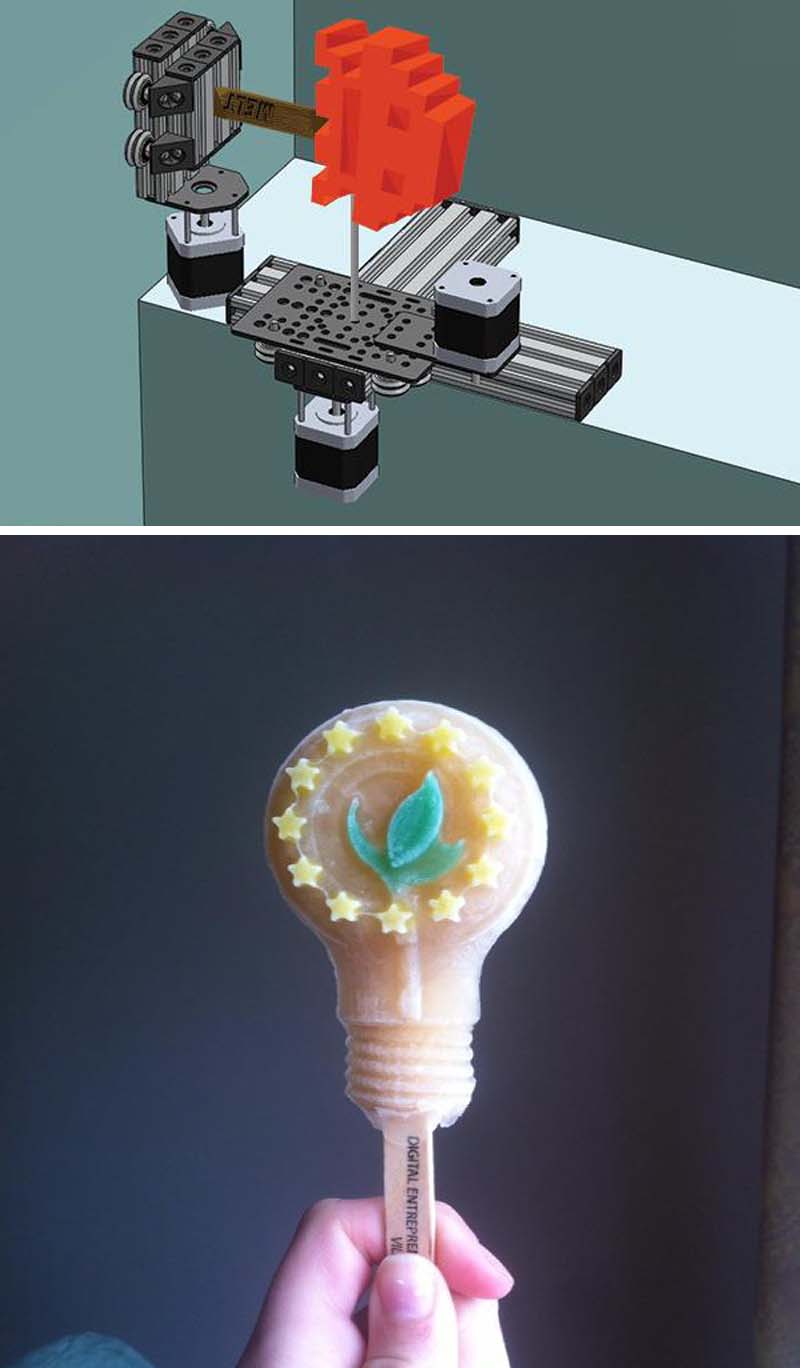
Icepop Generator concept by MELT. 3D printed icepops. Self-portrait icepopsIcepop Generator concept by MELT. 3D printed icepops. Self-portrait icepopsIcepop Generator concept by MELT. 3D printed icepops. Self-portrait icepopsIt was only a matter of time before 3D printing turned to food, or vice versa. There have been some spectacularly beautiful pieces (actually, too beautiful to put in your coffee!) made with sugar, and now there is talk of Hershey teaming up with 3D Systems to create, I assume, some amazing things with chocolate. So, it shouldn’t come as a big surprise that Dutch company MELT is creating an the Icepop Generator to bring personalized ice pops to the public while educating them in 3D design technology. It appears, however, that the Icepop Generator works more on a carving and chiseling process rather than actually 3D printing an ice pop from frozen water but, it’s amazing nonetheless. Starting with a block of ice, the generator (which looks like many 3D printers with the twist of doubling as a freezer) has a sort of drill that moves back and forth along three axes, carving out the designated design, in effect, functioning as a mechanical sculptor. The Icepop Generator was just funded yesterday on Voordekunst—a Dutch funding platform similar to Kickstarter—so these pops are likely to be at a street fair or festival near you in the not-so-distant future. In the meantime the creative team at MELT has made several a pop, some in their own image. You can see how it works in this video:

via notcot and 3ders

Nakhlak Confectionery: Fatourechiani Arch

Nakhlak Confectionery, Tehran, Iran. Interesting building renovation with a prismatic facade made of woodNakhlak Confectionery, Tehran, Iran. Interesting building renovation with a prismatic facade made of woodNakhlak Confectionery, Tehran, Iran. Interesting building renovation with a prismatic facade made of woodNakhlak-Confectionery_Fatourechiani-Architecture-Studio_Tehran-Iran_plan_collabcubedWell, this is quite a transformation. Majid Fatourechiani and Hamid Fatourechiani of Fatourechiani Architecture Studio in Tehran, Iran, have recently completed a new storefront for Nakhlak Confectionery in their own city. By attaching a sculptural prismatic patterned wooden louver to the upper part of an existing—and rather unremarkable—building (see 4th photo from top), in addition to renovating the interior and rest of the exterior, Fatourechiani Studio has made the building virtually unrecognizable. What was once generic is now strikingly contemporary. It almost looks like giant exploding triangles of milk chocolate…but maybe that’s just me. The stainless steel signage slab adds to the modernity and gives an element of sleek elegance. Definitely interesting and daring.

If you like this, you might also enjoy this Iranian snack bar design.

via contemporary architecture of Iran

Upside Down House: Moscow

upside down house at the VVTs All-Russia Exhibition Center in Moscow. Visitors walk through and see themselves upside down.upside down house at the VVTs All-Russia Exhibition Center in Moscow. Visitors walk through and see themselves upside down.upside down house at the VVTs All-Russia Exhibition Center in Moscow. Visitors walk through and see themselves upside down.upside down house at the VVTs All-Russia Exhibition Center in Moscow. Visitors walk through and see themselves upside down.At the VVTs All-Russia Exhibition Center in Moscow last week, an upside down house had visitors in a tizzy. Similar in concept to Jean-François Fourtou’s Tombée du Ciel, this house (not sure who the artist/designer behind the project is) is larger and even includes a car hanging from the driveway. The multi-room structure was built upside down as a tourist attraction and was fully fitted with furnishings, kitchen, bath, and even food on the dining room table, all hanging from the ceiling, or, rather, floor…wait. It appears that at least in one of the rooms a video camera was inverted inside a cabinet (see third photo down) projecting the room live and right side up on a tv screen and, consequently, its visitors upside down. Confusing and fun.

via gizmodo

Thanks Ramon and Eugene. (GMS)