Martha Friedman: Rubbers

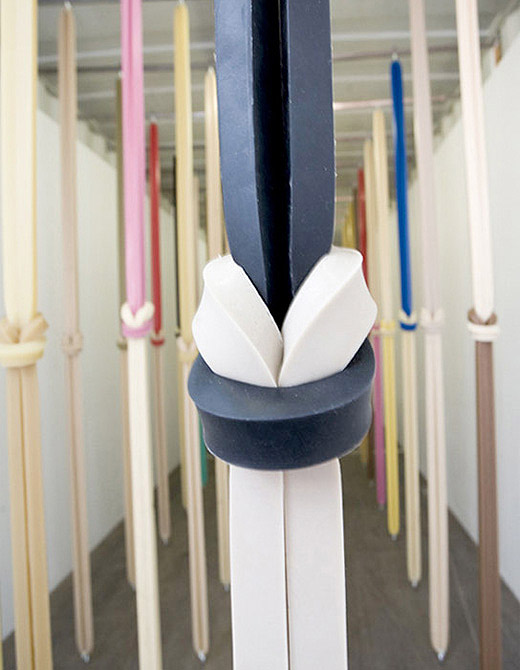
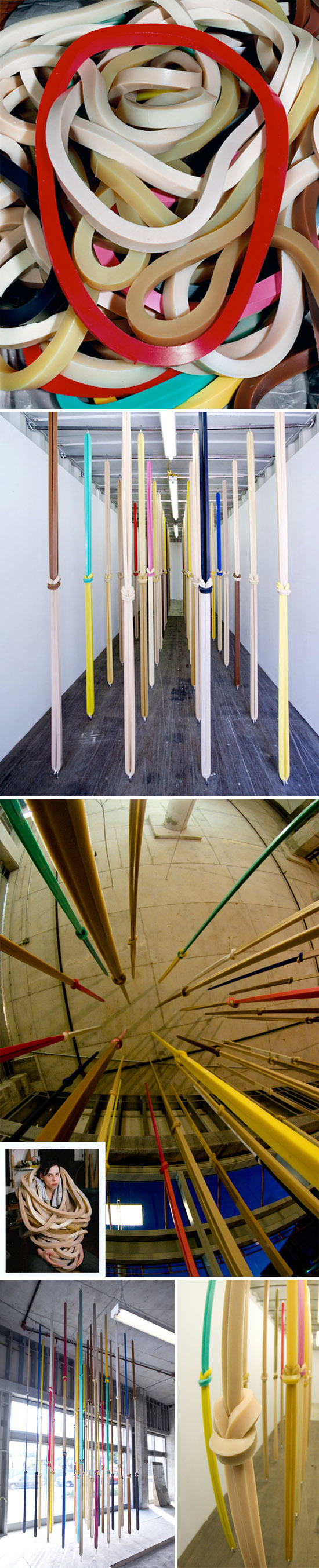
Rubberbands, sculpture, photography, contemporary art, pop art, Brooklyn artistRubberbands, sculpture, photography, contemporary art, pop art, Brooklyn artistRubberbands, sculpture, photography, contemporary art, pop art, Brooklyn artist Martha Friedman, a Brooklyn-based artist originally from Detroit, is interested in locating the point at which common objects slip into abstraction and, in some instances, eroticism. In her series of cast rubber sculptures titled Rubbers—in her double-entendre style—she explores the nature of sculptural and bodily materiality through food as well as the rubber band. Here I’ve included only the rubber bands which are my favorites. From the colorful chromogenic prints of the oversized stationery supply, to her full room installations, these are just a lot of fun. Wouldn’t it be great to have a pair of those interconnected rubber bands extended from floor to ceiling in your home?

You can see Martha Friedman’s rubber tongues here, and some of here waffle sculptures here.

Photos: James Ewing; Andy Pixel; Purple Kiaris and Wallspace Gallery.

via artslant

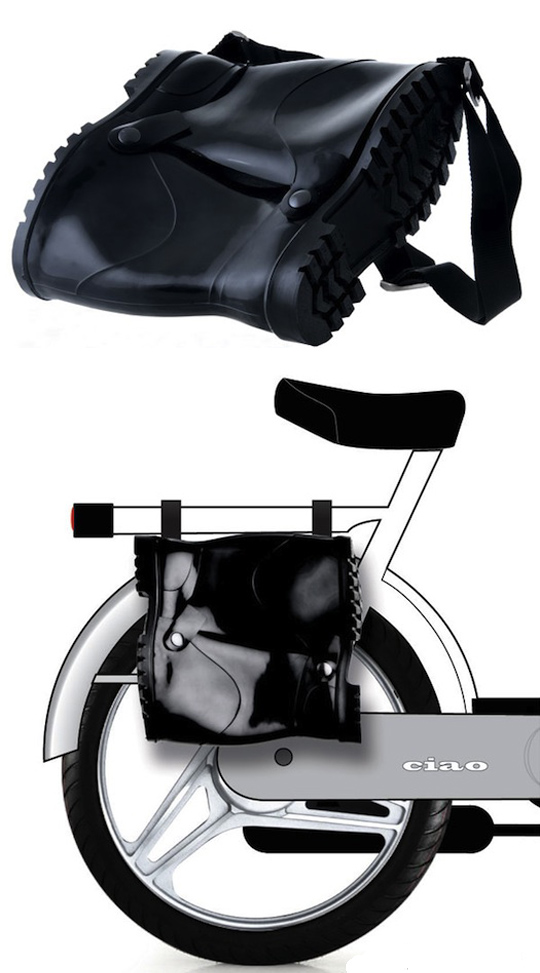
Footbag

Rubber boot shoulder bag by Marco Scuderi, fun design, messenger bagRubber boot shoulder bag by Marco Scuderi, fun design, messenger bag, bike bagHere’s a fun idea that has both of my daughters written all over it. Footbag, designed by Italian designer Marco Scuderi, repurposes pairs of old rubber boots into elegant and sturdy shoulder bags. I would imagine this could really take off after the current rain boot craze subsides a bit in a year or two. So many possibilities with all the fun rain boots that are on the market these days.
via coroflot

David Mach: Matchheads

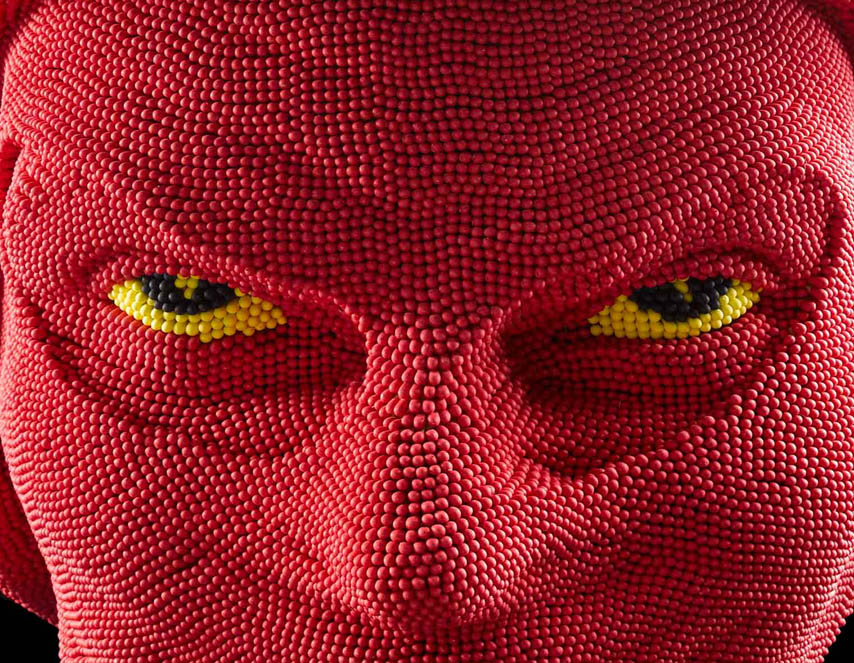
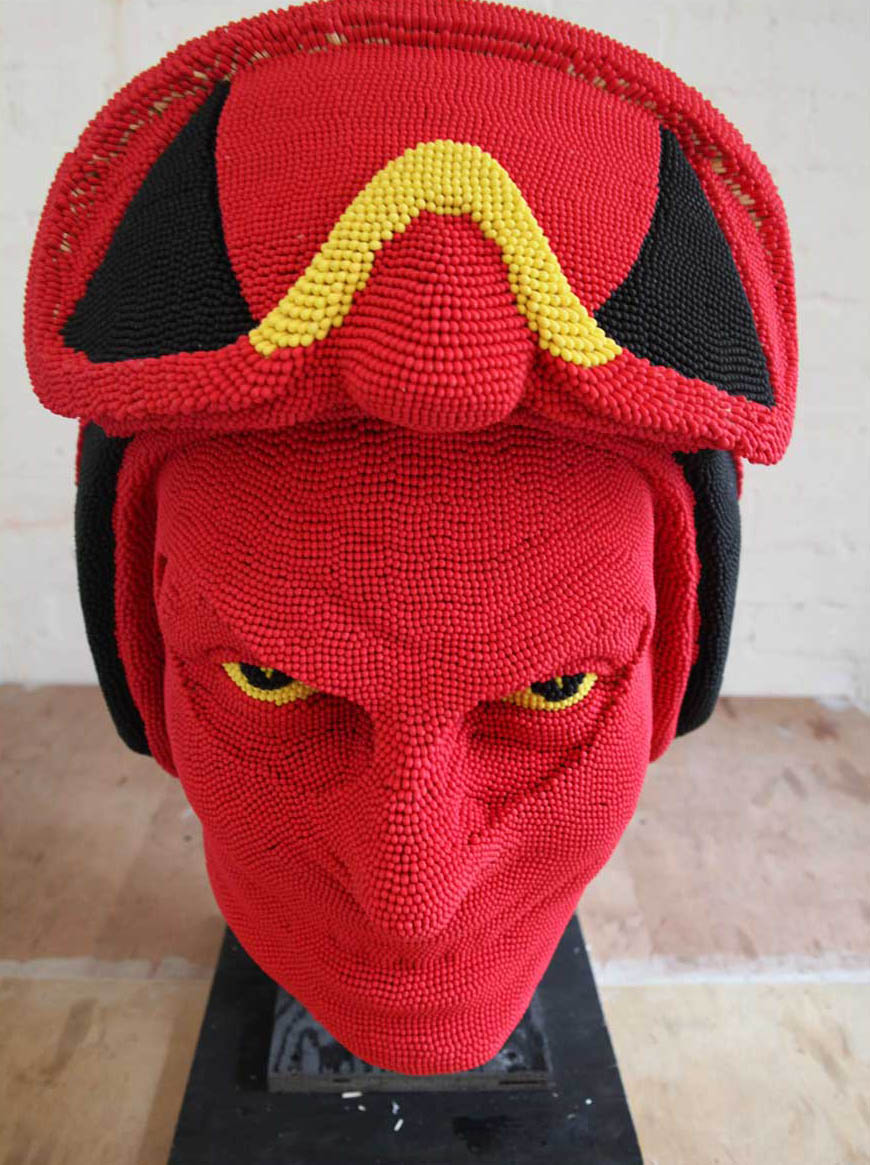
sculptures made of matches, sculptures that are lit and burned, heads made up of matchessculptures made of matches, sculptures that are lit and burned, heads made up of matchessculptures made of matches, sculptures that are lit and burned, heads made up of matchesClick to enlarge

Yes, I just finished posting about David Mach’s coat hanger sculptures, but this artist has so many incredible works that it merits two consecutive posts, and still there is so much more to see! In his Matchheads, Mach uses thousands of live matches to create heads of famous people, not-so-famous people, busts in the style of Roman sculptures, Asian and African style masks, Picassoesque and Warholian influenced heads as well as many animal heads. Some are monochromatic and others use multiple colors. And if these aren’t  impressive enough in their non-lit form, David Mach also lights them on fire resulting in a charred blackish-gray hue.

Photos from the artists’s site, piglicker’s flickr, Opera Gallery, and Galerie Jerome de Noirmont.

There is so much of David Mach’s work worth checking out. You can see his postcard collages here, his amazing brick train sculpture here, and even more installations here. Oh, and there’s a dominatrix made of dominoes here!

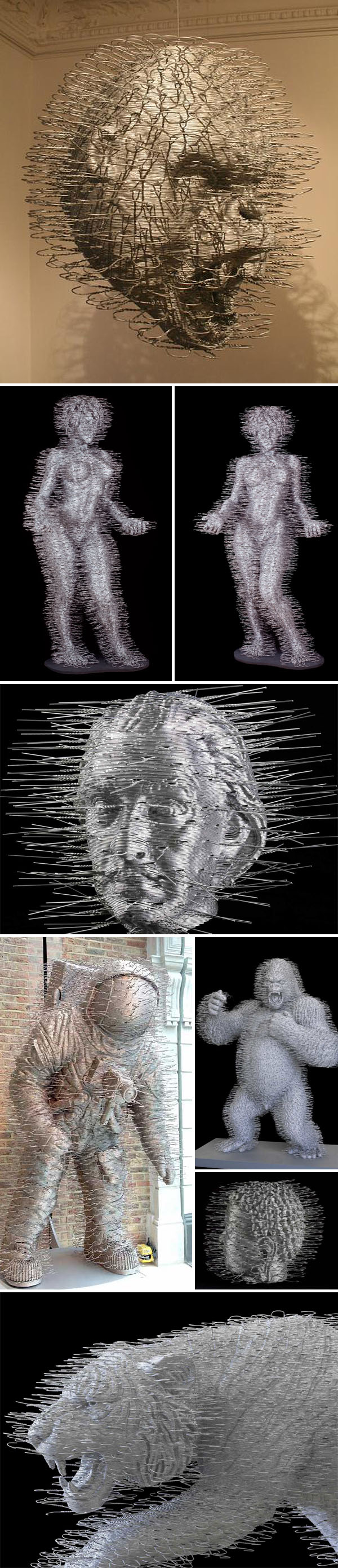
David Mach: Coat Hanger Sculptures

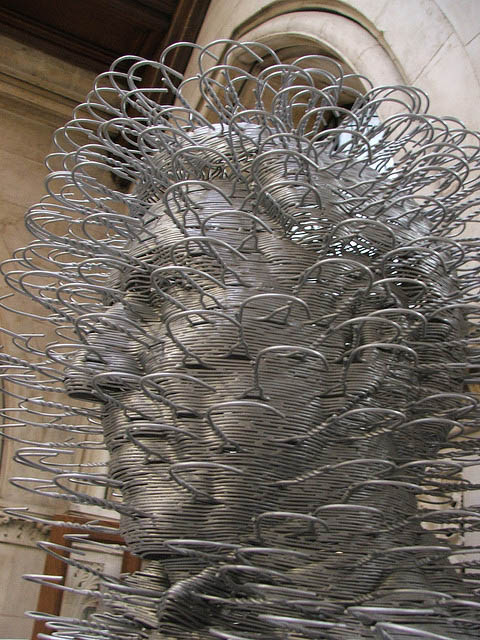
cool sculptures made of wire coat hangers, David Mach, Scottish artistcool sculptures made of wire coat hangers, David Mach, Scottish artistcool sculptures made of wire coat hangers, David Mach, Scottish artistClick to enlarge

Scottish sculptor David Mach is a master at creating assemblages of mass-produced objects such as magazines, bricks, books, dominoes, matches, and, as illustrated in this post, wire coat hangers. Though new to me, Mach has received major honors and recognition for his work since the 80s including a nomination for the Turner Prize in 1988 as well as being a Fellow of the Royal Academy of the Arts.

His coat hanger sculptures range from busts to large scale animals. The detail on these pieces is incredible. I wish I knew what the process was like.

Photos from the artist’s site, Malcolm Edward’s flickr, Galerie Jerome de Noirmont, and Aaron Sweeney.

via flickrhivemind

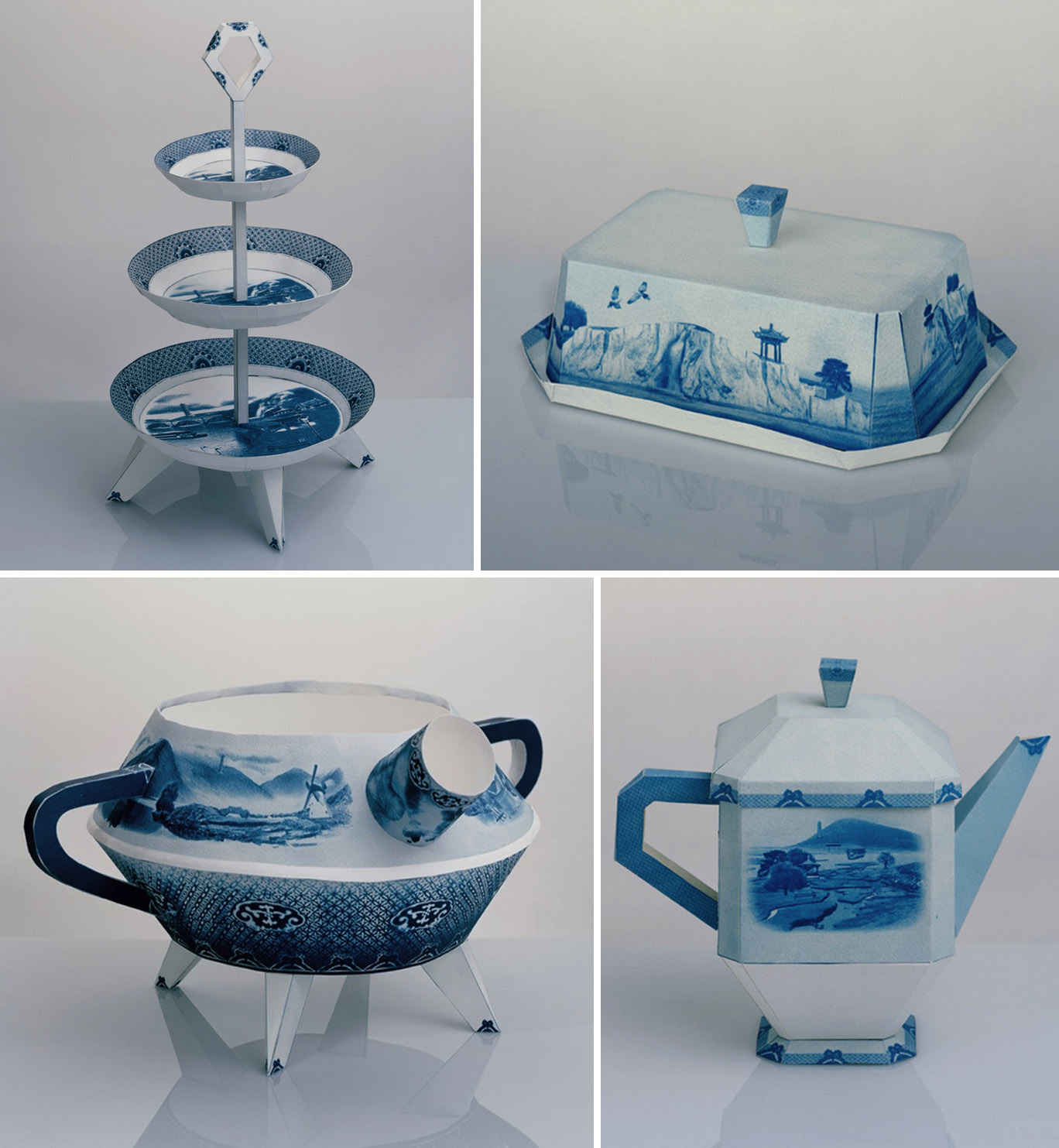
Fan Chon Hoo: The Blue and White Collection

Willow Earthenware, The Blue and White Collection, Paper dishes, Fan Chon HooWillow Earthenware, The Blue and White Collection, Paper dishes, Fan Chon HooWillow Earthenware, The Blue and White Collection, Paper dishes, Fan Chon HooClick to enlarge

Look closely at these paper dishes. Malaysian artist Fan Chon Hoo, who studied and, I believe, lives in London, is interested in the process of cultural translation within the context of postcolonialism. In his series of works titled The Blue and White Collection, Chon Hoo responds to the traditional English Willow Pattern from the late eighteenth century by creating a set of paper earthenware printed with cyanotype imaginary landscapes using Asian architectural structures found in the UK.

From the artist’s website:
I am interested in how a foreign culture can be appropriated and translated into a form of exotic collectibles, subconsciously tucked into the local culture….This process challenges cyanotype’s association with blueprint by posing the question of origin and the sense of fluidity of culture.

via saatchionline

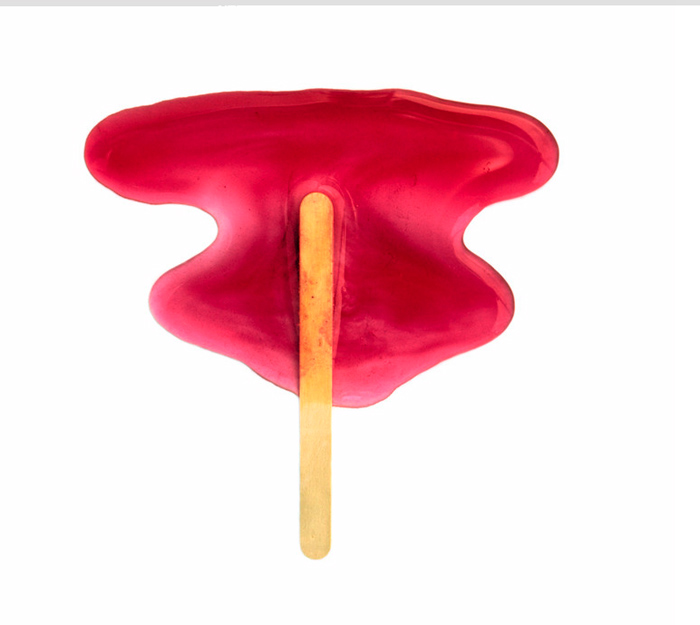
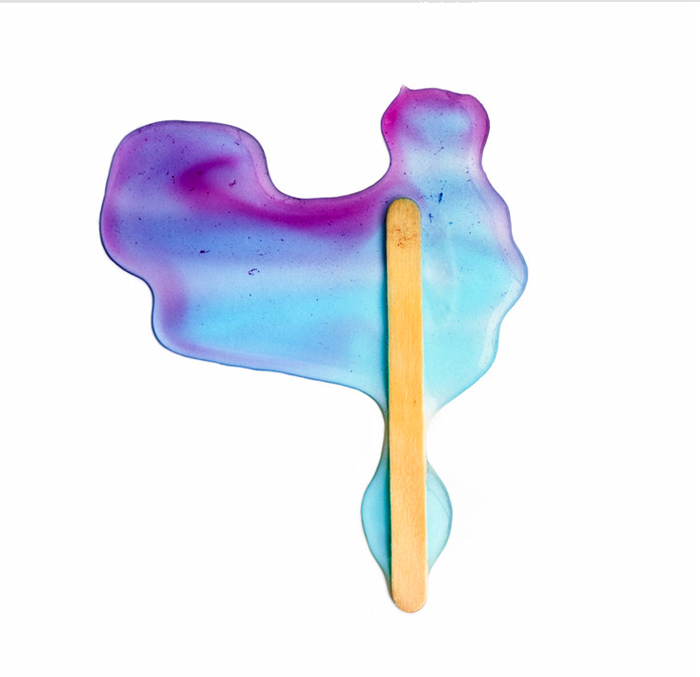
Will Nolan: Everything is Melting

Contemporary photography, popsicles, melting, australian contemporary artContemporary photography, popsicles, melting, australian contemporary artContemporary photography, popsicles, melting, australian contemporary artI find this series of photos, titled Everything is Melting, by Australian artist Will Nolan quite lovely. Nolan likes to explore the impermanent nature of found objects, in this case: melting ice blocks or popsicles.

From the exhibit catalogue:
“Everything is Melting, and its depiction of melting iceblocks, evokes the nostalgic memory of childhood but remains as a quiet reminder of the inescapable future of decay and death. The work explores the essence of transformation, harking back to the various incarnations of the evertold allegory of death and rebirth…

via saatchionline

Google Earth Carpets

carpets, google, google earth, worldwide carpets, David Hanauercarpets, google, google earth, worldwide carpets, David Hanauercarpets, google, google earth, worldwide carpets, David HanauerClick to enlarge

These have been out a few months, but somehow I missed them. German designer David Hanauer came out with WorldWide Carpets; using satellite imagery (from Google Earth), he creates carpets that emulate the patterns of classic Persian carpets with contemporary landscapes from a bird’s eye view. From area rugs to wall-t0-wall flooring where the patterns are endlessly repeated.

I’m not sure I’d want one in my home, but it’s a clever concept and I certainly like the way it works at the Sacramento International Airport (bottom photo).

via SpotCoolStuff

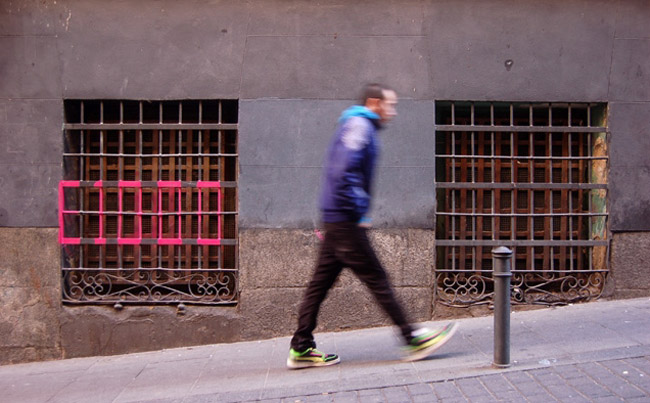
E1000: Tagging the Grates of Madrid

street art in Madrid, e1000, tags on grates, gates, vents, collabcubedstreet art in Madrid, e1000, tags on grates, gates, vents, collabcubedstreet art in Madrid, e1000, tags on grates, gates, vents, collabcubedSpanish street artist E1000, (previously here), has taken to tagging the streets of Madrid in a cryptic manner, taking advantage of the horizontal and vertical lines of gates, grates, shutters, vents, and manhole covers to paint the five characters of his signature. Guillermo de la Madrid has found, photographed and documented a bunch of them on his blog Escrito en la Pared. Above are most of them.

It’s kind of like finding the “Ninas” in a Hirschfeld illustration. Okay, so not exactly…

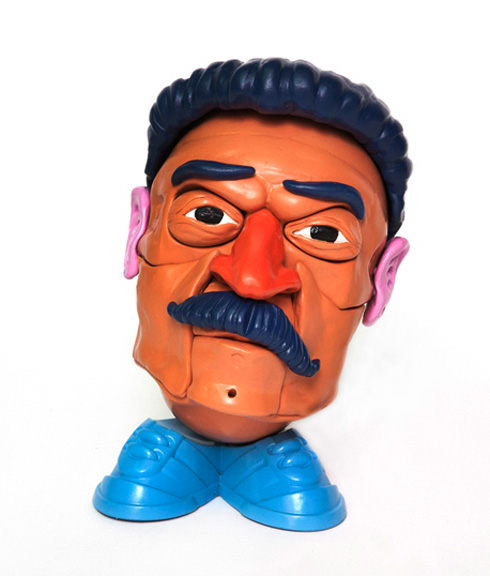
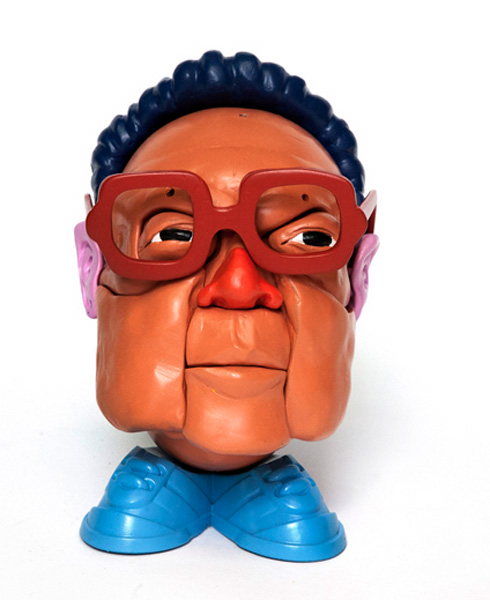
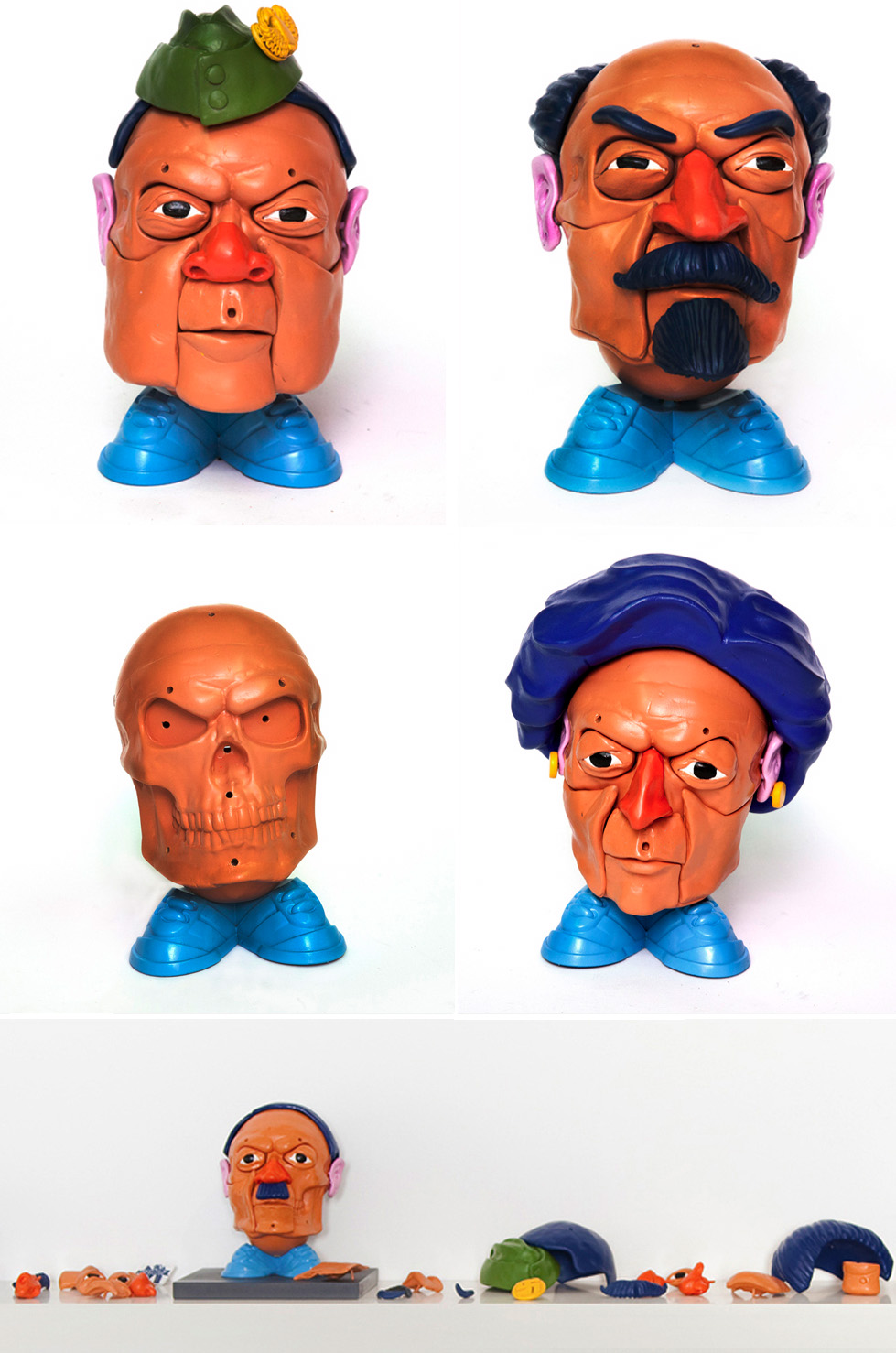
Mr. Dictator Head Series: Stephen Ives

Saddam Hussain, Mr. Potato Head, Dictators, Sculpture, Australian Contmporary ArtStalin, Mr. Potato Head, Dictators, Sculpture, Australian Contmporary ArtKim Jong, Mr. Potato Head, Dictators, Sculpture, Australian Contemporary ArtAmin, Lenin, Hitler, Mr. Potato Head, Dictators, Sculpture, Australian Contemporary ArtThis post was created, coincidentally, before learning of Kim Jong Il’s death, earlier today. It seems particularly fitting, then, (if maybe a bit distasteful) to post it now.

Stephen Ives is an English-born, Australian artist who works in 2D as well as 3D. His work is about contrast and balance and the juxtaposition of the two. His ideas derive from a mix of experiential, mental, historical and cultural concepts constructed from toys, scrap, junk and bought materials which are collected, cut, morphed and distorted to create a whole. His Mr. Dictator Head Series needs no explanation unless, of course, one is not familiar with the Mr. Potato Head toy.

From top to bottom, left to right:
Saddam Hussein; Stalin; Kim Jong Il; Idi Amin; Lenin; the skull base; Margaret Thatcher; Adolf Hitler.

via Saatchi

Sebastian Martorana: Marble Sculpture

contemporary marble sculpture, towels, NYU Steinhardt. 80WSEcontemporary marble sculpture, towels, NYU Steinhardt. 80WSEcontemporary marble sculpture, Martorana, Baltimore artist, LEGO, pillow, shirtClick to enlarge

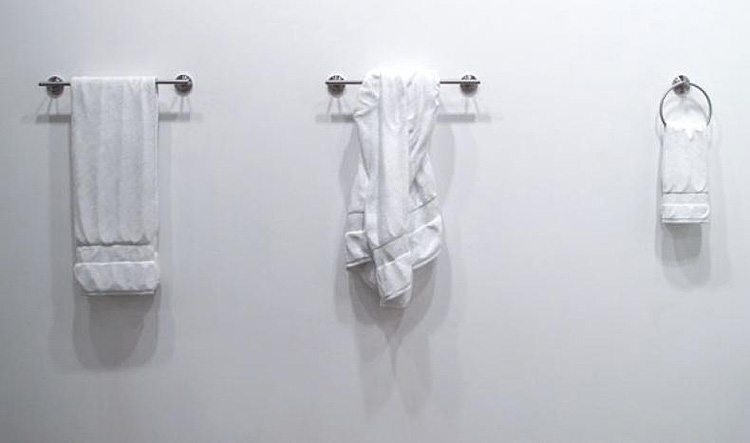
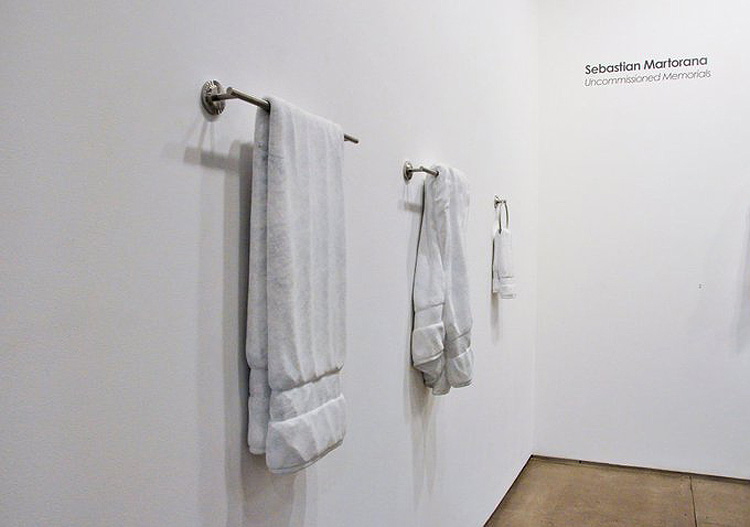
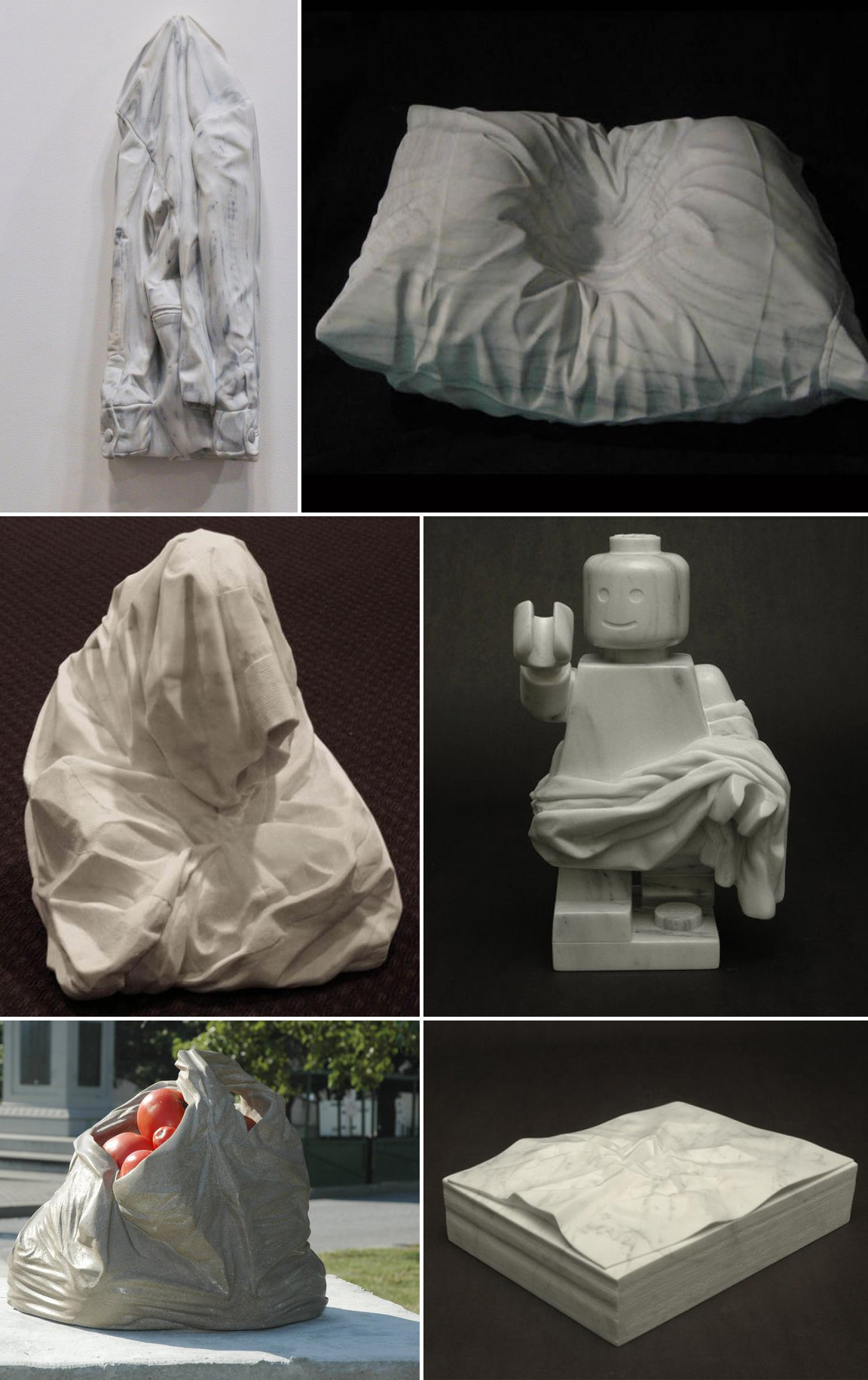
If you follow this blog you may be thinking “MORE realistic stone sculpture??” And the answer is “Yes.” What can I say, I get a kick out of it and am impressed by the skill. I was walking by Washington Square Park today and happened to spot these marble towels through the window of 80WSE a New York University gallery. They made me smile. The draping is so well done and having placed them on towel racks made them all the more trompe l’oeil-ish. I went in, got the artist’s name and googled him out.

Sebastian Martorana is a stone carver and illustrator based in Baltimore, Maryland. His work was recently featured in the 40 Under 40 40th Anniversary exhibit of Renwick Gallery of the Smithsonian.

From top to bottom, left to right:
Yours, Mine, Ours; Shed; Impressions; Homeland Security Blanket; (couldn’t find name of Lego figure or bag); Frustration 81/2 x 11. Photos courtesy the artist and Contemporary Wing.

Sebastian Martorana’s work is part of a group show currently at 80WSE through December 22, 2011.

If you like these sculptures you might also enjoy Chris Mitton and Vlad Berte.

Sang Sik Hong: Straw Sculptures

Amazing sculptures made of drinking straws, Korean art, contemporary art, lips, scope miamiAmazing sculptures made of drinking straws, Korean art, contemporary art, face, scope miamiAmazing sculptures made of straws, Korean art, contemporary art, scope miami

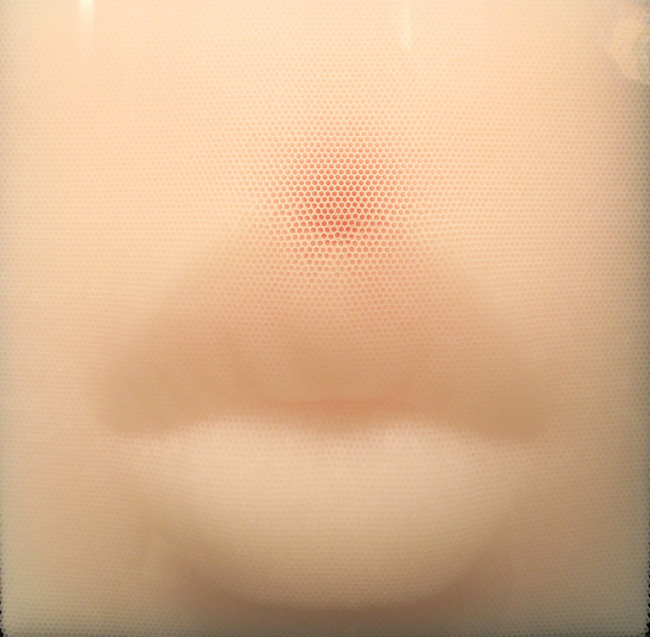
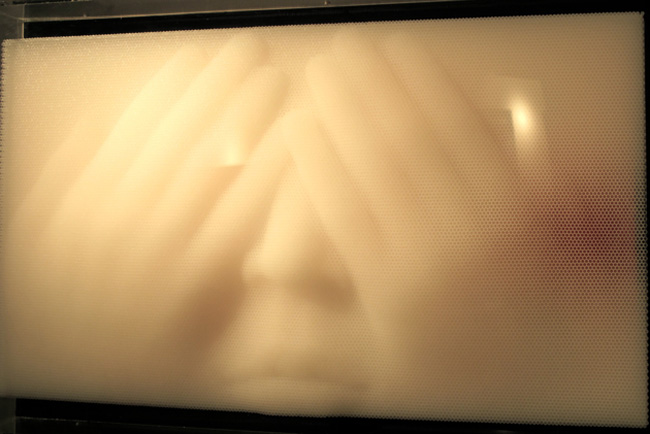
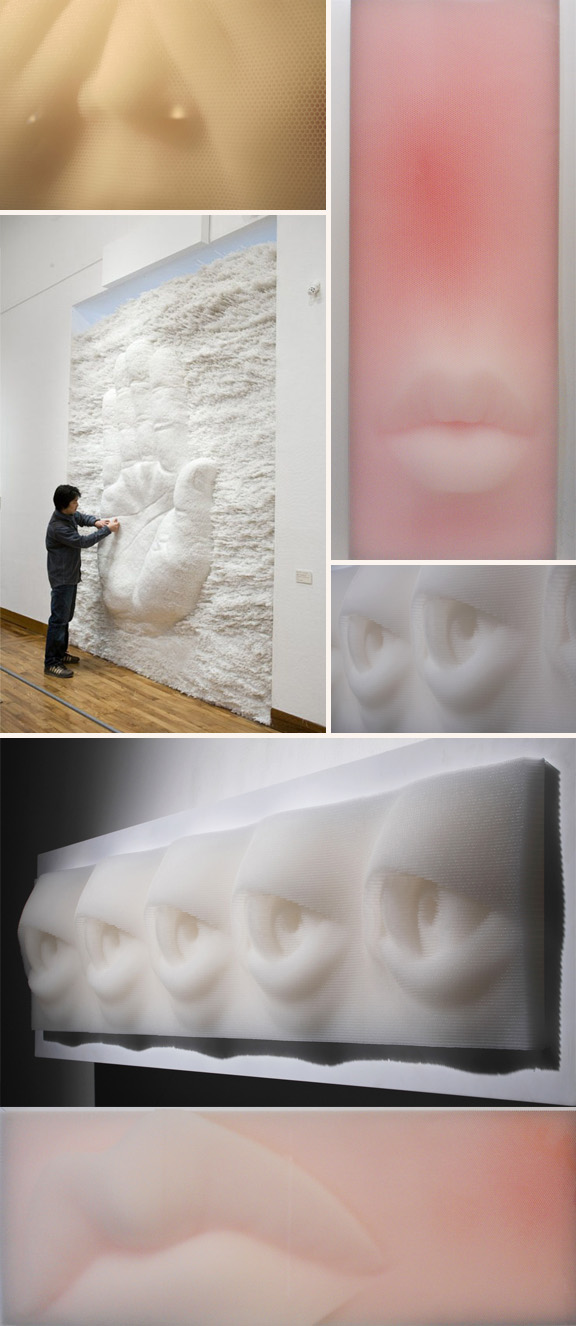
Korean artist Sang Sik Hong works magic with drinking straws. His large-scale sculptures, made up of thousands of straws, focus on human desires, namely: power and sex. He likes the irony in using straws, a weak structure and disposable item by itself, to create the contrasting strength of power and desire.

Photos courtesy Patrajdas Gallery; Amaretto Girl; and ArtChicago’s flickr.

via Zanthi

Claire Fontaine: Matchstick Art

matchstick art, burned, Consumption commentary, French contemporary art, collabcubedmatchstick art, burned, Consumption commentary, French contemporary art, collabcubedmatchstick art, burned, Consumption commentary, French contemporary art, collabcubedClaire Fontaine is a Paris-based collective artist who lifted her name from a popular school notebook brand. Her work often looks like other people’s work and she defines it as ‘readymade art’. Working in several mediums including neon, video, sculpture and painting as well as text, Fontaine’s works comment on the “political impotence and the crisis of singularity that seem to define contemporary art today.”

In the two recent works above, Fontaine used matchsticks both new and burnt on the word Consumption and on the Map of France: Burnt or Unburnt.

Images courtesy Helena Papadopoulos Gallery and Air de Paris.

via arte al dia

Emily Eveleth: Donut Paintings

contemporary oil paintings of donuts, sensual, jelly donuts, doughnuts, Eveleth, collabcubed contemporary oil paintings of donuts, sensual, jelly donuts, doughnuts, Eveleth, collabcubed contemporary oil paintings of donuts, sensual, jelly donuts, doughnuts, Eveleth, collabcubed A few years back, a friend of mine printed out one of Emily Eveleth’s beautiful oil paintings of a jelly donut and had it hanging by her desk. That was the first time I saw any of Eveleth’s paintings. She has been painting jelly donuts for two decades and the results, I think, are quite spectacular.

In an interview in the Boston Globe by Sebastian Smee, Eveleth responds to the question: “Why donuts?”

“What I immediately found compelling . . . was the appeal of the irony in presenting, in a seriously and formally painted manner and on a monumental scale, an object that was at once so ubiquitous, so ordinary, so everyday. The object of my paintings, is not necessarily the subject. But I do like that it keeps coming back to the object. I’m not trying to negate that.’’

Clearly, the donuts are left open to interpretation: some may see just donuts; others landscapes with boulders; and still others, erotic close-ups of bodily orifices. Regardless, Eveleth’s technique and mastery of oil painting, as well as the luminescence she creates, are there no matter how the viewer interprets them. I imagine that if John Singer Sargent had painted donuts, they might have looked a lot like these.

You can see more of Emily Eveleth’s painting and drawings at her website.

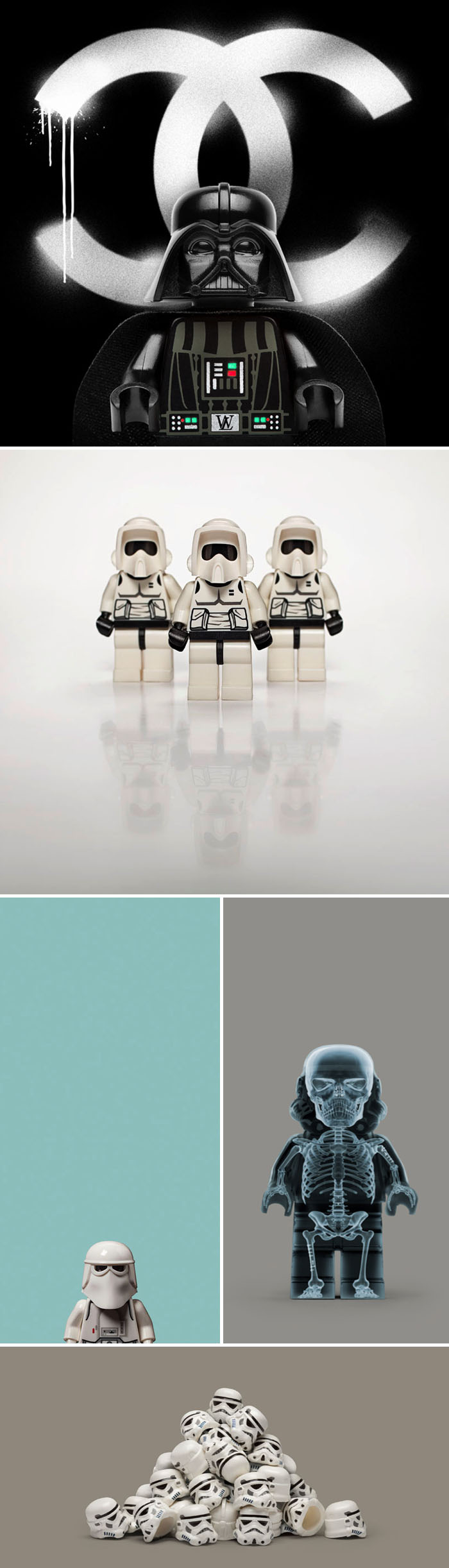
Dale May: Lego Wars

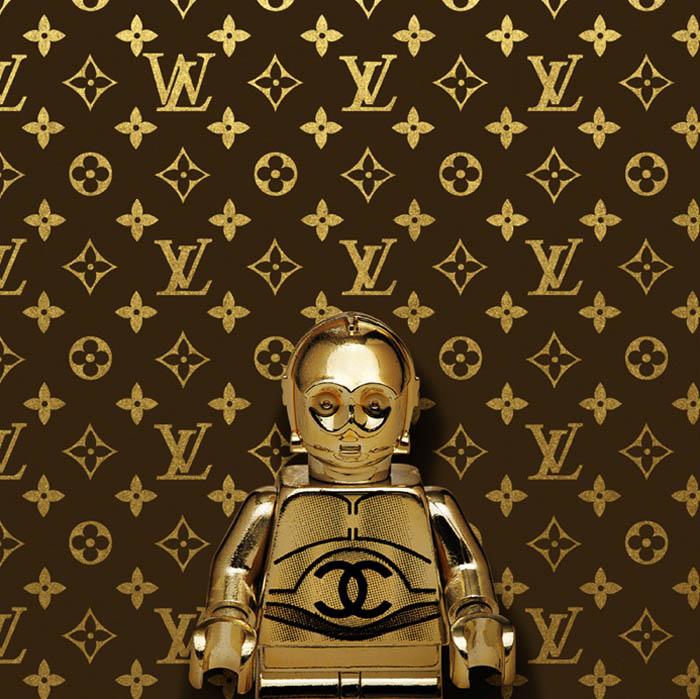
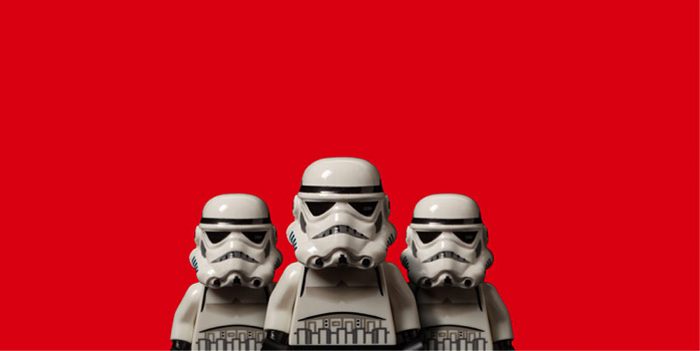
Lego, Photographs, Nostalgia, Star Wars, Stormtroopers, Dale May, C3POLego, Photographs, Nostalgia, Star Wars, Stormtroopers, Dale MayLego, Photographs, Nostalgia, Star Wars, Stormtroopers, Dale May, Darth VaderClick to enlarge

New York based photographer Dale May is internationally renowned for his commercial photography, from celebrity portraits to advertising. His Lego Wars series takes a slight departure from his usual subjects. A photographic study of popular culture combined with commercial branding and a bit of nostalgia, May revisits the tiny plastic Lego toys of his childhood and photographs them to stand tall and demand attention.

These prints are crafted in archival acrylic to give the work a high-polished glossiness reminiscent of the Lego pieces themselves. Very slick.

The Lego Wars are being exhibited at Samuel Owen Gallery in Greenwich, Connecticut starting December 15th through January 19, 2012.

Augusto Esquivel: Button Sculptures

buttons, sculptures, Art Basel Miami, Augusto Esquivel, piano, contemporary art, coolbuttons, sculptures, Art Basel Miami, Augusto Esquivel, piano, fire hydrant, contemporary art, coolbuttons, sculptures, Art Basel Miami, Augusto Esquivel, toilet sculpture, contemporary art, coolClick to enlarge

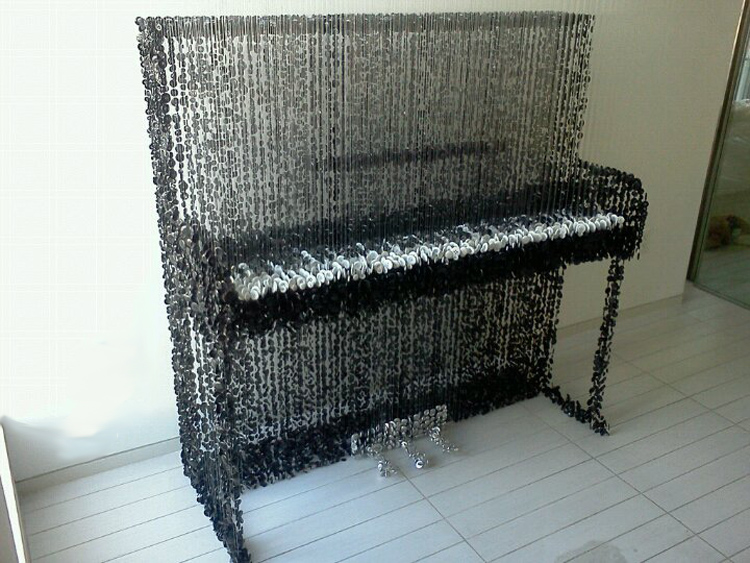
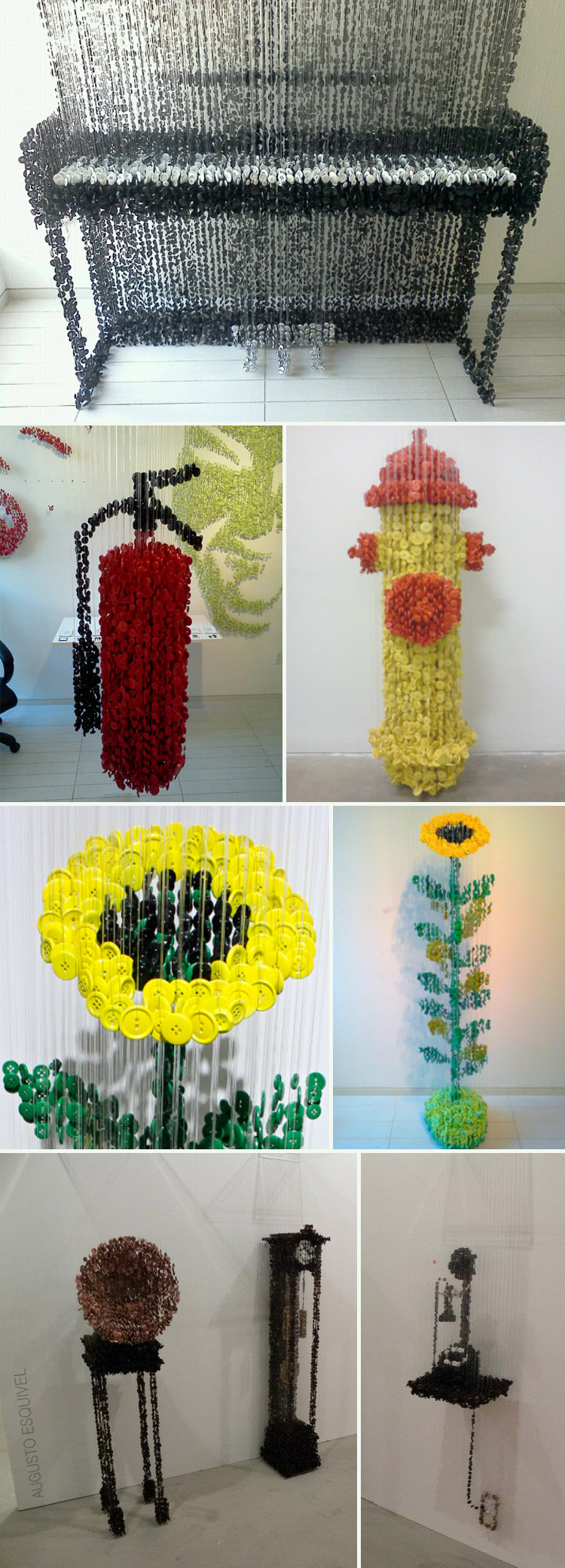
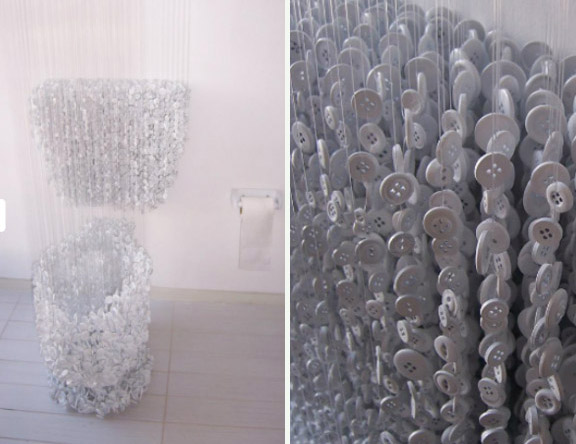
Miami-based artist Augusto Esquivel is apparently quite a showstopper at Art Basel Miami this year, and it’s no wonder. His impressive sculptures made by  hanging sewing buttons from, what looks like, fishing line to create a piano, harp, gramophone, toilet and more, definitely seem difficult to go unnoticed.

From the artist’s statement:
I realize how insignificant and small a simple sewing button can be as it lays in my grandmother’s sewing box, but at the same time how unique and precious it can become as part of a work of art. Like an atom in a molecule, each button serves and shapes the whole. I hold the button to my ear and it whispers to me, “I want to be…..”

via coolhunting

Shoe Christ: Petr Motycka

DOX Center for Contemporary Art, Prague, Sculpture, shoes, Christ, crucifixDOX Center for Contemporary Art, Prague, Sculpture, shoes, Christ, crucifixContinuing with the shoe theme (see previous post) this sculpture titled Shoe Christ: Compulsion to Refuse Something that Has Been Used is made by Czech artist Petr Motycka using approximately 1444 used shoes and sneakers. Measuring more than 6 meters high and weighing over 500kg, Shoe Christ was originally created for a public space on Prague’s riverside (see bottom photo) where it was shown last year. More recently, it was modified and displayed at the DOX Centre for Contemporary Art where it has been since the end of last January.

From the artist:
Shoes can be a vehicle of social status. The simple fact of „owning“ shoes once signified belonging to a higher social class. Contemporary shoes can signify the bearer’s cultural affinity…
The fact that the sculpture is made of shoes that had been used is very important. 1444 worn shoes means that more than 1400 people and their stories are part of the Shoe Christ. Used things and especially shoes often evoke repulsion. There are not many people who buy second hand shoes, who want to wear shoes that have been worn by someone else. Shoes are a very personal property.
Shoes have become consumer goods and through their quantity and signifiers contribute to the overall image of consumer culture. Our cultural values and concepts increase their worth by being used. On the contrary, things produced by the same culture, lose their value the more used they are. We require pure matter and used ideas…
Photos courtesy of EPA/Filip Singer, DOX, and serdzoid’s flickr.

via this isn’t happiness

Shoes of the Very Famous

Famous people's shoes, iconic, Life Magazine, bozo the clown, photographsFamous people's shoes, iconic, Life Magazine, Mario Battali, Dave Eggers, Madonna, photosI just came across this photo gallery on Life magazine’s site by photographer Craig Cutler titled Shoes of the Very Famous. It’s pretty incredible how iconic some of these are and how much personality they exude. After seeing Dave Eggers’s shoes, I can’t believe I was worried about a little hole in mine!

From top to bottom: Bozo the Clown (1960-84); Rudolf Nureyev (1960s); Madonna (1992); Mario Battali (2011); Dave Eggers (2011); James A. Lovell Jr. (command-module pilot Apollo 8); Princess Diana (1986); Dalai Lama (2010).

You can see the rest of the gallery with more information at Life.com. And you might also like Craig Cutler’s Artist Series; portraits of, you guessed it, artists.

Ever: Argentine Street Artist

Graffiti, Ever, Siempre, Argentina, murals, portraits, street artGraffiti, Ever, Siempre, Argentina, murals, portraits, street artGraffiti, Ever, Siempre, Argentina, murals, portraits, street artClick to enlarge

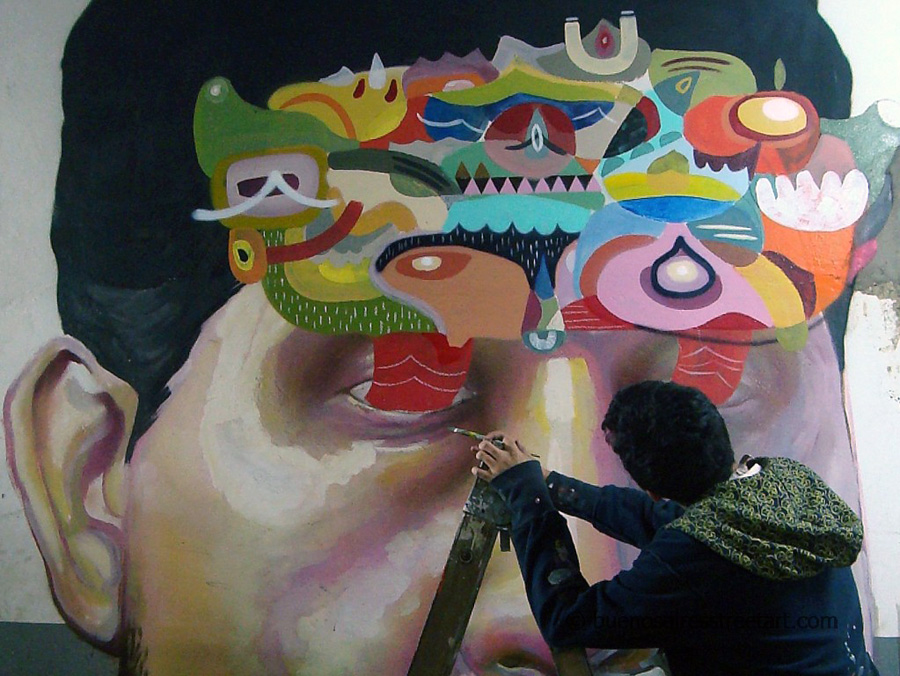
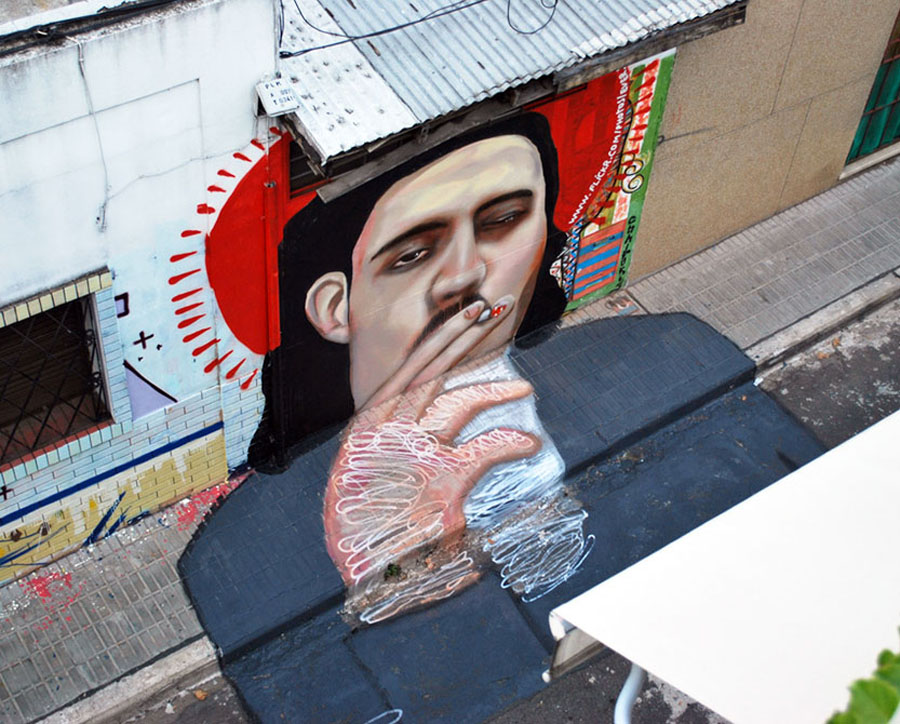
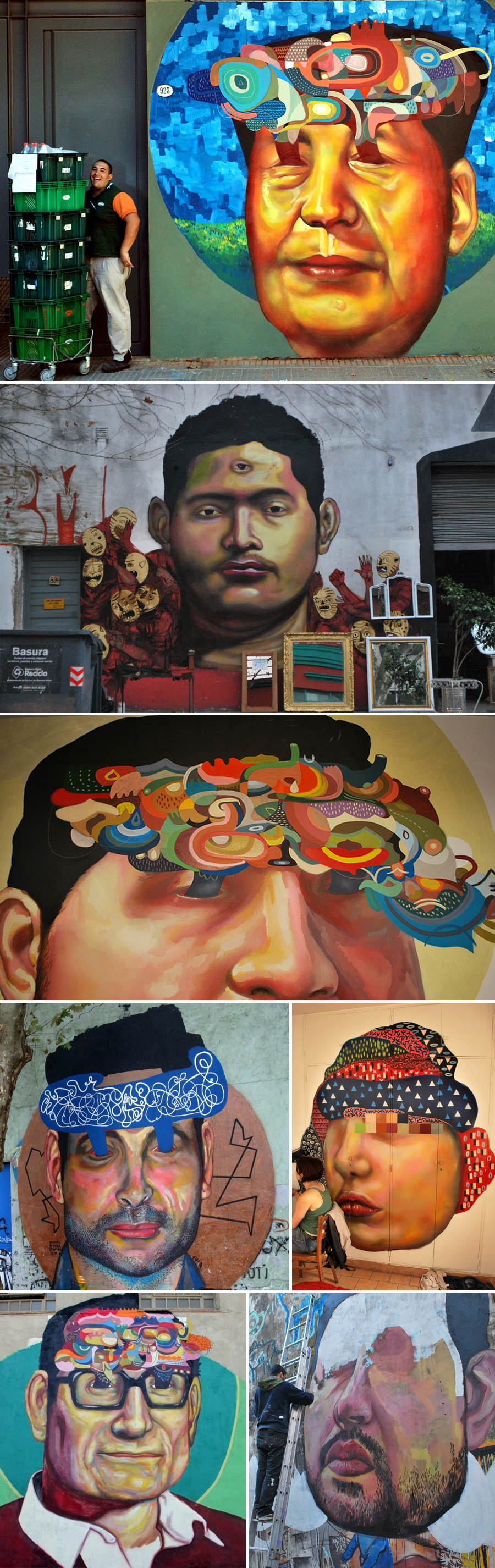
Ever, née Nicolás Romero, is an Argentinean street artist who began painting letter-based graffiti in the streets of Buenos Aires in the 1990s. Since then, his art has evolved into more portrait-based murals. He attributes the shift to a figurative style, in part, on his exposure to, and the influence of, Gustav Klimt, Francis Bacon and Van Gogh.

In Ever’s most recent work, he combines aerosol and brush creating an interesting contrast between the realistic portraits and the colorful, abstract ‘thought clouds’ or sneak-peek-into-the-souls of his subjects (I love those clouds!). His preference is to paint ordinary people (clearly, Mao being an exception), sometimes finding photos on the internet or picking an interesting face out on the street. In some cases, he paints his brother.

You can see more of Ever’s work on his flickr and an interview with him here.

via graffitimundo