Nidos Urbanos: Urban Nests

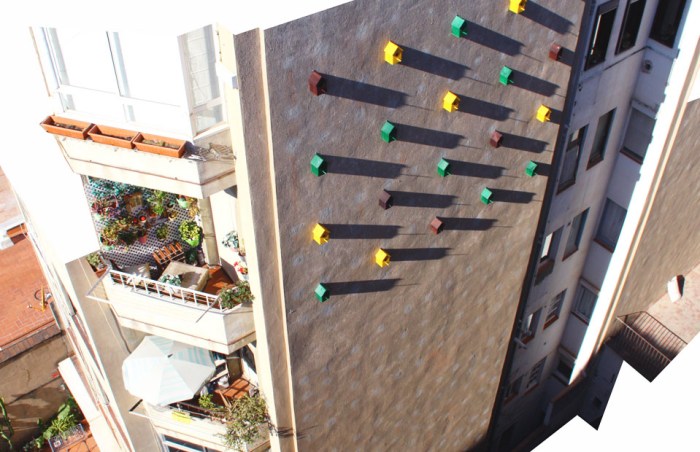
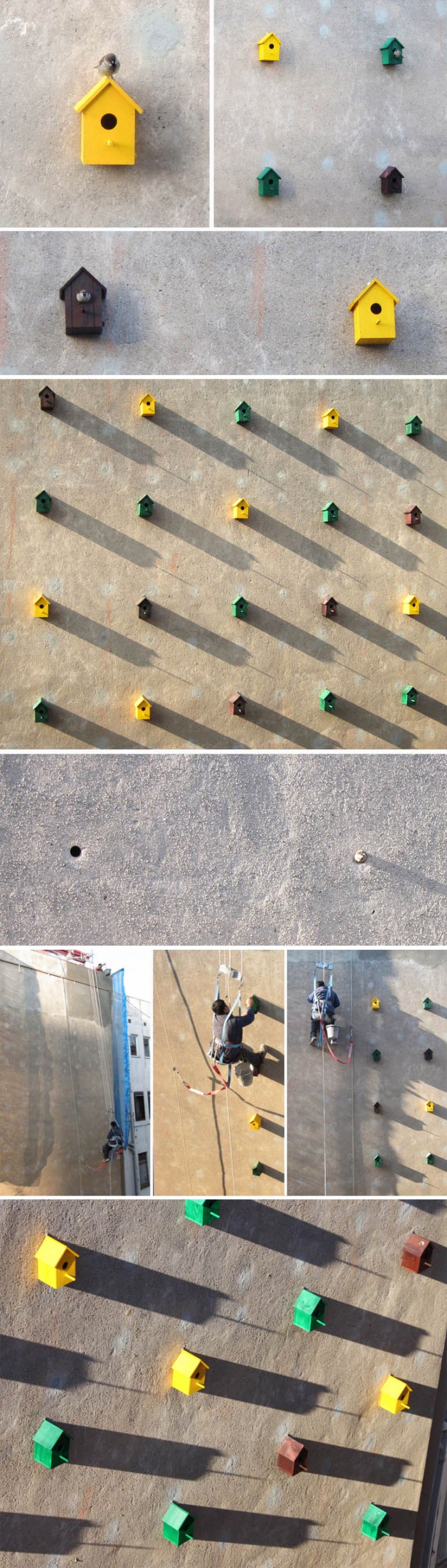
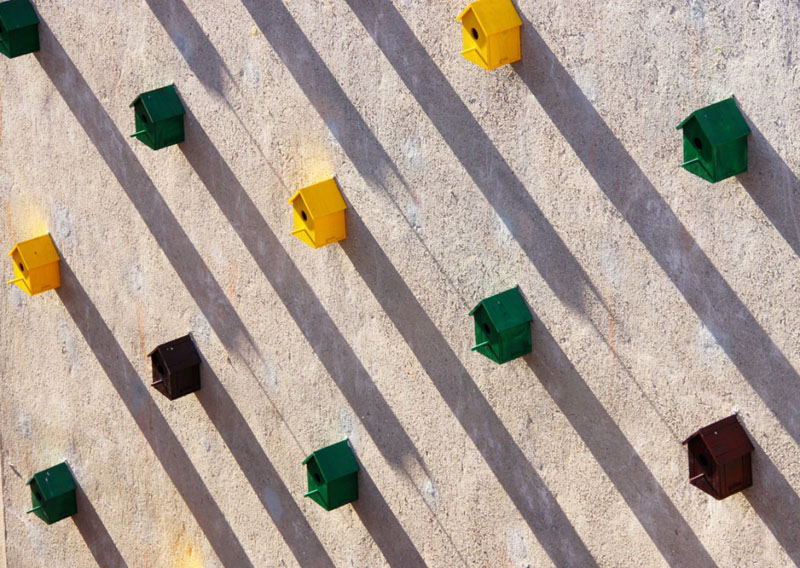
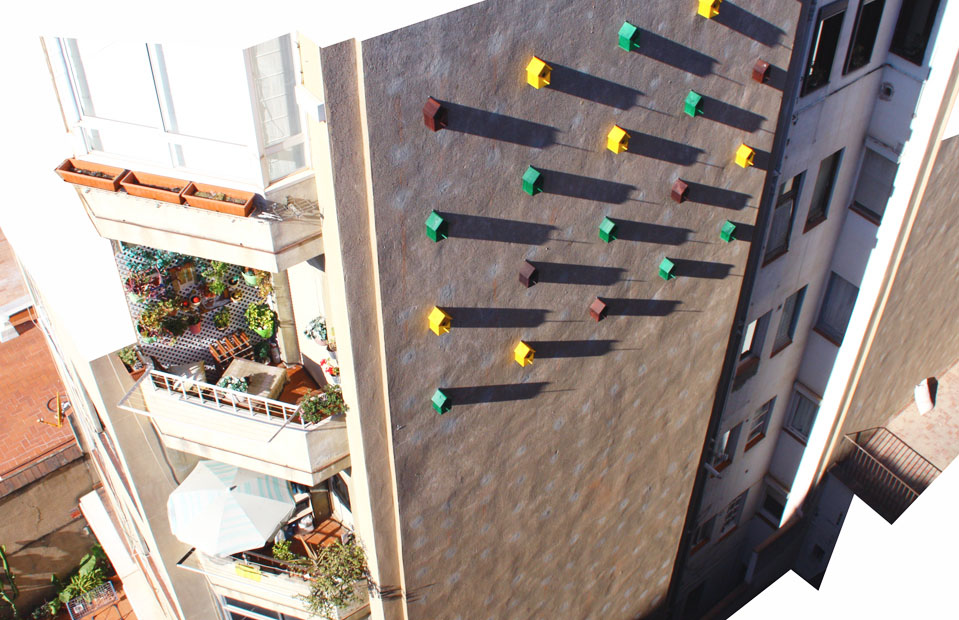
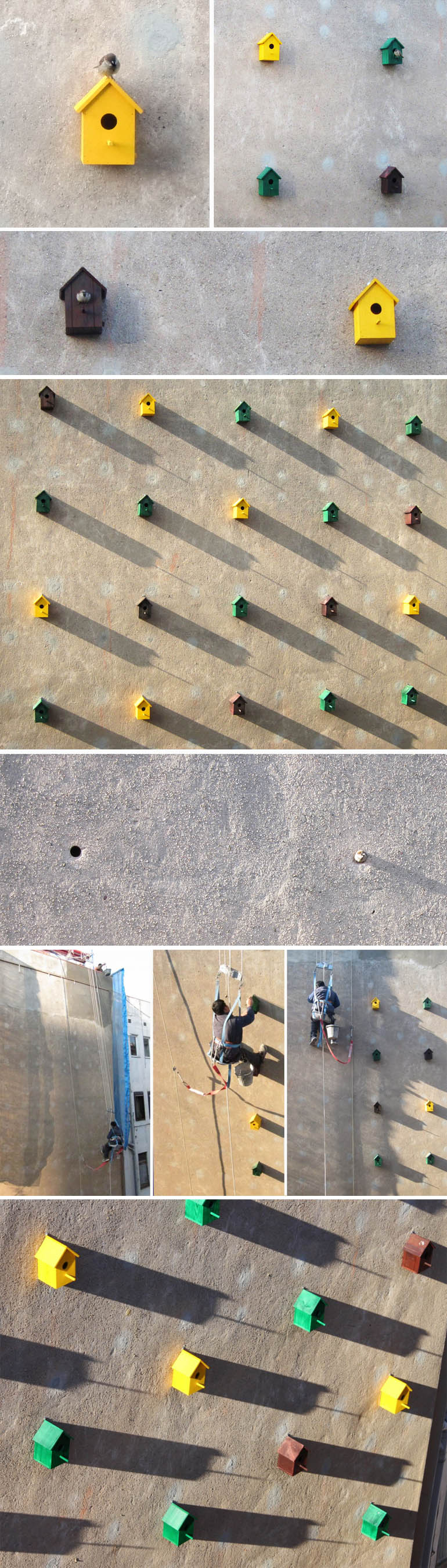
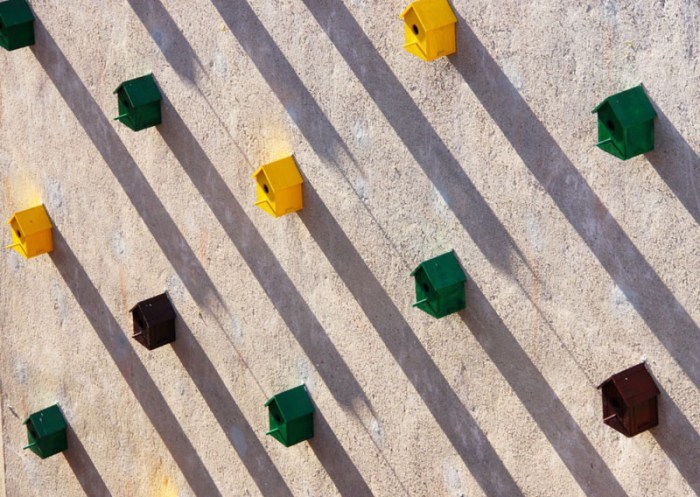
Bird Houses on side of building in Barcelona, Dom Architects, Sparrows come back to nestBird Houses on side of building in Barcelona, Dom Architects, Sparrows come back to nestBird Houses on side of building in Barcelona, Dom Architects, Sparrows come back to nestClick to enlarge

In Barrio de Gracia, Barcelona, a bare concrete wall on the side of a building had been occupied by sparrows, nesting in random holes in the wall. Eventually the wall was repaired, plugging up all the holes, and the sparrows disappeared. In an effort to bring the sparrows back, Dom Arquitectura placed colorful birdhouses equally spaced in rows on the same wall. Not only do the birdhouses bring joyful color to the wall, but the sparrows returned adding life, flight and song to the neighborhood. Nice!

via plataforma arquitectura

Cairns Botanic Gardens Visitors Centre

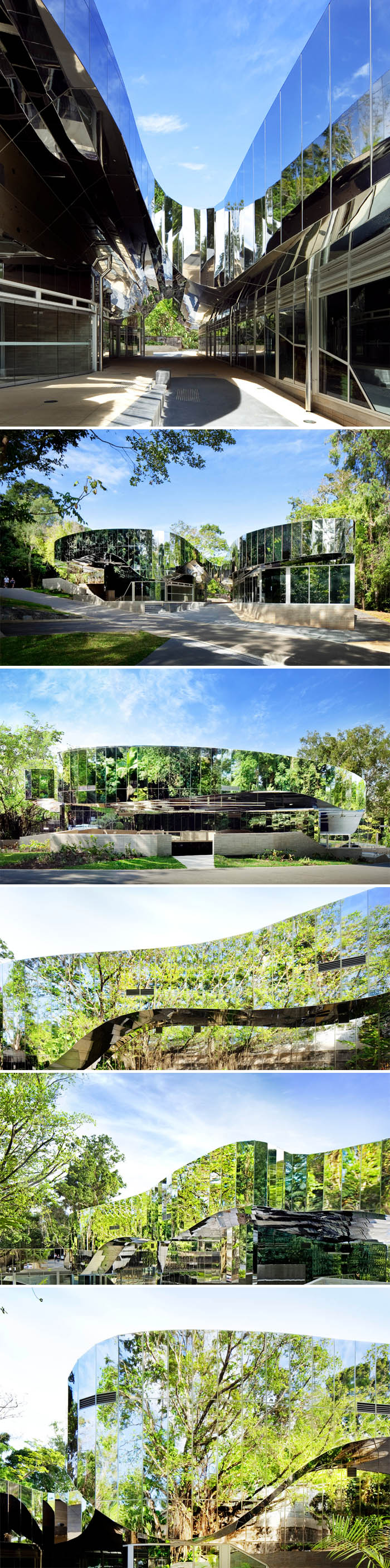
Sustainable architecture, Australia, Charles Wright Architects, reflective facade, collabcubedSustainable architecture, Australia, Charles Wright Architects, reflective facade, collabcubedSustainable architecture, Australia, Charles Wright Architects, reflective facade, collabcubedcool architecture, sustainable architecture, rainforest, reflective facade, visitor center in AustraliaClick to enlarge

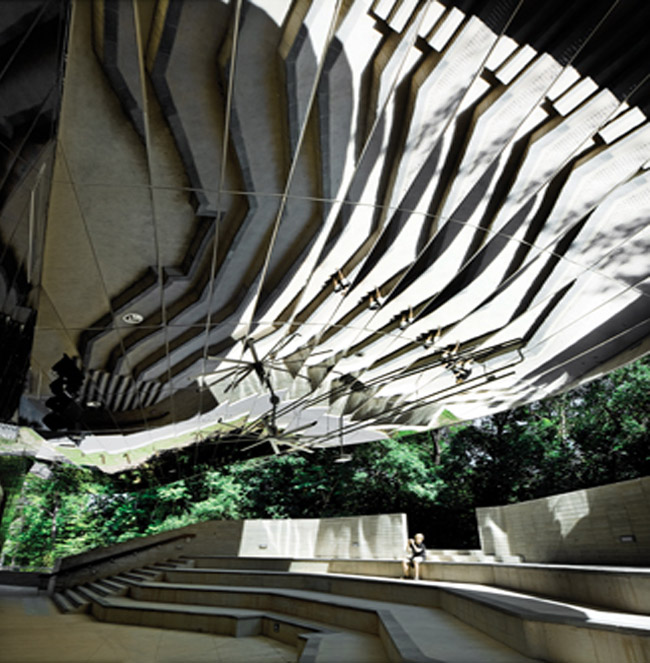
Situated in the midst of the rainforest in Far North Queensland, Australia is the cleverly camouflaged Cairns Botanic Gardens Visitors’ Centre designed by Charles Wright Architects. The mirrored – almost prismatic – façade, walls and soffits of the recently completed building reflect the lush green surroundings adding a coolness to the tropical location.

Met with the challenge of designing an iconic “green” building, Wright Architects responded by producing an ESD canopy as a gateway into the gardens. The structure is a sustainable solution that doesn’t rely on complex technology yet provides thermal convection, water harvesting for reuse, chilled thermal massing for cooling, and renewable energy generation. The Cairns Botanic Gardens Visitors’ Centre is an example of a new progressive direction for tropical design. Plus, it has a very sci-fi look, to boot.

If you like the look of this building, check out Rob Mulholland’s Vestige Installation too.

Photos: Patrick Bingham-Hall

via australian design review

Studio 400: White

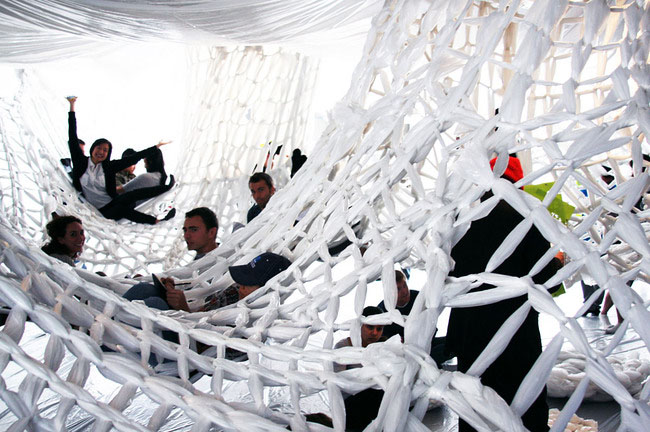
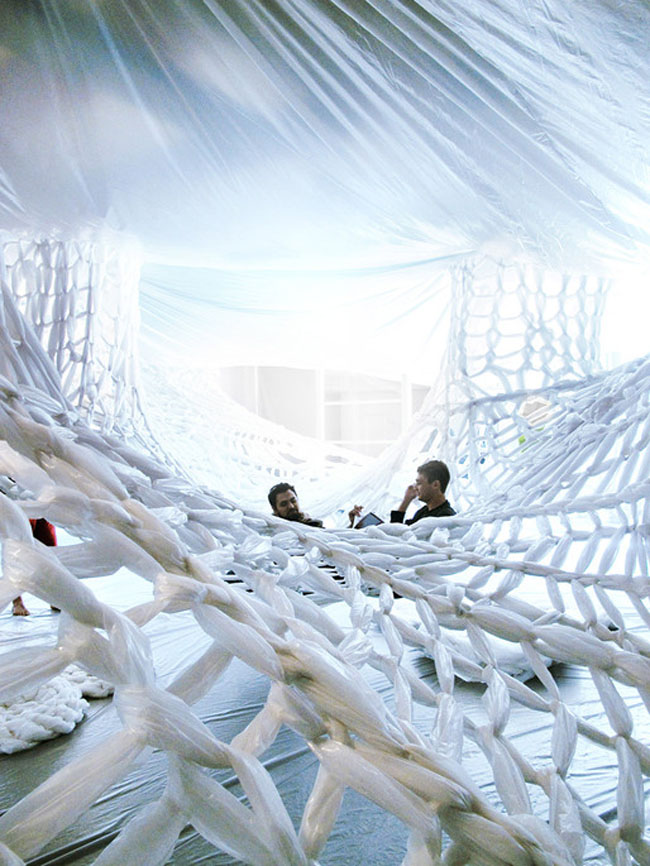
Cal Poly San Luis Obispo College of Architecture and Environmental Design, Thesis book show installation, cool and fun art installation, student work, collabcubedCal Poly San Luis Obispo College of Architecture and Environmental Design, Thesis book show installation, cool and fun art installation, student work, collabcubedCal Poly San Luis Obispo College of Architecture and Environmental Design, Thesis book show installation, cool and fun art installation, student work, collabcubedClick to enlarge

Now this looks like a fun class! Design, developed and installed by students in Professor Karen Lange’s Studio 400 class at Cal Poly San Luis Obispo College of Architecture and Environmental Design, White is their recent book show installation. White served as a showcase for Studio 400’s thesis books, filling the gallery with 80,000 square feet of plastic sheeting that was loomed, crocheted, stapled, bent, and tied over a 4-day period. The result was a fun, comfortable net, creating hammock-like reading spaces within which to peruse the hanging books. Must have been a blast.

You can watch the process in the video below:

If you like this you might also enjoy Ernesto Neto’s installations and For Use.

via sinbadesign/archinect

AVPD: Spatial Works

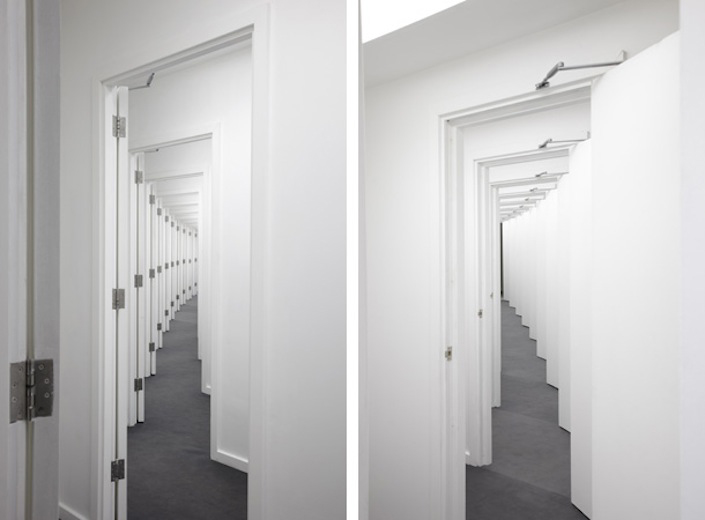
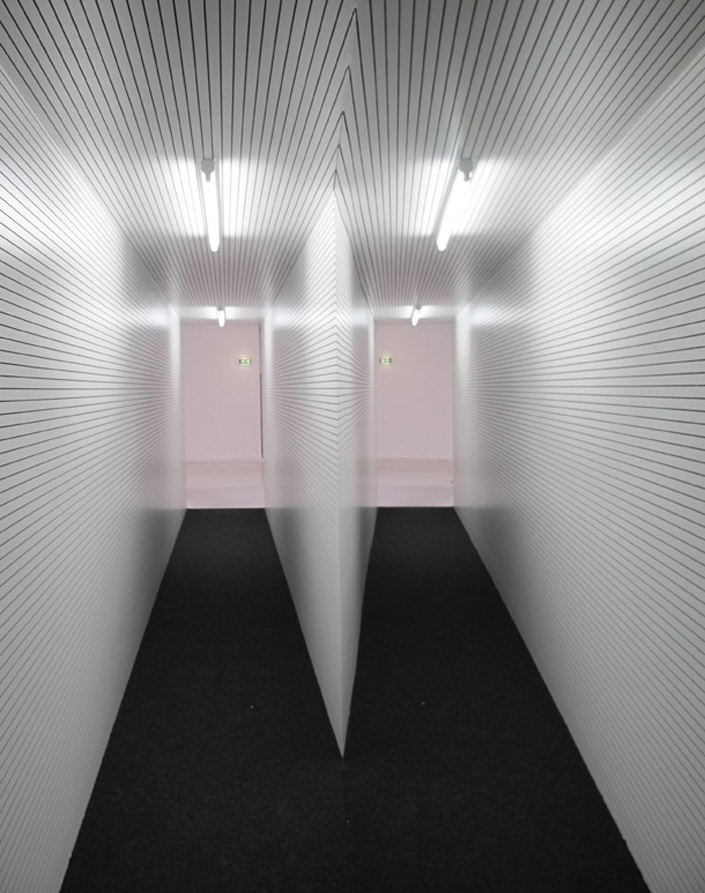
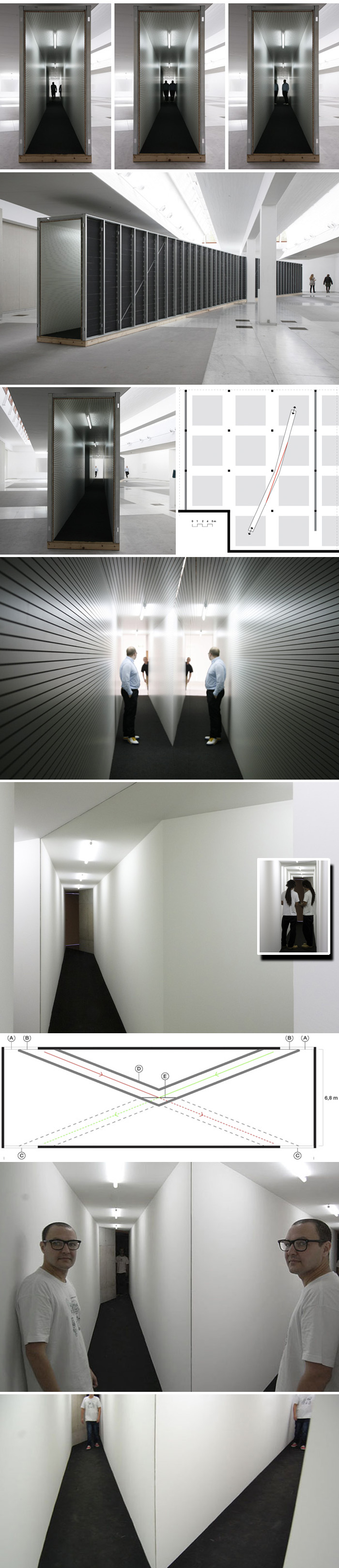
Spatial installations, cool art installations, multiple doors, Aslak Vibæk and Peter Døssing, Hitchcock HallwaySpatial installations, cool art installations, mirrored hallway, Aslak Vibæk and Peter Døssing, Broken View, collabcubedSpatial installations, cool art installations, mirrored hallway, Aslak Vibæk and Peter Døssing, Broken View, collabcubedClick to enlarge

AVPD, a Danish studio created by visual artists Aslak Vibaek and Peter Døssing, unites knowledge from fine arts, architecture, science and the humanities to create works that focus on the perceptual relation between man and space. These installations or spatial works have a fun house quality to them, with their mirrored hallways and infinite doors. The top photo shows their installation aptly named Hitchcock Hallway, while the next five images below are from their Broken View installation where a single corridor appears to become two. The bottom four images are from Diagonal View, which has an equally deceiving hallway.

From AVPD’s website:
We define our spatial works as meta-architectures where the normal perception of the spectator is challenged and displaced and a new experience of space is made possible. In our works, we try to rethink the triangular constellation of the subject, the object and the context. We are interested in how spatial constructions effect the perception of the spectator and how she/he grasps the space in a cognitive, emotional and intellectual way.
Our domain is reality and our artistic praxis is a spatial laboratory.

There are many, many more of these works to be seen on their site as well as videos and plans that explain each one, though I’m quite sure that nothing beats walking through them live.

via galeria leme

Delancey Underground: the “LowLine”

James Ramsey, RAAD, Dan Barasch, PopTech, Arup Engineers, Lower East Side Underground Park Proposal, Kickstarter Project, Delancey Trolley StationJames Ramsey, RAAD, Dan Barasch, PopTech, Arup Engineers, Lower East Side Underground Park Proposal, Kickstarter Project, Delancey Trolley StationJames Ramsey, RAAD, Dan Barasch, PopTech, Arup Engineers, Lower East Side Underground Park Proposal, Kickstarter Project, Delancey Trolley StationClick to enlarge

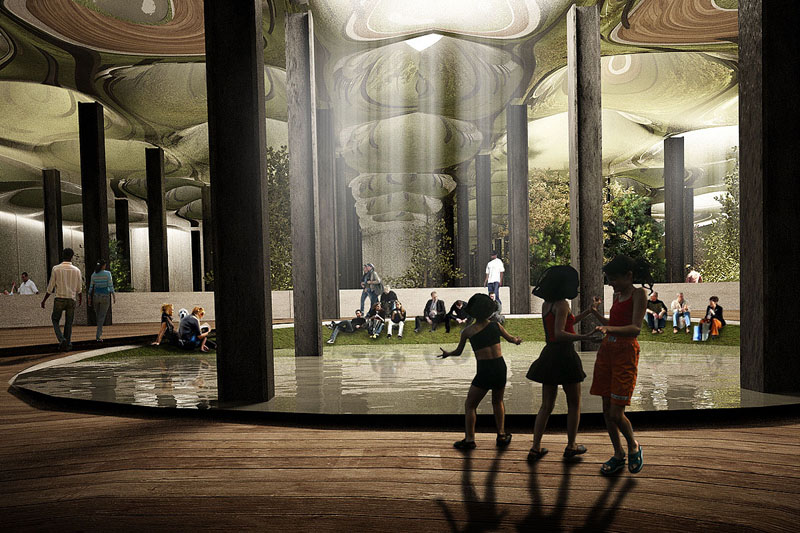
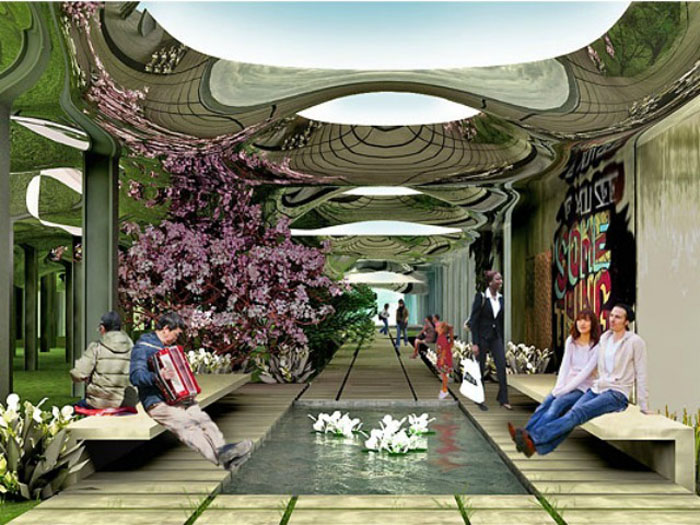
This is a project that I’m very excited about. Being a big fan of the High Line, the idea of revitalizing another set of unused train tracks to create an additional public park space in NYC sounds great. The Delancey Underground project (a.k.a. the LowLine) is the brainchild of James Ramsey (RAAD) and Dan Barasch (PopTech). They propose to convert the former Williamsburg Trolley Terminal – opened in 1903 but not in use since 1948 – into a 60,000 square foot underground green space beneath Delancey Street in the Lower East Side. They have found beautiful architectural details in the abandoned space such as cobblestones, vaulted ceilings and crisscrossing train tracks.

Dark and gloomy you say? Well, Ramsey has designed a new technology that would direct sunlight below ground via fiber optic cables. Solar collectors would be placed at street level, collecting sunlight throughout the day which would then be reflected below ground. This light would not emit the ultraviolet harmful rays, but would support photosynthesis enabling the growth of plants and trees.

Arup Engineers are now working with the team on a series of feasibility studies as well as on the sunlight irrigation prototype.

The project has a Kickstarter page with three more days to go and information straight from the creators. They have met their initial goal but, as always, a project like this could use more money. In addition, from now until the end of April, the Mark Miller Gallery on Orchard Street has an exhibit previewing the LowLine Park titled Let there be light, with large renderings, a 3D model of the space, animated video and protoypes of the solar reflectors.

via lowdownny and inhabitat

Key Frames: Groupe LAPS

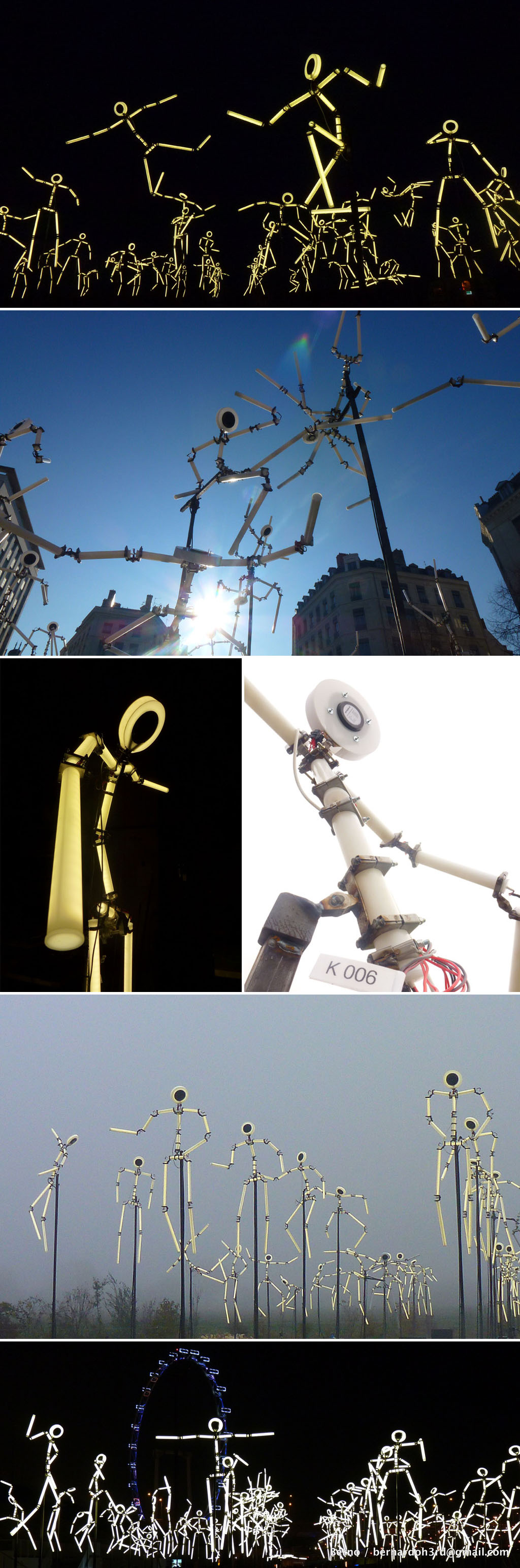
Light installation, static fluorescent bulb stick men that appear to dance, Lumen, iLight Marina Bay, SingaporeLight installation, static fluorescent bulb stick men that appear to dance, Lumen, iLight Marina Bay, SingaporeLight installation, static fluorescent bulb stick men that appear to dance, Lumen, iLight Marina Bay, SingaporeClick to enlarge

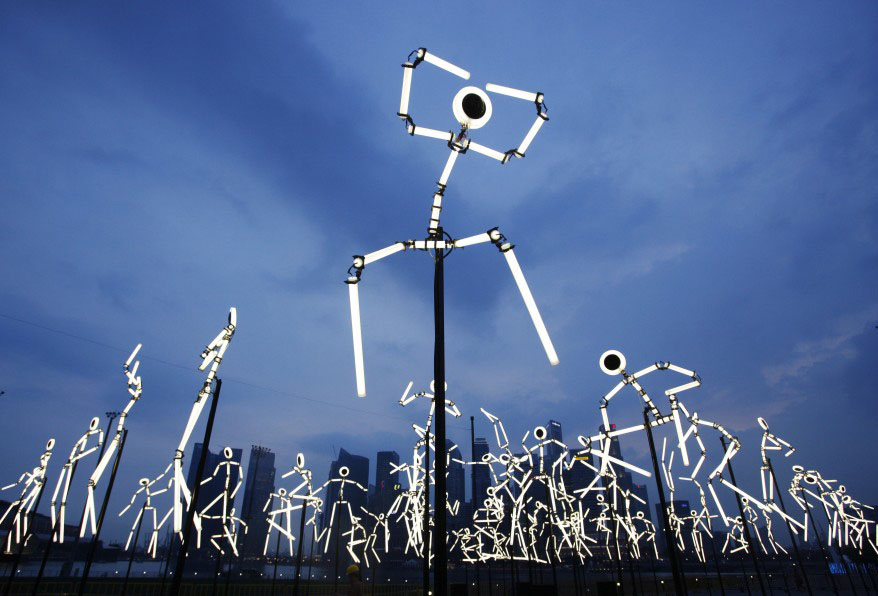
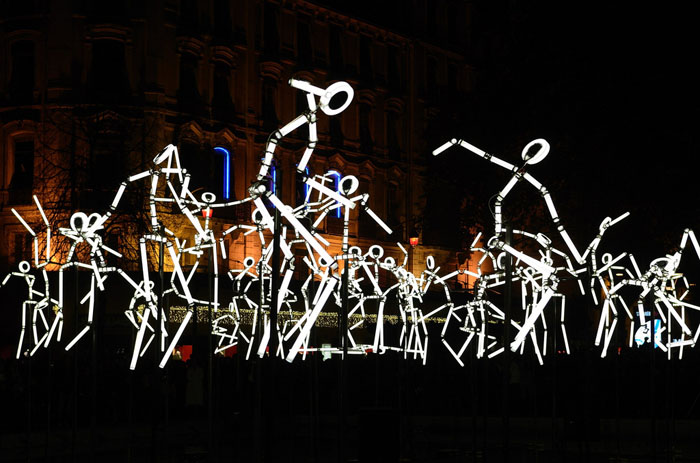
Key Frames is a light installation created by the French design/artist studio Groupe LAPS — six artists and designers with combined expertise and technical know-how who work in film development, light installations, and multimedia applications. Using LED light tubes, Key Frames consists of multiple static stick figures that, when paired with a dance soundtrack, flash on and off in a choreographed display that evokes movement. Totally fun.

Originally designed for the Fête des Lumieres 2011 in Lyon, France, Key Frames was just included as part of the iLight festival at Marina Bay in Singapore.

You can see it in action below:

Photo credits: Reuters; flometal’s flickr; bernardoh’s flickr; and Groupe LAPS.

via voanews

Andreas Von Gehr: Re-Bio-Gehr

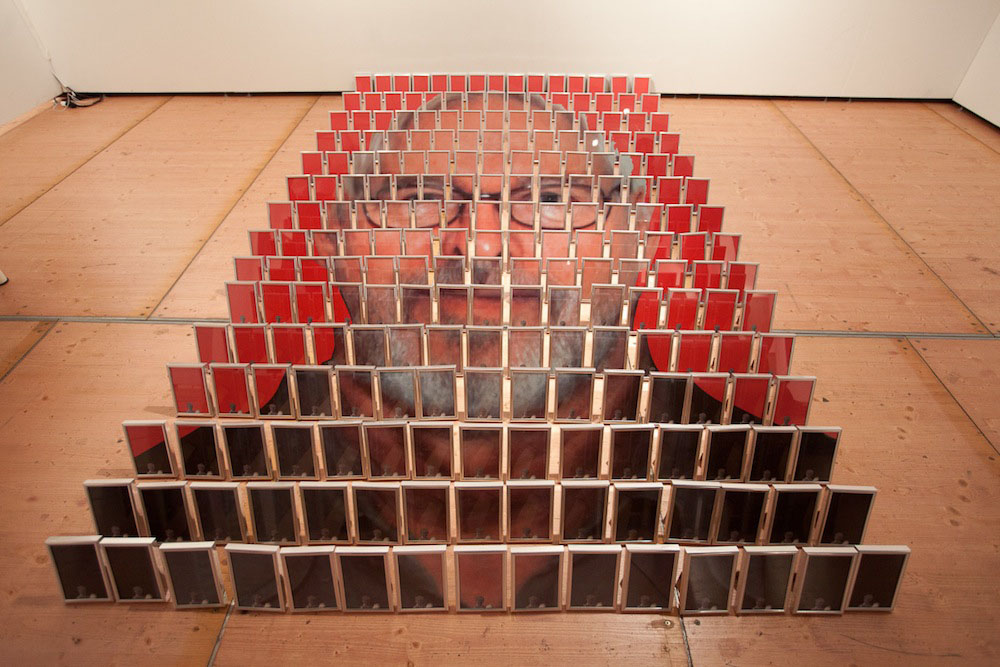
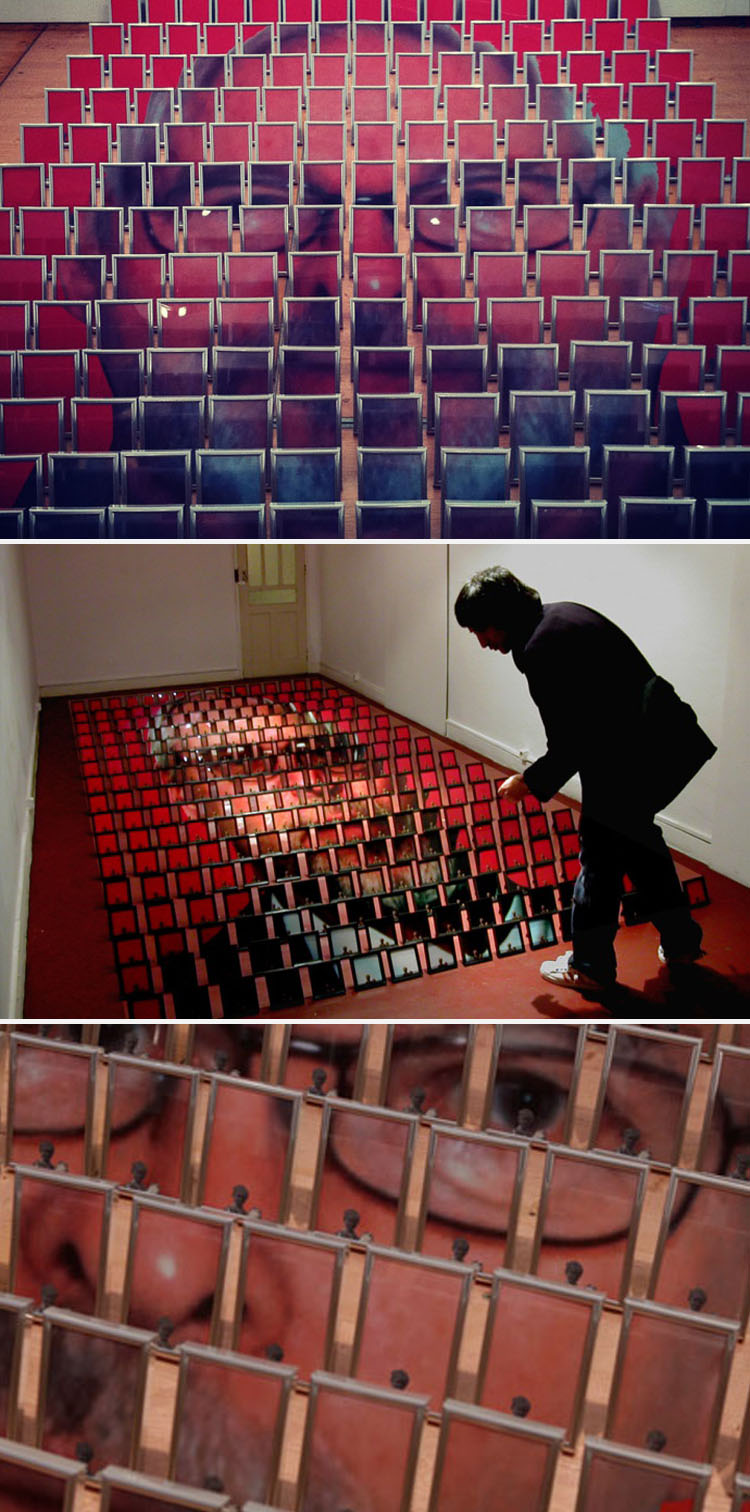
Portrait of father made up of 256 framed images, art installation, Scope NY 2012, collabcubedPortrait of father made up of 256 framed images, art installation, Scope NY 2012, collabcubedPortrait of father made up of 256 framed images, art installation, Scope NY 2012, collabcubedClick to enlarge

Chilean artist Andreas Von Gehr is interested in the interaction between photography, digital media and painting. Much of his work involves his family and the theme of immigration. His installation Re-Bio-Gehr, which was exhibited at Scope here in NYC last month, is one such piece. Von Gehr fragments the image of his father into 256 separate framed portraits with a young German boy at the center base of each frame, his father in his youth (or maybe a representation of his father – I’m not sure). The larger portrait alludes to immigration in its typical passport or ID photo style.

It’s hard not to think of this as a 3-dimensional Chuck Close portrait. Very cool.

via artists wanted

Bryan Nash Gil: Woodcuts

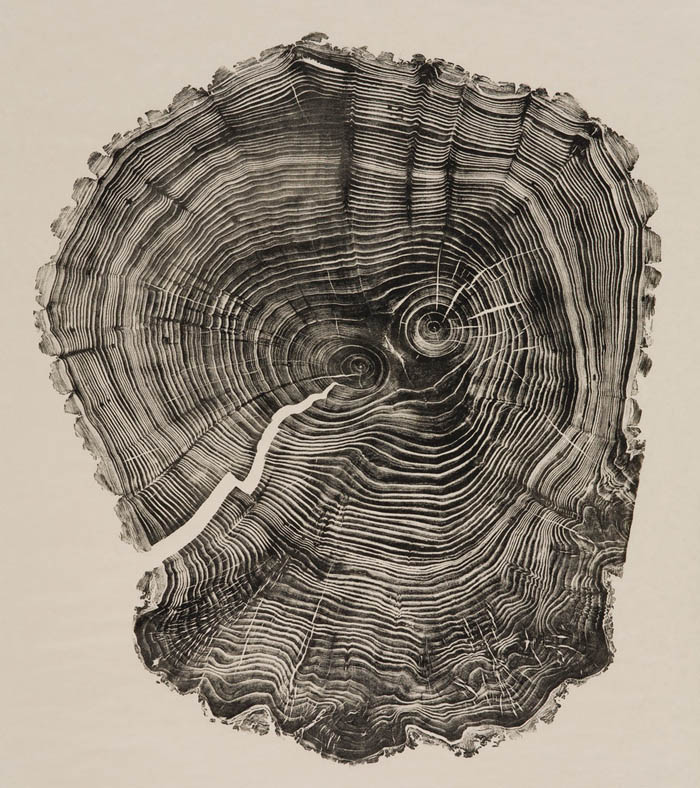
relief prints of tree-trunk cross sections, art from nature and found objects, printmaking, Bryan Nash Gilrelief prints of tree-trunk cross sections, art from nature and found objects, printmaking, Bryan Nash Gilrelief prints of tree-trunk cross sections, art from nature and found objects, printmaking, Bryan Nash GilConnecticut-born and based artist Bryan Nash Gil works with nature and found objects to create sculptures, drawings, and prints. He has just published a book of his relief prints from cross sections of felled trees titled Woodcut.

From Princeton Architectural Press:
Gill reveals the sublime power locked inside their arboreal rings, patterns not only of great beauty, but also a year-by-year record of the life and times of the fallen or damaged logs. The artist rescues the wood from the property surrounding his studio and neighboring land, extracts and prepares blocks of various species—including ash, maple, oak, spruce, and willow—and then prints them by carefully following and pressing the contours of the rings until the intricate designs transfer from tree to paper.

Simply beautiful.

via NYTimes T Magazine

No Longer Empty: “This Side of Paradise”

Bronx Senior Citizens Home revitalized with street artist's site-specific works, No Longer Empty, Andrew Freedman HomeBronx Senior Citizens Home revitalized with street artist's site-specific works, No Longer Empty, Andrew Freedman HomeBronx Senior Citizens Home revitalized with street artist's site-specific works, No Longer Empty, Andrew Freedman Home, Crash, How and Nosm, Daze, Cheryl Pope, Adam Parker SmithClick to enlarge

The contemporary public art organization No Longer Empty, is revitalizing the Andrew Freedman Home — a block-long mansion along the Grand Concourse in the Bronx, originally built as a welfare hotel for the retiring wealthy who had fallen on hard times beginning in the 1920s and lasting into the 80s, when it was taken over by the non-profit Mid Bronx Senior Citizens Council — by inviting 32 artists to create site-specific works.

Many of the artists included are well known graffiti artists such as Crash, Daze, and How & Nosm who have each taken one of the rooms and are bringing them to life. There is a bit of irony in the choice to invite street artists to revitalize the grand mansion when its decline coincided with the rise of Bronx graffiti in the 70s and 80s, but there are also parallels which the curator points out: “…the role of the artist rising from the ashes of the burned-out neighborhoods then and an art show in the decay of this home now.”

The exhibit, titled This Side of Paradise, begins the evening of April 4th through June 5th, and will open the gates of the Andrew Freedman Home to the public.

Photos by Jaime Rojo. Top to bottom: How & Nosm Reflections; Crash Connections; Daze; Adam Parker Smith, I Lost All My Money In The Great Depression And All I Got Was This Room; Scherezaede Garcia; Cheryl Pope, Then and There

via Brooklyn Street Art

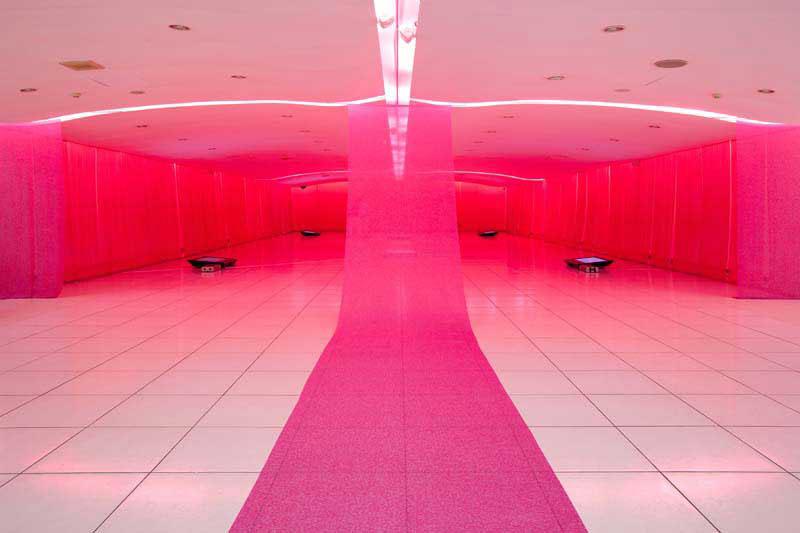
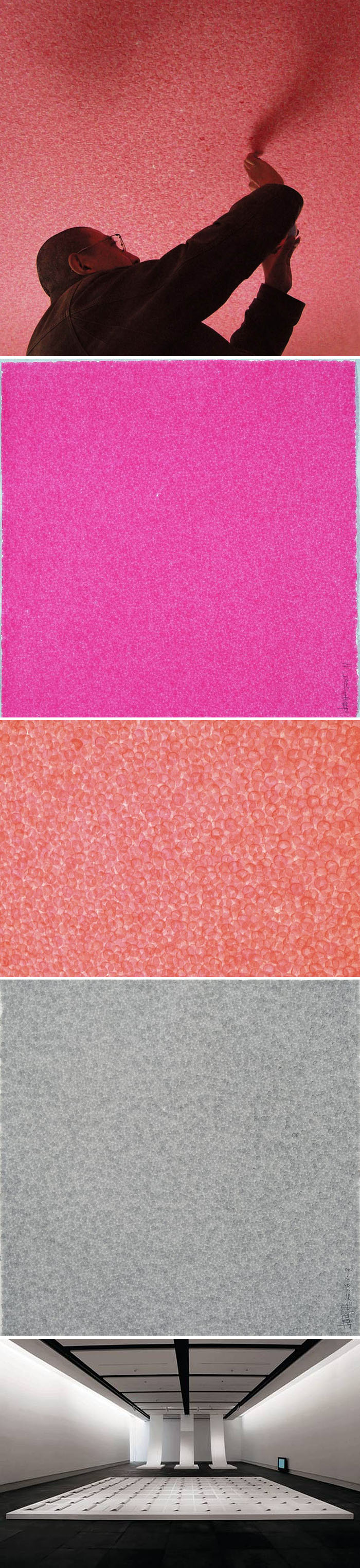
Zhang Yu: Diffused Fingerprints

Zhang Yu, Chinese Contemporary art, experimental ink painting, fingerprints, fingerpaintingZhang Yu, Chinese Contemporary art, experimental ink painting, fingerprints, cool installationZhang Yu, Chinese Contemporary art, experimental ink painting, fingerprints, fingerpaintingZhang Yu, Chinese Contemporary Art, Fingerprint paintings and installationsClick to enlarge

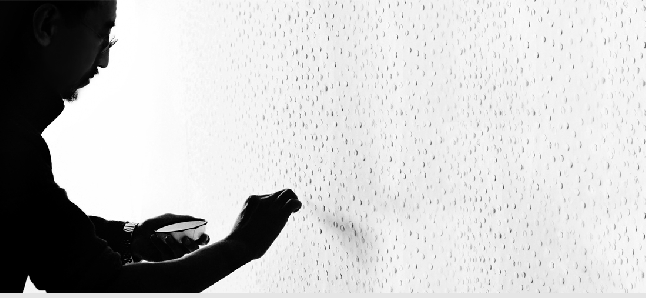
Chinese artist Zhang Yu has been working on his Fingerprint Series, in intervals, since the early 1990s. These paintings become a meditative process by repeatedly pressing his right index finger on rice paper with ink. Zhang limits his colors to shades of red, white and black, leaving thousands of overlapping fingerprints that create a unique infinite visual effect. He has created paintings, installations, books and performances with this process, making him a key figure in contemporary experimental ink painting.

You can see more of Zhang Yu’s work here and here.

via Da Xiang Art Space

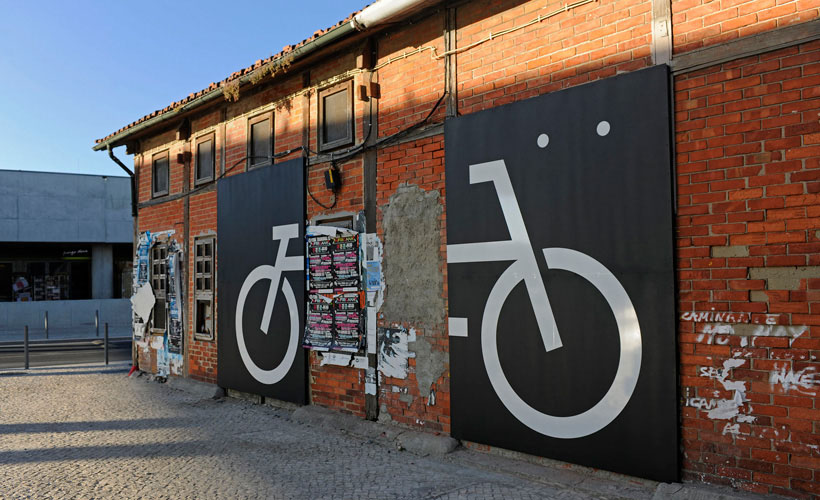
Bikeway Belém: P-06 Atelier

Bikeway Belém, Lisbon, Portugal, Typographic bike routes, wayfinding, symbols, collabcubedBikeway Belém, Lisbon, Portugal, Typographic bike routes, wayfinding, symbols, collabcubedBikeway Belém, Lisbon, Portugal, Typographic bike routes, wayfinding, symbols, collabcubedClick to enlarge

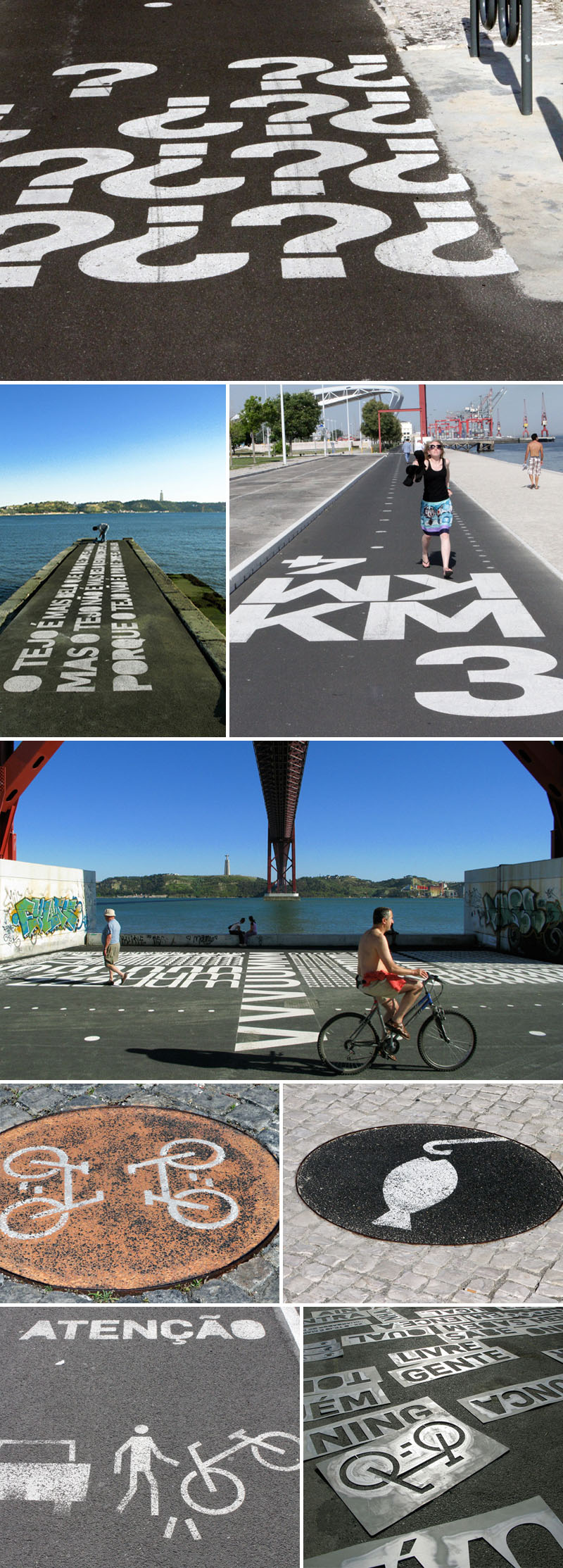
The way I see it, most everything is improved with a little typography. Bicycle paths included. The Bikeway Belém in Lisbon is a prime example. The 7,362-meter bike route along the river Tagus has bold white wayfinding text and symbols painted directly on the pavement which, apart from its practical purposes such as providing direction and measuring distances, is also fun and engaging. There are some ‘zuuuums’ and ‘vuuuums’ printed around as well as arrows and questionmarks that always look good. In addition, along one of the piers, there’s a verse by Portuguese poet Alberto Caeiro about the river Tagus. The project was a collaboration between the Lisbon-based communication and environmental graphics studio P-06 Atelier (previously here) and Global Landscape Architects.

As much as I love the Hudson River bike path, I think a project like this would only enhance it even more.

Photos courtesy P-06 Atelier and Decorating the Duck.

via segd

Charles Atlas: The Illusion of Democracy

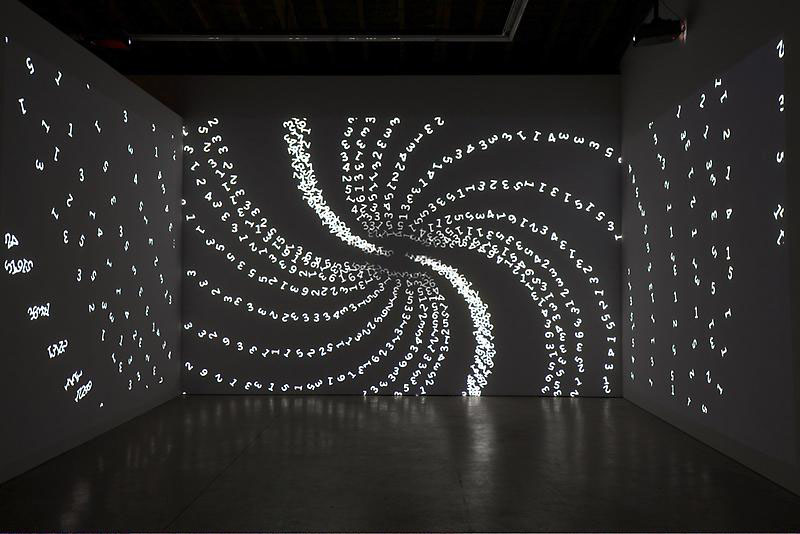
Typography installation, light, projections, Bushwick, cool art installation in Brooklyn, collabcubedTypography installation, light, projections, Bushwick, cool art installation in Brooklyn, collabcubedTypography installation, light, projections, Bushwick, cool art installation in Brooklyn, collabcubedThis is an exhibit that we will definitely be checking out this week. I mean, numbers, projected on multiple screens in different variations, sizes and colors…totally our kind of thing! For their inaugural exhibition in the newly opened Bushwick gallery, Luhring Augustine is featuring works by video artist Charles Atlas. The exhibition is titled The Illusion of Democracy and includes three installations by Atlas never before exhibited in New York: Painting by Numbers (2011), Plato’s Alley (2008), and a new site-specific, large-scale video work 143652 (2012).

Originally from St. Louis, Missouri, Atlas has lived and worked in NYC since the ’70s and is considered a pioneering figure in film and video.

If you’re in NYC and thinking of visiting the Bushwick gallery, it’s important to note that it is only open Fridays through Sundays. The Illusion of Democracy will be on exhibit through May 20, 2012.

via artinfo via notcot

Highlights from the RISD Senior ID Show

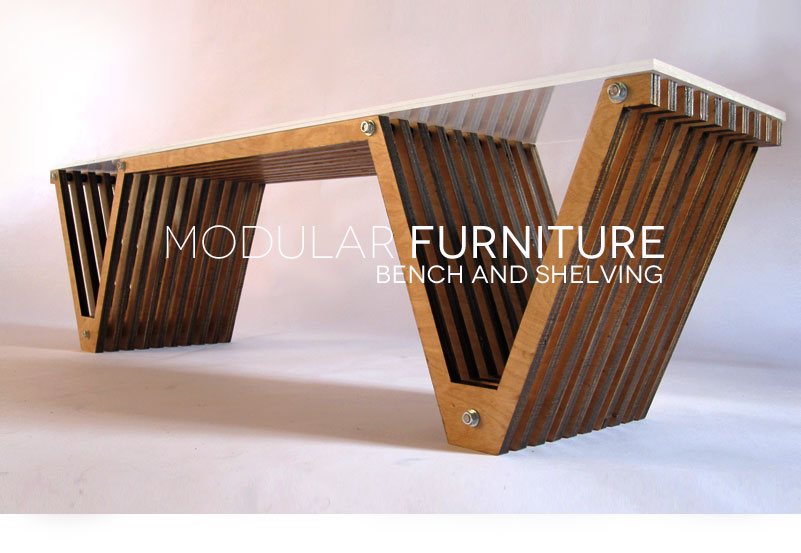
Furniture Design, Rhode Island School of Design, RISD Industrial Design, Bench, ShelvingFurniture Design, Rhode Island School of Design, RISD Industrial Design, Bench, ShelvingA couple of weeks ago we stopped in at the RISD Senior Industrial Design Show. All the work was impressive, but due to limited space, here are just a few of the projects that caught our attention. Above, Natalie Murrow created a Modular Bench and Shelving system that’s very clever with multiple uses.

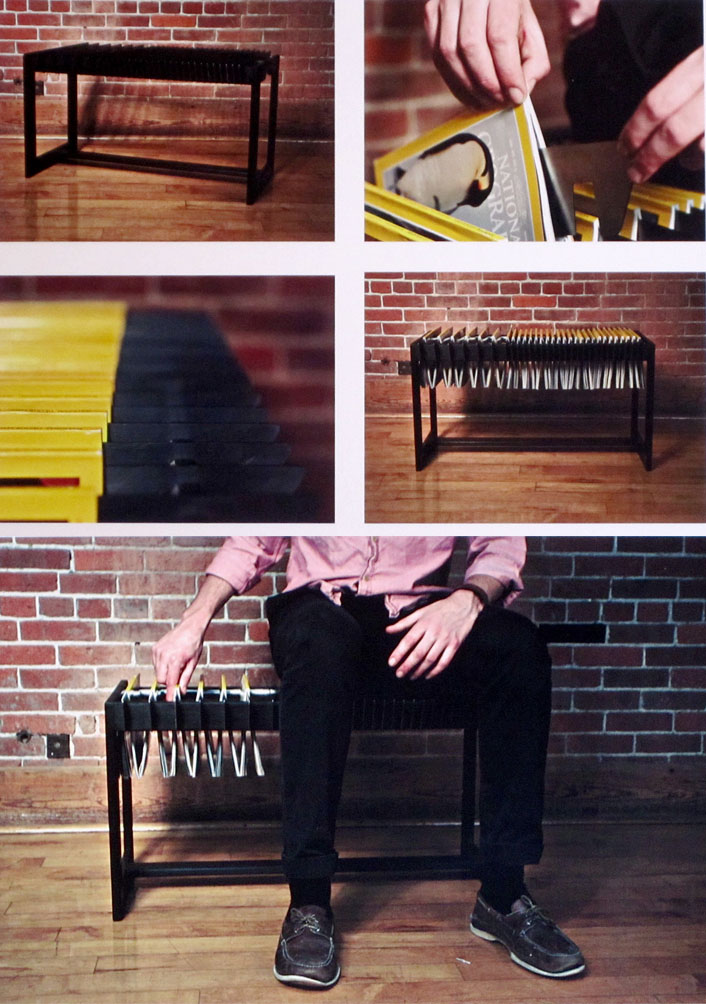
Below, Brett Newman’s Magazine Bench works as both a seat and a magazine rack, convenient for easy access to periodicals and stylish to boot.

Brett Newman, Magazine Bench, RISD Senior ID Show 2012, furniture, industrial designBrett Newman, Magazine Bench, RISD Senior ID Show 2012, furniture, industrial designOliver Henderson, Nano, Ipod, speakers, design, RISD Industrial Design 2012Oliver Henderson’s Personal Nano Speakers in maple are compact and nicely designed (above) and Owen Read’s Annex iPhone Tripod Mount (below) with suction cups that attach to your iPhone is elegant and smart.

Owen Read, Annex Tripod Mount for iPhone, RISD Industrial Design 2012

All of these designers have other interesting work, so be sure to click on their names to visit their websites and see much more.

Product photos: courtesy of each designer. Show photos: collabcubed

Empty Sky: Jersey City 9/11 Memorial

911 Memorial, New Jersey, Names, Frederic Schwartz Architects, Sculpture, landscape architecture911 Memorial, New Jersey, Names, Frederic Schwartz Architects, Sculpture, landscape architecture911 Memorial, New Jersey, Names, Frederic Schwartz Architects, Sculpture, landscape architecture9/11 New Jersey Memorial, Frederic Schwartz architects, collabcubed, monizaClick to enlarge

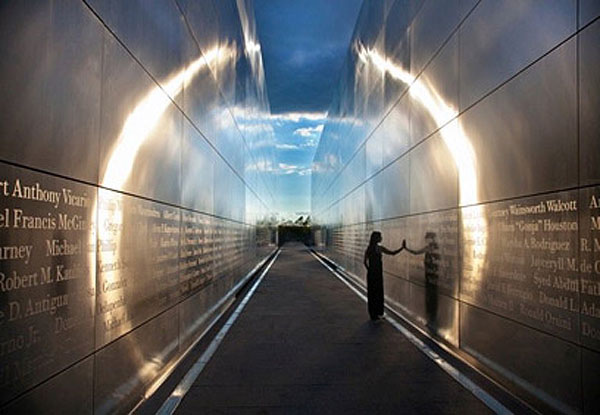
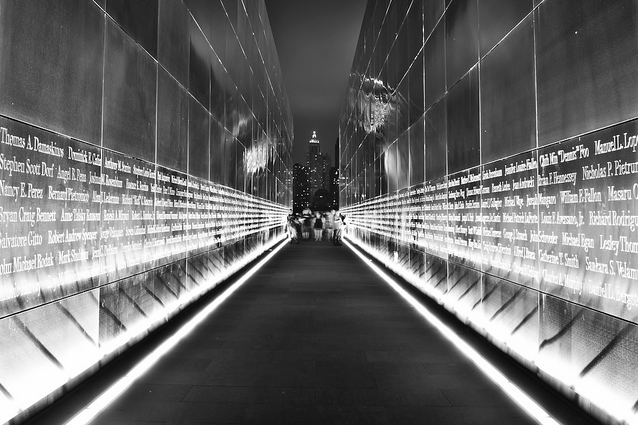
Though I haven’t yet visited the 9/11 Memorial down at the World Trade Center, it has been so thoroughly documented that I am not only aware of its existence, but also have a reasonably good idea of what to expect when I do finally go in person. The same cannot be said of the New Jersey memorial, Empty Sky, on the other side of the Hudson River, honoring the 744 victims from New Jersey who lost their lives at the Twin Towers on September 11th, 2001. That is until now, that I’ve come across its existence.

This simple yet striking memorial, designed by Frederic Schwartz Architects, consists of twin cement and stainless steel walls, 12 feet apart, 30 feet high and 210 feet long, that reflect the changing light of day creating a halo effect at dusk and dawn as the sun hits the parallel walls. The corridor created by these two walls dramatically draws the eye to the vacant (empty) space where the towers once stood. Working with graphic designer Alexander Isley, it was decided to engrave the names of the victims in ITC Bodoni 12 in a larger size than is usual in memorials, using a cap height of 3.6 inches, spacing the names out so that none of them are broken, and allowing for the families of the victims to easily create rubbings of their names, if they so choose. Other consultants on the project include Ove Arup & Partners Structural Engineers and Arnold Associates as the landscape architects.

The project was unveiled this past September. I’ll have to pay a visit to this memorial in addition to the inverted fountains downtown.

Photos and images courtesy of the architects; Ari Burling Photography; David Sundberg/Esto; and Moniza’s flickr

via sedg

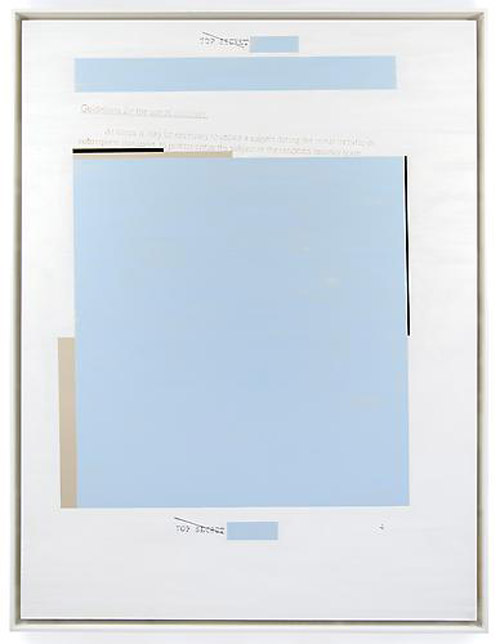
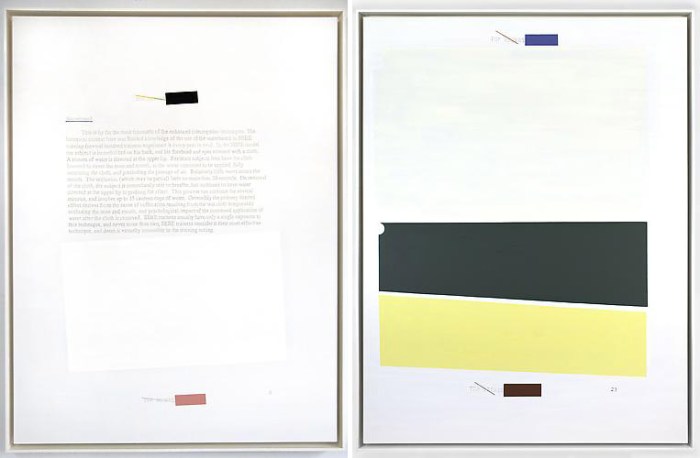
Jenny Holzer: Endgame

Jenny Holzer, redacted text paintings, endgame, contemporary art, skarstedt galleryJenny Holzer, redacted text paintings, endgame, contemporary art, skarstedt galleryJenny Holzer, redacted text paintings, endgame, contemporary art, skarstedt galleryClick to enlarge

The best thing for me about the day I went to the Whitney Biennial, a few weeks back, was when my friend and I took a half-hour break (we were waiting to see some of the Biennial films), and went to the Starstedt Gallery where Jenny Holzer’s exhibit Endgame awaited us. Another word about the disappointing Biennial though: one of the few works that I did enjoy was Portal by the band Red Krayola, an interactive piece hidden on the 5th floor mezzanine where one of the Red Krayola members is skyped in at all times available to converse with the viewers if they have any questions about the large sketchbook in front of them, in which everyone is invited to contribute. It was fresh, fun and cracked me up, especially since most of the time Mayo Thompson (the Red Krayola who was there when I visited) was flipping through his newspaper, making it unclear if what we were watching was a video or live until he started chatting. Here’s the only photo I was able to find, unfortunately the seat is empty in the photo.

But, back to the subject of this post: Endgame. Holzer, known best for her wonderful LED word sculptures, continues with her redacted government document series, but many of these include color and have a slicker finish to the geometric shapes created by the censoring. She has made these into beautiful abstract paintings that exacerbate how much one is blocked from seeing. There is a Constructivist quality to these paintings that could suggest a social purpose, while the lighter colors and chromatic fades might suggest a hopefulness and optimism.

What I know, without doubt, is that walking into the gallery, a lovely house in itself, was a breath of fresh air and a confirmation that wonderful art is alive and well, even if not at the Biennial.

Jenny Holzer’s Endgame is on view at the Skarstedt Gallery in NYC through April 7th, 2012.

All images courtesy of the Skarstedt Gallery.
Plastique Fantastique: Fantastic Plastic

temporary architecture, fantastic bubbles in urban spaces, marco canevacci, inflatable structures, temporary exhibit spacestemporary architecture, fantastic bubbles in urban spaces, marco canevacci, inflatable structures, temporary exhibit spacestemporary architecture, fantastic bubbles in urban spaces, marco canevacci, inflatable structures, temporary exhibit spacesClick to enlarge

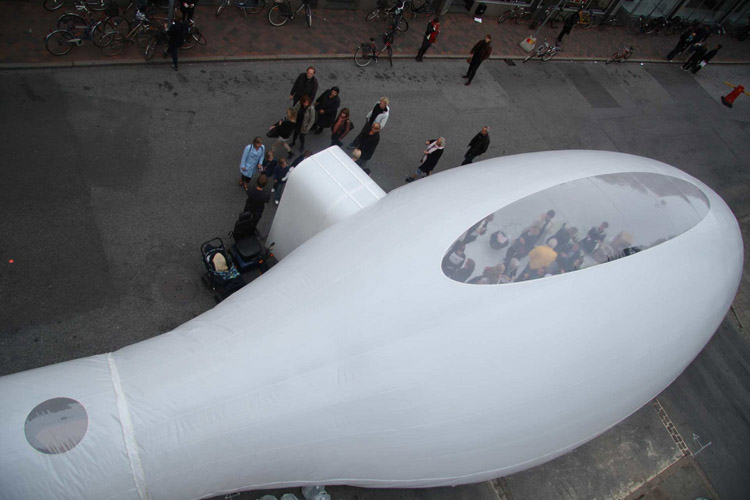
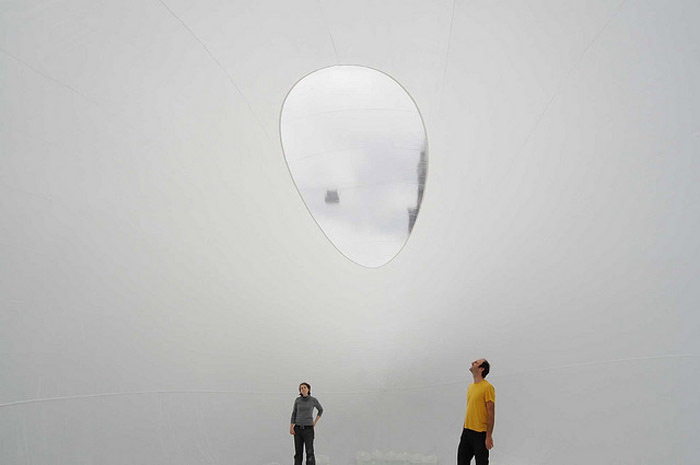
Based in Berlin, Plastique Fantastique is self-described as a studio for temporary architecture. Since 1999 this team of designers, artists, and engineers – headed by architect and founder Marco Canevacci – has been creating fantastic plastic bubbles in urban spaces for art exhibits, trade shows and festivals.

From their website:
Plastique Fantastique’s synthetic structures affect the surrounding space like a soap bubble does: it is a foreigner which occupies and mutates usual relations and points of view. By mixing the landscape, it gives birth to a new hybrid environment that allows an osmotic passage between private and public space. The installations crop the subject from its context by beaming it into a new realm of space. Whether people interact with the bubble simply by seeing it, or walking around the exterior, or actually moving through the interior, the structure is a medium to experience the same physical setting in a temporary extraordinary situation. Plastique Fantastique creates light and fluid structures that can lay on the street, skirt a wall, infiltrate under a bridge, squeeze in a yard, float on a lake, invade an apartment and generate an “urban premiere”.

Very fun and cool. If you like these you might also enjoy the work of Lang/Baumann, Architects of Air, and Olga Diego.

via cityvision

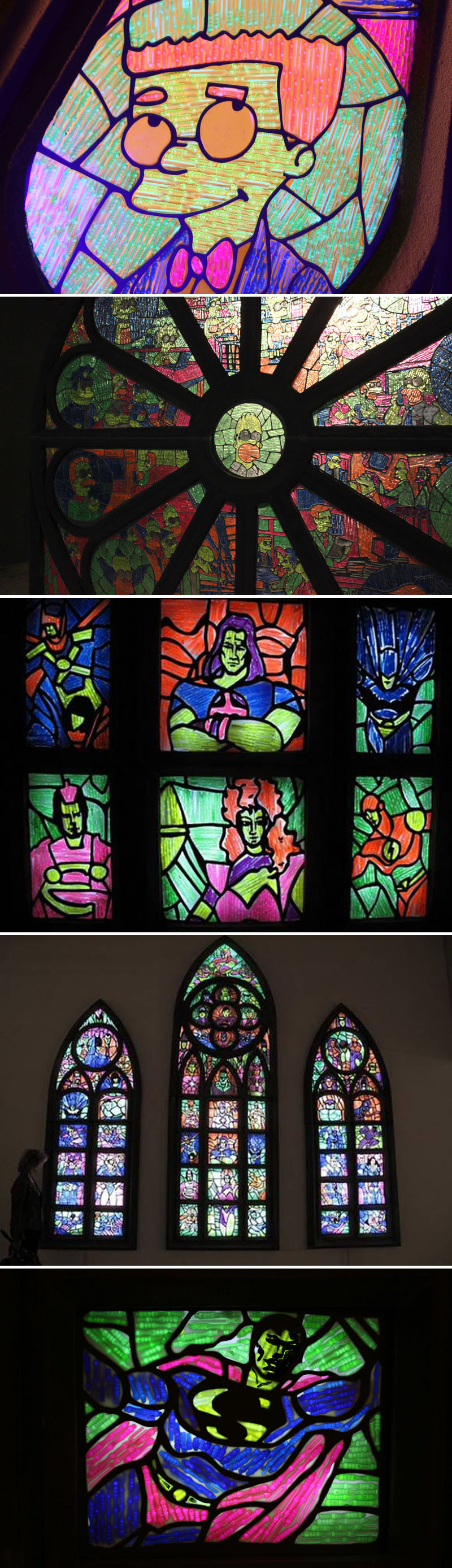
The Simpsons in Stained Glass…OK, Plastic

Contemporary Russian Art, Recycle Group, The Simpsons, Stained Glass, Andrey Blohin and Egor KuznecovContemporary Russian Art, Recycle Group, The Simpsons, Stained Glass, Andrey Blohin and Egor KuznecovContemporary Russian Art, Recycle Group, The Simpsons, Stained Glass, Superheroes Stained Glass, Andrey Blohin and Egor KuznecovClick to enlarge
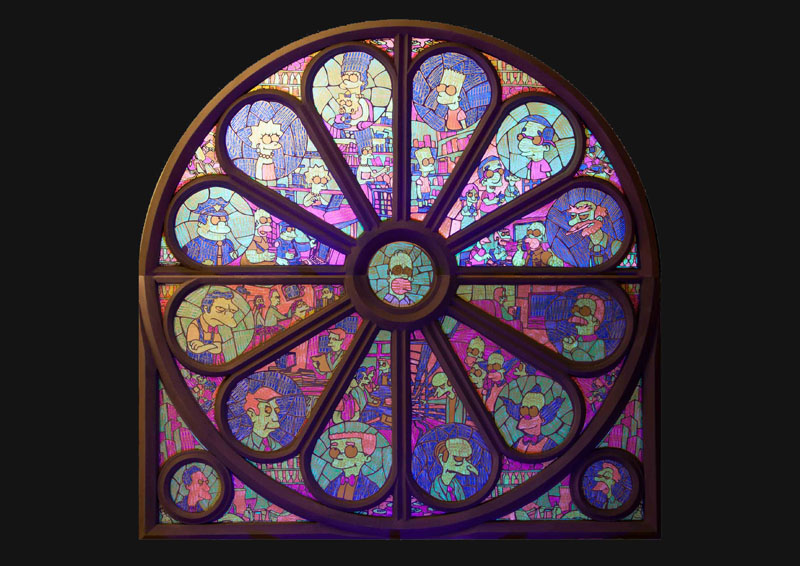
Here is more from the Recycle Group (previously here): these stained glass windows made from recycled plastic à la Recycle Group style, made me chuckle. Though my preferred window is the Simpsons rosetta, the Superheroes triptych windows are also well done. Continuing in their mixing of classical art with the recyclable materials of the present, Andrey Blohin and Egor Kuznecov definitely seem to be having fun with their art.

Photos Galerie Rabouan Moussion and Perm Krai Capital of Culture

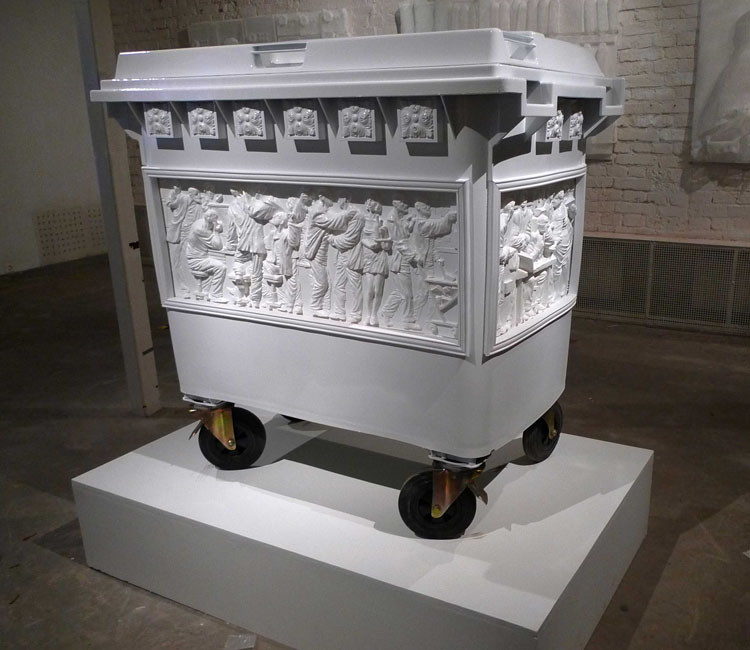
Recycle Group: Recycled Renaissance

Russian contemporary art, recycled art, dumpster, garbage, humor, Blokhin, KuznetsovRussian contemporary art, recycled art, dumpster, garbage, humor, Andrey Blokhin,  EgorKuznetsovRussian contemporary art, recycled art, dumpster, garbage, humor, Andrey Blokhin,  Egor KuznetsovClick to enlarge
Andrey Blokhin and Georgiy (Egor) Kuznetsov are the Russian duo that make up the Moscow-based, contemporary art collective Recycle Group. Much of the art that Recycle Group creates involves (not surprisingly) recycling. Taking objects such as plastic nets, thermal moldings, garbage cans and more, Bolkhin and Kuznetsov play with the idea of the permanence of classical art in the non-permanent material. There is humor as well as message in the immortalization of rubbish. Seeing a a trash can as a sarcophagus depicting the office battles of an office warrior, or The Last Supper as a tense business meeting, clearly Recycle Group has a sense of humor.
You can see more of their work on their website as well as at Galerie Rabouan Moussion.

You might also enjoy Alexey Morosov’s work.

Photos: Galerie Rabouan Moussion/picasaweb.google.com/tiffoen/