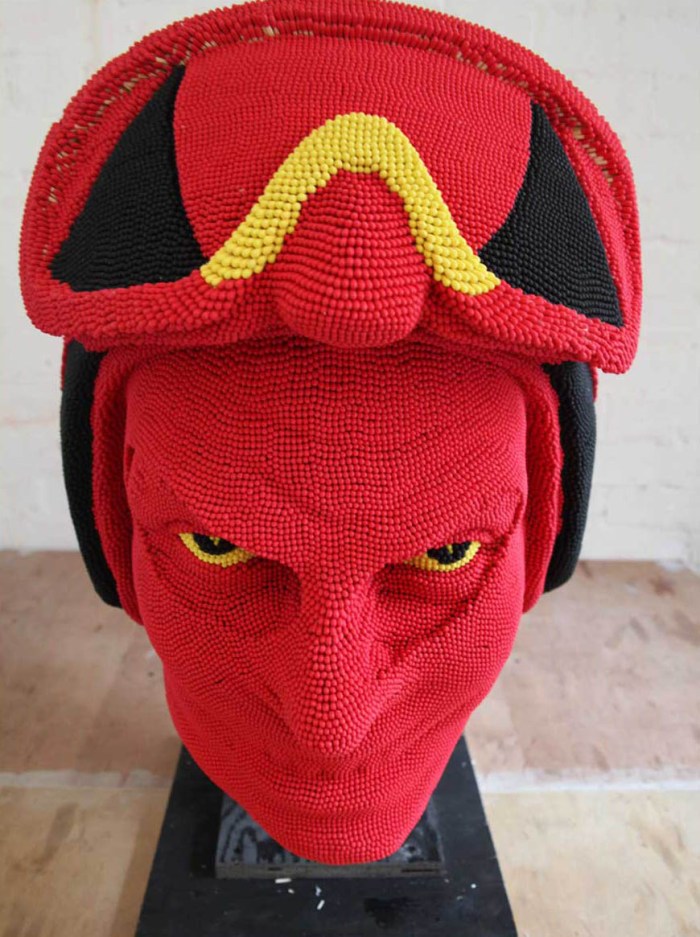
David Mach: Matchheads

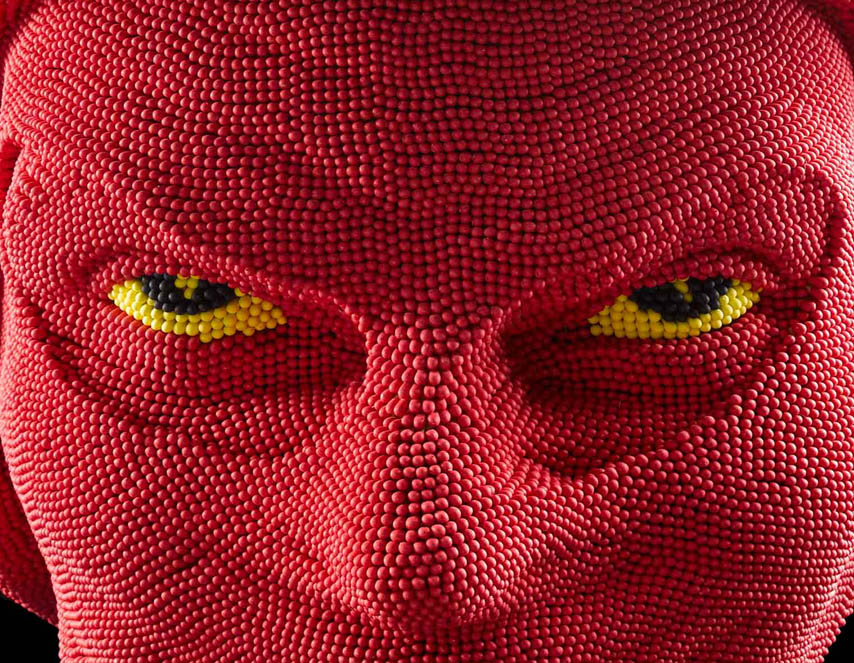
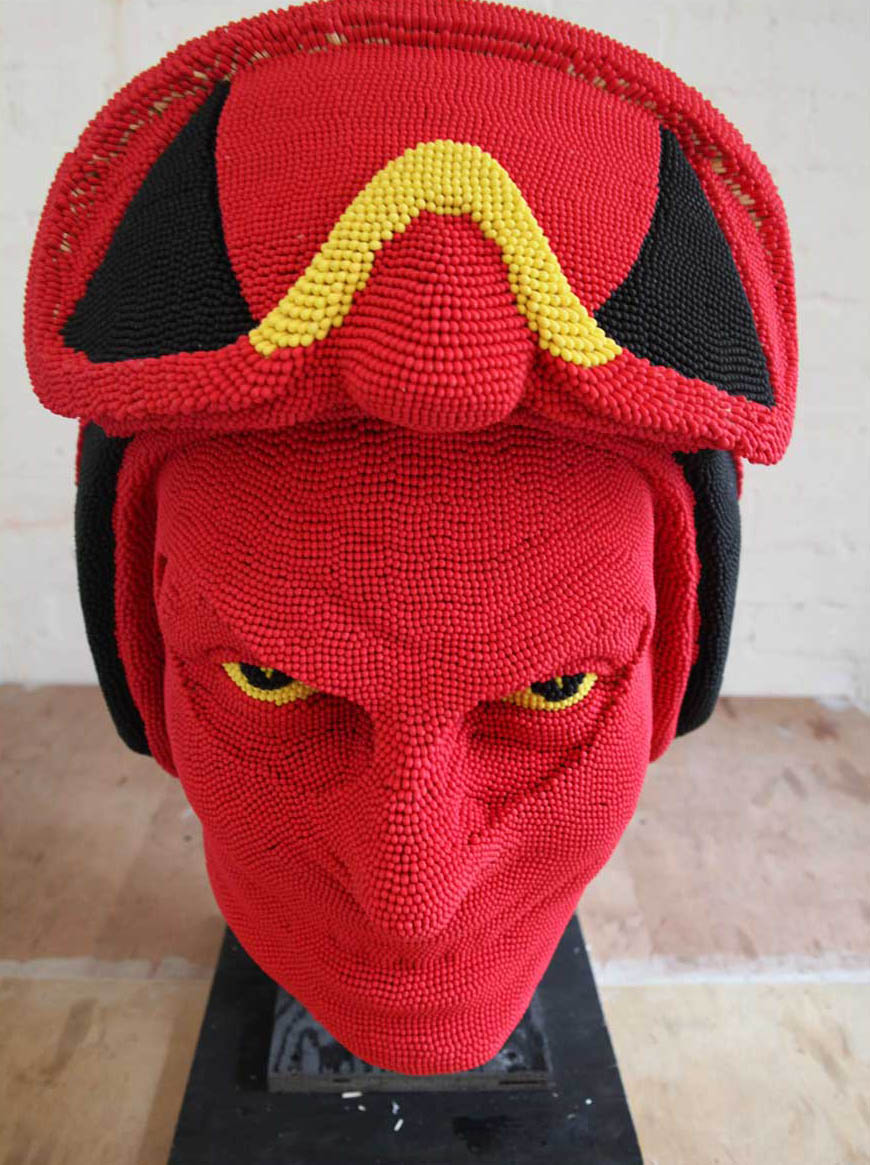
sculptures made of matches, sculptures that are lit and burned, heads made up of matchessculptures made of matches, sculptures that are lit and burned, heads made up of matchessculptures made of matches, sculptures that are lit and burned, heads made up of matchesClick to enlarge

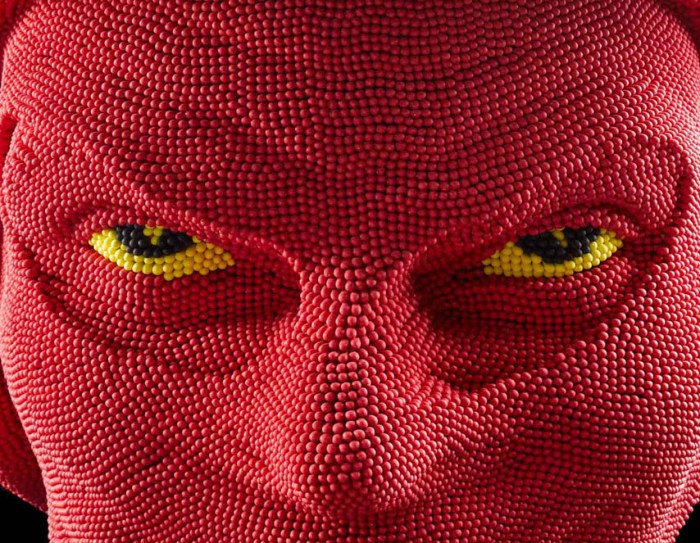
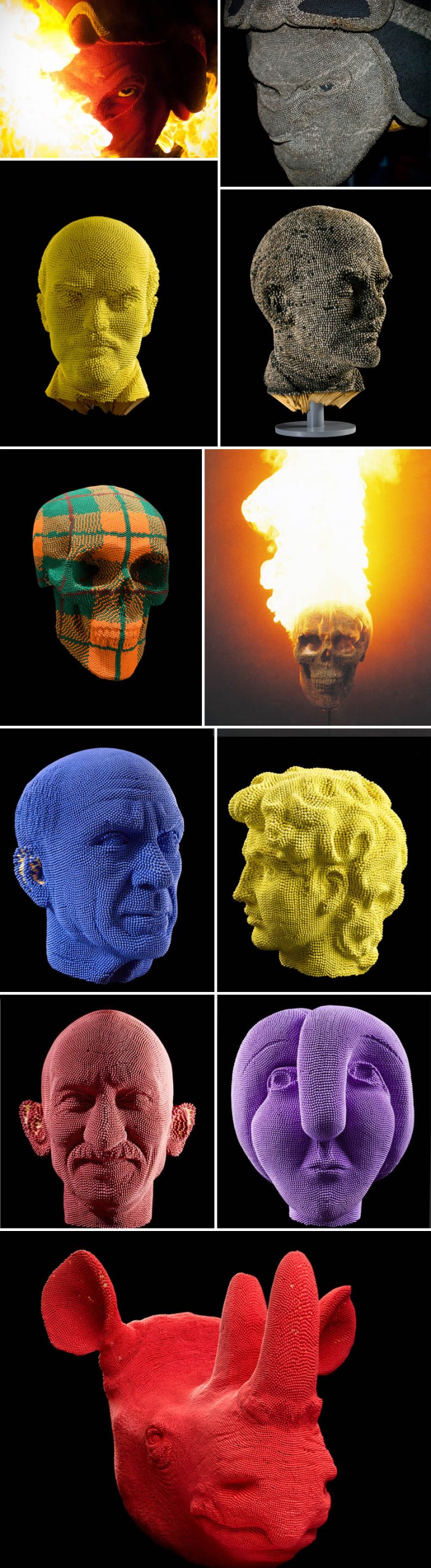
Yes, I just finished posting about David Mach’s coat hanger sculptures, but this artist has so many incredible works that it merits two consecutive posts, and still there is so much more to see! In his Matchheads, Mach uses thousands of live matches to create heads of famous people, not-so-famous people, busts in the style of Roman sculptures, Asian and African style masks, Picassoesque and Warholian influenced heads as well as many animal heads. Some are monochromatic and others use multiple colors. And if these aren’t  impressive enough in their non-lit form, David Mach also lights them on fire resulting in a charred blackish-gray hue.

Photos from the artists’s site, piglicker’s flickr, Opera Gallery, and Galerie Jerome de Noirmont.

There is so much of David Mach’s work worth checking out. You can see his postcard collages here, his amazing brick train sculpture here, and even more installations here. Oh, and there’s a dominatrix made of dominoes here!
David Mach: Coat Hanger Sculptures

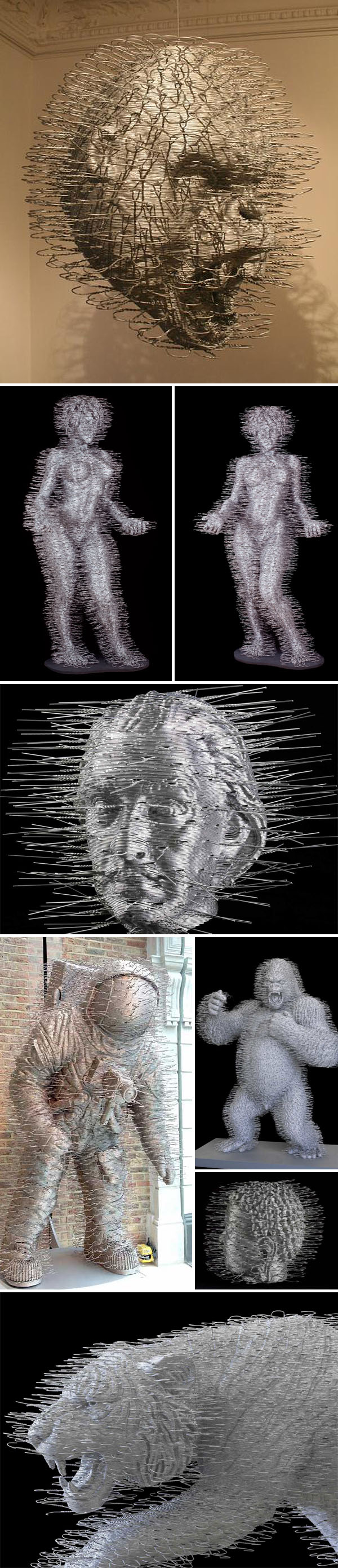
cool sculptures made of wire coat hangers, David Mach, Scottish artistcool sculptures made of wire coat hangers, David Mach, Scottish artistcool sculptures made of wire coat hangers, David Mach, Scottish artistClick to enlarge

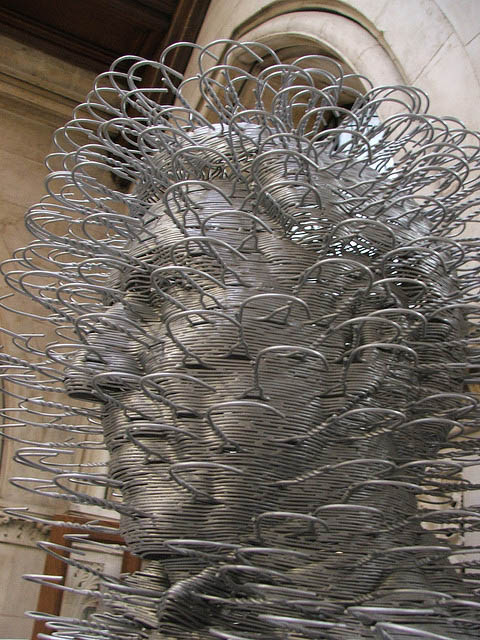
Scottish sculptor David Mach is a master at creating assemblages of mass-produced objects such as magazines, bricks, books, dominoes, matches, and, as illustrated in this post, wire coat hangers. Though new to me, Mach has received major honors and recognition for his work since the 80s including a nomination for the Turner Prize in 1988 as well as being a Fellow of the Royal Academy of the Arts.

His coat hanger sculptures range from busts to large scale animals. The detail on these pieces is incredible. I wish I knew what the process was like.

Photos from the artist’s site, Malcolm Edward’s flickr, Galerie Jerome de Noirmont, and Aaron Sweeney.

via flickrhivemind

Sculptural Poems by Ragnhildur Johanns

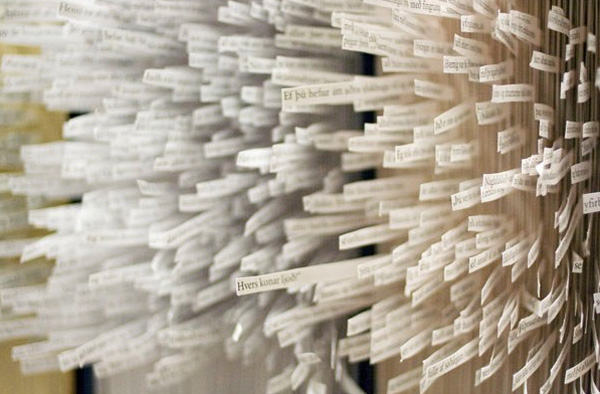
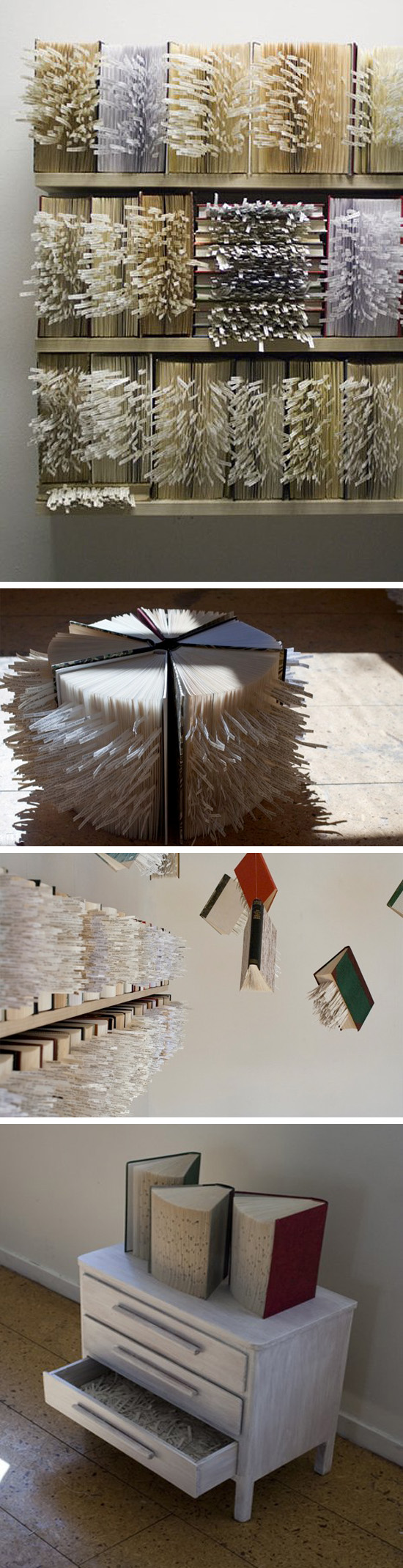
Book art, text, collage, contemporary sculpture, Iceland, Reykyavik, Weird Girls projectBook art, text, collage, contemporary sculpture, Iceland, Reykyavik, Weird Girls projectBook art, text, collage, contemporary sculpture, Iceland, Reykyavik, Weird Girls projectIt’s interesting to note the rise of book- and text-related art taking place during the unfortunate decline of book printing and publishing. As one who has designed many a book, I am very aware of this phenomenon. For the most part, these works seem to be paying homage to books, literature, text, typography, and bookbinding. A repurposing of the objects while highlighting their beauty.

Icelandic artist Ragnhildur Jóhanns is one of these artist. Based in Reykyavik, this young visual and performance artist works books and poetry into most of her work. From text collages to sculptural pieces and performance works that include readings, Jóhanns takes the already beautiful books and makes interesting and beautiful artworks by painstakingly cutting strips of text and extending them past the book pages, or conversely, creating gaps and indents in the pages with the cutouts. The names of two of these series of works are Sculptural Poems and Visual Poetry.

AND if these artworks aren’t quirky enough for you, she’s also one of the Weird Girls from The Weird Girls Project!

Fan Chon Hoo: The Blue and White Collection

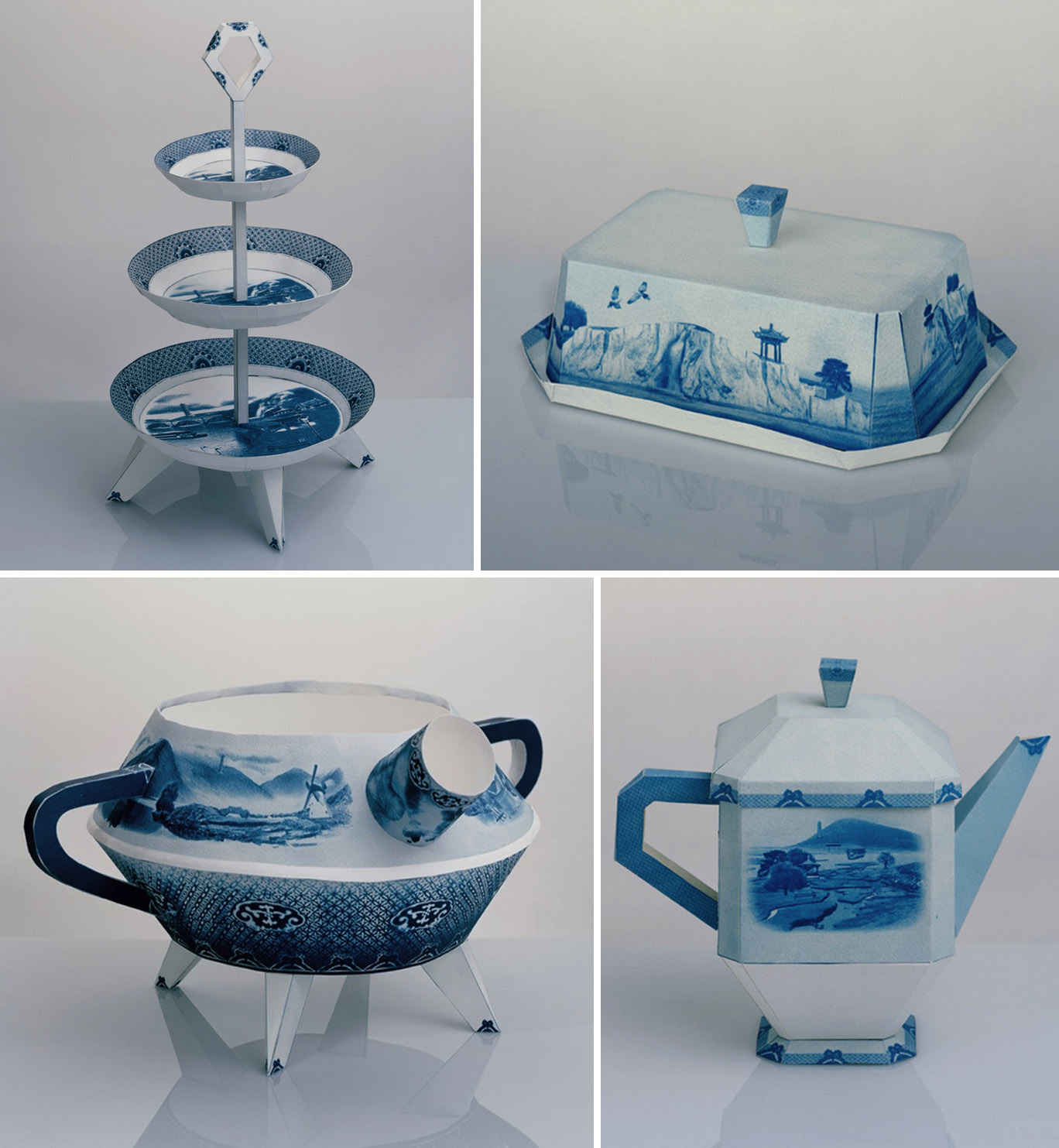
Willow Earthenware, The Blue and White Collection, Paper dishes, Fan Chon HooWillow Earthenware, The Blue and White Collection, Paper dishes, Fan Chon HooWillow Earthenware, The Blue and White Collection, Paper dishes, Fan Chon HooClick to enlarge

Look closely at these paper dishes. Malaysian artist Fan Chon Hoo, who studied and, I believe, lives in London, is interested in the process of cultural translation within the context of postcolonialism. In his series of works titled The Blue and White Collection, Chon Hoo responds to the traditional English Willow Pattern from the late eighteenth century by creating a set of paper earthenware printed with cyanotype imaginary landscapes using Asian architectural structures found in the UK.

From the artist’s website:
I am interested in how a foreign culture can be appropriated and translated into a form of exotic collectibles, subconsciously tucked into the local culture….This process challenges cyanotype’s association with blueprint by posing the question of origin and the sense of fluidity of culture.

via saatchionline

AIIM P&D Building: SKM-S2F Architects

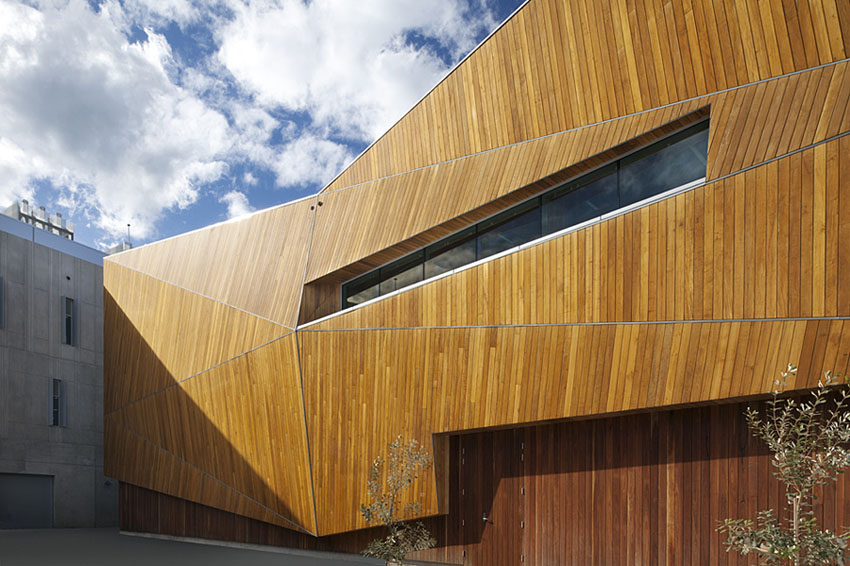
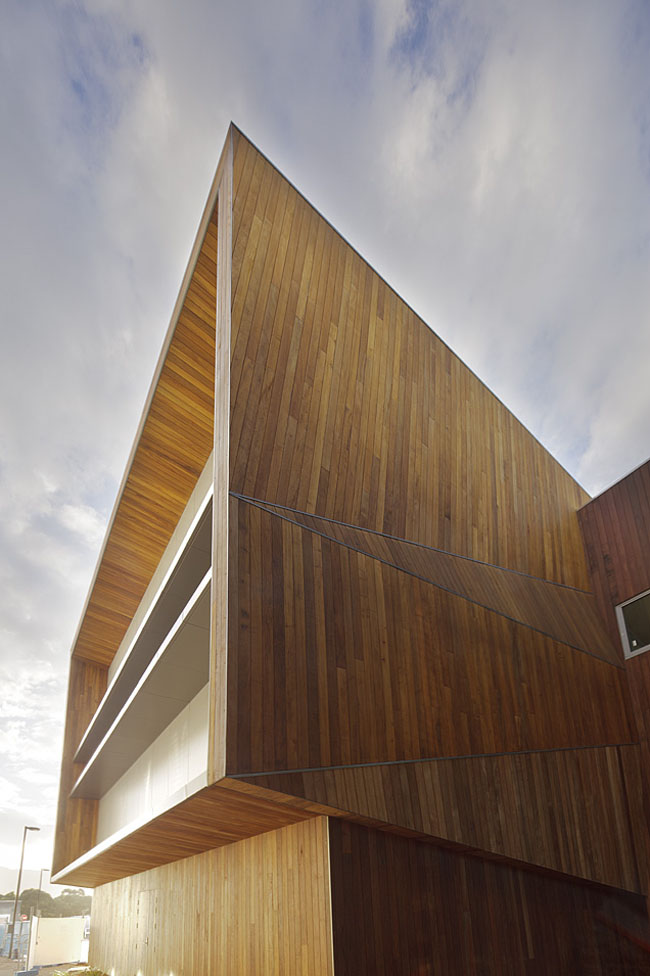
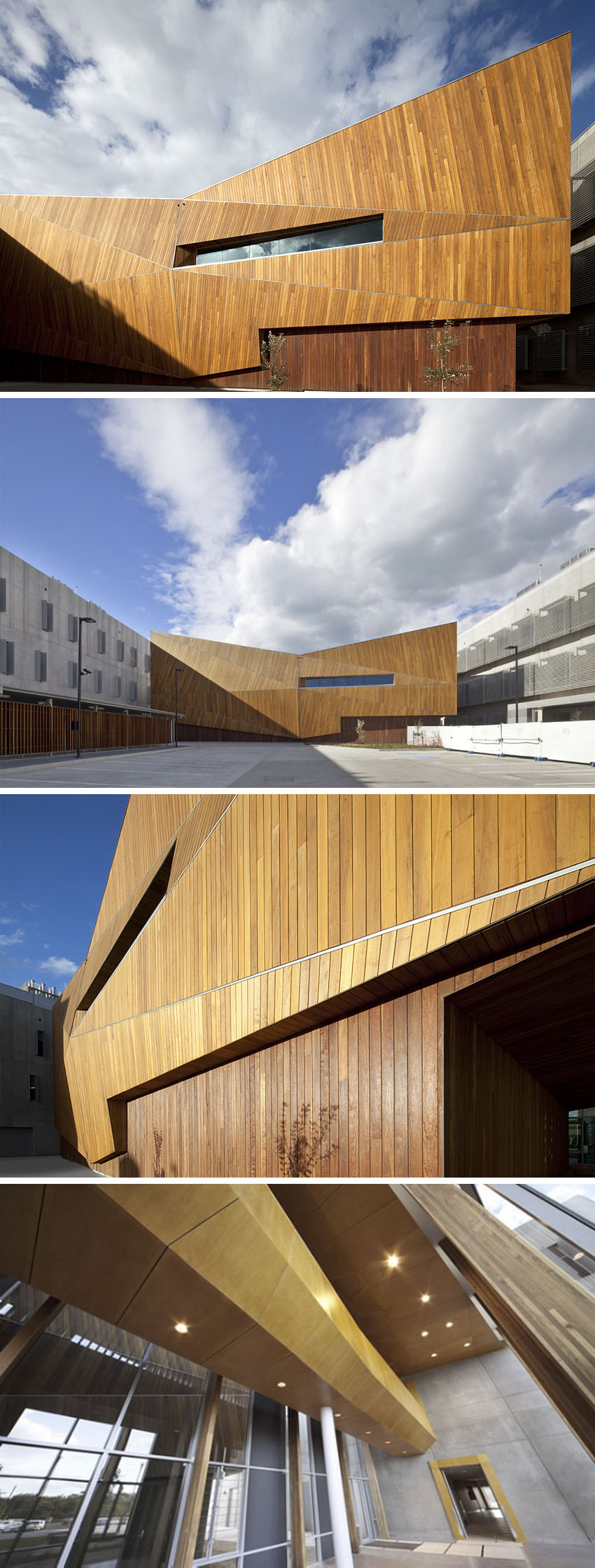
Timber design, Australia, Innovation Campus, SKM-S2F Architects, University WollongongTimber design, Australia, Innovation Campus, SKM-S2F Architects, University WollongongTimber design, Australia, Innovation Campus, SKM-S2F Architects, University WollongongClick to enlarge

The beautiful timber design of the University of Wollongong Australian Institute for Innovative Materials (AIIM) Processing and Devices (P&D) Building (now you understand the need for initials) is the work of SKM-S2F Architects with construction by Baulderstone. Located in North Wollongong, Australia (between Sydney and Canberra), the AIIM building links two state-of-the-art research buildings and houses the University’s Electron Microscopy Center. In addition to being aesthetically pleasing the timber design is also functional in that the electron microscopes that it houses are very sensitive to their operating environment. In order to avoid electromagnetic interference, the structural elements had to be non-ferrous, being the reason that a timber structure was chosen for the design. And what a great design it is!

Pacific Teak wood was used on the top half of the building while Spotted Gum was used on the bottom. The intention is for the building to weather and grey by Summer 2012.

Photos: John Gollings

via woodform architectural

Jim Hake: Sculptural Portraits

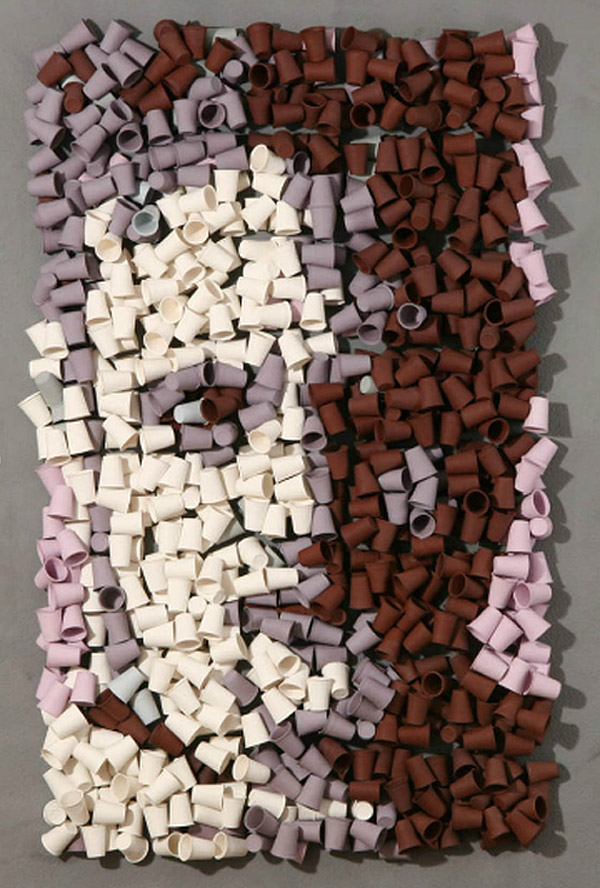
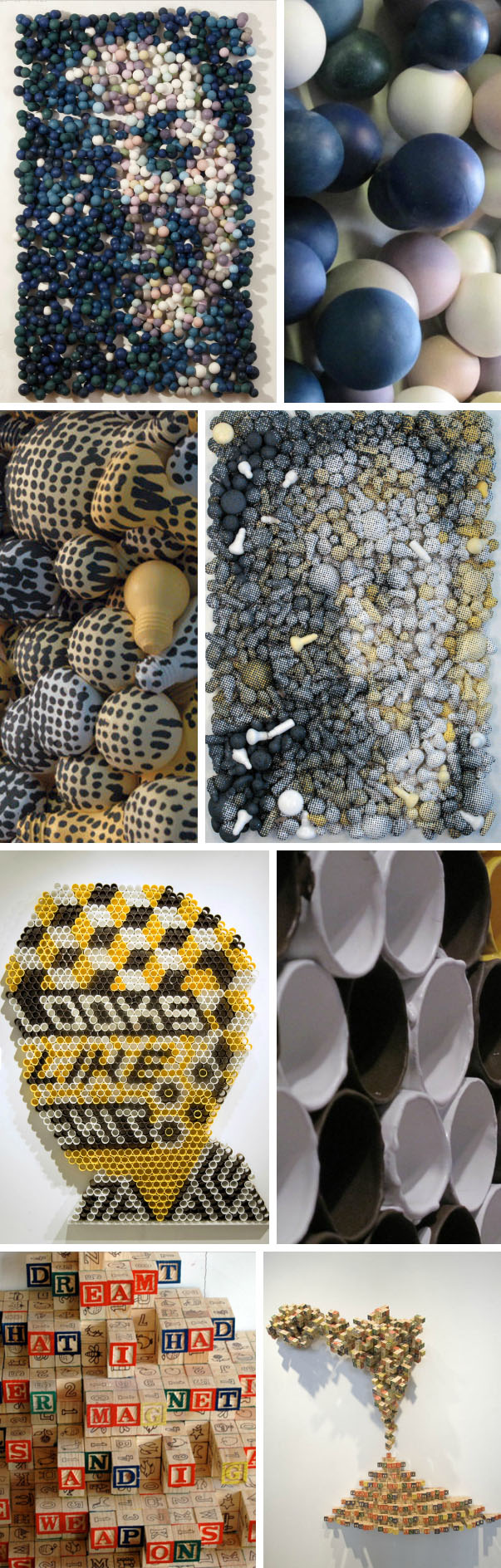
Portrait made of cups, cool art, contemporary sculpturePortrait made of cups, cool art, contemporary sculpturePortrait up of tiny photos, cool art, contemporary sculpture, collabcubedPortrait made of small photos, cool art, contemporary sculpture, collabcubedPortrait made of cups, light bulbs, balls, cool art, contemporary sculptureArtist Jim Hake has bounced around from east coast to west coast in the States, as well as living in Turin where he became an Italian citizen, and more recently is living in Toronto.

Though considered a sculptor, many of Hake’s sculptures hang in the same way two dimensional art typically does. Included here are portraits made up of cups, photos, balls, light bulbs and, not a portrait but, a volcano made of building blocks. Cool stuff.

via Head Bones Gallery

Will Nolan: Everything is Melting

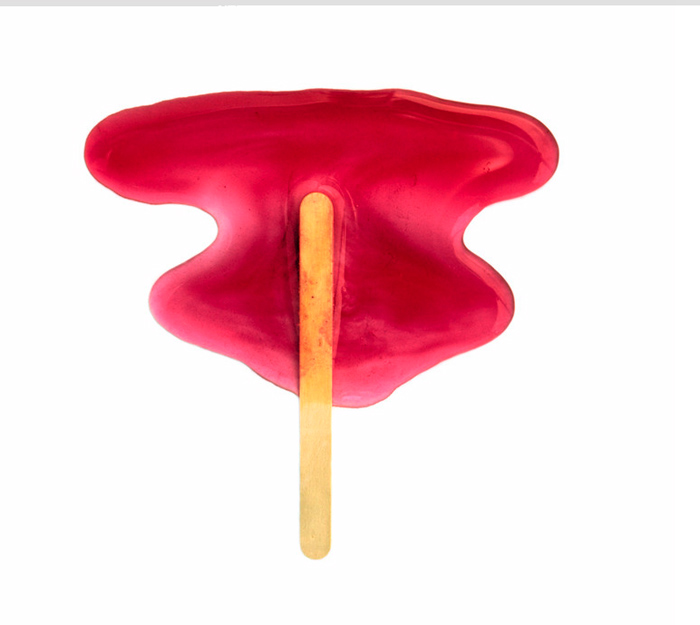
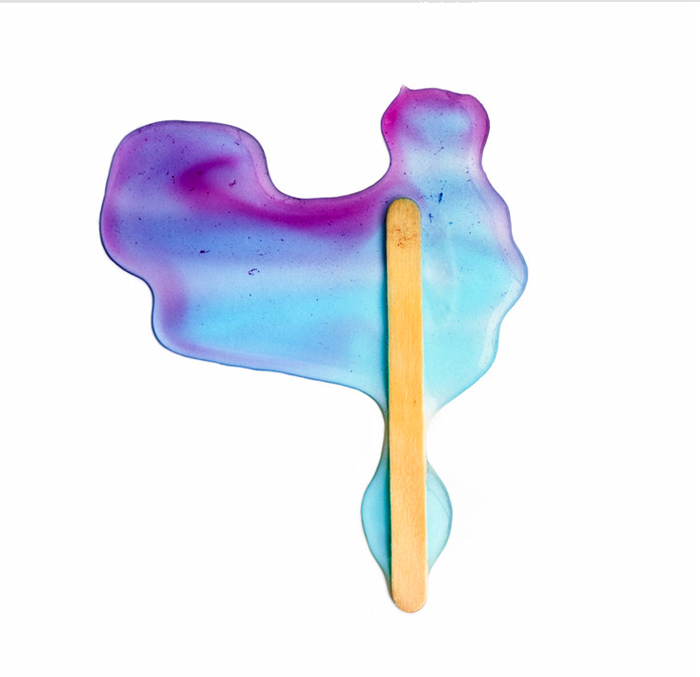
Contemporary photography, popsicles, melting, australian contemporary artContemporary photography, popsicles, melting, australian contemporary artContemporary photography, popsicles, melting, australian contemporary artI find this series of photos, titled Everything is Melting, by Australian artist Will Nolan quite lovely. Nolan likes to explore the impermanent nature of found objects, in this case: melting ice blocks or popsicles.

From the exhibit catalogue:
“Everything is Melting, and its depiction of melting iceblocks, evokes the nostalgic memory of childhood but remains as a quiet reminder of the inescapable future of decay and death. The work explores the essence of transformation, harking back to the various incarnations of the evertold allegory of death and rebirth…

via saatchionline

Google Earth Carpets

carpets, google, google earth, worldwide carpets, David Hanauercarpets, google, google earth, worldwide carpets, David Hanauercarpets, google, google earth, worldwide carpets, David HanauerClick to enlarge

These have been out a few months, but somehow I missed them. German designer David Hanauer came out with WorldWide Carpets; using satellite imagery (from Google Earth), he creates carpets that emulate the patterns of classic Persian carpets with contemporary landscapes from a bird’s eye view. From area rugs to wall-t0-wall flooring where the patterns are endlessly repeated.

I’m not sure I’d want one in my home, but it’s a clever concept and I certainly like the way it works at the Sacramento International Airport (bottom photo).

via SpotCoolStuff

E1000: Tagging the Grates of Madrid

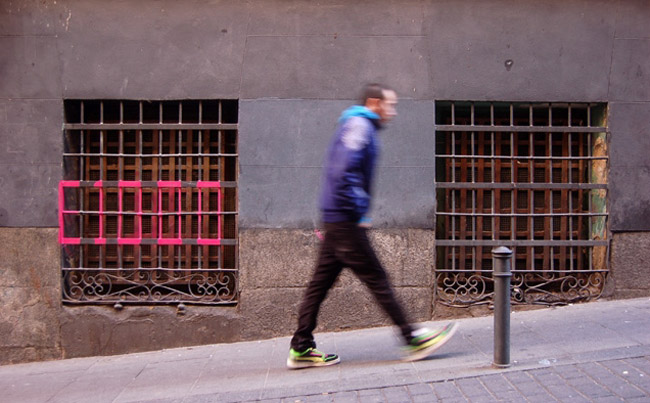
street art in Madrid, e1000, tags on grates, gates, vents, collabcubedstreet art in Madrid, e1000, tags on grates, gates, vents, collabcubedstreet art in Madrid, e1000, tags on grates, gates, vents, collabcubedSpanish street artist E1000, (previously here), has taken to tagging the streets of Madrid in a cryptic manner, taking advantage of the horizontal and vertical lines of gates, grates, shutters, vents, and manhole covers to paint the five characters of his signature. Guillermo de la Madrid has found, photographed and documented a bunch of them on his blog Escrito en la Pared. Above are most of them.

It’s kind of like finding the “Ninas” in a Hirschfeld illustration. Okay, so not exactly…

Cineporto in Lecce: Metamor Architects

Film Center in Lecce, Italy, designed by Metamor Architects, contemporary architectureFilm Center in Lecce, Italy, designed by Metamor Architects, mod architectureFilm Center in Lecce, Italy, designed by Metamor Architetti, mod architectureClick to enlarge

Cineporto in Lecce, Italy is a film center/studio that offers high-definition film screenings, includes production offices and casting studios, and is free to those working on films in the area. Originally an industrial building, Metamor Architects, based in Lecce, were brought in to transform the building and connect the three different areas to meet the requirements of a film facility. Metamor created a main entrance area named Knos to have a welcoming quality and connects to the Cineporto via mod corridors with walls that curve at the floor and ceiling and are beautifully lit. Add to that some fun typography and arrows on the floor, as well as neon signs on the walls, and the industrial melds seamlessly with the contemporary. Nice.

Photos courtesy the architects and g_g75’s flickr.

via europaconcorsi

Mr. Dictator Head Series: Stephen Ives

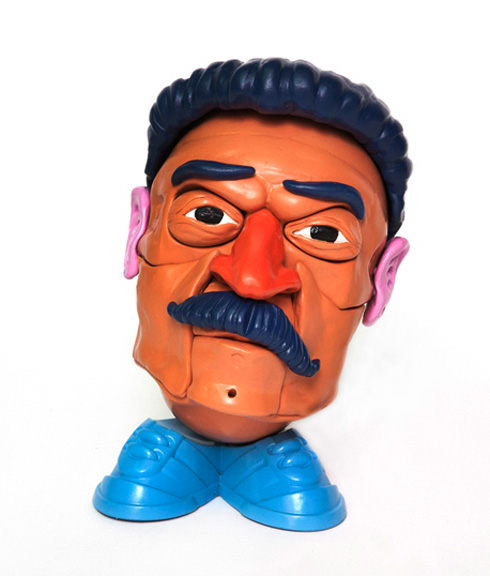
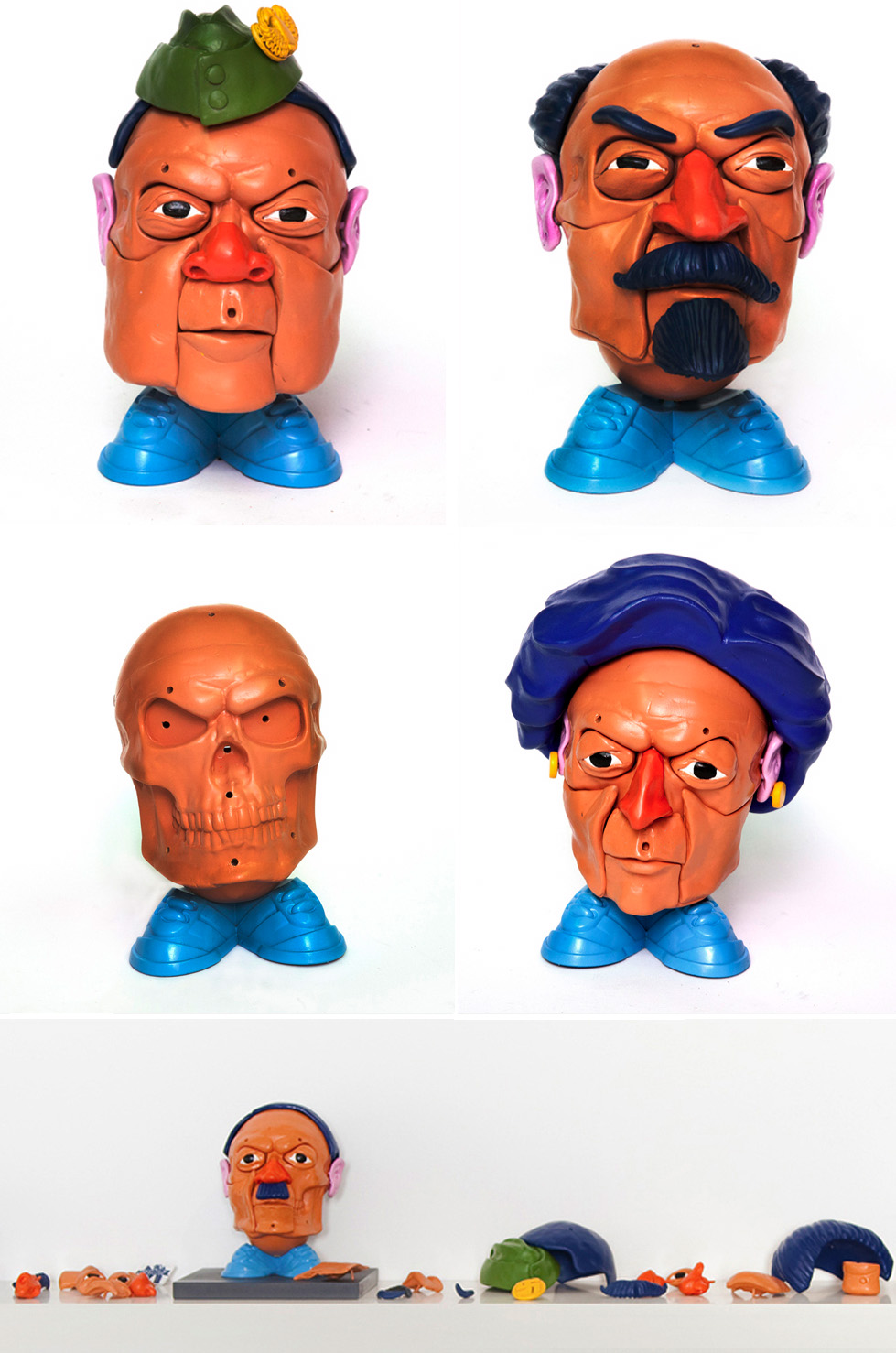
Saddam Hussain, Mr. Potato Head, Dictators, Sculpture, Australian Contmporary ArtStalin, Mr. Potato Head, Dictators, Sculpture, Australian Contmporary ArtKim Jong, Mr. Potato Head, Dictators, Sculpture, Australian Contemporary ArtAmin, Lenin, Hitler, Mr. Potato Head, Dictators, Sculpture, Australian Contemporary ArtThis post was created, coincidentally, before learning of Kim Jong Il’s death, earlier today. It seems particularly fitting, then, (if maybe a bit distasteful) to post it now.

Stephen Ives is an English-born, Australian artist who works in 2D as well as 3D. His work is about contrast and balance and the juxtaposition of the two. His ideas derive from a mix of experiential, mental, historical and cultural concepts constructed from toys, scrap, junk and bought materials which are collected, cut, morphed and distorted to create a whole. His Mr. Dictator Head Series needs no explanation unless, of course, one is not familiar with the Mr. Potato Head toy.

From top to bottom, left to right:
Saddam Hussein; Stalin; Kim Jong Il; Idi Amin; Lenin; the skull base; Margaret Thatcher; Adolf Hitler.

via Saatchi

Sebastian Martorana: Marble Sculpture

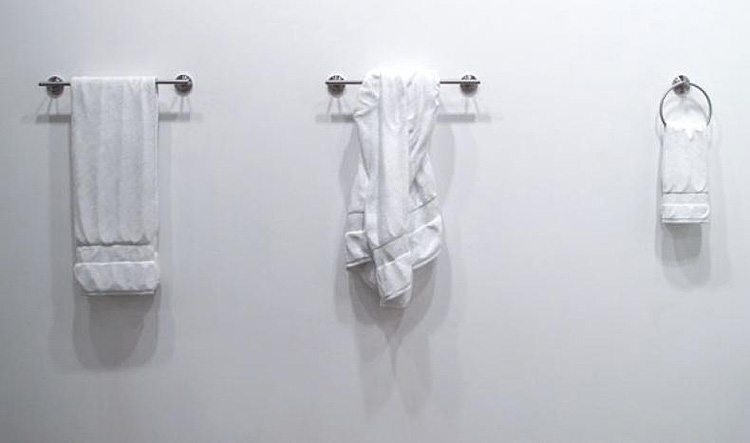
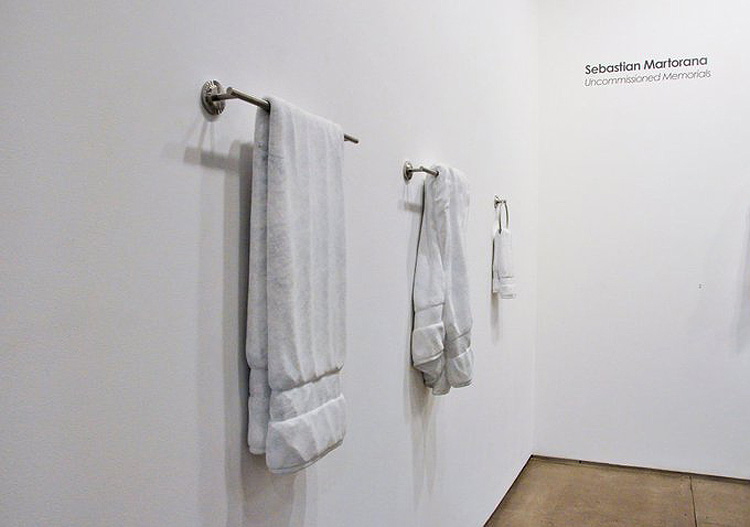
contemporary marble sculpture, towels, NYU Steinhardt. 80WSEcontemporary marble sculpture, towels, NYU Steinhardt. 80WSEcontemporary marble sculpture, Martorana, Baltimore artist, LEGO, pillow, shirtClick to enlarge

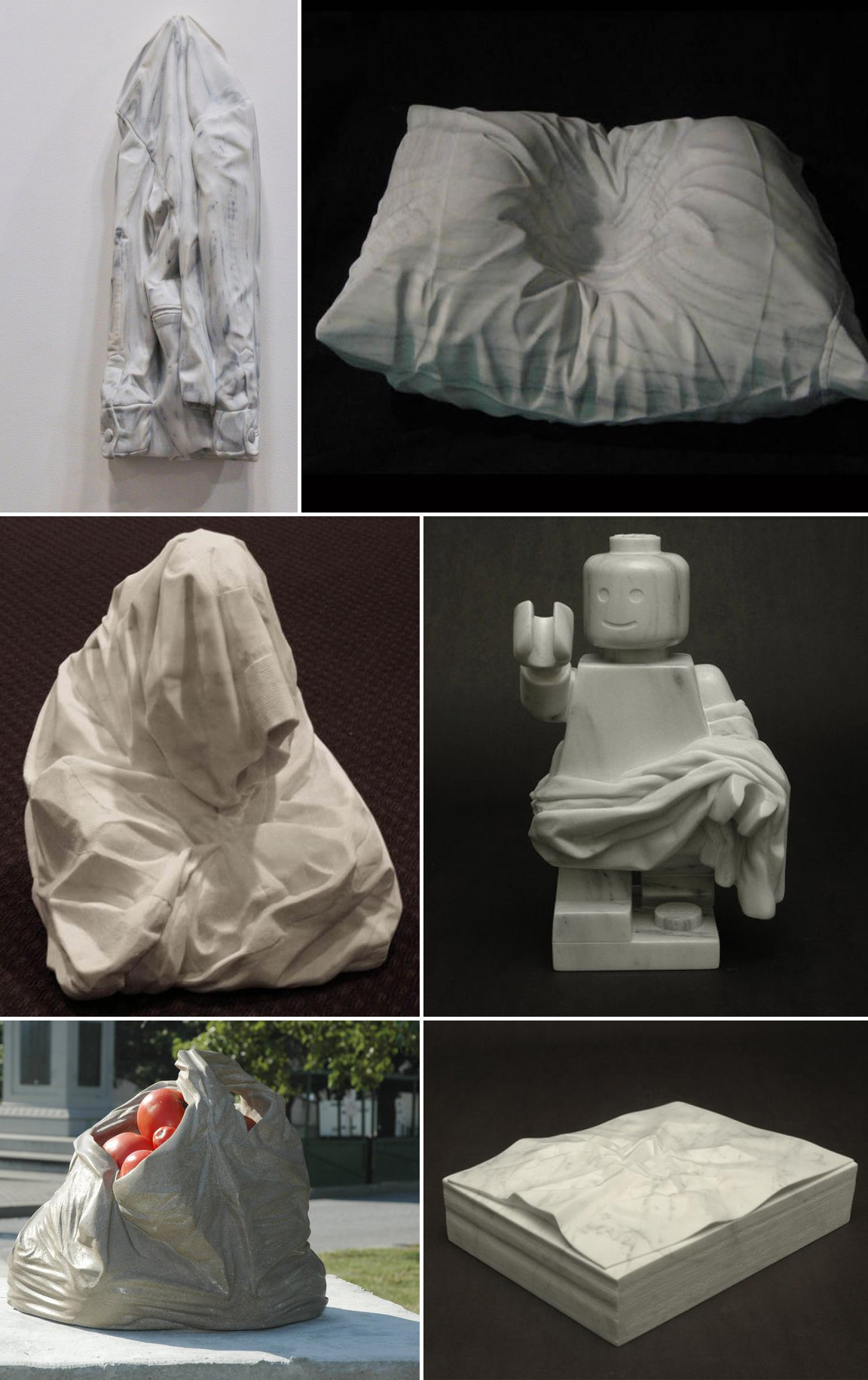
If you follow this blog you may be thinking “MORE realistic stone sculpture??” And the answer is “Yes.” What can I say, I get a kick out of it and am impressed by the skill. I was walking by Washington Square Park today and happened to spot these marble towels through the window of 80WSE a New York University gallery. They made me smile. The draping is so well done and having placed them on towel racks made them all the more trompe l’oeil-ish. I went in, got the artist’s name and googled him out.

Sebastian Martorana is a stone carver and illustrator based in Baltimore, Maryland. His work was recently featured in the 40 Under 40 40th Anniversary exhibit of Renwick Gallery of the Smithsonian.

From top to bottom, left to right:
Yours, Mine, Ours; Shed; Impressions; Homeland Security Blanket; (couldn’t find name of Lego figure or bag); Frustration 81/2 x 11. Photos courtesy the artist and Contemporary Wing.

Sebastian Martorana’s work is part of a group show currently at 80WSE through December 22, 2011.

If you like these sculptures you might also enjoy Chris Mitton and Vlad Berte.

We Are Augustines

music, brooklyn band, rock, pop, chapel song, we are augustines

It’s been a while since we’ve posted about music, but I just heard this song (I may be late to the party on this) on the radio and really liked it. We Are Augustines are a Brooklyn-based band with their debut album titled Rise Ye Sunken Ships. I like everything about what I’ve heard and seen so far: both the music and the videos which show NYC in all its grungy beauty. The song above is Chapel Song and the video is by Matthew C. Mills.

via Soundcheck

Sang Sik Hong: Straw Sculptures

Amazing sculptures made of drinking straws, Korean art, contemporary art, lips, scope miamiAmazing sculptures made of drinking straws, Korean art, contemporary art, face, scope miamiAmazing sculptures made of straws, Korean art, contemporary art, scope miami

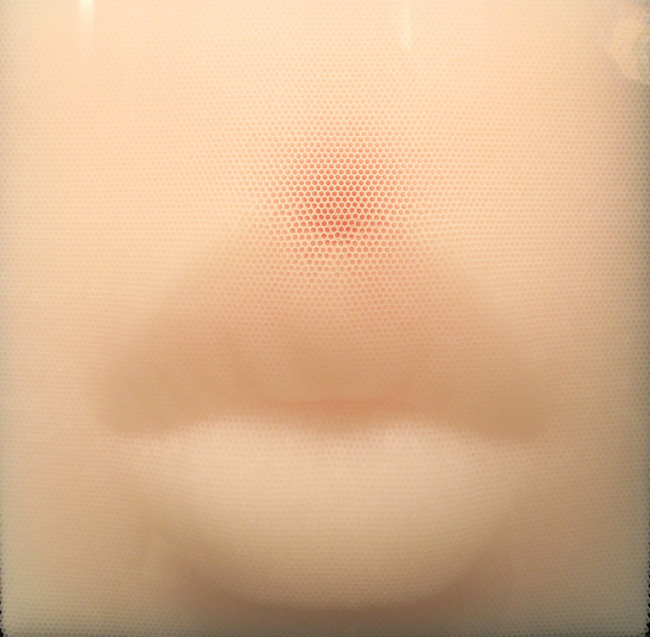
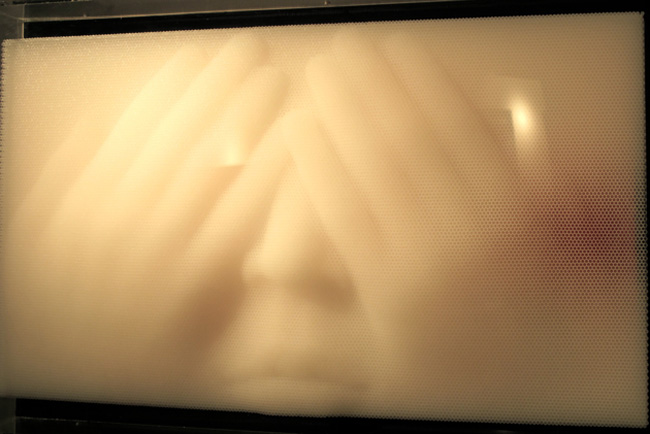
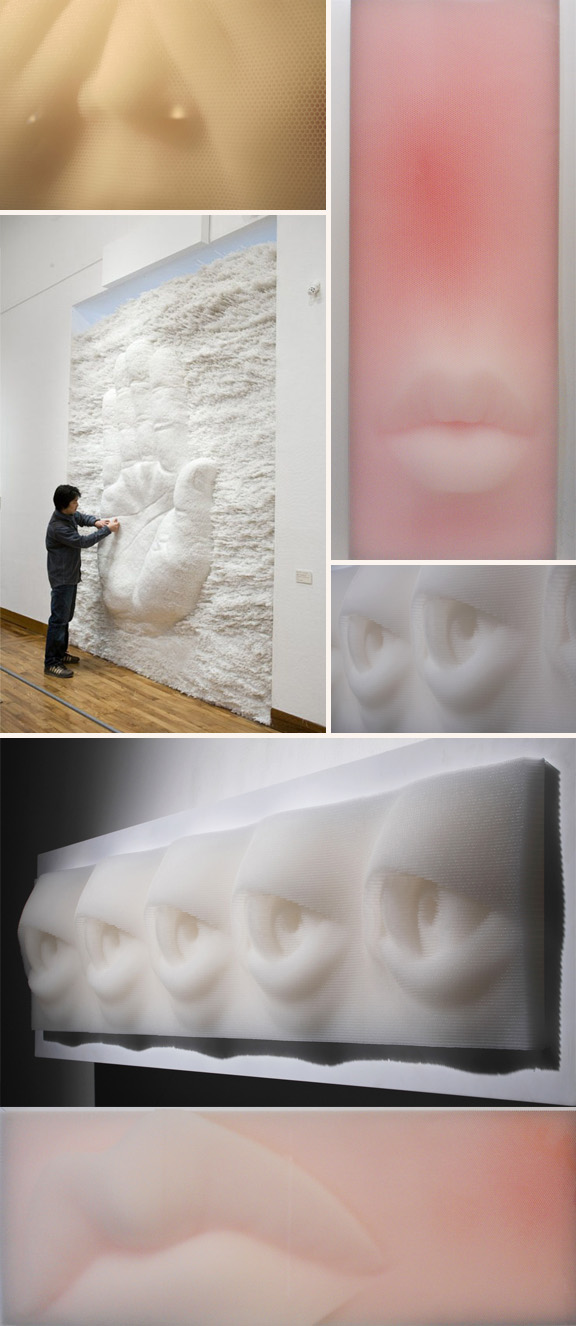
Korean artist Sang Sik Hong works magic with drinking straws. His large-scale sculptures, made up of thousands of straws, focus on human desires, namely: power and sex. He likes the irony in using straws, a weak structure and disposable item by itself, to create the contrasting strength of power and desire.

Photos courtesy Patrajdas Gallery; Amaretto Girl; and ArtChicago’s flickr.

via Zanthi

Antonio Cos: Déjà Vu Glassware

Glassware, contemporary combined with traditional, Italian, Antonio Cos, collabcubedGlassware, contemporary combined with traditional, Italian, Antonio Cos, collabcubedGlassware, contemporary combined with traditional, Italian, Antonio Cos, collabcubedGlassware, contemporary combined with traditional, Italian, Antonio Cos, collabcubedClick to enlarge

Originally from Strasbourg, designer Antonio Cos lives and works in Milan. As an industrial designer he has designed everything from door handles, to kitchenware, to lamps and furniture. In his glassware collection titled Déjà Vu he experiments with traditional glass techniques and shapes, giving it that already-seen-it-before quality but adding a contemporary twist by piecing those familiar components together in an unconventional way, giving them new life and creating imaginative shapes that are beautiful, modern, and fun.

Photos: Antonio Cos, At Casa and Interni

via rua confettora 17

Claire Fontaine: Matchstick Art

matchstick art, burned, Consumption commentary, French contemporary art, collabcubedmatchstick art, burned, Consumption commentary, French contemporary art, collabcubedmatchstick art, burned, Consumption commentary, French contemporary art, collabcubedClaire Fontaine is a Paris-based collective artist who lifted her name from a popular school notebook brand. Her work often looks like other people’s work and she defines it as ‘readymade art’. Working in several mediums including neon, video, sculpture and painting as well as text, Fontaine’s works comment on the “political impotence and the crisis of singularity that seem to define contemporary art today.”

In the two recent works above, Fontaine used matchsticks both new and burnt on the word Consumption and on the Map of France: Burnt or Unburnt.

Images courtesy Helena Papadopoulos Gallery and Air de Paris.

via arte al dia

Emily Eveleth: Donut Paintings

contemporary oil paintings of donuts, sensual, jelly donuts, doughnuts, Eveleth, collabcubed contemporary oil paintings of donuts, sensual, jelly donuts, doughnuts, Eveleth, collabcubed contemporary oil paintings of donuts, sensual, jelly donuts, doughnuts, Eveleth, collabcubed A few years back, a friend of mine printed out one of Emily Eveleth’s beautiful oil paintings of a jelly donut and had it hanging by her desk. That was the first time I saw any of Eveleth’s paintings. She has been painting jelly donuts for two decades and the results, I think, are quite spectacular.

In an interview in the Boston Globe by Sebastian Smee, Eveleth responds to the question: “Why donuts?”

“What I immediately found compelling . . . was the appeal of the irony in presenting, in a seriously and formally painted manner and on a monumental scale, an object that was at once so ubiquitous, so ordinary, so everyday. The object of my paintings, is not necessarily the subject. But I do like that it keeps coming back to the object. I’m not trying to negate that.’’

Clearly, the donuts are left open to interpretation: some may see just donuts; others landscapes with boulders; and still others, erotic close-ups of bodily orifices. Regardless, Eveleth’s technique and mastery of oil painting, as well as the luminescence she creates, are there no matter how the viewer interprets them. I imagine that if John Singer Sargent had painted donuts, they might have looked a lot like these.

You can see more of Emily Eveleth’s painting and drawings at her website.