Max Streicher: Inflatable Sculptures

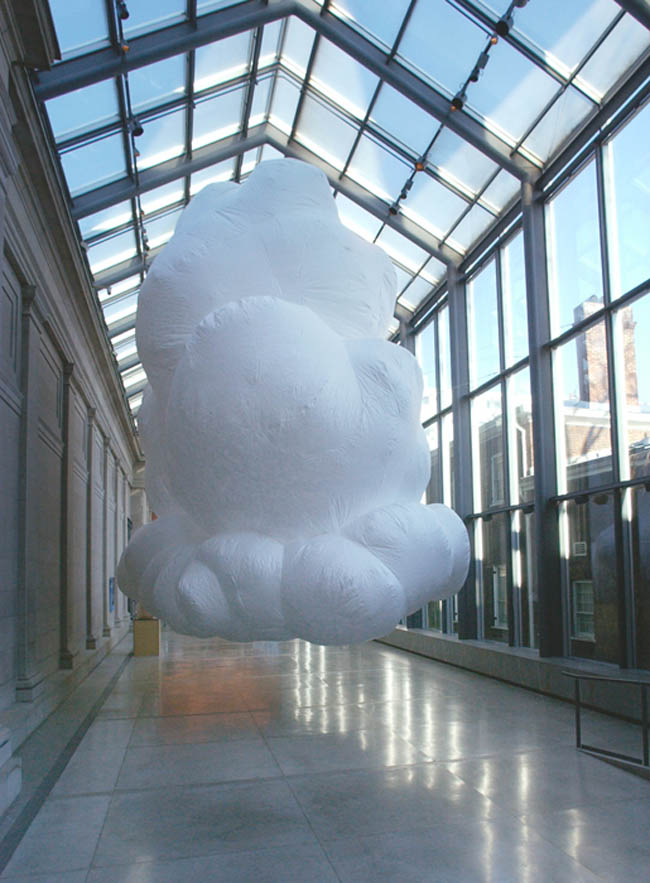
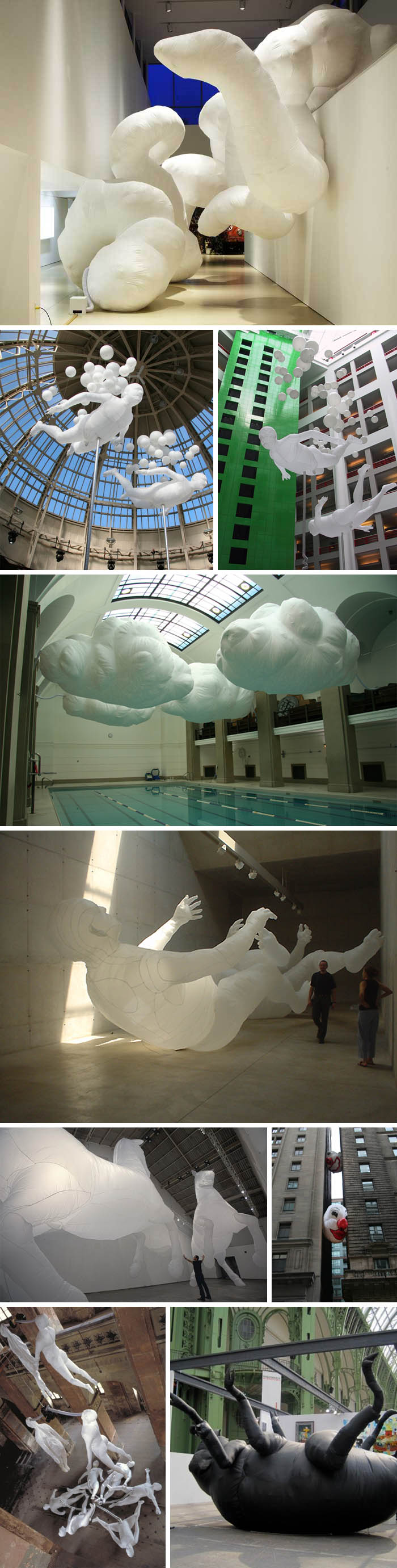
Inflatable sculptures of clouds, oversized horses, bodies, clowns and more by Max Streicher, collabcubedInflatable sculptures of clouds, oversized horses, bodies, clowns and more by Max Streicher, collabcubedInflatable sculptures of clouds, oversized horses, bodies, clowns and more by Max Streicher, collabcubedClick to enlarge

Max Streicher is a sculptor and installation artist from Alberta, now residing in Toronto, who has worked extensively with inflatable technology in kinetic sculptures. His inflatable sculptures include clouds, oversized horses, bodies, a beetle, and forest, as well as abstract forms and — in my opinion a little creepy — giant clown heads squeezed between two buildings in Toronto. That one (second row from bottom) might give people nightmares…

via galeria raquel ponce

Frederick McSwain: Cells

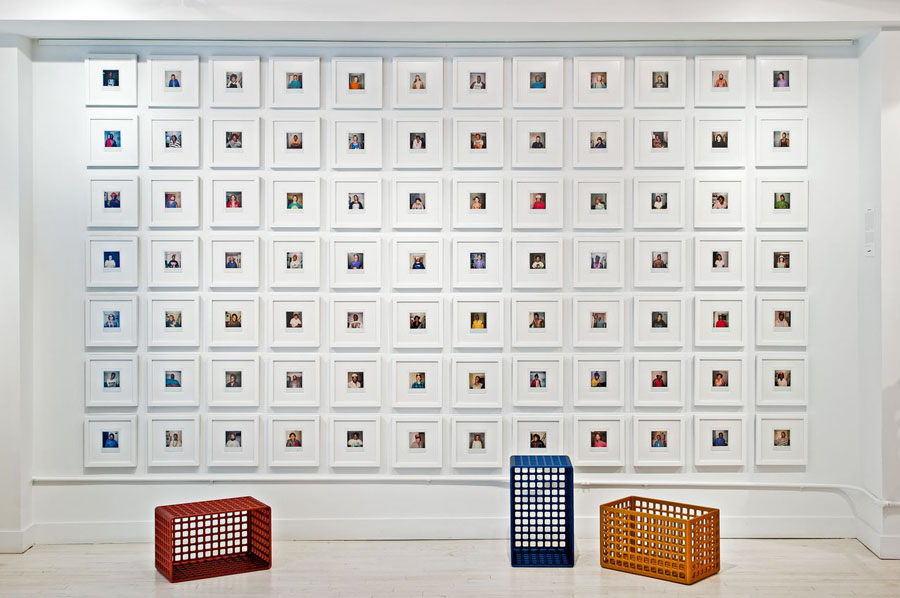
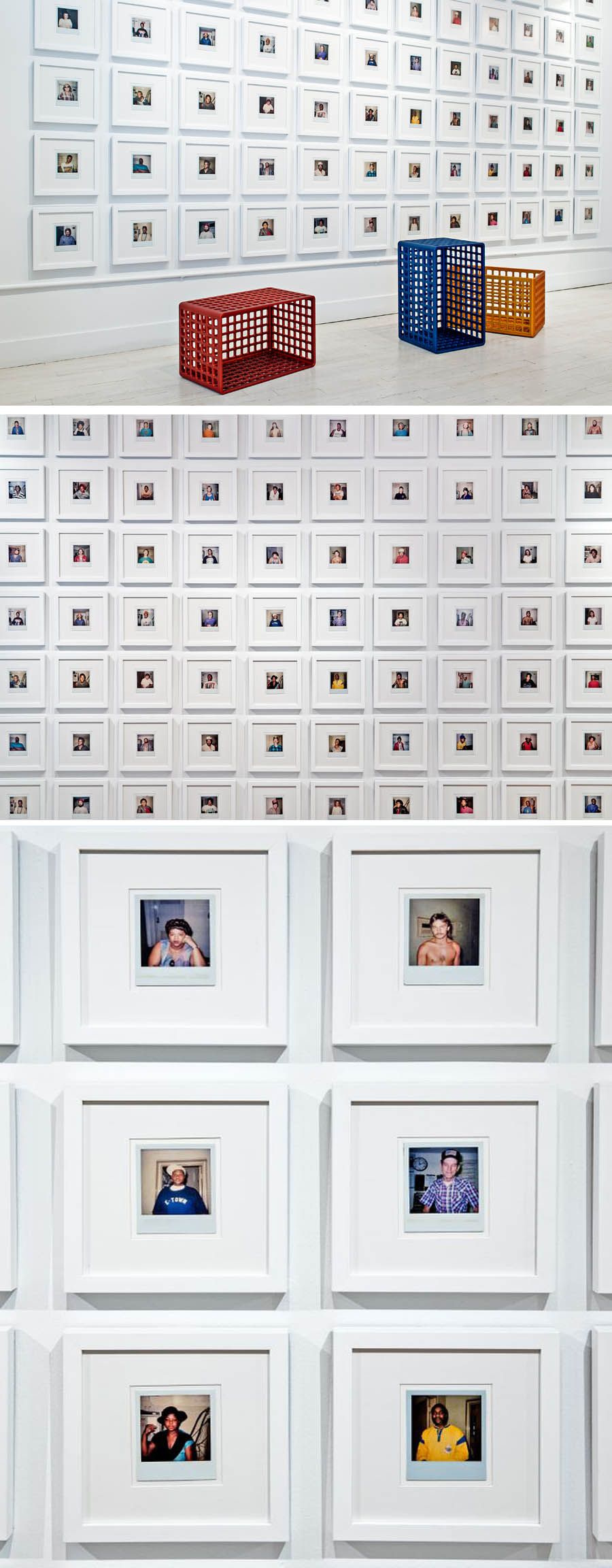
Cells by Frederick McSwain, part of Love it or Leave It exhibit, NY Design Week, Gallery R'Pure,Cells by Frederick McSwain, part of Love it or Leave It exhibit, NY Design Week, Gallery R'Pure,Installation with photos of prisoners in their cells, Cells by Frederick McSwain, NY Design Week 2012 Click to enlarge

New York based artist/designer Frederick McSwain created his installation Cells — which was included in the exhibition Love it or Leave it at Gallery R’ Pure for NY Design Week 2012 — based on a memory from his childhood of a visit to his mother’s job as a bail bondsman in a county jail. The story is key to the installation as well as to the title of the piece and its many meanings:

One day after school, I was taken to the county jail. Escorted in, faded institutional colors and grimy furnishings painted the picture of another time. I sat down on a plastic dairy crate while fishing through my pockets for loose change. Shit out of luck, the fiery glow of a nearby vending machine taunted me as a feeling of anxiety began to creep in. Waiting impatiently, monotone hums from the fluorescent lighting composed a minimalist soundtrack, rapid heartbeats kept the time. My mother, barely visible through the glass window of a partitioned wall, was busy signing documents in the booking room next door. After what seemed like hours, she finally concluded her business and signaled over with the universal hand gesture for “Let’s go”. As we took our twenty paces to the car parked outside, she handed me a freshly snapped Polaroid. Still unclear, the image developed over the course of our drive home (a matter of minutes). Without revealing too much at once, the shadows slowly burned in, then the colors and highlights emerged, until eventually, a vivid portrait of a shirtless man came to life. It’s been with me ever since.
While the word “Cells” commonly refers to the smallest unit of living matter, it’s also synonymous with subjects ranging from statistical spreadsheets to terrorist organizations. In language, as in life, environmental factors play a vital role in shaping one’s self-identity and perception of the world. From the moment of birth, each of us is exposed to a continuous stream of information. Collectively, these people, places, and things guide not only our emotions but also our practical decision-making. Meticulously organized, the human brain has the incredible ability to decipher and store these real-world snapshots for retrieval at a later time. At the end of the day, we’re all simply the sum of our parts.

You may be familiar with McSwain’s tribute, last year, to the memory of his friend designer Tobias Wong made with over 13,000 dice, but if you’re not, you should definitely check it out here on Colossal.

Photos: Miller Taylor

Thanks Frederick!

Reasons to be Creative: June 14-15 NYC

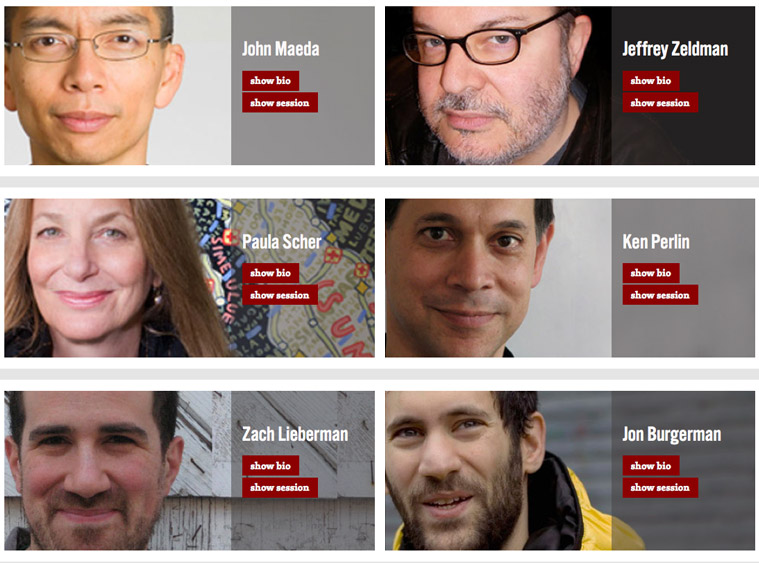
design conference in NYC 2012 with speakers including Paula Scher, John Maeda, James Victore, Jer Thorpdesign conference in NYC 2012 with speakers including Paula Scher, John Maeda, James Victore, Jer Thorp, previously Geeky by NatureIf you’re in NYC and interested in design and technology this might be for you. Dan and I went to this conference last year, which was previously called Geeky by Nature (see here and here) and now renamed Reasons to be Creative. It was great. Two full days of amazing speakers, all doing incredible work and very passionate about it. There were even interesting things going on in the lobby during breaks, like a MakerBot demonstration from one of its creators.

From their website:
Reasons to be Creative is a festival for creative artists, designers and coders. The festival brings together some of the most respected and brilliant minds from the worlds of art, code, design and education to share their passion, knowledge, insights and work. Expect two days packed with talks, networking, inspiration and learning.

Speakers this year include John Maeda, Paula Scher, James Victore, Jer Thorp and many, many more. I wish I had posted this earlier when tickets were less expensive, but it’s still quite reasonable for this kind of conference, plus Student Tickets are just $99 for two days of events! Maybe I’ll see you there…

See the Reasons to be Creative website for details.

Sebastian Mariscal: MCASD Installation

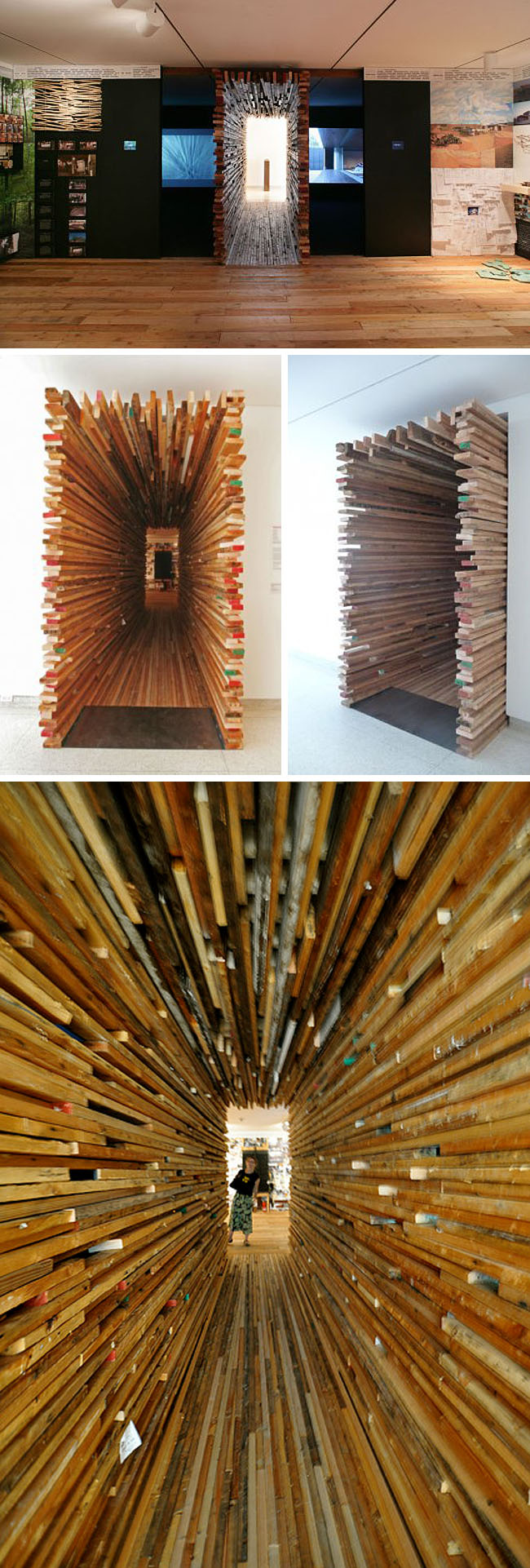
MIX exhibit installation for Museum of Contemporary Art San Diego, Sebastian Mariscal architect, cool wood entrance installationMIX exhibit installation for Museum of Contemporary Art San Diego, Sebastian Mariscal architect, cool wood entrance installationMIX exhibit installation for Museum of Contemporary Art San Diego, Sebastian Mariscal architect, cool wood entrance installationClick to enlarge

Mexican-born architect Sebastian Mariscal, now based in La Jolla and Boston, has a string of AIA awards under his belt along with projects that range from homes to restaurants to hotels and even a winery. He also created this tunnel from plywood that served as the entry to the exhibition Mix: Nine San Diego Architects and Designers at the Museum of Contemporary Art San Diego La Jolla. I love the texture, the varied wood tones, and the red and green flecks throughout on the tips. Nice installation!

Photos: Sebastian Mariscal, A/N, and Chimay Bleue’s flickr

via Arquine

Eltono: This Way in Warsaw

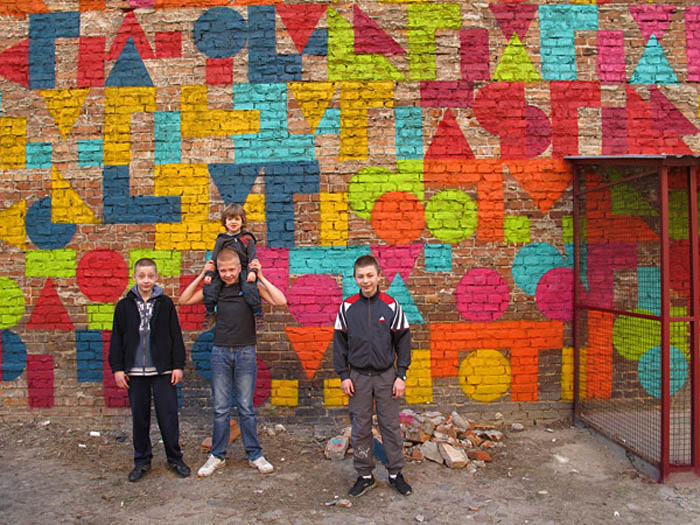
Social street art project in warsaw with French/Spanish artist Eltono, Otone, Vlepvnet, GPAScommunity street art project in warsaw with French/Spanish artist Eltono, Otone, Vlepvnet, GPASSocial street art project in warsaw with French/Spanish artist Eltono, Otone, Vlepvnet, GPASClick to enlarge

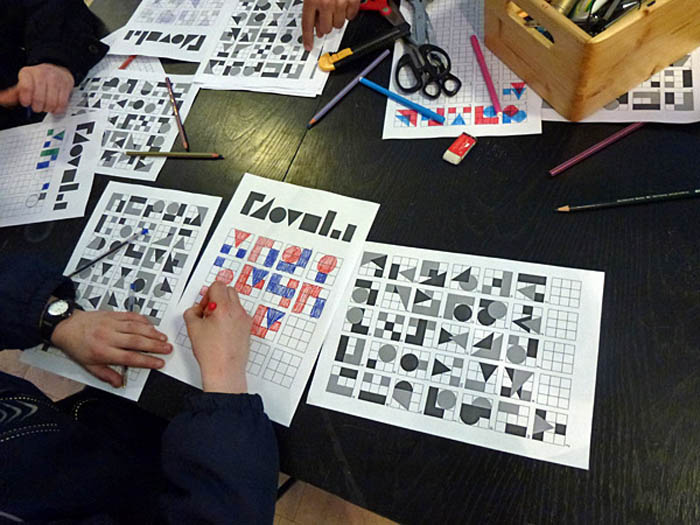
I love these kinds of projects. Originally French but living in Spain, street artist Eltono (‘the tone’) collaborated on a mural, last month, with kids from Mala Street in Warsaw as part of the project “This Way” implemented by the Vlepvnet Foundation and the GPAS. The kids involved in the project are ones who, because of their social environment, don’t have easy lives and spend much of their time on the street. With their help, a geometric abstract alphabet was created and words using those letters and selected by the kids were painted on a wall on Mala Street. From defining the letters to cutting stencils and spray-painting the words, the kids worked with Eltono every step of the way, taking pride in their art.

I wasn’t able to translate the wall but for those who want to give it a shot here is the alphabet and a Polish to English translator.
(Using the virtual keyboard and pressing the “Alt+Ctrl” key you will be able to use the Polish special characters.) If anyone figures it out, please share with the rest of us!

If you like this project, you might also enjoy Boa Mistura’s work.

via escrito en la pared

Trashman: Pprofessors

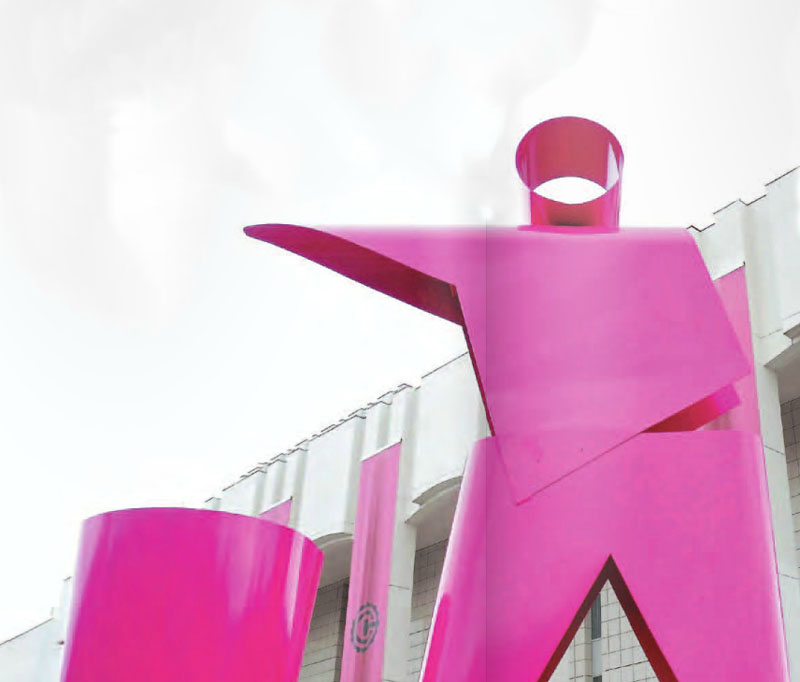
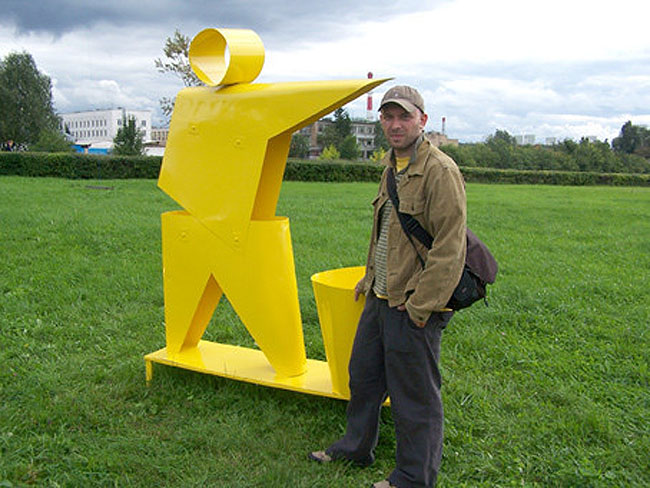
Trashman, Environmental art project, Urban art in Russia, Lublin Andrew and Mary Zaborovskaya, St. PetersburgTrashman, Environmental art project, Urban art in Russia, Lublin Andrew and Mary Zaborovskaya, St. PetersburgTrashman, Environmental art project, Urban art in Russia, Lublin Andrew and Mary Zaborovskaya, St. PetersburgClick to enlarge

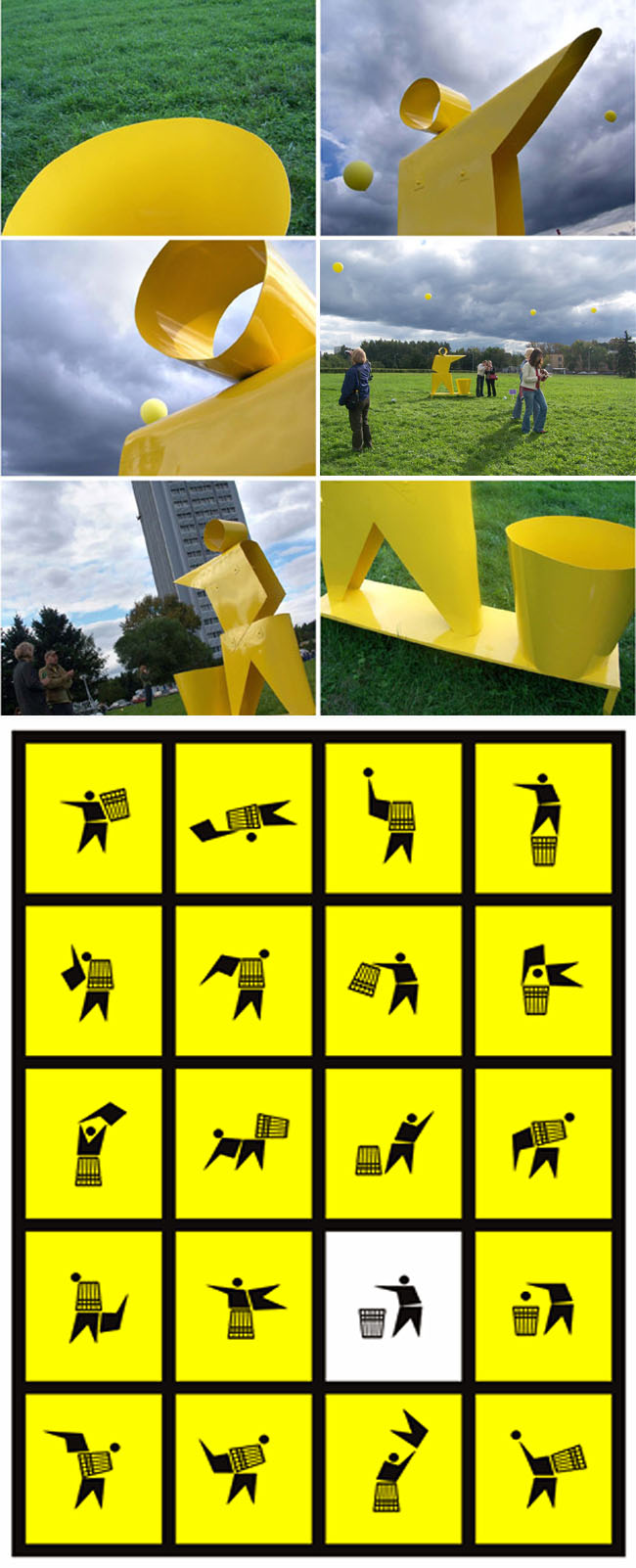
St. Petersburg art collective Pprofessors (previously Red Men here), consisting of Lubin Andrew and Mary Zaborovakaya, created the Public Art Project Trashman to raise urban environmental awareness and, evidently, discourage littering. I wasn’t able to find more information in English or translatable Russian, but it seems pretty self-explanatory. I just like these colorful guys and think they’d put a smile on anyone’s face that came upon them — as well as give them the urge to toss garbage into the can.

via permm

Cabañas Elqui: Rodrigo Duque Motta

Hotel Elqui Domos new rooms by Rodrigo Duque Motta, Contemporary Chilean Architecture, skylights, Hotel Elqui Domos new rooms by Rodrigo Duque Motta, Contemporary Chilean Architecture, skylights, Hotel Elqui Domos new rooms by Rodrigo Duque Motta, Contemporary Chilean Architecture, skylights, Cabañas Elqui, Elqui Domos, Rodrigo Duque Motta, Observatory-style hotel cabins in Chile, collabcubedClick to enlarge

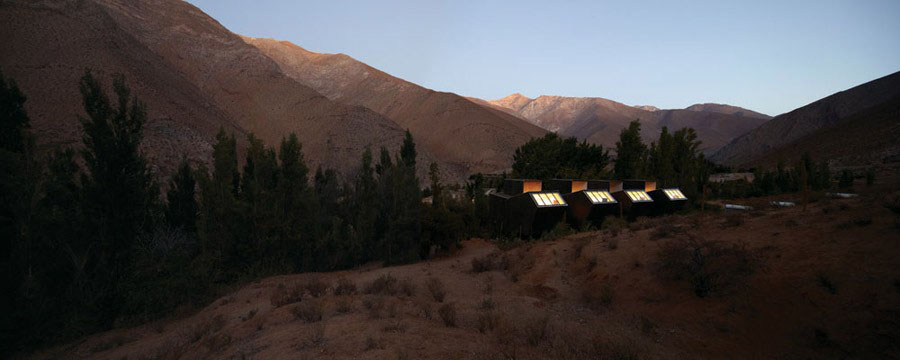
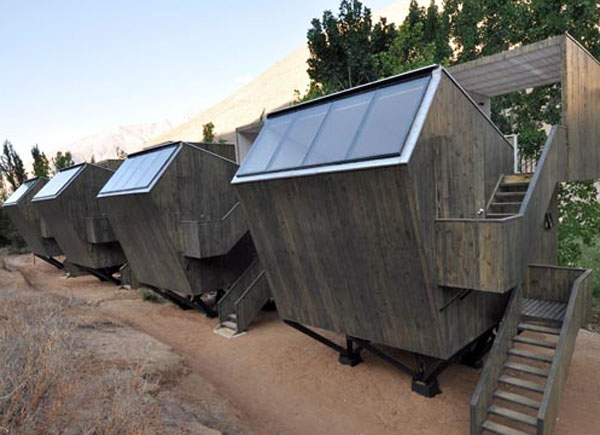
Chilean hotel Elqui Domos, known for their cool geodesic dome rooms, have just opened a series of cabins designed by architect Rodrigo Duque Motta. These ‘observatories’ as they are referred to, follow their characteristic two-storey style, with the bed on the top floor looking up and out to the sky. Each cabin has its own shaded roof deck integrated into the wooden exterior. Nice!

Photos: Cristobal Palma and Hotel Elqui Domos.

via noticias arquitectura

Mary Miss: FLOW & Broadway: 1000 Steps

IMA, Mary Miss, Environmental art exhibit, art installation, Nature, sustainability, interactive artIMA, Mary Miss, Environmental art exhibit, art installation, Nature, sustainability, interactive artIMA, Mary Miss, Environmental art exhibit, art installation, Nature, sustainability, interactive artClick to enlarge

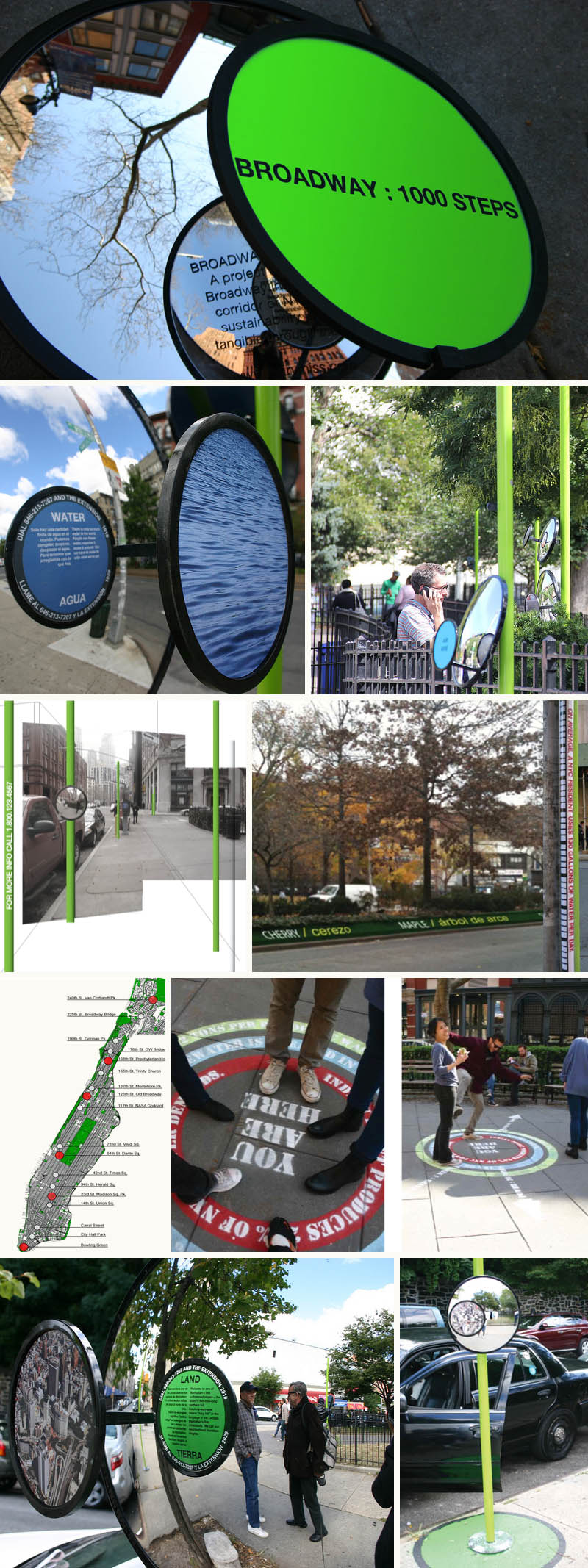
In my search for something else, I happened upon Mary Miss’s exhibit at the Indianapolis Museum of Art (IMA) last fall, FLOW: Can You See the River? Mary Miss is a New York based artist who has been combining sculpture, landscape architecture, and installation art with the issues of our time, since the 1970s. Making environmental and social sustainability into tangible experiences is a primary goal. In FLOW, Miss reveals important elements of the White River water system through a series of mirror and red dot installations at stopping points along the river, engaging and educating visitors.

Upon visiting Miss’s website I learned of a similar interesting project coming to NYC in 2013 — Broadway: 1000 Steps.

Interactive environment and social sustainability exhibit on the streets of NYC, 2013, Mary Miss, installation artUsing a similar mirror system to the one used in FLOW, Broadway: 1000 Steps is an initiative to establish Broadway as the new “green corridor” of NYC. Twenty hubs along the length of Broadway will make planned sustainability initiatives tangible to passers-by. A test Hub last September at 137th Street attracted the attention of several universities who are now participating in conducting research that will be included in the future hubs’ contents.:

Undergraduate and graduate students from these schools are conducting research that will inform hub content, mapping each of the hubs, collecting photos and relevant images, and proposing their own solutions to the MM/CaLL challenge. Research, data and visual materials collected by the students can be found at http://www.mmcallpartnership.org/. Student efforts will be completed by spring of 2012, and content development, design, and testing will be advanced during the summer and fall 2012. The goal of installing a majority of the hubs has been set to take place in spring/summer 2013, and it is expected that hubs will be in place for approximately one year.

Additional information on the Broadway: 1000 Steps can be found here.

Photos courtesy of the artist, IMA, and City as Living Laboratory

Museum: Cortlandt Alley

Humorous collections of found objects and garbage from around the world in an old freight elevator in Tribeca, MmuseummHumorous collections of found objects and garbage from around the world in an old freight elevator in Tribeca, MmuseummHumorous collections of found objects and garbage from around the world in an old freight elevator in Tribeca, MmuseummClick to enlarge

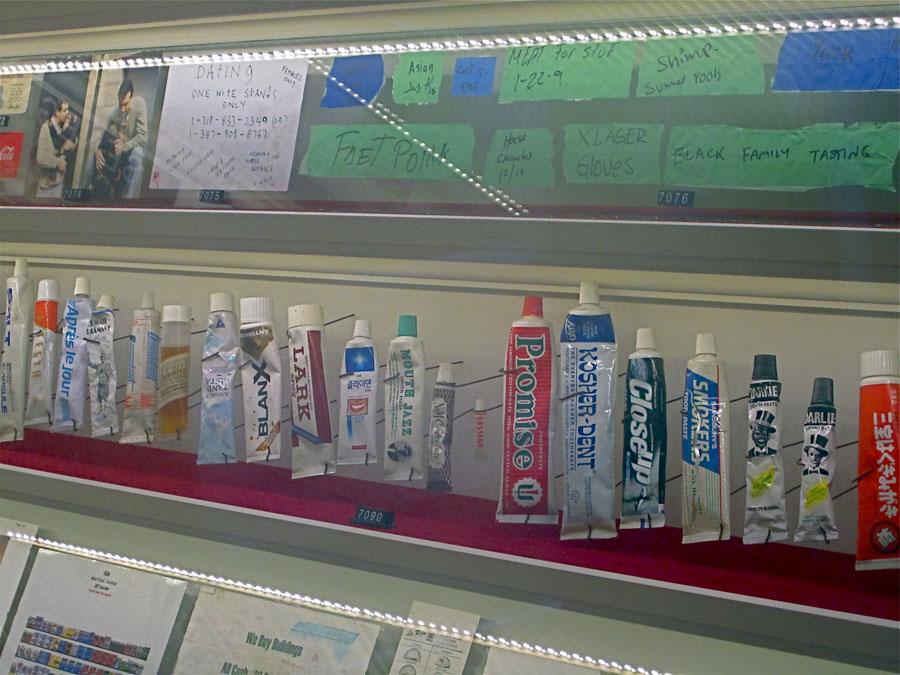
This is the kind of quirky thing that makes NYC so great. Located in what was once a freight elevator in an alley behind a former paper warehouse, in the area between Tribeca and Chinatown, sits the Museum. This tiny space is filled with velvet lined shelves housing artifacts, objects, and, well, garbage from around the world. These pieces from assorted collections undergo a rigorous vetting process by the permanent curatorial staff who select only the most awe-inspiring objects.

Daniela and I went down for a quick visit today. Based on the 24/7 hours posted on the Museum’s website, we were not concerned about the time. These hours, we soon found out, are possible due to the three, different-level windows in the bolted shut door. Apparently, entrance can be gained by appointment only via email. I have to say that peeking through the windows works just fine and adds to the nuttiness of the whole concept. There’s a phone number on the door that acts as an audio guide service when punching in each object’s clearly displayed reference number. So, if a toothpaste tube from another country and/or its history would interest you, or maybe a misspelled food container label or air conditioner vent, then get yourself over to the Museum and peruse these lovely collections.

The Museum is located in Cortlandt Alley between Franklin and White Streets. Look for the windowed door under lots of scaffolding.

Photos: collabcubed

Combo Colab: Mall-terations and More

NYC, public urban projects, Allen Street rotating benches, street art, public parksNYC, public urban projects, Allen Street rotating benches, street art, public parkspublic urban projects, Allen Street rotating benches, public art, stools made from crates, stackableClick to enlarge

We are smitten with design duo Combo Colab. Not because we share a similar name (though we think that’s fun), and not because some of us have Argentinean roots (though that’s cool too), but this delightful Venezuelan couple, based in New Jersey, won us over at the designboom mart 2012 with their upcycled, reconceptualized plastic milk crates as stackable indoor/outdoor stools named Xtools (bottom 4 photos), and from there we learned of all their other interesting projects.

Carolina Cisneros and Mateo Pinto are architects and artists whose practice is focused on a design/build approach. Their work ranges from small scale works to temporary public art projects. One of my favorites is Mall-terations: a project on the Lower East Side here in NYC a little over a year ago. In collaboration with Marcelo Ertorteguy and Sara Valente, as well as neighborhood volunteers, Combo Colab created a series of five rotating benches (Compass Benches) down the mall on Allen Street, overlapping circular neighborhood maps. In addition, a timeline celebrating the history of immigration and ongoing revitalization of the Allen Street Corridor ran along the concrete sidewalk from one Compass Bench to the next. These were just great!

More recently, they designed Plop Spots — giant pillows made out of inflatable bags — to generate outdoor seating clusters in and around the Dumbo Arts Festival. All the pillows have fun expressions on them such as “ahhh”, “plop”, and “zzzz”.

There’s much more, too. Seedling, Soundscape, and the upcoming Red Hook Food Vendor Market Food FenceCombo Colab are designers to watch.

All photos courtesy of Combo Colab

TULP: Webguerillas Bathrooms

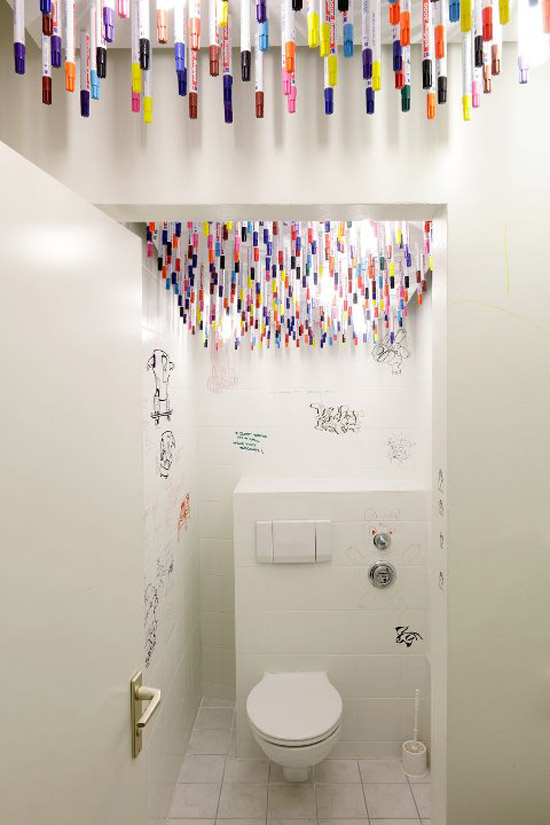
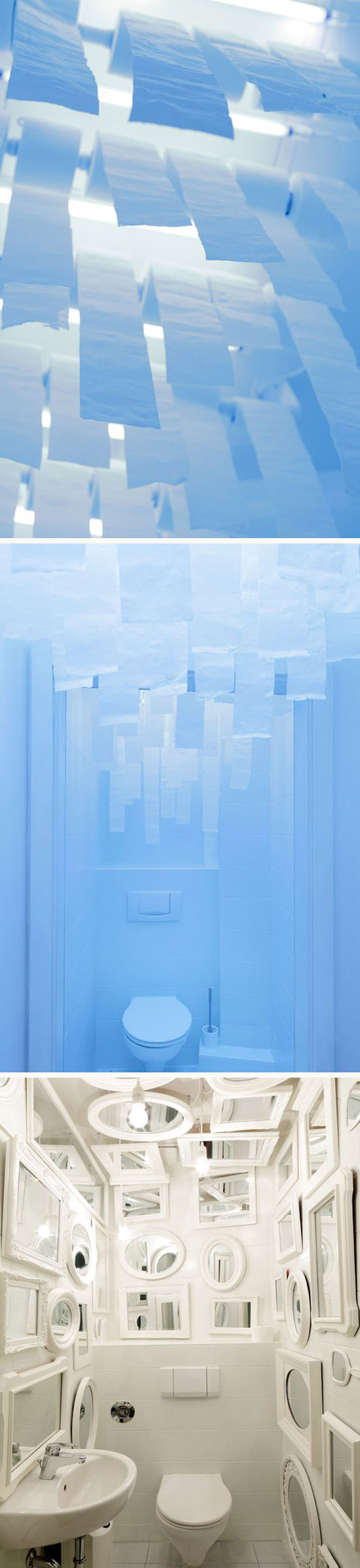
interior design, fun bathrooms, markers in bathroom for graffiti writing, Tulp design, Munich, Webguerillasinterior design, fun bathrooms, markers in bathroom for graffiti writing, Tulp design, Munich, Webguerillasinterior design, fun bathrooms, toilet paper sky in bathroom, mirrors in bathroom, Tulp design, Munich, WebguerillasGerman brand architecture firm TULP created three fun restrooms for Webguerillas’ offices in Munich. The marker installation at top, invited staff and clients to mark up the room as they wished by using the pens (attached by magnets) to draw, graffiti, and decorate the walls. The second bathroom involved lots of toilet paper rolls and blue light, creating a paper sky and easy access to toilet paper replenishment. The third installation included an array of framed mirrors to change the sense of space and play on the idea of vanity.

Photos: Oliver Jung

via flor

Owen Shop NYC: Tacklebox

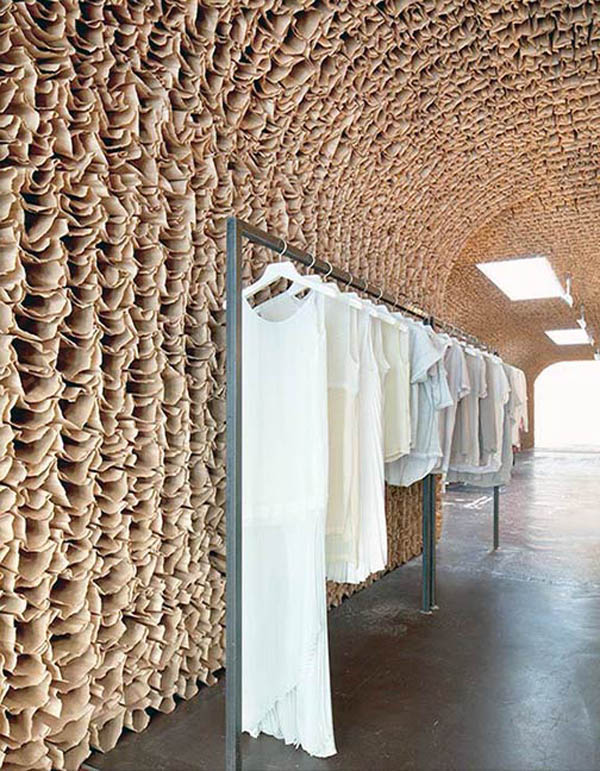
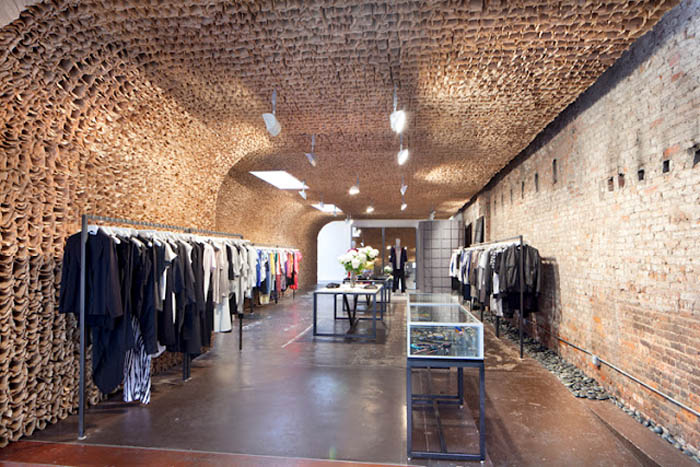
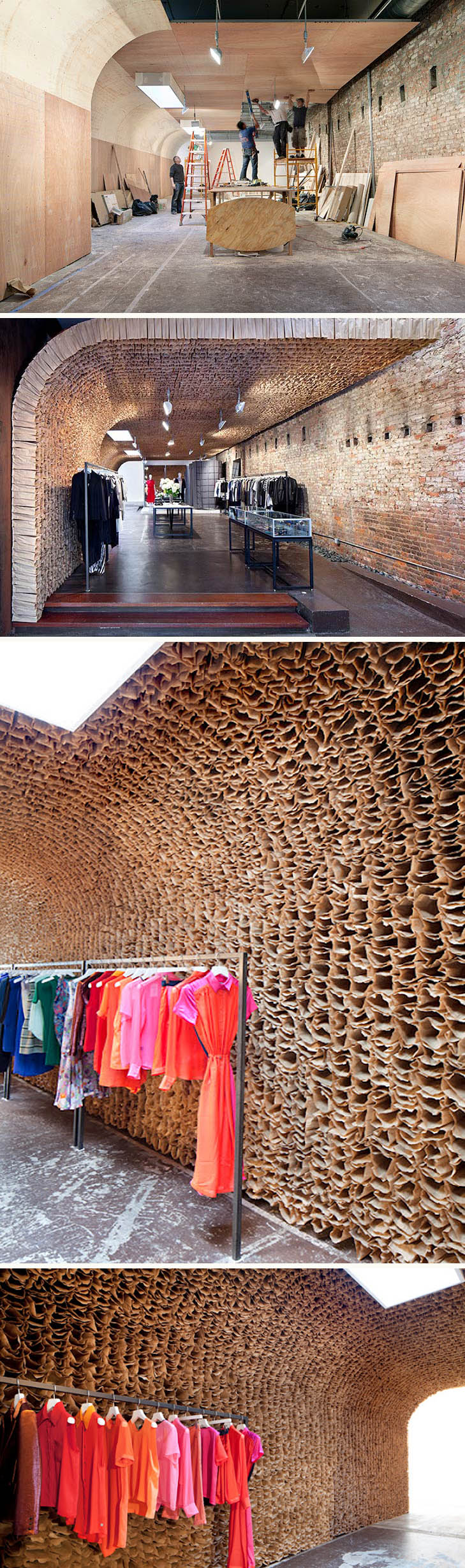
New highend store in meatpacking with 25000 paperbag installation, Owen, Tacklebox, Juliana SohnNew cool highend store in meatpacking with 25000 paperbag installation, Owen, Tacklebox, Juliana SohnNew cool highend store in meatpacking with 25000 paperbag installation, Owen, Tacklebox, cool store designClick to enlarge
Once again architecture firm Tacklebox uses unique materials in their retail store design (see previous post on Aesop’s kiosk here), this time for the new high end OWEN shop in New York City’s Meatpacking District. A continuous surface hand-built out of 25,000 brown paper bags, arches from floor to ceiling creating a honeycomb effect within the industrial brick and concrete 1,800 square foot space that previously housed a meat storage facility. This project is the first in a series of signature stores for OWEN and serves as a preview of stores to come.

Very cool.

Photos courtesy of Tacklebox by Juliana Sohn.

via NY Times

Typographied Objects IV

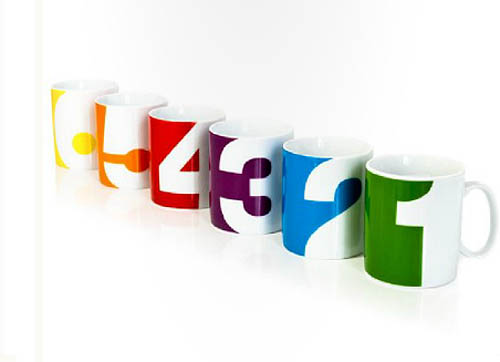
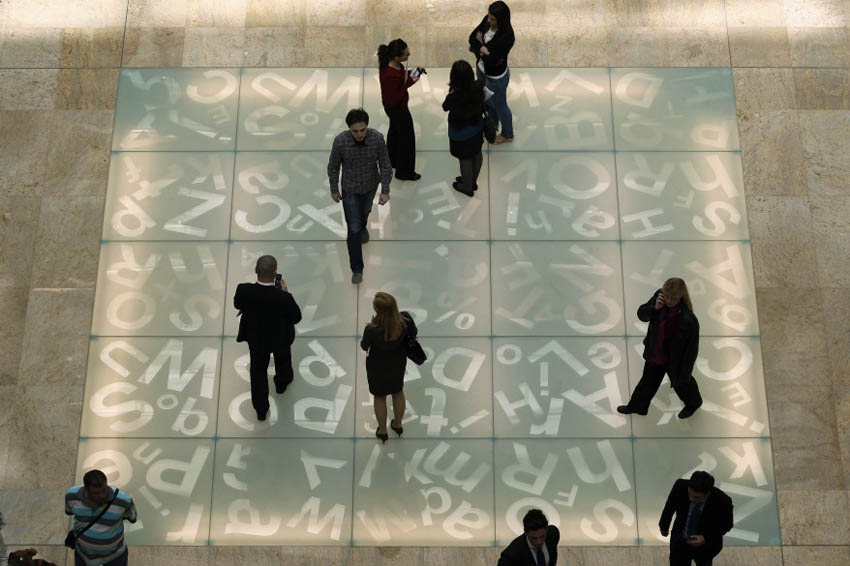
typography on mugs, numbers on mugs, typographic objects, bold numbers, fun itemsTypography on floor of Romanian National Library, Type Installation, Typography in ArchitectureTypography on objects from food to housewares and clothes. Letters, Type, Numbers, typographied objectsClick to enlarge
It’s been a while but here is the latest roundup of typography objects.

From left to right, starting at the top working down
Number Mugs from SuckUK; Floor of the Romanian National Library: Typographic Chessboard; Type Tote (front and back); Vitamin Packaging; Proposed Milk Carton Packaging; Sascha Grewe Letter Stools; Full House by J. Mayer H. for Bisazza SPA with dataprotection patterns; Handwritten Typeface by Lucas Neumann de Antonio; Edible Gelatin Type; Quotation Mark Plate; Typographic Sliding Puzzles; Bathroom Signage Student Project by Daniyil Onufrishyn; Alphatots Potatoes; TarGetBooks Shelf by Mebrure Oral; Dynamo Typocolate; Linus Dean Rugs; Typographic Dress; Urban Dinnerware; Love Your Fellow As Yourself T-shirt; Pablo Lehmann Bookcase; Ouch Quote Quips Bandages; and Anita Shelving by Ricard Mollon

See our previous posts Typographied Objects I, II, and III.

Cristina de Middel: The Afronauts

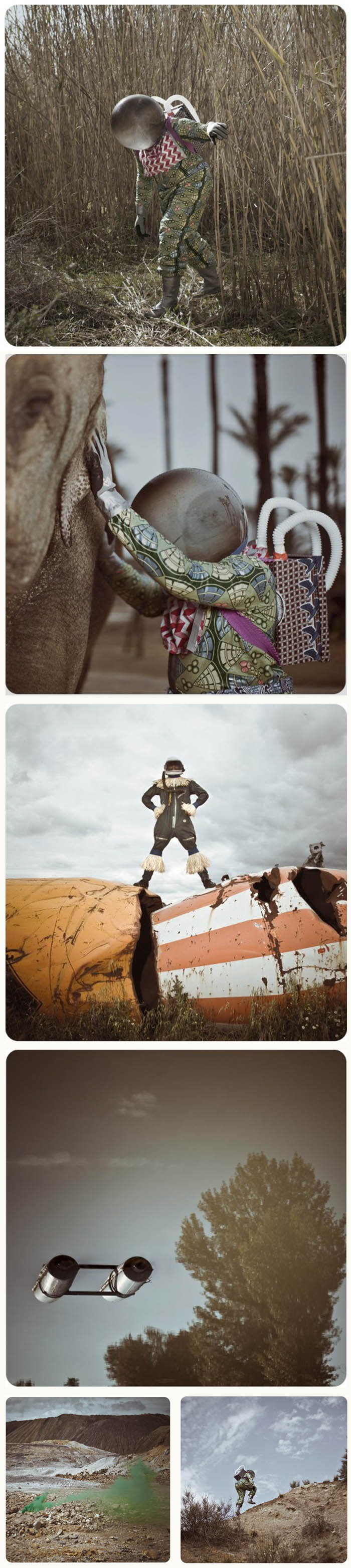
spanish contemporary photography of Zambian space program, Africa, Edward Makuka, Surreal photographs, African historyspanish contemporary photography of Zambian space program, Africa, Edward Makuka, Surreal photographs, African historyspanish contemporary photography of Zambian space program, Africa, Edward Makuka, Surreal photographs, African historyClick to enlarge
When I first came across Spanish photographer Cristina de Middels ongoing Afronauts Project last month, I loved the photos but was not aware of the story behind them which make them all the more interesting.

From the photographer:
In 1964, still living the dream of their recently gained independence, Zambia started a space program that would put the first African person on the moon catching up the USA and the Soviet Union in the space race.
Only a few optimists supported the project by Edward Makuka, the school teacher in charge of presenting the ambitious program and getting its necessary funding. But the financial aid never came, as the United Nations declined their support, and one of the astronauts, a 16 year old girl, got pregnant and had to quit. That is how the heroic initiative turned into an exotic episode of the African history, surrounded by wars, violence, droughts and hunger.
“Afronauts” is based on the documentation of an impossible dream that only lives in the pictures. I start from a real fact that took place 50 years ago and rebuild the documents adapting them to my personal imagery.

It was hard to select just one of De Middel’s photography projects to post here; they are all wonderful. If you have a few minutes you might want to check out Pop Totem, Messenger, and Centauro…or go crazy and look at everything on her site.

via treintaycuatro and colors

Tapewriter: Autobahn

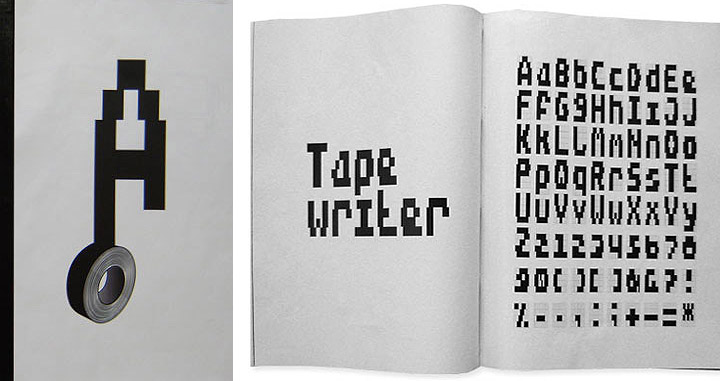
Autobahn design studio, Tapewriter, Duct Tape font, Typeface, Street Art typographyAutobahn design studio, Tapewriter, Duct Tape font, Typeface, Street Art typographyAutobahn design studio, Tapewriter, Duct Tape font, Typeface, Street Art typographyClick to enlarge
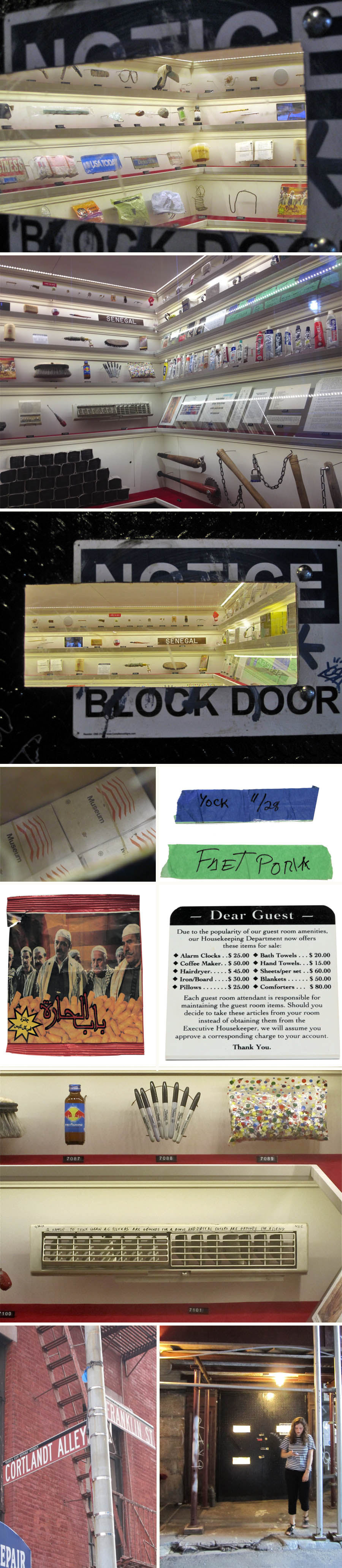
Dutch design studio Autobahn, founded by Maarten Dullemeijer and Rob Stolte, created the font Tapewriter while experimenting using duct tape as the writing material and outdoor metal fencing as their canvas. Each rectangle in the fence matched the width of the duct tape, creating a kind of bitmapped effect when words were taped out on the metal grid. From street art and free expression to font…interesting.

via behance

Henrik Vibskov: Book Launch Performance

Henrik Vibskov, performance art, cool installations, graphic stage sets, avant garde fashion designHenrik Vibskov, performance art, cool installations, graphic stage sets, avant garde fashion designHenrik Vibskov, performance art, cool installations, graphic stage sets, avant garde fashion shows, avant garde art installations, wacky, fun, car washClick to enlarge
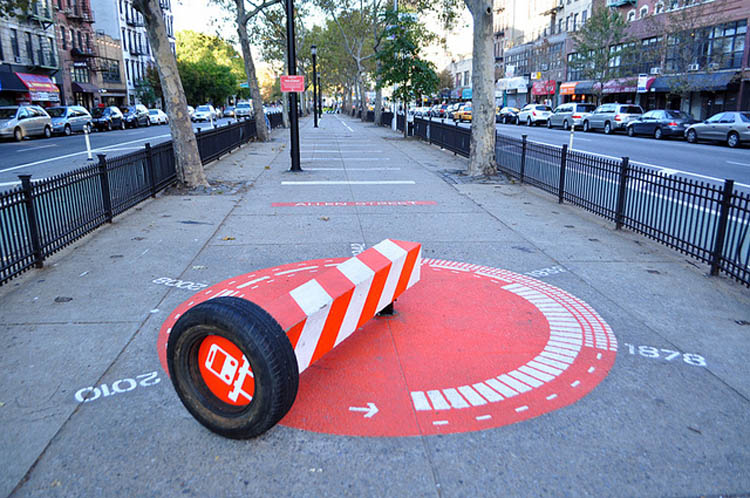
Danish fashion designer Henrik Vibskov is not your ordinary fashion designer. His fashion designs could be described as avant garde, but they are only the tip of the iceberg. He is a multifaceted artist, stage designer and musician who has a unique, sort of wacky, offbeat style. Seeing one of his fashion shows must be a real treat. More of a performance art piece than a classic runway show.

This month a book of his work is due out titled, not surprisingly, Henrik Vibskov. For the Berlin book launch, Vibskov designed and choreographed an interesting performance with a graphic backdrop and two actors covered in the same pattern, performing odd tasks, such as sweeping into a dustpan, in very slow motion. Also not to be missed are his collaborations with Andreas Emenius, including The Fringe Projects and The Circular Series.

You can watch a video of the book launch performance below.

And here is one of the installations from The Fringe Projects pictured above, titled Car Wash in action:

via gestalten

Tivoli Park Sculpture: Rok Grdisa

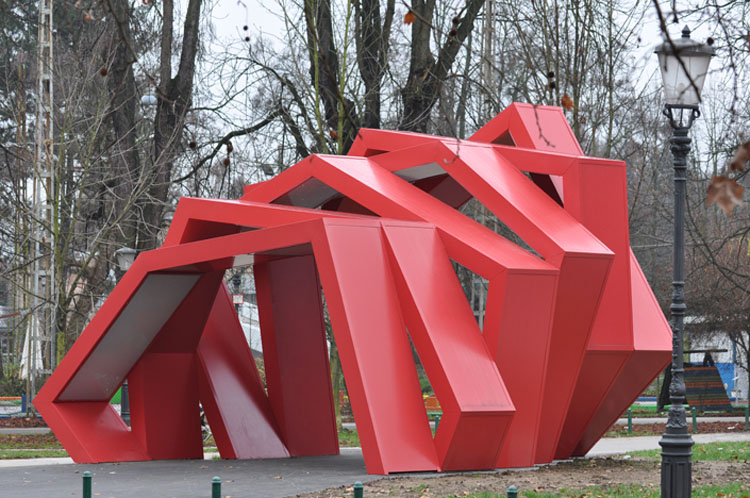
Sculpture, information pavilion, folded metal bars at different angles, archway, dynamicSculpture, information pavilion, folded metal bars at different angles, archway, dynamicSculpture, information pavilion, folded metal bars at different angles, archway, dynamicClick to enlarge

Originally designed for, and a second place winner of, the Trimo Urban Crash competition, this dynamic urban sculpture designed by architect Rok Grdisa has now become a permanent installation in Tivoli Park in Ljubljana, Slovenia. Acting as an information pavilion, this red structure made up of 6 differently folded bright red metal panels, has a sort of blooming effect that is very appealing. The interior panels include lighting, which makes for lovely nighttime illumination.

Photos by Peter Mihelic

via design diffusion and plusmood

Jonathan Delafield Cook: Charcoal Drawings

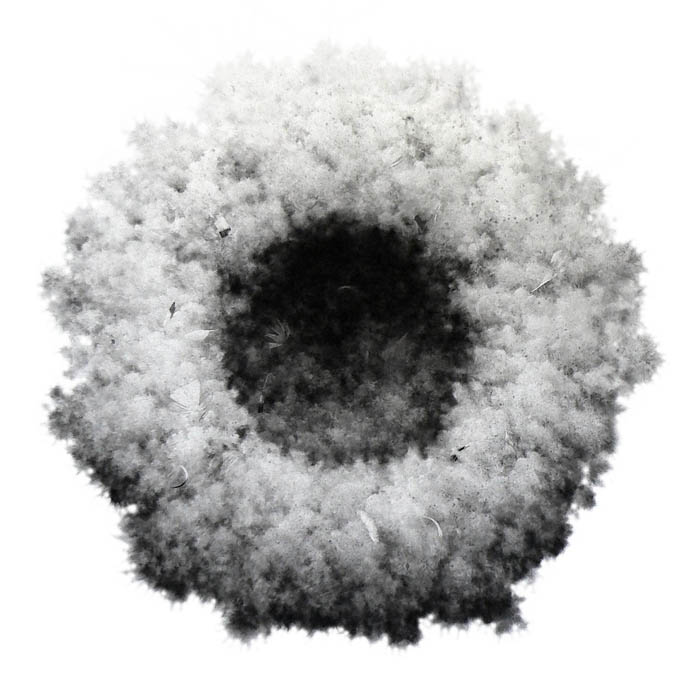
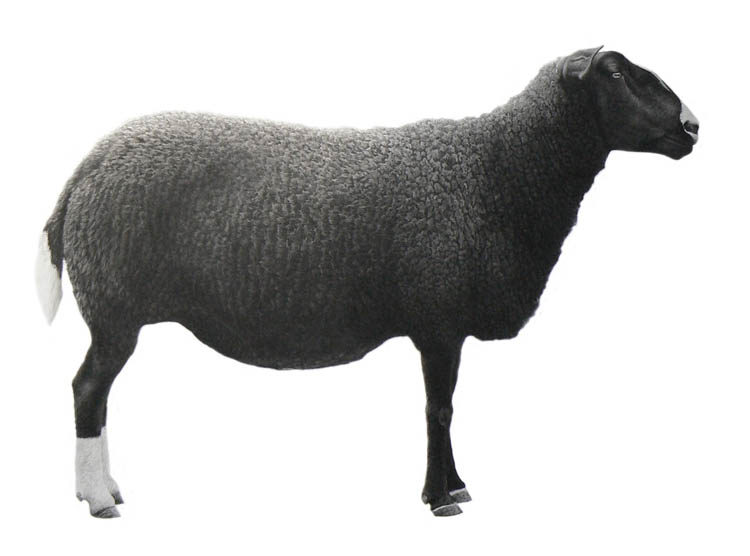
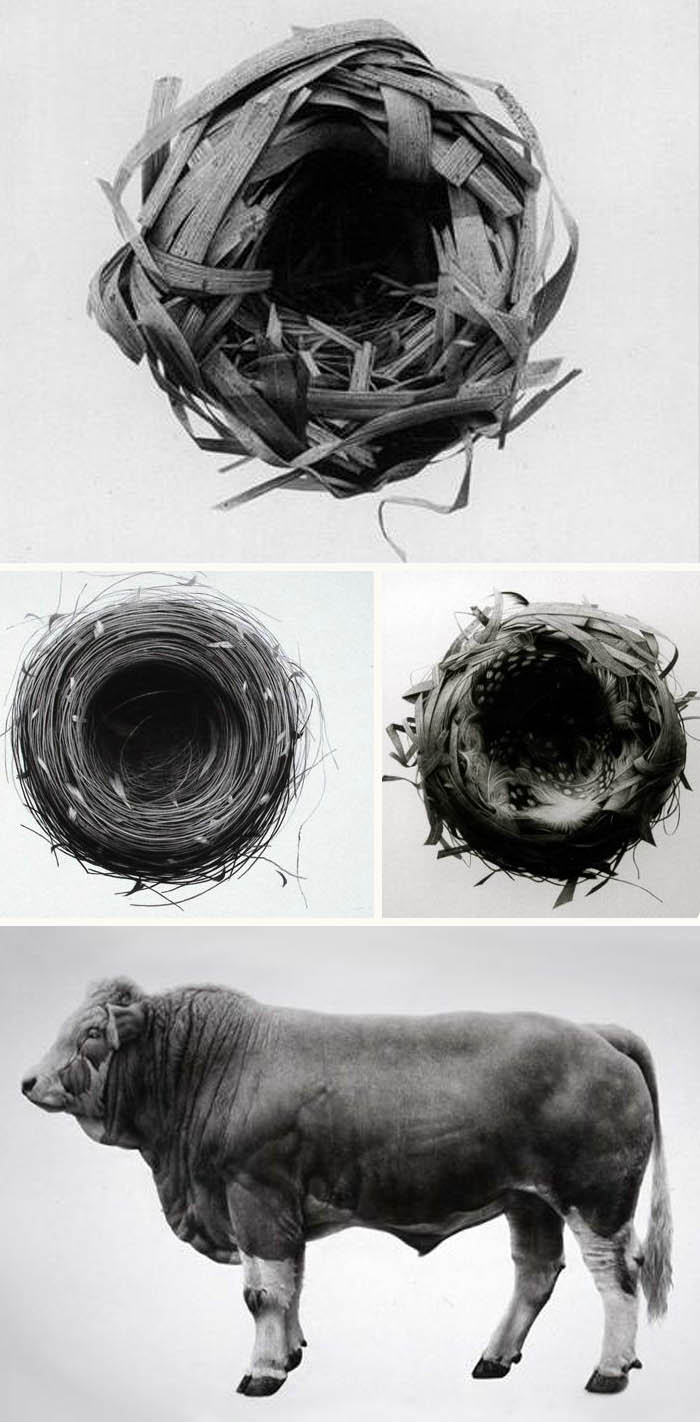
Amazing charcoal drawings of nests and animals that almost look like photographsAmazing charcoal drawings of nests and animals that almost look like photographsAmazing charcoal drawings of nests and animals that almost look like photographsClick to enlarge
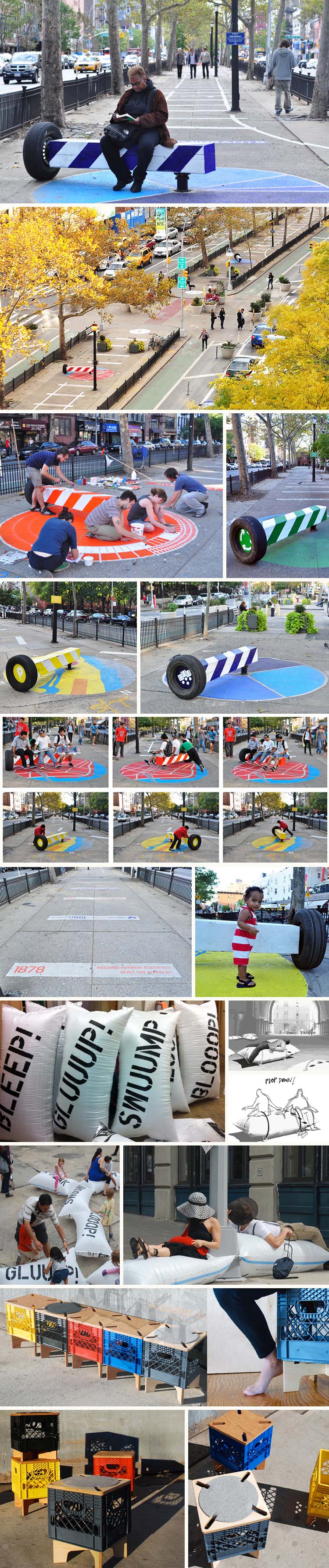
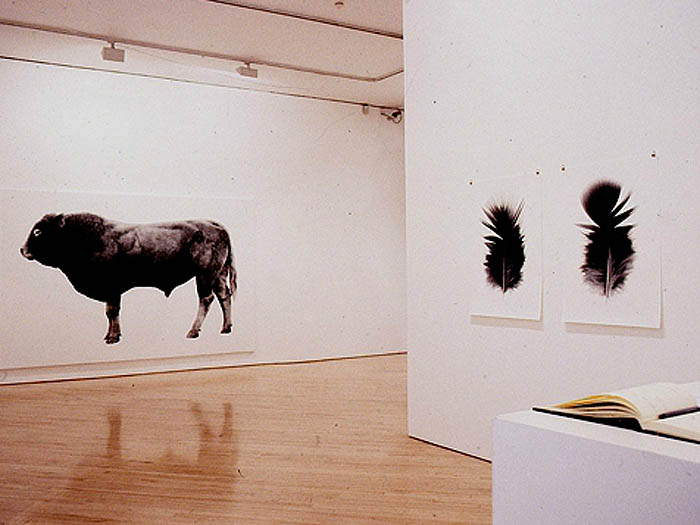
Yes. Drawings. London artist Jonathan Delafield Cook gets his inspiration for his remarkable hyper-realistic charcoal drawings on paper and canvas from nature. His attention to detail makes these works look almost photographic. He plays with scale by enlarging his subject matter, whether it be birds’ nests or bulls. Pretty amazing and beautiful, to boot.

Thanks, Breger.